

We may earn a commission when you buy through links on this page, at no extra cost to you. Learn more.
Santa Lucia Highlands wine comes from a cool-climate American Viticultural Area in Monterey County, California, where Pinot Noir is the most widely planted variety. The region sits on the eastern side of the Santa Lucia Mountains and receives morning fog and breezes from Monterey Bay, which keeps the growing season cool and long. Chardonnay is the other notable grape, and both wines tend to show bright acidity and a fresh, fruit-forward profile.
Many California wine labels mention a region on the back, but few tell you what that region actually does to the wine. Santa Lucia Highlands is a useful example because its climate and soils are unusually clear, and they explain why its Pinot Noir and Chardonnay are worth a closer look for anyone who wants a cool-climate California style. This guide covers where the region is, how its climate and soils work, which grapes lead, and how to read a label and serve the wines. Details come from the Wikipedia entry on the appellation, and where that source gives no figure, this guide stays with general description.
Where the Appellation Sits
Santa Lucia Highlands is an appellation, or American Viticultural Area, in Monterey County on California’s central coast. The region sits on the eastern flank of the Santa Lucia Mountains and includes alluvial terraces that rise above the Salinas Valley floor. Some vineyards reach about 1,200 feet above sea level, which places them above the cool fog that settles over the valley.
The appellation covers roughly 21,800 acres after a boundary change in 2021, and only a fraction of that land is planted to vines. The exact planted area differs between sources, so this guide does not quote a single figure. What matters for a buyer is the strip of vineyards on the slopes and terraces, which share the same climate and soils.
Climate and Soils That Shape the Wines
The region gets cool morning fog and breezes from Monterey Bay, followed by warm afternoons. The southern exposures of many vineyards add sun, while the fog and wind keep nights cool. This pattern gives the grapes a long, slow ripening period, with a growing season that is about 167 days long, according to the Wikipedia entry. Cool, long seasons tend to keep acidity high and flavors clean.
The soils are mainly well-drained loams and gravelly sandy loams formed from granitic alluvium. The terrace soils are part of the Arroyo Seco and Chualar series, while the upper slopes have Cieneba and Sheridan soils, and the valley floor has Mocho, Cropley, Pico and Danville soils. Well-drained granitic soils limit vigor and push vines to root deeply, which tends to concentrate fruit. That is a general viticultural point rather than a finding from the source, but it explains why the soils matter so much in the region’s reputation.

Pinot Noir and Chardonnay From the Region
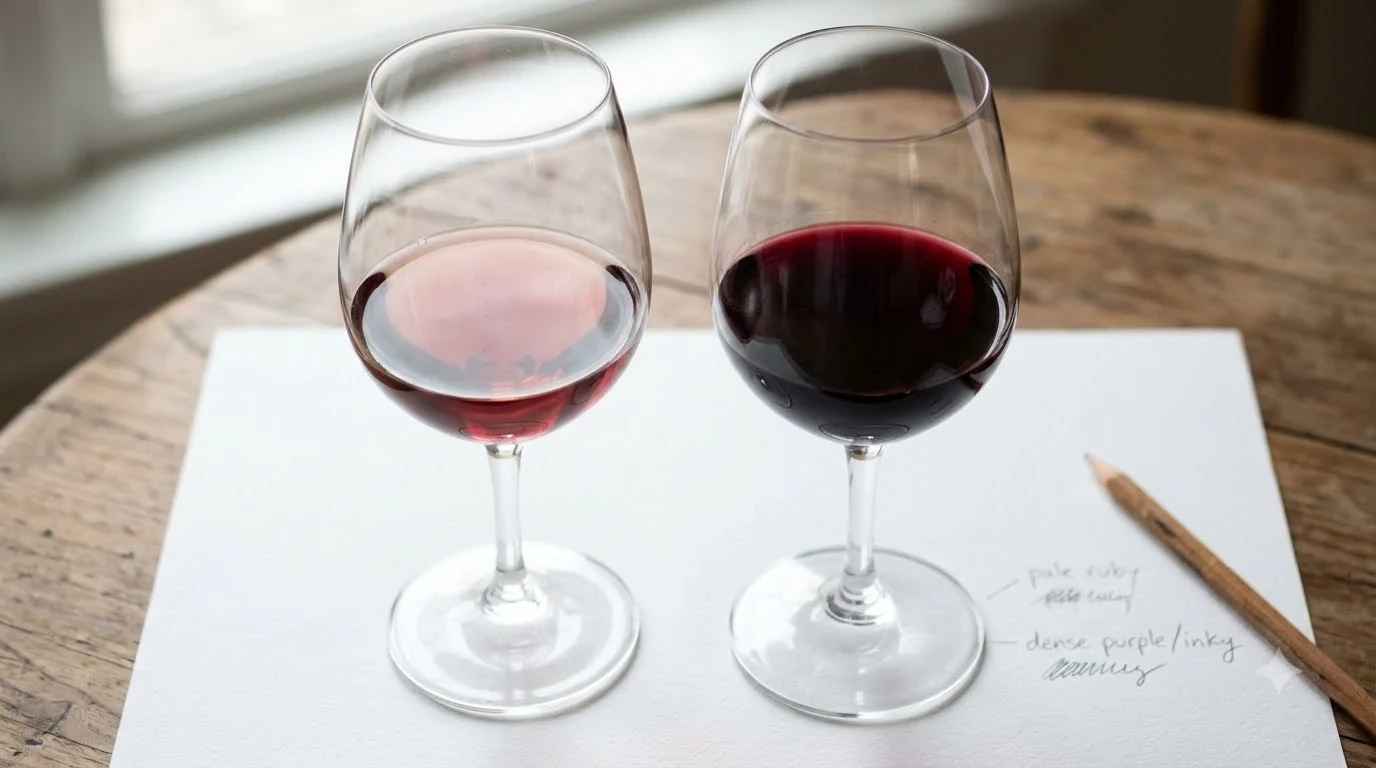
Pinot Noir is the most prominent variety in the appellation, with about half of the vineyards planted to it according to the Wikipedia entry. Pinot Noir is a thin-skinned grape that rewards a cool site with aromatic red fruit, lively acidity and a silky texture. The cool fog and long season are a good fit for it, which is why the region has built its reputation around this grape.
Chardonnay is the other important white grape. The Wikipedia entry notes two vineyards that Wine Enthusiast named Grand Cru, which shows how individual sites can stand out inside a single appellation. The source also lists many other varieties planted in the region, including Syrah, Cabernet Sauvignon, Merlot and Riesling, but Pinot Noir and Chardonnay remain the center of the story.
| Feature | What it means for the wine |
|---|---|
| Morning fog and Monterey Bay breezes | Cool nights and a long season that keep acidity high |
| Granitic alluvial soils | Well-drained ground that can concentrate fruit |
| Pinot Noir as the main red | Aromatic red fruit and a light-to-medium body |
| Chardonnay as the main white | Fresh fruit and structure, with oak adding texture in many bottlings |
Tip: On a label, look for the appellation name and the vineyard name. A bottle that names a single site usually tells you more about the wine than a broad regional label.
How to Read a Santa Lucia Highlands Label
Labels from this region often name the appellation, the grape and sometimes a single vineyard. The appellation tells you the climate and soil, the grape tells you the style, and the vineyard name tells you the specific site. Once you know the pattern, a label becomes a short guide to what is in the glass.
Oak is another part of the label story. Chardonnay in particular is often barrel-aged, which adds texture and a toasty note, while some producers choose a more restrained style. The label may not state the oak regime, so the best guide is the description the producer gives and the reviews you trust.
How to Serve Santa Lucia Highlands Wines
Serve the Pinot Noir slightly cooler than room temperature. It should taste bright and fresh rather than heavy and warm, and a short chill in the fridge before pouring often helps. A standard Burgundy-style glass gives the aromas room to open, which is the main reason the grape rewards a larger bowl.
Chardonnay is best chilled but not ice cold. Very cold white wine hides the fruit and makes the body seem thinner, so take the bottle out of the fridge a few minutes before pouring. A barrel-aged Chardonnay can be served a little warmer than a lean, unoaked style.
Both wines usually show well within a day or two of opening, though the fresher fruit is best within the first day. Keep leftover wine re-corked and refrigerated.
Food Pairing Ideas
Pinot Noir from the region is a flexible food wine. It pairs with roast salmon, roast chicken, duck and mushroom dishes, and it works with many herb-driven vegetable plates. Its acidity cuts through rich food, and its fruit suits sweet-savory sauces such as cherry or cranberry.
Chardonnay suits roast chicken, pork with apples, creamy pasta and grilled fish. A barrel-aged bottle can handle a richer sauce, while an unoaked style is better with lighter seafood and fresh salads.
How to Choose a Bottle
Choose by the meal and the style you prefer. If you want a light, fresh red for a weeknight, the regional Pinot Noir is a good starting point. If you want a bolder white for a special dinner, a Chardonnay with some oak texture can carry richer food. If you are new to the region, a bottle from a single vineyard shows the terroir most clearly.
Comparing regions helps you learn what you like. The Austin Hope red wine guide covers another California red and shows how a different site and style can change the glass, which is a useful comparison when you move between California regions.
Frequently Asked Questions
What grape is Santa Lucia Highlands best known for?
Pinot Noir is the most prominent variety in the appellation, with about half of the vineyards planted to it according to the Wikipedia entry. Chardonnay is the other notable grape.
Where is Santa Lucia Highlands?
It is an appellation in Monterey County, California, on the eastern side of the Santa Lucia Mountains. It sits above the Salinas Valley floor.
Why is the climate important for these wines?
Morning fog and breezes from Monterey Bay keep nights cool and extend the growing season. Cool conditions help the grapes keep acidity and fresh fruit.
How should I serve Santa Lucia Highlands Pinot Noir?
Serve it slightly cooler than room temperature in a large glass. A short chill before pouring keeps the fruit bright and the wine feeling fresh.
Santa Lucia Highlands is a useful region to learn because its climate and soils are so easy to connect to the glass. Start with a regional Pinot Noir for a weeknight, try a single-vineyard Chardonnay for a special dinner, and use the wine brands guide to compare producers once you know what you like.
More in Wine Brands
 Underwood Wine Price: Compare Bottles, Cans, and Pack SizesUpdated Nov 21, 2026
 Zenato Wine Price: Compare Styles and Choose the Right BottleUpdated Nov 21, 2026
 Zuccardi Wine Price: Compare Bottles and Find the Right RangeUpdated Nov 21, 2026
 Yellow Tail Moscato Review: Taste, Sweetness and Serving TipsUpdated Nov 21, 2026
 Wolf Blass Yellow Label Review: Choose Your Best StyleUpdated Nov 21, 2026
 Wolffer Estate Rose Review: Choose the Right Bottle for Your TableUpdated Nov 21, 2026