

We may earn a commission when you buy through links on this page, at no extra cost to you. Learn more.
Prunotto wine comes from Prunotto, a Piedmont winery rooted in a winemaking co-operative founded in 1904, and it is best known for its Barolo. The estate farms about 65 hectares across the Langhe and Monferrato hills in southern Piedmont, and its range includes single-vineyard Barolo, Barbera, Dolcetto and a Nebbiolo labeled Langhe DOC. The house describes its approach as balancing tradition and innovation to show the character of each vineyard.
Piedmont is one of Italy’s most complicated wine regions, with many named vineyards, appellations and grape types that can be hard to sort out from a label. Prunotto is a useful name to understand because it shows how a long-established producer presents that complexity. This guide explains where the winery comes from, what its main wines are, how the Piedmontese grapes differ, and how to serve and pair them. Details come from the winery’s own website, and where the site does not state a process or a number, this guide keeps to general description.
Where Prunotto Comes From
According to the winery’s own website, the company’s roots go back to 1904, when a winemaking co-operative called Cantina Sociale “Ai Vini delle Langhe” was set up in the town hall of Serralunga. A young Alfredo Prunotto was present as a witness at that founding, and the family name later became the name of the brand. A co-operative origin is a useful piece of background because it shows that the house grew out of a community of local growers rather than a single estate.
The Langhe are the hilly area of southern Piedmont, spread across the provinces of Cuneo and Asti. Prunotto’s vineyards cover about 65 hectares across the Langhe and Monferrato, divided into smaller parcels and single vineyards. The site presents the vineyards as the basis for the range, and that focus on individual sites is the thread that runs through the whole portfolio.
The Main Wines in the Range
The range is grouped into several families. There are single-vineyard wines, historic-area wines, bottlings labeled Langhe, Monferrato and Roero, and a set of speciality wines. The Barolo DOCG lineup is the centerpiece, with single-vineyard bottlings from Bussia, Cerretta, Mosconi and Serra, and a Barolo Riserva called Vigna Colonnello from the Bussia vineyard.
Beyond Barolo, the winery makes Barbera d’Alba DOC, a Barbera from the Pian Romualdo site, and Fiulot, a Barbera d’Asti DOCG. The Dolcetto range includes Dolcetto d’Alba DOC and a single-site Mosesco bottling. The site also lists Occhetti, a Langhe DOC Nebbiolo, and two Barbaresco DOCG wines. The table below sums up the lineup in general terms.
| Wine family | Examples named on the website | How to approach it |
|---|---|---|
| Barolo DOCG | Bussia, Cerretta, Mosconi, Serra, Vigna Colonnello Riserva | The long-aging flagship for special dinners |
| Barbera | Barbera d’Alba DOC, Pian Romualdo, Fiulot Barbera d’Asti DOCG | Fresh, food-friendly red for everyday meals |
| Dolcetto | Dolcetto d’Alba DOC, Mosesco | Lighter, fruit-forward red for casual dinners |
| Nebbiolo and Barbaresco | Occhetti Langhe DOC Nebbiolo, Barbaresco DOCG wines | Structured reds for a serious meal |
Tip: Barolo is the wine most people buy the name for, but Barbera and Dolcetto are easier to drink often. Use them for weeknight dinners and save the Barolo for a meal you plan around.
Barolo and the Single-Vineyard Idea
Barolo is made from Nebbiolo and is famous for being a long-aging red with firm tannins and a deep, complex aroma. The Prunotto site describes its Barolo bottlings by vineyard, including Bussia, one of the historic areas the winery works with. Bussia is the source of the Bussia Barolo DOCG, the Vigna Colonnello Riserva and a grappa, which shows how a single site can shape several products.
The idea behind single-vineyard wine is that a specific piece of land gives a recognizable character that a blend would smooth out. The winery says its aim is to show the “thousand nuances” of its small plots, which it presents as a focus on terroir. For a buyer, that means comparing Barolo bottlings from different sites can be as interesting as comparing different producers.
Barbera, Dolcetto and Other Local Reds
Barbera and Dolcetto are the two everyday grapes of the Langhe, and they come in many styles. Barbera is usually high in acidity and fresh red fruit, which makes it easy to pair with tomato dishes and fried food. Dolcetto is typically softer and fruitier, with less acidity and a friendly texture for a casual glass.
Prunotto makes both as well as a Barbera from named areas and a Dolcetto from a single site, so you can see how the same grape changes with the vineyard. That is a good way to learn Piedmontese wine without committing to a bottle that costs more time and money to enjoy.
The house also works with both native and non-native grape varieties, which the site presents as part of its balance between tradition and innovation. A buyer does not need to know every variety to enjoy the range, but it helps to know that the winery is not limited to one style.
How to Serve Prunotto Wines
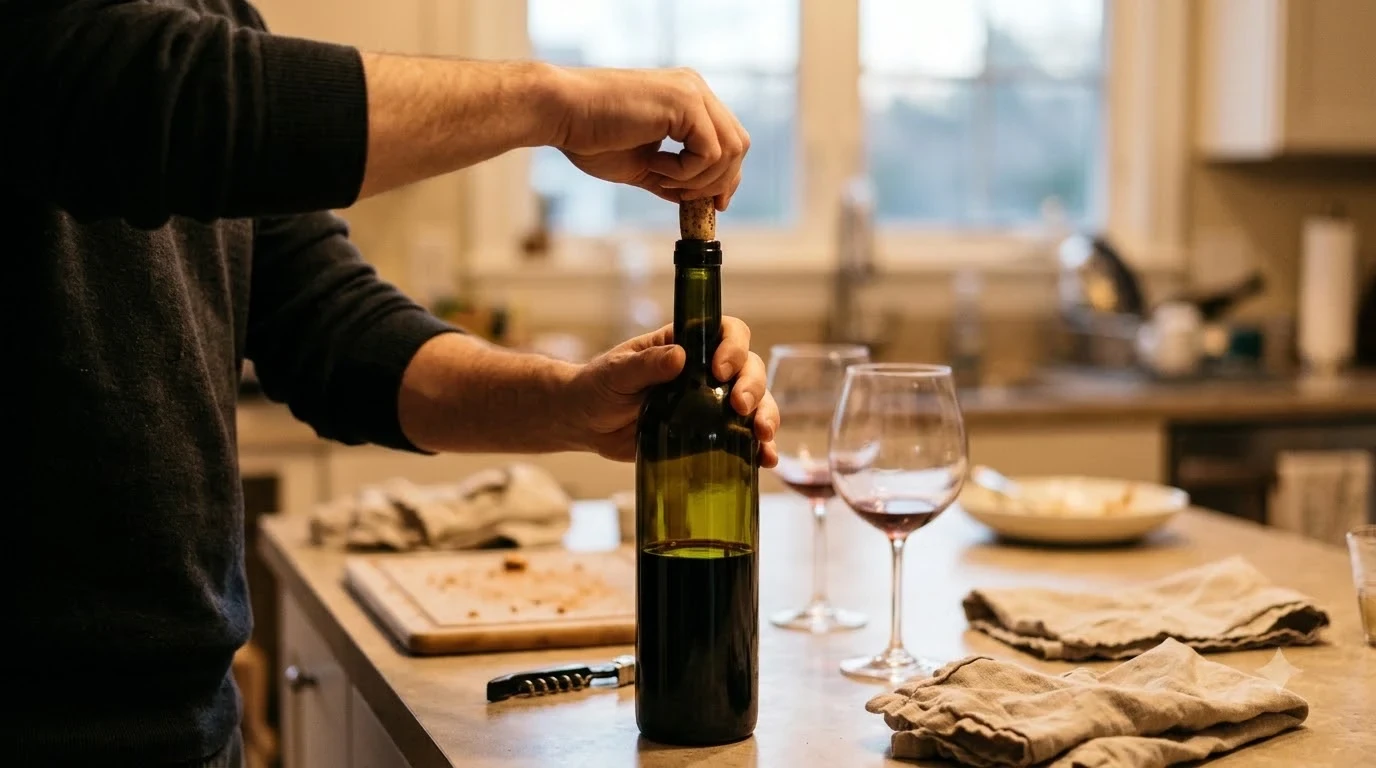
Barolo needs care in serving. Open it at least an hour before the meal, or decant it if the bottle is young and firm, so the wine can open up and the tannins soften. Serve it a little below room temperature, and use a large glass so the perfume has space to develop. Do not rush the wine; a Barolo often shows more in the second hour than in the first.
Barbera and Dolcetto are easier. Serve them slightly cooler than room temperature, and they will taste fresher and more lively. A quick chill of about fifteen minutes in the fridge before pouring is a good habit for Barbera in particular, since its acidity comes forward when it is cool.
Leftover wine keeps best re-corked and refrigerated, although a Barolo will not last long after opening. Use a half-empty bottle for cooking, a braise or a risotto, and finish the rest within a day or two.
Food Pairing with Piedmontese Reds
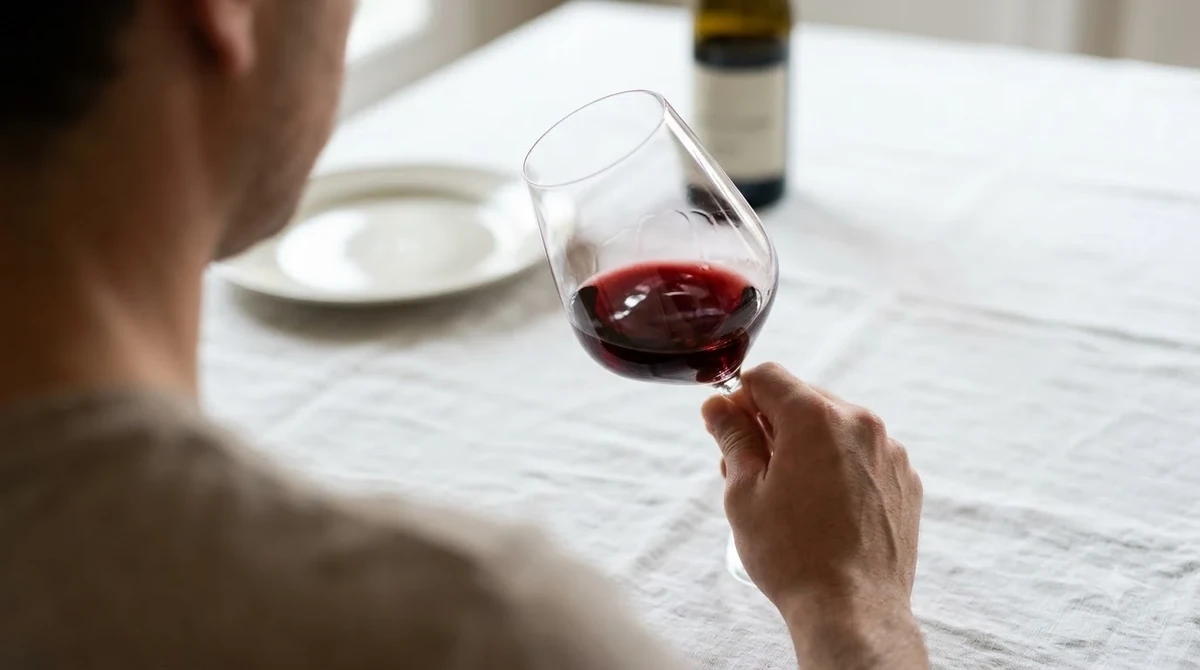
The classic partner for Barolo is rich meat. Braised beef, roast veal and wild game all have enough fat and flavor to match the wine’s tannins. Aged cheeses and mushroom dishes also suit the earthy notes that often show up in a mature Nebbiolo.
Barbera pairs well with tomato-based pasta, grilled sausage, pizza and roast chicken. Its acidity cuts through fat and sauce. Dolcetto is a friendly match for cured meats, vegetable dishes and everyday plates that do not need a heavy wine. Piedmontese cooking uses these wines with local dishes, so matching them to the regional kitchen is often the simplest route.
How to Choose a Bottle
Choose by the meal and the time you have. For a special dinner, a Barolo is the reference point, and a single-vineyard bottle gives you a clear sense of place. For a weeknight, a Barbera or Dolcetto gives you the Piedmontese style with far less effort to serve. If you want a structured red that sits between the two, the Barbaresco or the Nebbiolo from the Langhe is a good middle step.
If you want to compare another European red, the Aveleda wine guide covers a different producer and style. Comparing wines from different countries makes it easier to see what you like about Nebbiolo’s firmness or Barbera’s freshness.
Frequently Asked Questions
What is Prunotto best known for?
Prunotto is best known for its Barolo DOCG wines, including single-vineyard bottlings from Bussia, Cerretta, Mosconi and Serra, and the Vigna Colonnello Riserva from Bussia.
When was Prunotto founded?
The winery’s website traces its roots to 1904, when a winemaking co-operative called Cantina Sociale “Ai Vini delle Langhe” was set up in Serralunga.
Does Prunotto make wines other than Barolo?
Yes. The range includes Barbera d’Alba, Fiulot Barbera d’Asti, Dolcetto d’Alba, Occhetti Langhe Nebbiolo and two Barbaresco DOCG wines, according to the website.
How long should I decant a young Barolo?
A young Barolo often benefits from decanting or at least an hour open before the meal, which softens the tannins and helps the aroma develop. Taste it again after the first glass to judge how it is opening.
Prunotto is a good name to explore if you want to understand Piedmont through a single producer. Start with a Barbera or Dolcetto for everyday meals, save the Barolo for a special dinner, and use the wine brands guide to compare other producers once you know the style you enjoy.
More in Wine Brands
 Underwood Wine Price: Compare Bottles, Cans, and Pack SizesUpdated Nov 21, 2026
 Zenato Wine Price: Compare Styles and Choose the Right BottleUpdated Nov 21, 2026
 Zuccardi Wine Price: Compare Bottles and Find the Right RangeUpdated Nov 21, 2026
 Yellow Tail Moscato Review: Taste, Sweetness and Serving TipsUpdated Nov 21, 2026
 Wolf Blass Yellow Label Review: Choose Your Best StyleUpdated Nov 21, 2026
 Wolffer Estate Rose Review: Choose the Right Bottle for Your TableUpdated Nov 21, 2026