

We may earn a commission when you buy through links on this page, at no extra cost to you. Learn more.
How many calories in rose? The count depends mainly on the wine’s alcohol level and how much sugar it keeps, so a dry rosé and a sweeter blush can differ noticeably in a single glass. Alcohol supplies most of the energy in any wine, and residual sugar adds more on top. Looking at those two factors is the most useful way to estimate what is in your glass.
Rosé has a reputation as the light, refreshing choice of the summer table, and many people assume it must be low in calories. That is only partly true. Rosé is a wine, and wine carries calories from alcohol and sugar. This guide explains where those calories come from, why two pink wines can differ, and how to make a sensible estimate without relying on a single number that may not fit your bottle.
Where the calories in rosé come from
Wine contains very little fat or protein, so almost all of its energy comes from alcohol and sugar. Alcohol is calorie-dense, providing more energy per gram than carbohydrate or protein, and it is the largest source in a dry wine. The reference for that energy value is the combustion figure for ethanol, which the Wikipedia article on ethanol lists at roughly 7.1 kilocalories per gram when burned. Food and drink energy is measured differently, but the comparison still shows why alcohol matters so much.
Sugar is the second source. Grape juice contains natural sugar, and winemakers decide how much of it stays in the bottle after fermentation. Yeast turns most of that sugar into alcohol, which is why a dry wine has very little sugar left. When fermentation stops early, or the winemaker adds back some grape juice, the wine keeps more sugar, and its calorie count rises with it.
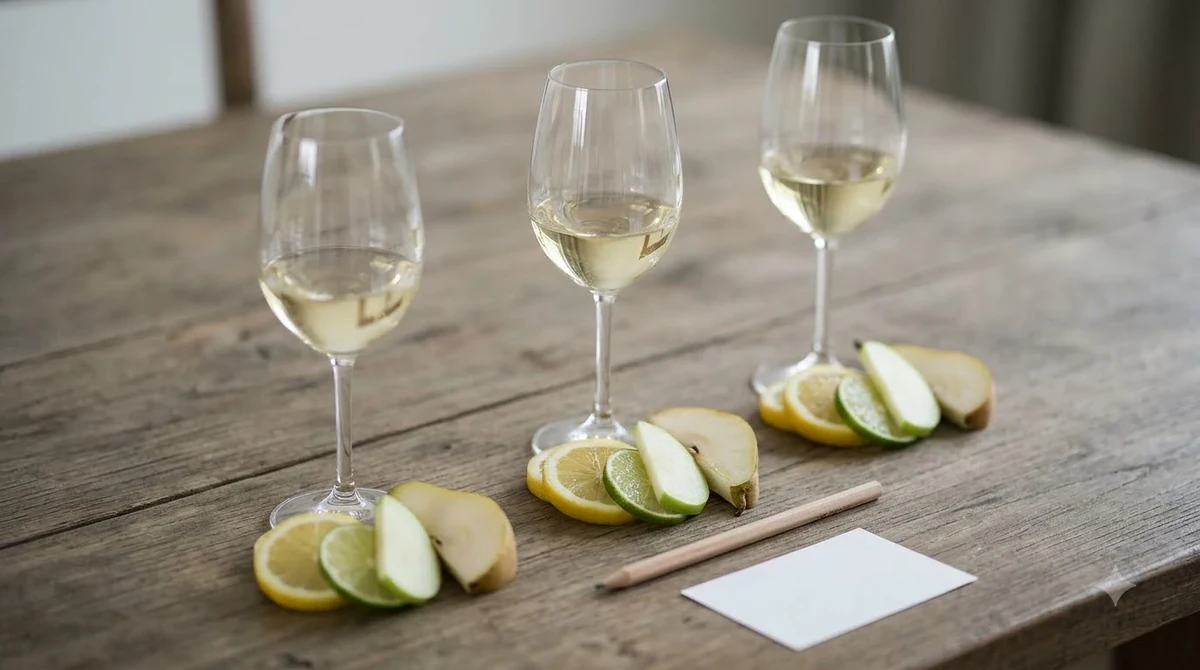
Pour size also changes how you should read any number you find. A calorie figure printed on a label or website is almost always tied to a specific serving size, often a standard five-ounce glass. If your glass is larger, or if the wine is poured to the brim, the real total will be higher than the figure suggests, even when the bottle itself is exactly as labeled.
Why rosé styles differ so much
Rosé is made in several ways, and the method shapes both color and sweetness. The Wikipedia article on rosé wine describes three main approaches: a short skin contact in which crushed black grapes sit with their juice for a brief period, a method called saignée that draws off pink juice early from a red wine, and blending, which is uncommon. Each method leaves a different amount of residual sugar and alcohol, which is why one bottle can feel crisp and dry while another tastes like candy.
The same article notes that rosés range widely in sweetness, from dry Provençal styles to sweet White Zinfandel. A dry rosé from the south of France and a sweet blush from a supermarket shelf may both be pink, yet their calories can be far apart. Reading the label for a sweetness description, or asking the shop staff, is a practical way to narrow the gap.
| Factor | Effect on calories | What to look for |
|---|---|---|
| Alcohol level | Higher alcohol means more calories per glass | The ABV figure on the label |
| Residual sugar | More leftover sugar adds calories | Words like dry, off-dry, or sweet |
| Serving size | A bigger pour means more calories | Standard glasses are smaller than many people pour |
| Style | Sparkling rosé and still rosé can differ | Check whether the bottle is still or sparkling |
How to estimate the calories in your glass
A reliable estimate starts with two pieces of information: the alcohol percentage and the sweetness. Dry rosés with moderate alcohol sit at the lower end, while sweeter blushes and higher-alcohol rosés sit at the upper end. Without a lab test, you can only make a rough comparison, but that comparison is still useful when you choose between two bottles at a shop.
Serving size is the factor most people underestimate. Restaurants and home pours often exceed a standard measure, so a glass can contain more wine than expected. Measuring a pour once, with a jigger or a measuring cup, gives you a clearer sense of what a typical glass holds. Using that measured pour to compare two rosés keeps the estimate honest.
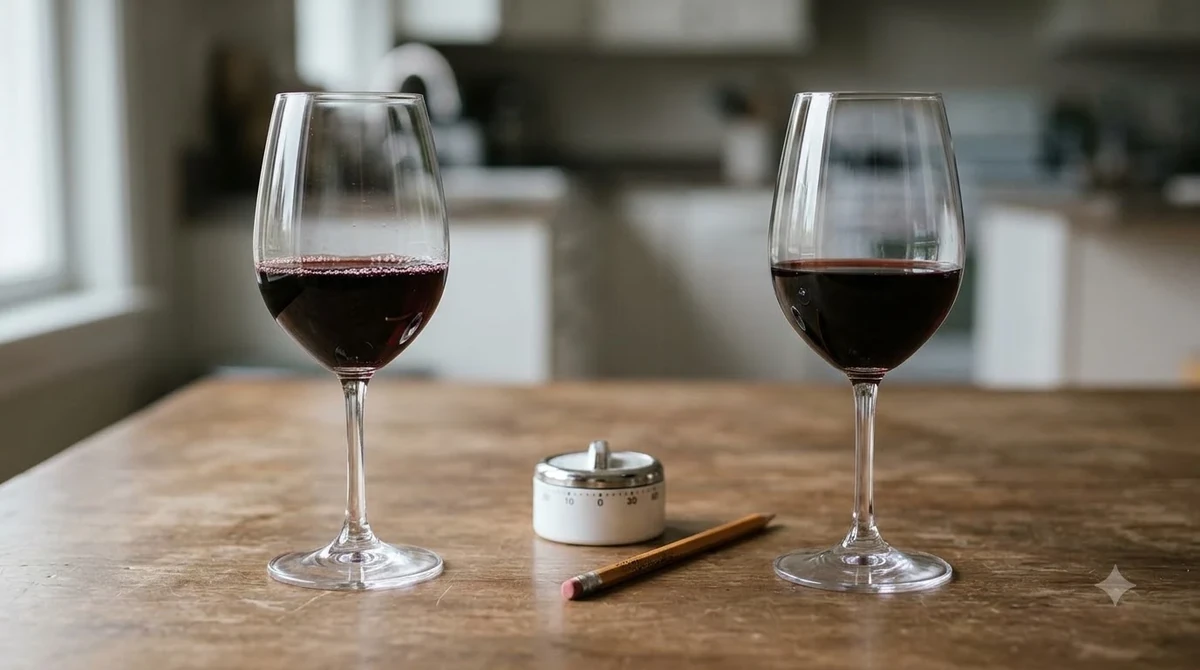
Serving context matters as much as the bottle. A glass poured at a restaurant or a backyard party often holds more wine than a measured pour at home, and a second or third glass adds up quickly even when each one seems modest. Keeping track of how many glasses you pour, rather than how many bottles you open, gives a clearer picture of the total. Many people find that a smaller glass, filled to a set mark, makes the amount easy to manage without giving anything up.
Food changes how a rosé feels, too. A dry rosé pairs well with salads, grilled vegetables, and light seafood, and those dishes often bring their own calories. Thinking about the full plate, not just the glass, gives a more balanced view of an evening meal.
Choosing a rosé with fewer calories
If you are watching what you drink, dry rosé is the simplest choice. Dry styles leave little residual sugar, so their calories come mostly from alcohol. A bottle with a lower alcohol percentage also helps, though it may taste lighter. Many people pick a rosé that matches their meal, and that approach often works better than chasing the lowest number on the label.
Sparkling rosé is a different case. Bubbles do not change the calorie count much on their own, but a sparkling style can be dry or sweet, so the sweetness note still matters. Checking both the alcohol level and the sweetness word on the label gives the most useful picture, and it helps you compare a sparkling and a still rosé fairly.
Tip: Pour rosé into a standard glass, then measure it once. That single check tells you more about your intake than any general figure.
Frequently Asked Questions
Is rosé lower in calories than red wine?
It depends on the specific bottle. Many dry rosés and dry reds have similar alcohol levels, so the difference often comes from sweetness and serving size rather than color. Compare the labels rather than assuming.
Does sweet rosé have more calories than dry rosé?
Usually, yes. Sugar left in the wine adds energy on top of the alcohol. A dry rosé has little residual sugar, so its calories come mostly from alcohol.
Do bubbles change the calorie count in sparkling rosé?
Bubbles do not add calories by themselves. What matters is the alcohol level and sweetness, so check those on the bottle when you compare a sparkling rosé with a still one.
Where can I find the exact calorie count for my bottle?
Many producers list calories on their website or label, and some retailers show nutrition details. If none is available, estimate from the alcohol percentage and sweetness, and measure your serving size.
Rosé can be a lovely part of a relaxed evening, and knowing where its calories come from makes it easier to enjoy one glass with confidence. Focus on the alcohol level, the sweetness, and the size of the pour rather than the color alone. For more on how sugar shapes a wine’s taste and body, read which wine has less sugar, and browse the wine basics Q&A for more everyday questions. For background on how rosé is made, the Wikipedia article on rosé wine is a useful starting point.
More in Wine Basics
 Which Rose Is Best for Your Taste, Budget, and Food PairingsUpdated Nov 21, 2026
 Is Cheap Wine Bad? How to Find Bottles Worth DrinkingUpdated Nov 21, 2026
 What To Write On A Wine Gift Tag: Thoughtful Messages For Every OccasionUpdated Nov 21, 2026
 Which Wine Is Best For Weight Loss? Compare Lower-Calorie ChoicesUpdated Nov 21, 2026
 What Is The Best Wine For Mimosas? Choose Bubbly That Balances Orange JuiceUpdated Nov 20, 2026
 Which Prosecco Is Best for Your Taste and OccasionUpdated Nov 20, 2026