

We may earn a commission when you buy through links on this page, at no extra cost to you. Learn more.
Cakebread red wine comes from Cakebread Cellars in Rutherford, Napa Valley, a winery founded with its first vintage in 1973 by Jack and Dolores Cakebread. The reds lean on Cabernet Sauvignon, and the winery’s home page features Dancing Bear Ranch Cabernet Sauvignon from Howell Mountain alongside a Merlot in its red collection. Serve them with rich, savory food and give the bigger bottles time to open.
This guide covers the winery’s background, the reds the brand is known for, how Napa Valley Cabernet tends to taste, and how to serve and pair a bottle. The winery’s own site gives the story and the lineup, while the general notes on Cabernet and Napa come from common wine reference knowledge.
Where Cakebread red wine comes from
Cakebread Cellars sits on St Helena Highway in Rutherford, in the heart of Napa Valley. The winery’s own site says it began with its first vintage in 1973 and describes its founders, Jack and Dolores Cakebread. Jack is credited with planting Sauvignon Blanc in Rutherford early on, which shows the brand’s roots in the valley’s grape growing.
Rutherford is one of the best-known districts in Napa Valley for red wine, and that reputation is a big part of why Cabernet Sauvignon from the valley is so widely recognized. A bottle with Rutherford on the label signals a particular set of growing conditions, so reading the appellation is useful when you compare Cakebread with other Napa producers.
The red lineup: Cabernet and Merlot
The home page highlights Dancing Bear Ranch Cabernet Sauvignon, which the winery sources from Howell Mountain, a hillside district in Napa Valley. It also shows a Merlot within its red wine collection, though the page gives no further detail on that bottling. Cabernet Sauvignon is the core grape for the reds, and Merlot offers a softer, rounder option for guests who prefer less tannin.
| Grape | Typical character | Good with |
|---|---|---|
| Cabernet Sauvignon | Dark fruit, structure, firm tannins | Steak, lamb, aged cheese |
| Merlot | Plum, softer tannins, round texture | Roast chicken, pork, mushroom dishes |
Napa Cabernet is usually fuller in body than Cabernets from cooler regions. Expect dark fruit, a firm frame and enough acidity to carry rich food. Those are general traits of the style, so check each label’s vintage and producer notes before assuming a bottle will match.
How to serve Cakebread red wine
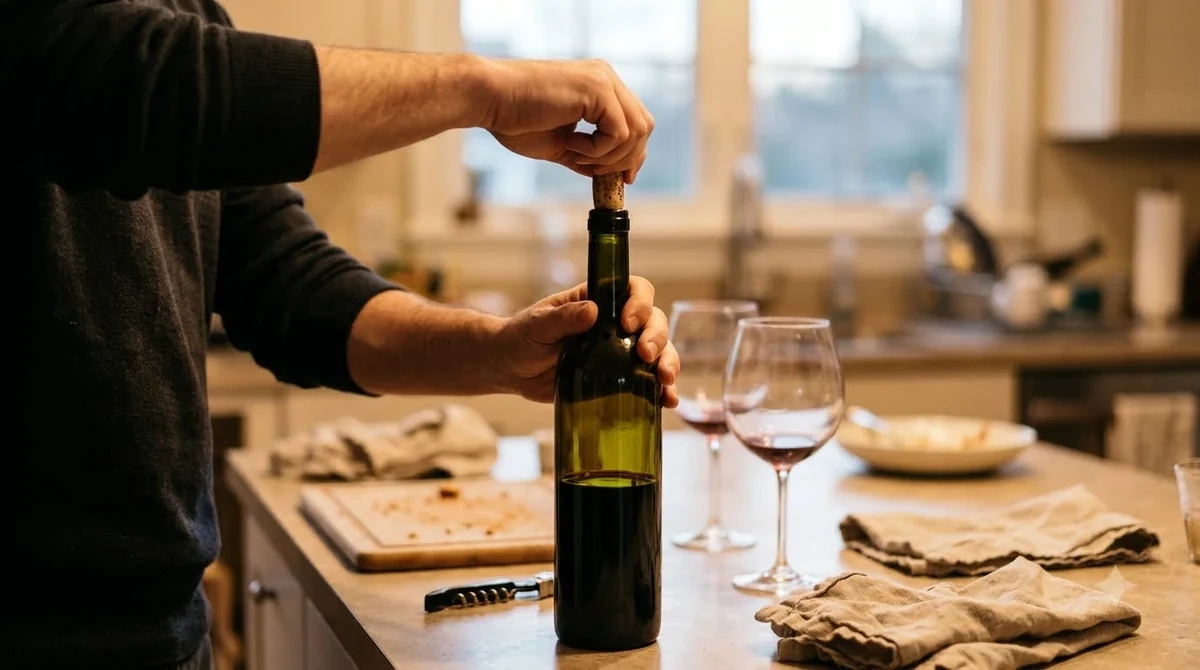
Give bigger reds time to open. Pour a Cabernet into a large-bowled glass about 30 minutes before the meal, or decant it if the bottle is young. Serve it at cellar temperature rather than warm, since heat can make the alcohol feel sharper and hide the fruit. A Merlot is a little more forgiving and works well slightly cooler than a Cabernet.
If you are opening a bottle for a group, pour a small taste first and let it sit in the glass for a few minutes. The wine often changes noticeably as it warms and the aromas open, which is one reason the same bottle can taste different from the first pour to the last.
Food pairing for Napa reds
Cabernet Sauvignon pairs naturally with grilled steak, lamb chops and dishes built on rosemary and garlic. Its tannins cut through fat, which is why it works so well with rich cuts of meat. Aged hard cheeses like aged cheddar or Parmigiano-Reggiano bring out the wine’s savory side.
Merlot is the gentler partner. It suits roast chicken, pork tenderloin, mushroom pasta and lighter tomato-based dishes. For a mixed table, keep the bigger Cabernet for the main course and the softer Merlot for the dishes that come before.
How to choose a Cakebread red
Start by deciding how you want to drink the wine. If you plan to hold a bottle for a special dinner, a Cabernet with a strong label and clear vintage notes is the better choice. For an everyday red or a gift to a friend who likes softer wines, a Merlot is easier to open and enjoy.
Compare the vintage and the appellation on each bottle, and read the winery’s notes on the grape and region. For a closer look at the winery’s white side, our Cakebread white wine guide covers the other end of the lineup. If you want to compare with brands from other regions, the wine brands guide is a good next stop.
Rutherford’s reputation comes from a combination of soil, sun and a long growing season. Napa Valley’s red wines are known for ripe fruit and firm structure, and that style is what most people look for in a Cabernet from the area. When you compare Cakebread with other Napa producers, pay attention to the appellation on the label, since a Rutherford bottle and a Howell Mountain bottle can taste different even from the same winery.
Howell Mountain sits higher than much of the valley floor, and its hillside vineyards are often described as producing wines with firm tannins and concentrated fruit. That is a general pattern for elevated sites in Napa, not a guarantee for any single bottle, but it helps explain why a Dancing Bear Ranch Cabernet can show a different character from a valley-floor blend.
Cabernet from Napa often benefits from bottle age, though not every bottle needs it. A young Cabernet with firm tannins can soften over several years in a cool cellar, while a Merlot is generally ready to drink sooner. Check the vintage and the winery’s recommendations on the label or site before deciding whether to open a bottle now or hold it.
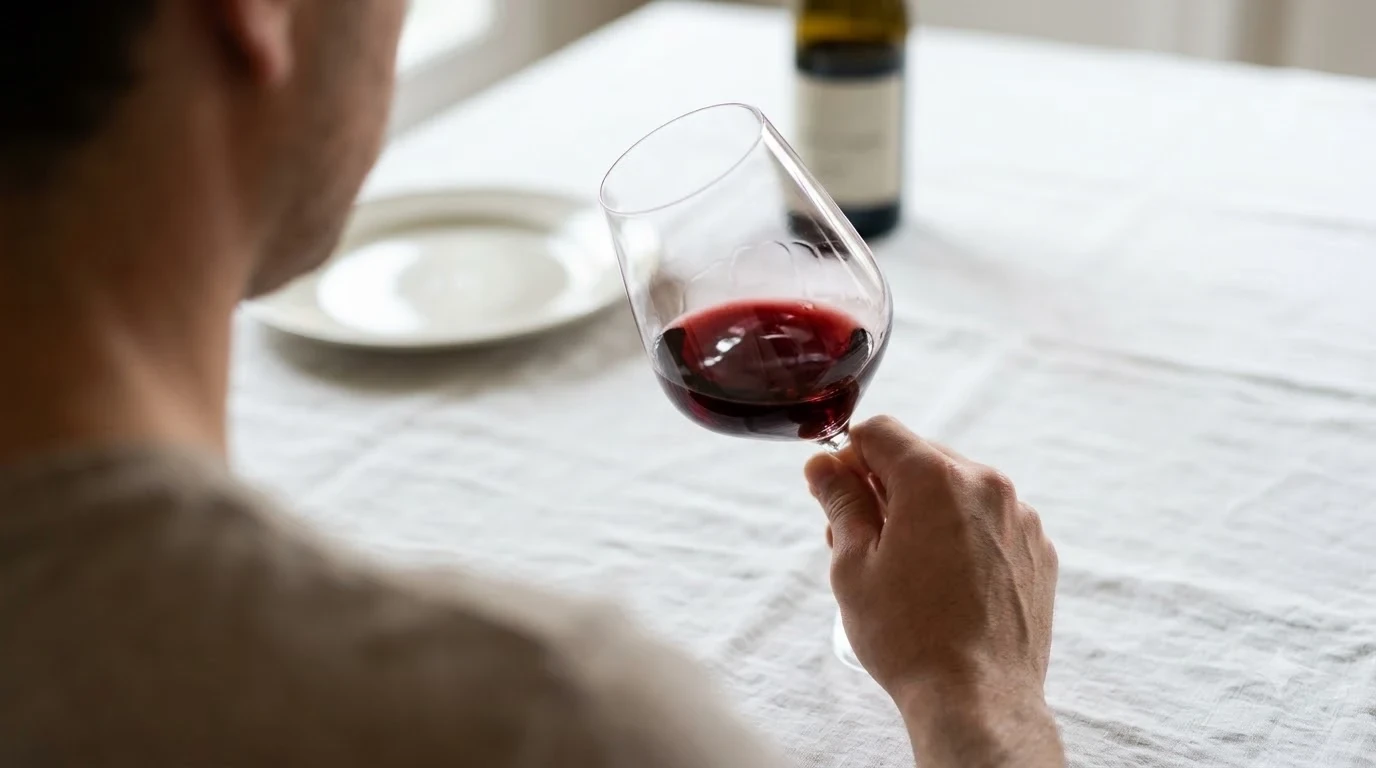
Glassware matters more than people expect. A large bowl lets the wine breathe and concentrates the aromas near the rim, which helps you pick up the dark fruit, cedar and spice notes common in Napa reds. Swirl gently, sniff, and then taste, so you can follow how the wine changes over the course of the meal.
For a special dinner, buy the bottle a few weeks ahead and store it on its side in a cool, dark place. Avoid kitchen counters and cabinets near the stove, since temperature swings can age wine faster than you intend.
Reading a label well takes a minute and pays off. Look for the vintage, the appellation, the grape or blend, and the producer’s note on the vineyard or bottling. A bottle that names a specific vineyard or ranch tells you more about where the grapes came from than a general regional name alone, so those details are worth comparing when you choose between two bottles at the same price point.
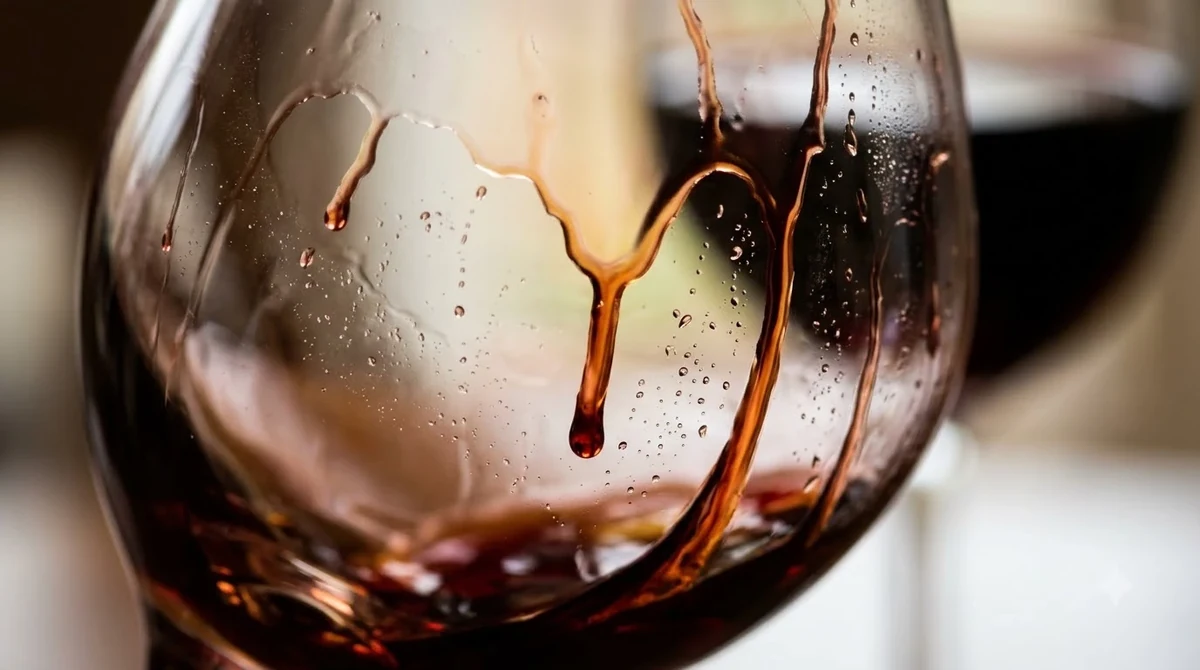
Tannin is the grip you feel on the gums and tongue, and it is most noticeable in young Cabernet. It softens as the wine ages, and fatty food helps balance it at the table. That is one reason the same bottle can feel harsh with a salad and smooth with a steak, so match your food to the wine’s structure rather than the other way round.
Frequently Asked Questions
When did Cakebread Cellars start making wine?
The winery’s site says it began with its first vintage in 1973. It was founded by Jack and Dolores Cakebread in Rutherford, Napa Valley.
Where is Cakebread Cellars located?
The winery is on St Helena Highway in Rutherford, in the heart of Napa Valley, California. Rutherford is a well-known district for red wine.
What red wines does Cakebread make?
The home page highlights Dancing Bear Ranch Cabernet Sauvignon from Howell Mountain and shows a Merlot in its red collection. Check each label for the exact bottling and vintage.
Should Cakebread red wine be decanted?
Young, large-bodied Cabernets often benefit from 30 minutes of air or a short decant. Older bottles usually need gentler handling, so open them closer to serving time.
Cakebread red wine rewards a little patience. Open the bottle early, pour it at cellar temperature, and match the Cabernet to rich food and the Merlot to lighter dishes.
More in Wine Brands
 Underwood Wine Price: Compare Bottles, Cans, and Pack SizesUpdated Nov 21, 2026
 Zenato Wine Price: Compare Styles and Choose the Right BottleUpdated Nov 21, 2026
 Zuccardi Wine Price: Compare Bottles and Find the Right RangeUpdated Nov 21, 2026
 Yellow Tail Moscato Review: Taste, Sweetness and Serving TipsUpdated Nov 21, 2026
 Wolf Blass Yellow Label Review: Choose Your Best StyleUpdated Nov 21, 2026
 Wolffer Estate Rose Review: Choose the Right Bottle for Your TableUpdated Nov 21, 2026