

We may earn a commission when you buy through links on this page, at no extra cost to you. Learn more.
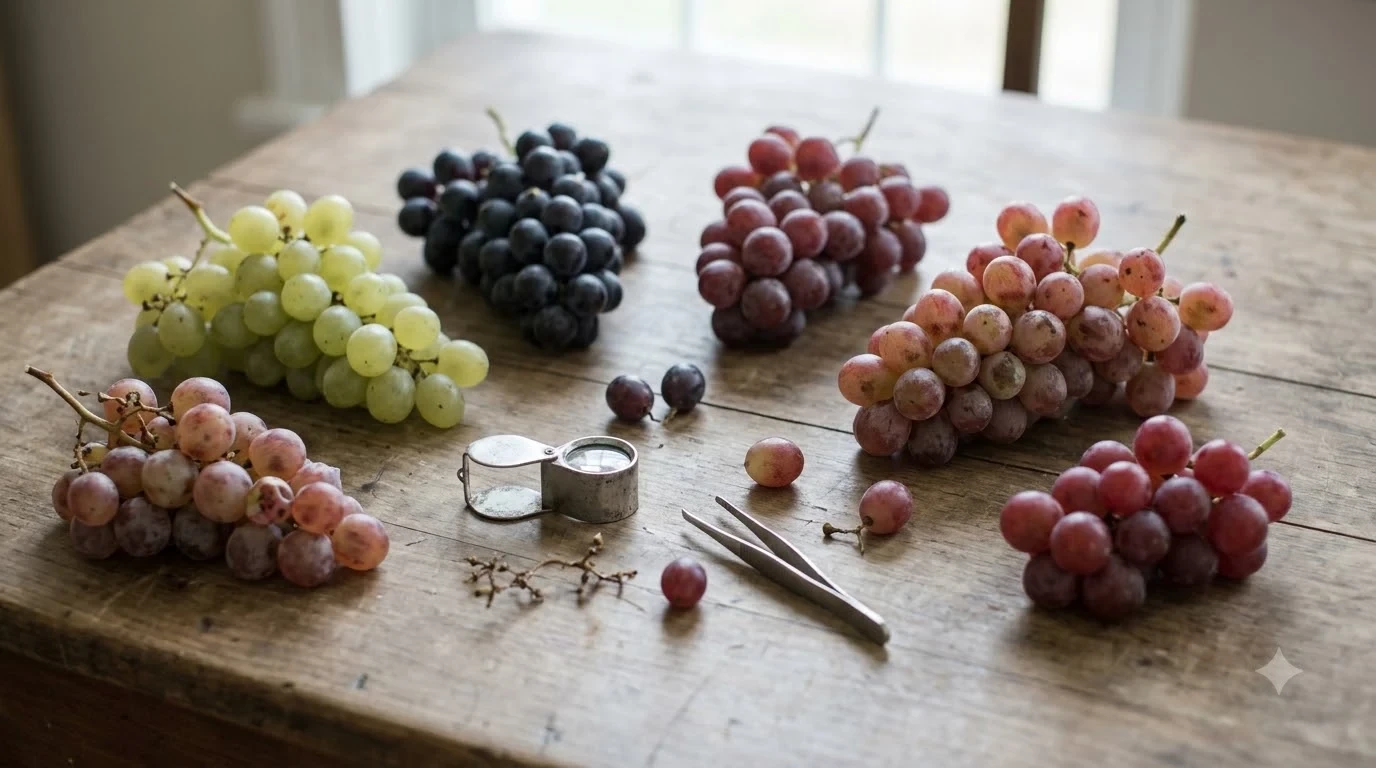
What is pais? Pais is the Chilean name for the Spanish grape Listán Prieto, used to make dry, tart red wines with medium-high tannin. Wine Folly describes its flavors as cherry, grape, anise, cured meat and sage. Pais is a grape rather than a single style of wine, and it is used for both everyday bottles and reds from old vines.
Pais is one of those names that appears on a label and leaves most American drinkers guessing. It sounds like a region or a brand, but it is actually a grape variety with a long history in Chile and a shared origin in Spain. This guide explains what pais is, what its wines taste like, and how to serve and pair them.
What pais actually is
Pais is the Chilean name for Listán Prieto, a red grape that Wine Folly’s grape profile identifies as Spanish in origin. The page does not go deep into the grape’s history, but the naming makes the connection clear: the same variety came to Chile and took on a local name there. If you see País on a Chilean label, you are looking at the grape that is known as Listán Prieto in Spain.
This matters because pais is not a region, a winery or a brand. It describes what is in the glass. When you buy a bottle, the grape name tells you what to expect in flavor and structure, even when the producer and the valley are unfamiliar. That is why learning a few grape names, including pais, is useful for reading wine labels.
The flavor of pais wine
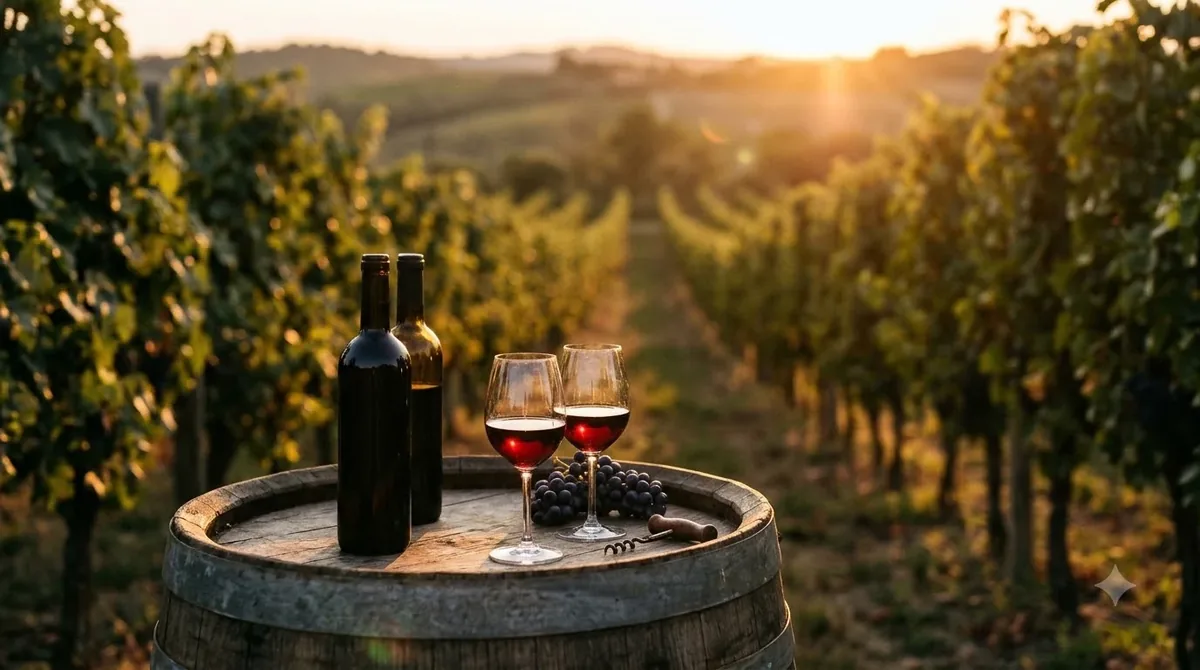
The flavors of pais are savory and fruit-driven at the same time. Wine Folly lists cherry and grape as the main fruit notes, with anise, cured meat and sage adding an herbal, savory layer. The combination makes pais feel more like a Mediterranean red than a plush New World bottle.
The wine is bone-dry, so there is no residual sugar to soften the fruit. Its tannin is medium-high, which gives the wine a firm, slightly drying finish, and its acidity is medium-low. The result is a red that is tart and structured rather than soft or sweet, which is a useful reference point if you are used to plush fruit reds.
Body, tannin and alcohol
Pais has a medium body, sitting between a light Pinot Noir and a fuller Cabernet. Wine Folly gives the alcohol range as 11.5 to 13.5 percent ABV, which is moderate for a red and keeps the wine feeling lively rather than heavy. The tannin provides the main grip, so the wine tends to taste firmer on the palate than its body suggests.
Because tannin is the most noticeable structural element, the wine rewards a little time before serving. Decanting helps the tannins soften, and a slightly cooler serving temperature keeps the fruit from tasting overly ripe. Expect a dry finish with savory notes rather than a sweet, lingering fruit.
Where pais is grown and how it is made today
Pais has long been grown in Chile, and Wine Folly notes that quality-minded natural winemakers are now making reds from old pais vines. Those old vines often produce small yields, which concentrates the flavor and gives the wine a more distinct character than the everyday bottles of earlier decades.
In Spain, the same grape is known as Listán Prieto, so the name on a bottle can change depending on the country. The flavor profile Wine Folly describes applies to the grape itself, but ripeness and winemaking will still vary from one producer to the next. When you choose a bottle, look for the producer’s notes on vine age and vineyard site, since those details shape the final taste more than the name alone.
How to serve pais
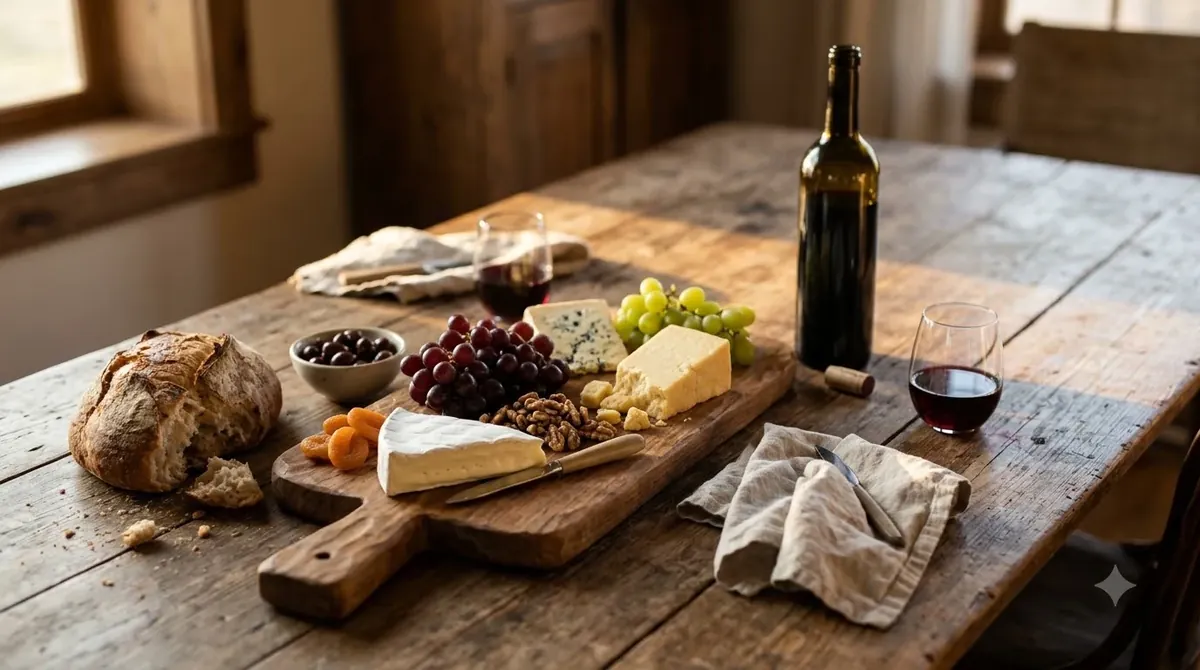
Wine Folly recommends serving pais at 55 to 60°F (12 to 15°C) in a universal glass. That is cooler than many people expect for a red, and it helps keep the tannins from feeling harsh and the fruit from tasting cooked. A brief stay in the refrigerator before pouring is often enough.
Decanting for about 30 minutes is recommended, especially for younger bottles with firm tannin. Pais can be cellared for one to three years, according to the same source, so it is best enjoyed in the years following its release rather than laid down for a long time.
Tip: If a pais tastes too sharp or dry, decant it for 30 minutes and serve it with food. Tannin softens noticeably when the wine is paired with protein and fat.
Food pairing with pais
Wine Folly recommends a Mediterranean approach to pais. It suits Spanish tapas, Greek meze, fatty fish, duck, chicken or goose, and mushroom dishes. Those foods share savory notes with the wine, and their fat and protein soften the tannin.
Simple grilled vegetables are another good match, especially with herbs such as sage or oregano. For a home meal, try roast chicken with lemon and herbs, or a plate of charcuterie with olives and bread. Dishes built around fresh herbs and olive oil tend to suit it better than sweet barbecue sauces.
Pais compared with other reds
Pais is often compared with Pinot Noir and Grenache. Pinot Noir is typically softer and more floral, while pais has firmer tannin and more savory character. Grenache tends to be riper and richer, so pais can feel leaner by comparison. Those differences make pais a good choice for diners who want a red that works with food rather than dominating it.
Compared with Malbec, pais is drier and less plush. Malbec leans into dark fruit and vanilla from oak, while pais shows cherry, anise and herbs with a more austere finish. If you enjoy the structure of a well-made Malbec, pais can be an interesting next step.
Buying and storing pais wine
When you shop for pais, the label is the first place to look. Check for the grape name, the country and the producer’s notes on vine age. Because pais is less common on American shelves than Malbec or Pinot Noir, a shop staff member can often tell you which bottles are young and fresh and which come from older vines with more depth.
Storage follows the usual rules for dry reds. Keep the bottle away from heat and direct light, and store it on its side if it has a cork. Since Wine Folly suggests a cellaring window of one to three years, buy bottles you plan to drink in the next season or two rather than keeping them for a long time.
Once opened, a dry red like pais keeps for a few days when it is recorked and refrigerated lightly. Let it come up to serving temperature before pouring, since a bottle that is too cold can taste tighter than it really is.
Frequently Asked Questions
Is pais a region or a grape?
Pais is a grape. In Chile, País is the local name for the Spanish variety Listán Prieto. You may also see the name on Chilean wines, where it refers to the grape used in the bottle.
Is pais the same as Listán Prieto?
Yes. Wine Folly identifies pais as the Chilean name for Listán Prieto. The two names describe the same red grape, one used in Chile and the other in Spain.
Is pais a sweet wine?
No. Pais is bone-dry, with medium-high tannin and medium-low acidity. It tastes tart and savory rather than sweet.
How long should you keep a bottle of pais?
Wine Folly suggests cellaring pais for one to three years. Most bottles are best enjoyed within that window, and older vines from good producers may reward a bit more patience.
Pais is worth trying if you want a dry, savory red that pairs well with food. Start with a young Chilean bottle, decant it briefly, and serve it with grilled meats, tapas or a simple vegetable plate. To read more about the same grape, see pais wine, and for a broader view of styles, browse Wine by Type.
More in Wine Types & Grapes
 Zinfandel Sugar Content: Dry Red vs. White Zinfandel GramsUpdated Nov 21, 2026
 Best Zinfandel Substitute Options for Sipping and CookingUpdated Nov 21, 2026
 Zweigelt Food Pairing: Best Dishes, Cheeses, and Serving TipsUpdated Nov 21, 2026
 Zinfandel Tannins Explained: How Structure Shapes Every BottleUpdated Nov 21, 2026
 Zinfandel Sweetness Level: Dry Red vs. Sweet White Zin ExplainedUpdated Nov 21, 2026
 Xinomavro Food Pairing: Best Dishes, Styles, and Serving TipsUpdated Nov 21, 2026