

We may earn a commission when you buy through links on this page, at no extra cost to you. Learn more.
Pais wine is a dry red made from the País grape, the name used in Chile for the Spanish variety Listán Prieto. The wines are usually medium-bodied, with cherry and grape flavors, notes of anise and sage, and medium-high tannin. For a long time the grape was used mostly for bulk rosé, but quality-minded winemakers now make tart, structured reds from old País vines.
Pais is one of those grapes that many wine drinkers have never heard of, even though it has a long history in South America and a strong link to Spain. If you see the name on a Chilean label, or a bottle described as Listán Prieto from elsewhere, you are looking at the same family of wines. This guide explains where the grape comes from, what its wines taste like, how to serve them, and what to look for when you buy.
What Pais Wine Is and Where the Name Comes From
According to Wine Folly’s País grape profile, the name is the Chilean one for the Spanish grape Listán Prieto. The same vine appears under different names depending on where it is grown, which is why a single grape can show up on labels in very different ways.
The grape has been used for a range of wine styles, from simple everyday bottles to more serious reds. That range is part of its appeal. The same vine that once filled large volumes of pale wine can, in the right hands and from old vines, produce a red with real structure and character.
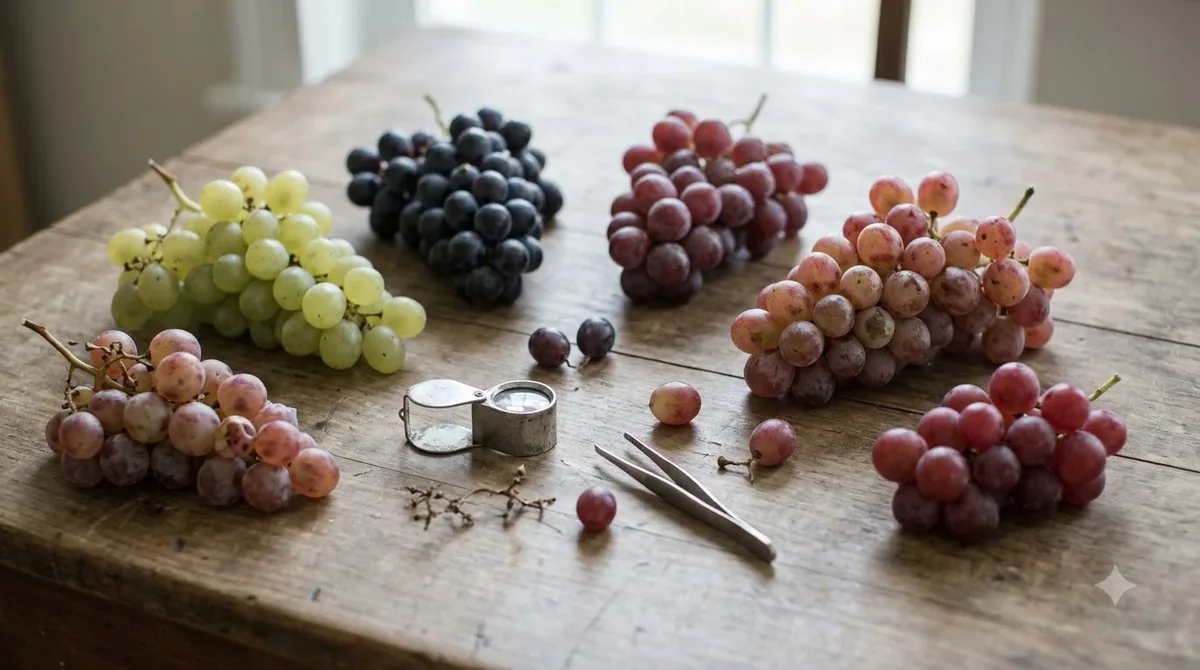
For most of its history the grape was valued for quantity rather than quality. That has begun to change as growers focus on older vineyards and more careful winemaking, and the grape is now getting attention from people who want something different from the familiar red varieties.
Flavor Profile and Typical Style
Pais wines are usually bone-dry, with a medium body, medium-high tannin, and medium-low acidity. Their alcohol level typically falls between 11.5 and 13.5 percent, which keeps the wine in a moderate range for a red.
The flavors most often mentioned are cherry and grape, with anise and cured meat notes and a savory herbal edge from sage. The tannin gives the wine grip, so it can feel firm at first, especially when the bottle is young. That firmness is one reason many producers recommend giving the wine some time before you drink it.
Tannin is the element that most shapes how Pais feels in the mouth. It gives the wine a dry, slightly grippy finish that pairs well with fat and protein, the same way tannin works in many other reds. The wine’s medium-low acidity means it leans on that tannin for structure, so the mouthfeel can seem firmer than the fruit alone would suggest. Drinkers who like a smooth, soft red may want to choose a younger, fresher bottle at first.
Because tannin and acidity balance in different ways across producers, two bottles of Pais can taste quite different. A younger wine may feel brighter and more fruit forward, while an older or more carefully structured bottle can taste deeper and more savory.
Why Pais Was Once Used for Rosé
Pais has a long record as a grape for bulk wine, including pale rosé. Growers often used it where yields were high and the aim was volume, so the fruit was not always the focus of the vineyard.
That history explains why many drinkers still associate the grape with simple wine. Today, quality-minded winemakers are rethinking the variety. They work with older vines, aim for lower yields, and make red wines that show more concentration and a firmer structure. The change is gradual, but it has given the grape a new reputation.
If you want to see how one grape’s reputation can shift over time, compare Pais with the story of black muscat wine, which takes a very different path from grape to glass. For the name itself, see what is Pais.
How to Serve Pais Wine
Pais is best served slightly cool rather than at room temperature. A serving range of about 55 to 60 degrees Fahrenheit (12 to 15 degrees Celsius) helps keep the fruit bright and softens the tannin enough to make the wine easier to drink.
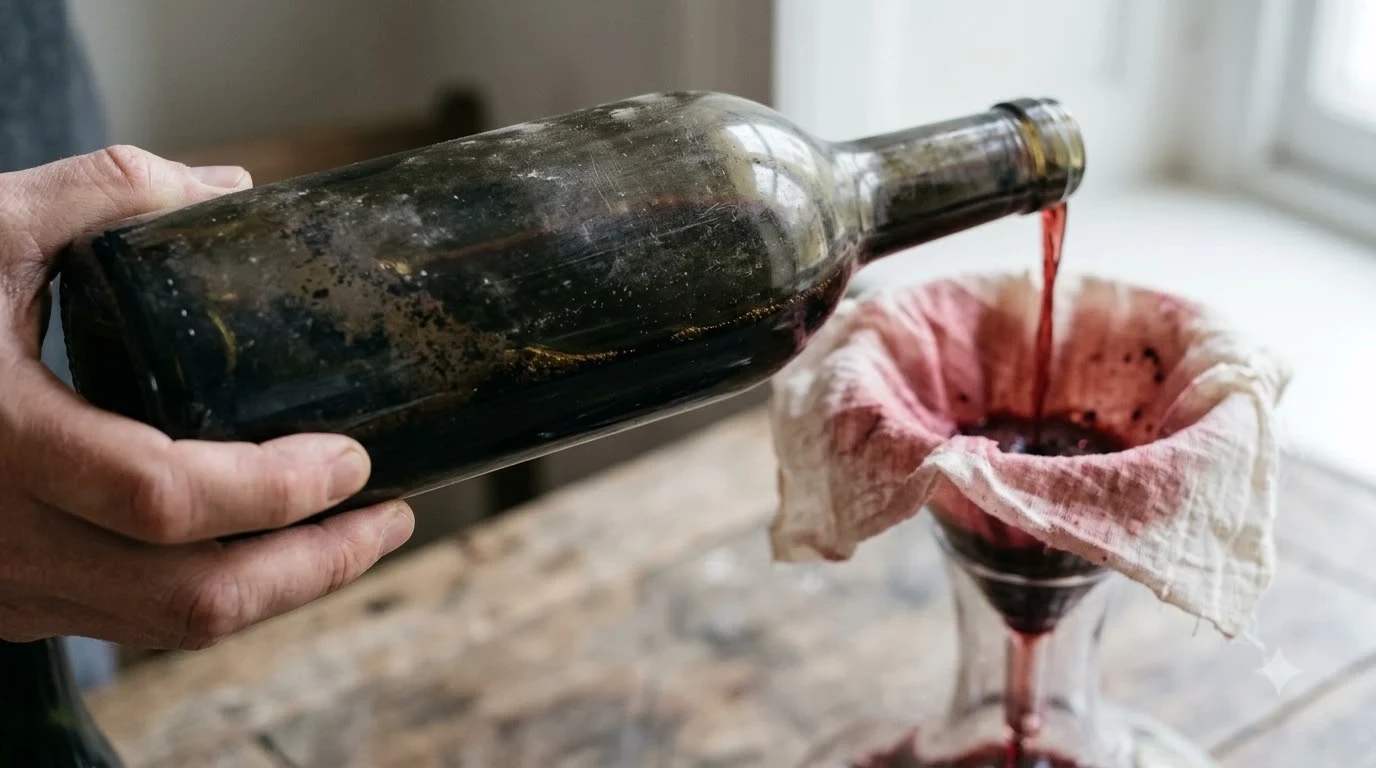
Decanting is worth considering for a firmer bottle. Wine Folly suggests decanting for about 30 minutes, which gives the wine a chance to open up and show more aroma. Use a universal wine glass so you can judge both the fruit and the finish.
Tip: If the wine tastes tight or closed, let it sit in the glass for a while before deciding. The tannin often softens as the wine opens.
Food Pairing for Pais Wine
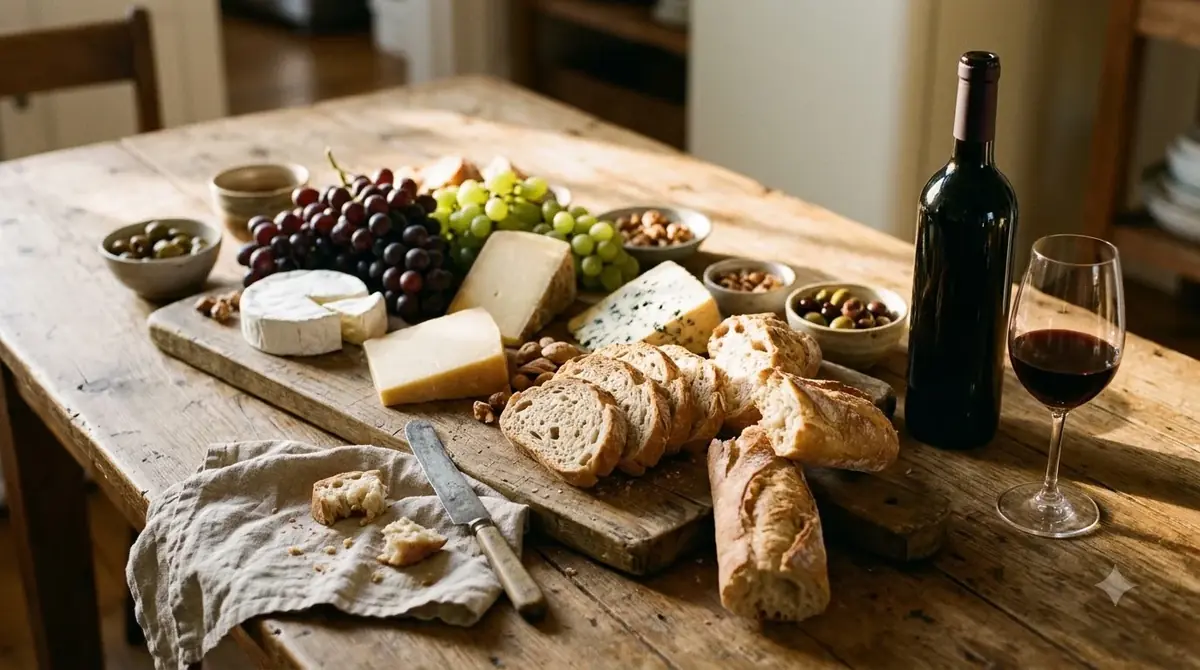
Pais pairs well with food that matches its savory side. Mediterranean dishes are a natural fit, including Spanish tapas, Greek meze, and grilled vegetables. The wine also works with richer proteins such as duck, chicken, and goose, along with mushroom dishes and fatty fish.
The cured meat and herb notes in the wine make it a good partner for charcuterie and for dishes with rosemary, thyme, or sage. Because the acidity is not especially high, pick foods with some fat or grill char to balance the tannin rather than very sharp, acidic dishes.
How to Choose a Bottle of Pais
Read the back label for signs of how the wine was made. Terms such as old vines, reserve, or single vineyard tell you the producer is focused on a particular site or a more concentrated style, while a generic label usually points to an everyday bottle meant for early drinking. Neither style is better by default. The right choice depends on whether you want something fresh for a weeknight or a firmer red for a longer meal.
When you shop, look at the vintage and the producer’s description. Wines made from older vines are often labeled that way, and they tend to show more depth than entry-level bottles. Check whether the wine is described as young or aged, since that affects how long it should rest before you open it.
| Style | What to expect | Good with |
|---|---|---|
| Young, fruit-forward Pais | Bright cherry and grape, firm tannin | Tapas, grilled vegetables |
| Structured Pais from old vines | Deeper flavor, savory notes, more texture | Duck, roasted chicken, mushrooms |
| Pais from a rosé style | Lighter, fresher, lower tannin | Light salads, fish |
Frequently Asked Questions
What is Pais wine?
Pais wine is a dry red made from the País grape, which is the Chilean name for Listán Prieto. The wine is usually medium-bodied with bright cherry fruit and medium-high tannin.
Is Pais the same grape as Listán Prieto?
Yes, País is the Chilean name for the Spanish grape Listán Prieto. The name changes with the region, but the vine is the same.
Should I decant Pais wine?
Decanting for about 30 minutes can help, especially for a young or firm bottle. It lets the wine open up and softens the first impression of tannin.
How long can Pais be cellared?
Wine Folly suggests cellaring Pais for about one to three years. Older vine examples may take longer to show their full character, so check the producer’s guidance on each bottle.
Pais wine is a grape with a second chance. Its cherry fruit, savory edge, and firm tannin make it a good match for Mediterranean food, and the best bottles show how much depth an older vineyard can give. If you want to keep exploring, the Wine by Type guide compares red and white varieties side by side.
More in Wine Types & Grapes
 Zinfandel Sugar Content: Dry Red vs. White Zinfandel GramsUpdated Nov 21, 2026
 Best Zinfandel Substitute Options for Sipping and CookingUpdated Nov 21, 2026
 Zweigelt Food Pairing: Best Dishes, Cheeses, and Serving TipsUpdated Nov 21, 2026
 Zinfandel Tannins Explained: How Structure Shapes Every BottleUpdated Nov 21, 2026
 Zinfandel Sweetness Level: Dry Red vs. Sweet White Zin ExplainedUpdated Nov 21, 2026
 Xinomavro Food Pairing: Best Dishes, Styles, and Serving TipsUpdated Nov 21, 2026