

We may earn a commission when you buy through links on this page, at no extra cost to you. Learn more.
Is chianti sweet or dry? Chianti is a dry red wine. It is made mostly from the Sangiovese grape, which produces wines with very little residual sugar. Most bottles taste savory and sour-edged, with bright cherry fruit, firm tannins, and medium-high acidity. Some younger bottles have a fruity feel that can seem softer, but the wine itself is not sweet.
Chianti is one of the most recognized Italian wines, and many drinkers see the flask-style bottles and assume the wine is light or sweet. That image is misleading. This guide explains how chianti is made, why it tastes dry, and what to look for if you want a softer style on the table.
What makes chianti a dry wine
Dry wine means the fermentation has turned nearly all of the grape sugar into alcohol, leaving little residual sugar in the bottle. Chianti is produced that way. The wine is made from Sangiovese, a grape that Wine Folly describes as bone-dry, and most producers ferment it fully to dryness so the bright red fruit and firm structure stay in focus.
Sweetness in a glass depends on residual sugar, not on how fruity the wine tastes. Chianti has ripe cherry and plum flavors, which can seem warm and round to a newcomer, but the sugar content is still very low. A dry wine can taste fruity without tasting sweet.
The grape behind chianti
Sangiovese is the core of chianti. The wine is produced principally from this grape, and the rules that govern the DOCG have long required a large share of Sangiovese in the blend. The Wikipedia entry on chianti describes the blend as 75 to 100 percent Sangiovese in recent decades, with the rest often made up of other local red varieties. Those rules have changed over time, so the exact share can differ between bottles from different years.
Because Sangiovese is such a central part of the wine, the style comes from both the grape and the place. Wine Folly’s Sangiovese guide notes medium-high acidity and medium-high tannin, which explains the grip and freshness you notice in most chianti. Those features are what make the wine taste dry and firm rather than sweet.
Chianti Classico and other styles
Chianti Classico comes from a historic core area in Tuscany, and the wines are generally more structured than basic chianti. The Wikipedia article describes Chianti Classico as tending toward medium body with firm tannins and medium-high to high acidity. These bottles often show more depth of cherry and earth, and they age well for several years.
Basic chianti from the wider zone can be lighter and easier to drink young. Riserva bottles are aged longer and usually taste more complex. None of these styles is sweet. The differences come from ripeness, oak, and aging, while the dryness stays the same across the category.
Flavor and texture you can expect
Most chianti shows sour cherry, red plum, dried herbs, and a touch of leather or earth as it ages. Acidity keeps the wine lively with food, and tannin adds a drying finish. Young bottles can taste more fresh and fruity, while older ones often feel smoother and more savory.
The fruit can be warm and generous in a good vintage, which is one reason people sometimes misread the wine as sweet. A ripe chianti from a warm year still lands dry, because the sugar has been fermented out and the acidity keeps the finish clean.
| Style | Typical body | Acidity and tannin | Sweetness |
|---|---|---|---|
| Basic chianti | Light to medium | Medium-high acidity, medium tannin | Dry |
| Chianti Classico | Medium | Firm tannin, medium-high to high acidity | Dry |
| Chianti Riserva | Medium to full | Firm tannin, aged for more depth | Dry |
| Young fruity chianti | Light to medium | Brighter acidity, softer tannin | Dry, but fruit-forward |
How to serve chianti
Serve chianti at about 60 to 68 degrees Fahrenheit, or 15 to 20 degrees Celsius. That range is close to the temperature the Wine Folly guide recommends for Sangiovese, and it keeps the fruit clear while preserving the acidity. A slightly cool bottle tastes crisper, while a very warm one can taste heavy and alcoholic.
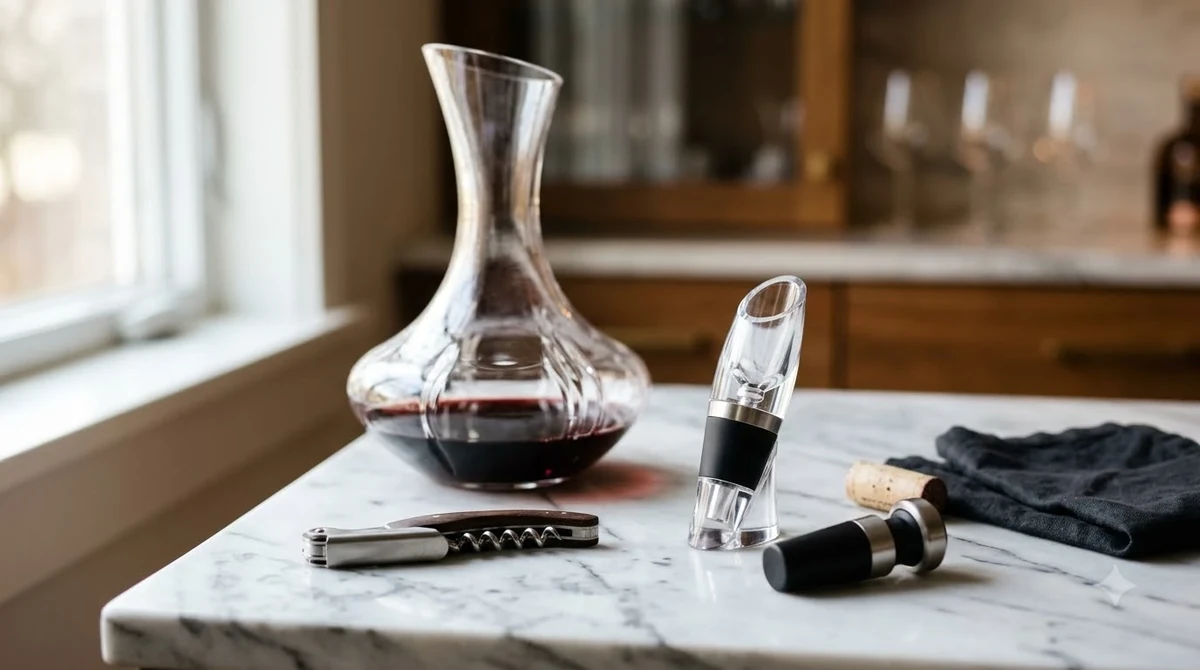
Young chianti benefits from a short decant or a few minutes in the glass, which softens its tannin. Older bottles with sediment should be poured carefully and do not need much air. If you are curious about chilling the wine for a summer meal, a short stay in the fridge can help. For more detail, see should chianti be chilled.
Pairing chianti with food
Chianti’s acidity makes it a strong partner for tomato sauce, grilled sausage, roast chicken, and aged Italian cheeses. The tannin works well with fatty meats, while the fruit suits herbs and olive oil. A dry chianti will taste harsh with very sweet desserts, so it works better with savory courses.
For a simple match, pair a Chianti Classico with pasta in a tomato sauce or a plate of bistecca. A younger, fruitier bottle is a good choice for pizza, bruschetta, or a casual cheese board.
Glassware matters a little too. A medium-sized glass with a rounded bowl gives the aromas room to open, and it lets you swirl the wine without spilling. Chianti is rarely served in a flute or a tumbler, because the shape helps the sour-cherry notes come forward and keeps the tannin from feeling too sharp on the first sip.
How to choose a dry-tasting chianti
If you prefer a softer style, look for a younger bottle from a warm year and check the producer’s description. A wine labelled as Riserva or Classico will usually be firmer, while a basic chianti from a fruit-forward producer may feel rounder. Price and label words do not reveal sugar content, so the simplest guide is the producer’s own tasting note, which usually says whether the wine is dry.
Avoid assuming that a fruity nose means sweetness. The best test is to taste a small amount and check the finish. Dry chianti leaves a clean, slightly tart edge, while a wine with residual sugar tends to coat the mouth and linger.
Common myths about chianti
One myth is that chianti is always cheap and simple. Basic bottles are everyday wines, but the category also includes firmer Classico and Riserva styles with real structure. Another myth is that the straw-covered bottles mean sweetness. Those bottles are a traditional packaging style and tell you nothing about sugar content.
A third myth is that a fruity wine must have residual sugar. Ripe Sangiovese can show cherry and plum flavors that read as sweet, especially in a warm year. The sugar is fermented out, and the tannin and acidity keep the finish dry. When you taste chianti, pay more attention to the grip and the acid than to the fruit alone.
Frequently Asked Questions
Is chianti a sweet wine?
No. Chianti is a dry red made mostly from Sangiovese. Fermentation leaves very little residual sugar, and the wine is known for medium-high acidity and firm tannins.
Is chianti dry or semi-dry?
Standard chianti is dry. Some younger, fruit-forward bottles taste softer, but they are still dry in the technical sense.
What is the difference between chianti and Chianti Classico?
Chianti Classico comes from a historic core area in Tuscany and is usually more structured. Both styles are dry red wines.
Does chianti go well with fish?
It is better with red meat, tomato dishes, and aged cheese. Tannin and acidity can clash with delicate fish, so a white wine is usually a better choice there.
Chianti is a dry, food-friendly red built around Sangiovese. Its sweetness comes from ripe fruit rather than sugar. To compare it with other reds, read is cabernet sauvignon sweet or dry or go back to Wine by Type to see the other common styles.
More in Wine Types & Grapes
 Zinfandel Sugar Content: Dry Red vs. White Zinfandel GramsUpdated Nov 21, 2026
 Best Zinfandel Substitute Options for Sipping and CookingUpdated Nov 21, 2026
 Zweigelt Food Pairing: Best Dishes, Cheeses, and Serving TipsUpdated Nov 21, 2026
 Zinfandel Tannins Explained: How Structure Shapes Every BottleUpdated Nov 21, 2026
 Zinfandel Sweetness Level: Dry Red vs. Sweet White Zin ExplainedUpdated Nov 21, 2026
 Xinomavro Food Pairing: Best Dishes, Styles, and Serving TipsUpdated Nov 21, 2026