

We may earn a commission when you buy through links on this page, at no extra cost to you. Learn more.
Duckhorn white wine comes mainly from the Duckhorn Wine Company’s Napa Valley estate, which lists Chardonnay and Sauvignon Blanc among its white varietals. The company was founded in 1976 as The St. Helena Wine Company and is known in the United States for its red wines, but its white releases follow the same focus on fruit, balance and food-friendly structure. The Decoy brand, part of the same portfolio, also makes white, rosé and sparkling wines at a more approachable level.
This guide explains what Duckhorn white wine is, how the main styles differ, how to serve them and which bottle fits a dinner, a holiday table or a casual evening. It is written for buyers who know the Duckhorn name from red wine and want to understand the white side of the range.
Where Duckhorn White Wine Comes From
The company traces its start to 1976, when Daniel and Margaret Duckhorn began the business with eight co-investors under the name The St. Helena Wine Company. The main winery is in St. Helena, in the Napa Valley, and the brand’s own website describes the estate as “rooted in Napa Valley” and marks the year 1976 as the start of its winery story.
Duckhorn’s white wines come from more than one growing area. The company’s portfolio draws grapes from California and Washington State, and the choice of vineyard is what shapes the difference between one bottle and another. A Napa Chardonnay will taste different from a cooler-climate Sauvignon Blanc, and checking the appellation on the label tells you more about the wine than the brand name alone.
The Main White Varietals in the Duckhorn Range
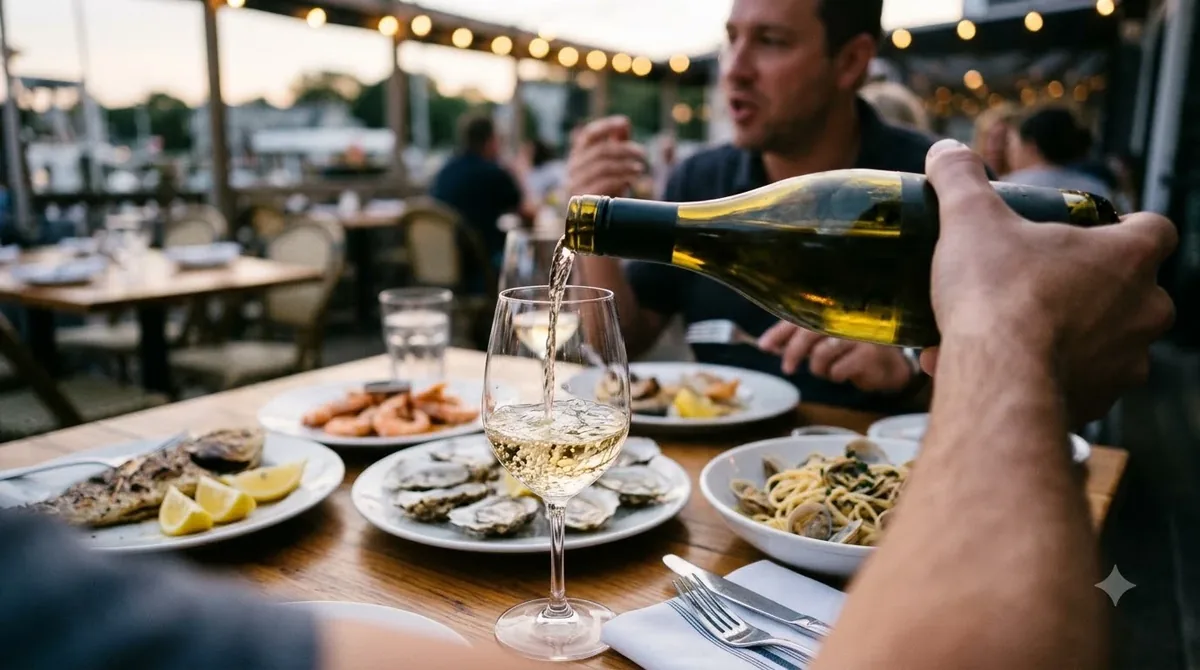
Chardonnay and Sauvignon Blanc are the two white varietals the company highlights on its website, and they cover the two most common choices for white wine drinkers. Chardonnay tends to be richer and more textured, while Sauvignon Blanc is usually lighter and more aromatic. The comparison below sets out what to expect from each style.
| Style | Typical character | Works well with | Serve |
|---|---|---|---|
| Chardonnay | Fuller body, creamy texture, stone fruit and oak-influenced notes | Roast chicken, creamy pasta, salmon | Chilled but not cold |
| Sauvignon Blanc | Lighter body, bright acidity, citrus and herbal notes | Salads, goat cheese, seafood | Well chilled |
| Decoy white range | Approachable, fruit-forward styles from the same portfolio | Casual dinners and gatherings | Chilled |
The table is a general guide rather than a list of tasting notes for any one vintage. Duckhorn’s own pages do not give detailed tasting notes or serving temperatures for its white wines, so the descriptions above reflect the general profile of each varietal and how it is usually enjoyed.
How Chardonnay and Sauvignon Blanc Differ
Chardonnay is the more versatile of the two for a dinner table because its weight can stand up to richer food. When it is aged partly in oak, it can show toasty and vanilla notes, and when it is made with less oak, it reads cleaner and fruitier. Buyers who want a white that feels closer to a red in body often choose a Chardonnay for that reason.
Sauvignon Blanc is the brighter option. Its acidity keeps it crisp, and its aromatic character suits warm weather, outdoor meals and dishes with fresh herbs. It is generally a good choice when you want something light and refreshing rather than a full-bodied wine with a long finish.
How to Serve Duckhorn White Wine
Serving temperature has a big effect on how a white wine tastes. A Chardonnay opened straight from a very cold refrigerator can taste sharp and closed, so letting it sit for a few minutes before pouring usually brings out more fruit and texture. A Sauvignon Blanc is generally best served colder, because the cooler temperature keeps its acidity lively and its aromas clear.
Use a standard white wine glass with a moderately wide bowl. The shape directs the aromas toward the nose and keeps the wine from warming too fast. Once opened, a white wine should be recorked and refrigerated, and most bottles are best finished within two to three days, although a well-sealed Chardonnay can keep a little longer.
The company’s website includes a holiday hosting guide, and its photography shows Chardonnay on a holiday table. That suggests the brand sees its whites as a dinner-table wine, and a serving plan built around the meal makes more sense than opening a bottle at random.
Food Pairings for Duckhorn White Wine
Chardonnay works with dishes that have some richness, such as roast poultry, creamy sauces, mushroom risotto and salmon. It also pairs with lightly smoked foods, because the wine’s texture can hold up to them without overpowering the flavor. For a holiday meal, a Chardonnay bridges the gap between the lighter first courses and the heavier main dishes.
Sauvignon Blanc is the better choice for salads, goat cheese, shellfish and anything that uses fresh herbs such as basil, dill or mint. It also works as an aperitif and suits meals that begin with citrus or vinaigrette-based starters. If the meal is spicy, Sauvignon Blanc is often easier to match than a heavily oaked Chardonnay.
How to Choose a Duckhorn White Wine
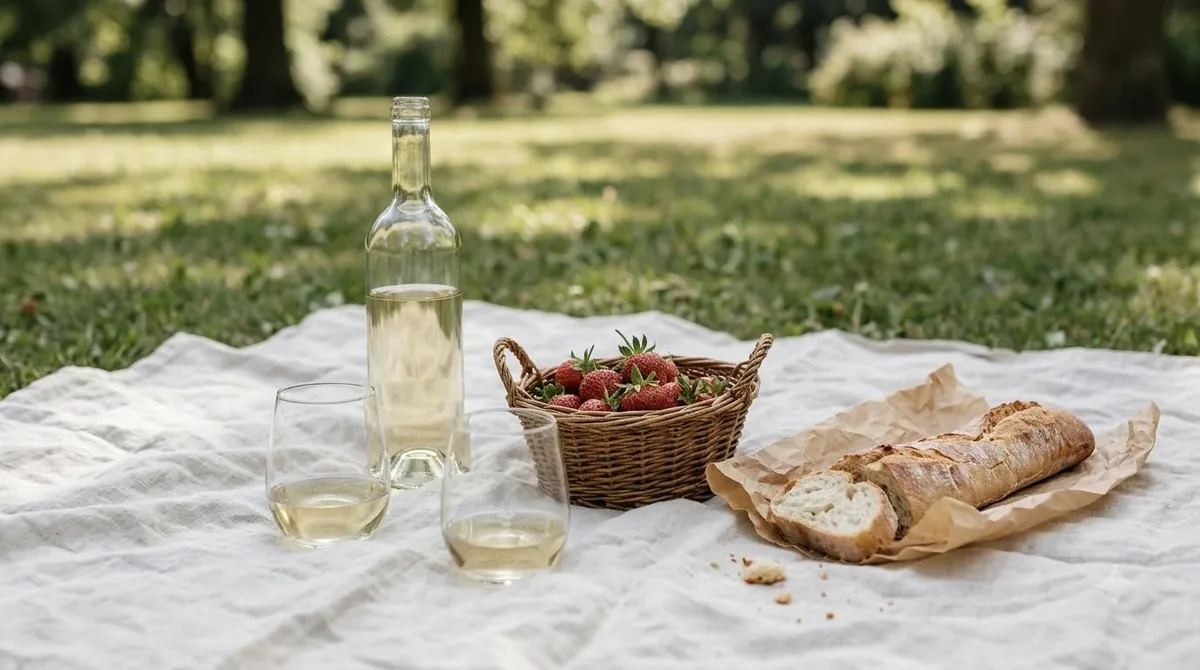
Start with the meal. If you are cooking a rich dish or a holiday dinner, a Chardonnay is the more reliable choice because its body and texture match the food. If you are hosting a lunch, an outdoor gathering or a light dinner, Sauvignon Blanc keeps things fresh. If you are buying for a group with mixed tastes, a Chardonnay tends to be a safer middle ground.
Buyers who already know Duckhorn for its reds may want to compare the white range with a red from the same house. The Duckhorn red wine guide on this site covers the red side of the portfolio, and the wine brands guide is useful for comparing Duckhorn with other producers in the same market.
It is also worth reading the label closely. The vintage, appellation and varietal tell you more about the style than the brand name does, and a white from a cooler growing area will generally be brighter than one from a warm one, even within the same portfolio.
Frequently Asked Questions
Does Duckhorn make white wine?
Yes. The company’s website lists Chardonnay and Sauvignon Blanc among its varietals, and the Decoy brand within the portfolio also produces white, rosé and sparkling wines. Duckhorn is widely known for red wines, but the white range is a regular part of its lineup.
Is Duckhorn Chardonnay oaked?
Oak use varies by bottling, and the company’s pages do not give a detailed winemaking breakdown for each white. Oak influence usually shows as vanilla or toasty notes. Check the producer’s current product description for the most accurate detail on a specific bottle.
What food goes best with Duckhorn Sauvignon Blanc?
Sauvignon Blanc is a good match for salads, goat cheese, shellfish and dishes with fresh herbs. Its bright acidity makes it a useful partner for lighter meals and warm-weather dinners.
How long can I keep an opened bottle of Duckhorn white wine?
Keep it recorked and refrigerated. Most opened white wines are best finished within two to three days, and a Chardonnay may hold its character a little longer than a Sauvignon Blanc.
Duckhorn white wine gives buyers a clear choice between a richer Chardonnay and a brighter Sauvignon Blanc, both from a company that has built its name in Napa Valley. Match the style to the meal, serve it at the right temperature and check the label for vintage and appellation. For more on the producer, visit the Duckhorn website, which lists its current varietals and winery story.
More in Wine Brands
 Underwood Wine Price: Compare Bottles, Cans, and Pack SizesUpdated Nov 21, 2026
 Zenato Wine Price: Compare Styles and Choose the Right BottleUpdated Nov 21, 2026
 Zuccardi Wine Price: Compare Bottles and Find the Right RangeUpdated Nov 21, 2026
 Yellow Tail Moscato Review: Taste, Sweetness and Serving TipsUpdated Nov 21, 2026
 Wolf Blass Yellow Label Review: Choose Your Best StyleUpdated Nov 21, 2026
 Wolffer Estate Rose Review: Choose the Right Bottle for Your TableUpdated Nov 21, 2026