

We may earn a commission when you buy through links on this page, at no extra cost to you. Learn more.
What is tempranillo? It is a red grape variety that is Spain’s most widely planted red, and it is the main grape in well-known Spanish wines such as Rioja and Ribera del Duero. Tempranillo makes dry red wines with cherry and red fruit flavors, savory notes like dried tomato, and medium-high tannins and acidity. Most bottles fall between 13.5% and 15% alcohol and are best served slightly cool, at about 60 to 68°F.
If you have seen the name on a shelf tag or a restaurant wine list and wondered what to expect, this guide covers the basics. It is written for everyday drinkers, so the focus stays on where the grape comes from, how it tastes, how to serve it, and what to eat with it.
Where tempranillo comes from
Tempranillo is a grape with deep roots in Spain. A popular theory holds that the Phoenician civilization brought the grape to the Iberian Peninsula, though that claim is difficult to confirm from the historical record. What is clear is how central the variety is today. Wine Folly describes it as Spain’s most widely planted red grape and the main grape in several of the country’s top regional wines, including Rioja, Ribera del Duero, and Port.
Outside the Iberian Peninsula, tempranillo is grown in much smaller amounts. The same source notes sparse plantings in Argentina, southern France, Australia, the United States, and Mexico. That concentration matters for shoppers: if you want to try tempranillo as it is traditionally made, Spanish bottles are the most reliable place to start. For a fuller background on the grape, the Wine Folly tempranillo guide covers its profile in more detail.
Flavor and style
Tempranillo wines are dry and usually medium-full bodied, with a red-fruit core and savory edges that keep them from tasting one-dimensional.
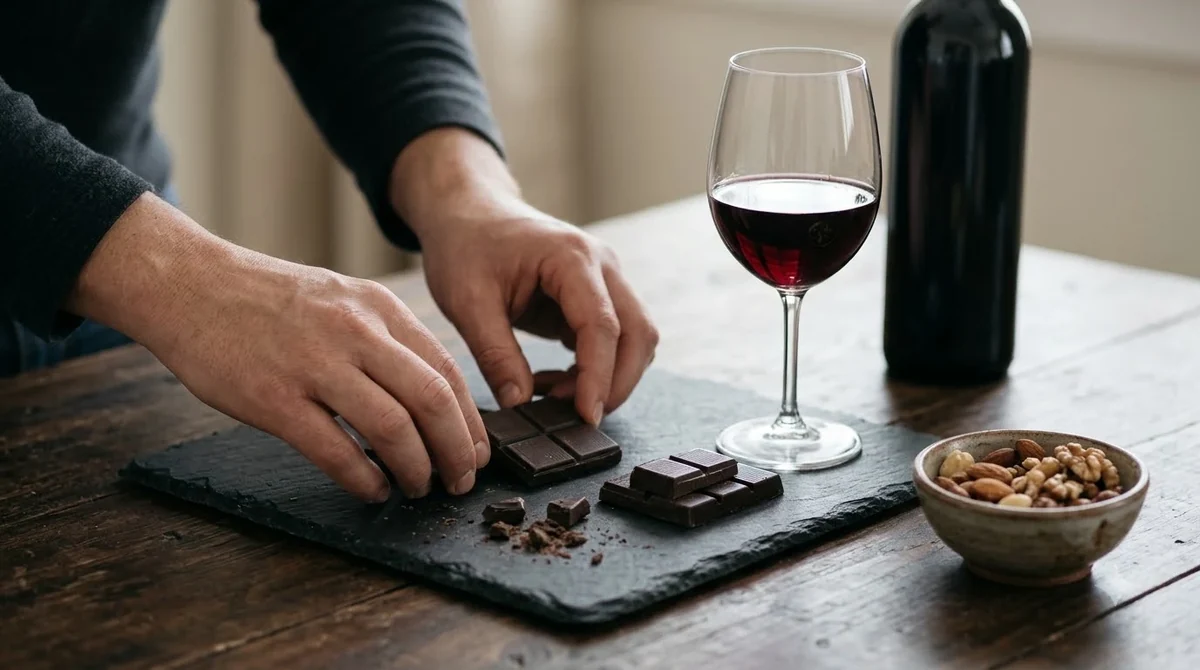
According to Wine Folly, the primary flavors associated with the grape are cherry, dried fig, cedar, tobacco, and dill. In younger bottles, the fruit tends to be brighter, with cherry and raspberry in front and subtle notes of dried tomato and red pepper behind them. As the wine ages, the fruit becomes more concentrated and the tertiary notes of cedar and tobacco come forward. Many people describe this aged profile as the classic Spanish red character.
Structure is a large part of the appeal. Tempranillo generally has medium-high tannins and acidity. The tannins give the wine grip, and the acidity keeps it fresh on the palate, which is why it can handle rich food without tasting heavy. If you enjoy Spanish reds with a similar character, bobal wine is another Spanish red worth exploring, though it has a different flavor profile.
| Style | What to expect | Common food match |
|---|---|---|
| Fresh and youthful | Red fruit, raspberry, brighter acidity | Baked pasta and tomato-based dishes |
| Aged and bold | Cedar, tobacco, dried fig, firmer tannins | Steak, gourmet burgers, rack of lamb |
| Richer regional style | Denser fruit and a firm structure | Hearty roasts and grilled meats |
The main regions
Rioja, in north-central Spain, is the benchmark most people have in mind when they talk about tempranillo. Ribera del Duero and Toro are the other regions Wine Folly points to, and both are known for richer-style wines. The difference between a bottle from Rioja and one from Toro can be noticeable even though the grape is the same, because climate, soil, and winemaking all shape the final taste.
Because Spanish labels often name the region and the aging category more prominently than the grape, a quick look at the back label helps. The label usually lists the grape, the region, and the producer, so you can confirm you are buying tempranillo before you open it.
How to serve tempranillo
Serve tempranillo at about 60 to 68°F, or 15 to 20°C. Wine Folly gives that range for the grape, which is slightly cooler than many people expect for a red wine.
A bottle that sits too warm can taste heavy and alcoholic, while one that is slightly cool shows more of the fresh fruit. If your bottle has been sitting in a warm room, a short stay in the refrigerator is usually enough to bring it into range before you pour. The same source lists typical alcohol at 13.5% to 15% ABV, which is a comfortable level for a dinner wine.
Glassware matters less than many guides suggest. A standard red wine glass with a generous bowl gives the aromas room to open, and that is enough for most everyday tempranillo. Decanting is not necessary for most young bottles, though an older, more structured Rioja may benefit from a short rest in a glass before serving.
Food pairings for tempranillo
Tempranillo pairs best with rich meats for the bold, aged styles and with tomato-based dishes for the fresher ones.
Wine Folly recommends steak, gourmet burgers, and rack of lamb for the bold styles. The firm tannins work against the fat in those cuts, and the wine’s dried-fruit and savory notes echo the browned, roasted flavors on the plate. For the fresh styles, the same source suggests baked pasta and other tomato-based dishes, where the wine’s acidity matches the acid in the sauce.
When you are choosing food, aim for something with enough body and salt to match the wine. Very delicate fish or light salads can be overwhelmed by a tempranillo with firm tannins, so save those for a lighter white or rosé. For a broader overview of how this grape fits alongside other reds, the Wine by Type section is a useful next step.
Choosing a tempranillo at the shop or on a wine list
Tempranillo is often sold under its regional name rather than its grape name, so the first step is knowing which label words signal the grape. A bottle from Rioja or Ribera del Duero is almost always tempranillo or tempranillo-based, and most shops will group these wines together in the Spanish red section. If you are unsure, ask the staff for a tempranillo from Rioja and say whether you want a fresh, fruity bottle or an older, more structured one.
On a restaurant wine list, look for the region and the grape together. A line that reads Rioja or Ribera del Duero usually tells you what to expect, and the producer’s name adds another layer. Because tempranillo is a dry red, the main decision is style: a younger bottle for lighter dishes, or an aged bottle for steak, lamb, or a hearty roast.
Shoppers who like the variety often ask whether they should buy a young or an aged bottle. A young tempranillo gives you bright red fruit and is ready to drink soon after purchase, with no waiting. An aged bottle has more cedar, tobacco, and dried fig, and it rewards a little patience at home. Neither choice is better in general; the right one depends on the meal and how much structure you want in the glass.
Storage is simple. Keep the bottle away from strong heat and light, and store it on its side if you plan to keep it for a while. Once opened, tempranillo can be recorked and kept in the refrigerator for a day or two, though it tastes best when finished soon after opening.
Frequently Asked Questions
Is tempranillo a red or white wine?
Tempranillo is a red grape variety, and it is used to make dry red wines. White wines are made from white grapes, so you will not find tempranillo in a white wine.
Is tempranillo sweet or dry?
Tempranillo wines are dry. The grape produces wines with medium-full body, medium-high tannins, and noticeable acidity, and the fruit flavors tend to read as ripe cherry and red berry rather than sweetness.
What does tempranillo taste like?
Young tempranillo usually tastes of cherry and raspberry, with savory hints of dried tomato and red pepper. Older bottles often show dried fig, cedar, and tobacco, and the tannins become smoother with time.
What is the difference between tempranillo and Rioja?
Tempranillo is a grape, and Rioja is a region in north-central Spain. Wine Folly identifies tempranillo as the main grape in Rioja, so most Rioja red wines are built around it, though producers may blend in other varieties.
Tempranillo is one of the easiest Spanish reds to start with because it is widely available and its style is easy to recognize. Begin with a fresh bottle to see the bright fruit, then move to an aged Rioja or a Ribera del Duero once you want more structure and depth.
More in Wine Types & Grapes
 Zinfandel Sugar Content: Dry Red vs. White Zinfandel GramsUpdated Nov 21, 2026
 Best Zinfandel Substitute Options for Sipping and CookingUpdated Nov 21, 2026
 Zweigelt Food Pairing: Best Dishes, Cheeses, and Serving TipsUpdated Nov 21, 2026
 Zinfandel Tannins Explained: How Structure Shapes Every BottleUpdated Nov 21, 2026
 Zinfandel Sweetness Level: Dry Red vs. Sweet White Zin ExplainedUpdated Nov 21, 2026
 Xinomavro Food Pairing: Best Dishes, Styles, and Serving TipsUpdated Nov 21, 2026