

We may earn a commission when you buy through links on this page, at no extra cost to you. Learn more.
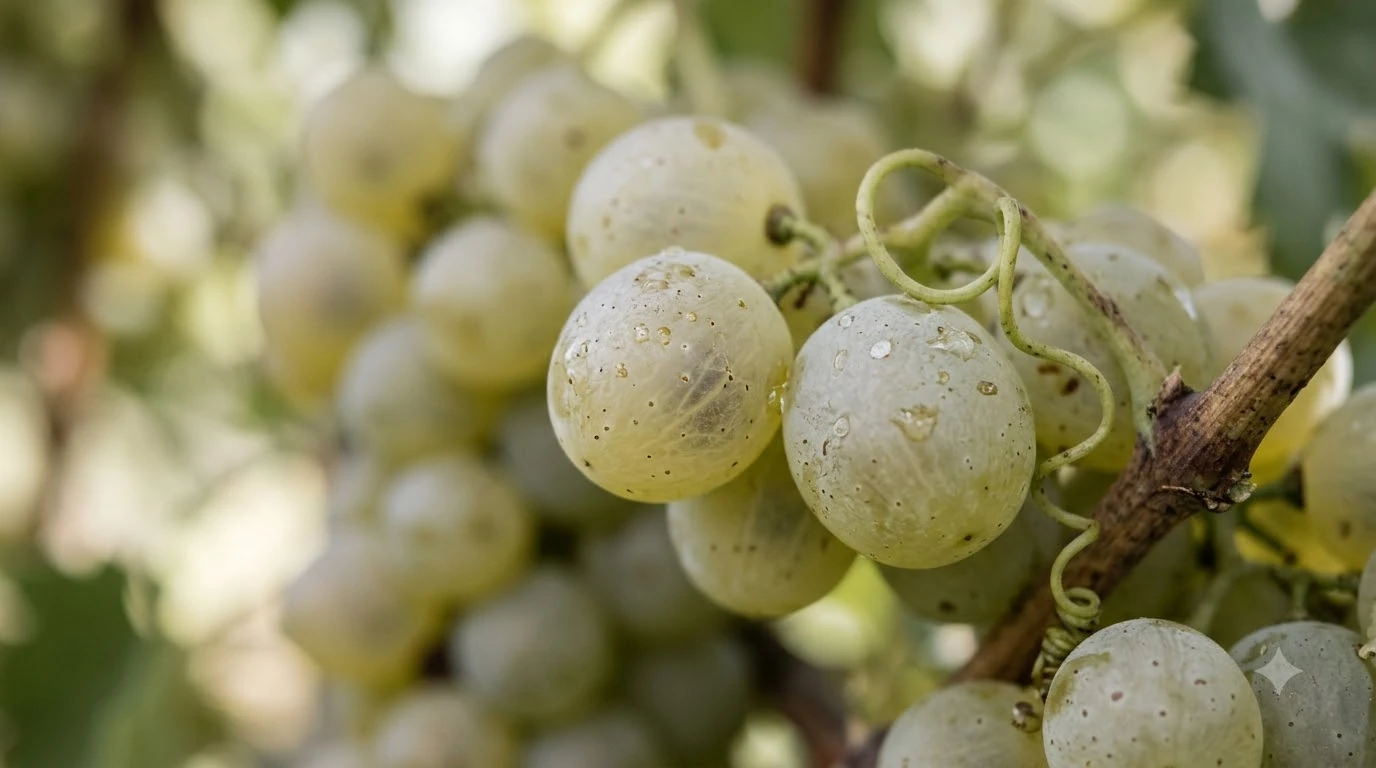
If you have ever wondered what is savagnin, it is an ancient white wine grape native to eastern France’s Jura region, famous for producing both crisp mineral whites and the nutty, sherry-like “yellow wine” known as Vin Jaune. Despite its similar name, Savagnin is completely distinct from Sauvignon Blanc and belongs to the Traminer family of vines. Winemakers prize its thick skins and naturally high acidity, which allow the grape to thrive in cool mountain climates and age for decades in barrel or bottle.
Walking down a wine shop aisle, you might easily mistake a bottle of Savagnin for Sauvignon Blanc, yet the two deliver wildly different experiences in the glass. While Sauvignon Blanc is loved for grassy, zesty simplicity, Savagnin offers a spectrum ranging from bright citrus and wildflowers to intense toasted walnut, curry spice, and sea salt.
What Savagnin Is
Savagnin is a pale-skinned, late-ripening white grape variety with small berries, thick skins, and naturally high acidity that has been cultivated in eastern France for centuries. Genetic research places it at the root of the Traminer family, making it an ancestor of well-known varieties like Gewürztraminer and Grüner Veltliner.
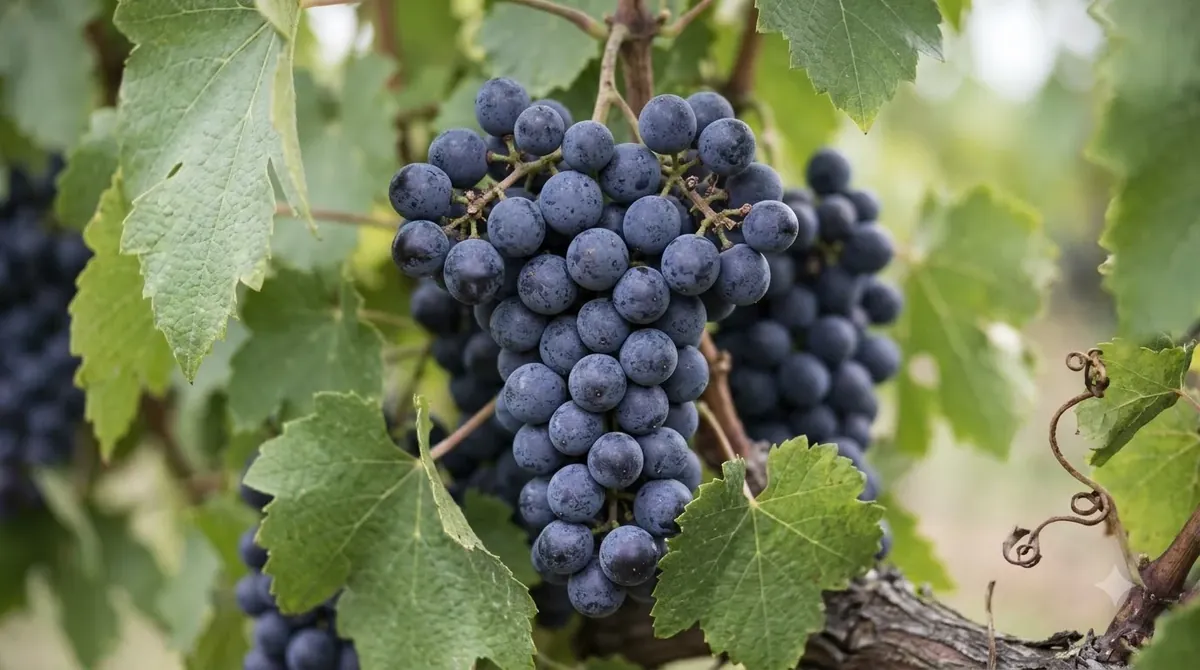
In its ancestral home, the savagnin grape is sometimes called Naturé, while across the border in Switzerland it goes by Heida or Païen. Because it buds relatively early and ripens late in the autumn, growers must wait patiently for the fruit to achieve full phenolic maturity without losing its signature backbone of tartness. Those thick skins also give the berries natural resistance against rot during damp mountain harvests.
Many shoppers confuse the name with Sauvignon Blanc, a mistake that leads to serious surprises at the dinner table. Although DNA profiling shows Sauvignon Blanc is actually a distant descendant of Savagnin, the two grapes share very little in common aromatically. If you want to sound confident ordering a glass at a wine bar, check out our quick guide on how to pronounce savagnin before your next night out.
According to Decanter, Savagnin accounts for roughly 15 percent of Jura’s vineyard plantings—around 300 hectares—yet its cultural footprint in French gastronomy far exceeds its modest acreage. Beyond still white wines, the variety is one of five grapes authorized for sparkling Crémant du Jura and frequently contributes structure to sweet straw wines called Vin de Paille.
Flavor Profile and Winemaking Styles
Savagnin exhibits two dramatically different flavor personalities depending on how the winemaker manages oxygen in the cellar: bright citrus and floral notes when kept away from air, or savory walnut, dried apple, and warm spice when aged oxidatively. Few white grapes change their character so radically based on cellar technique alone.
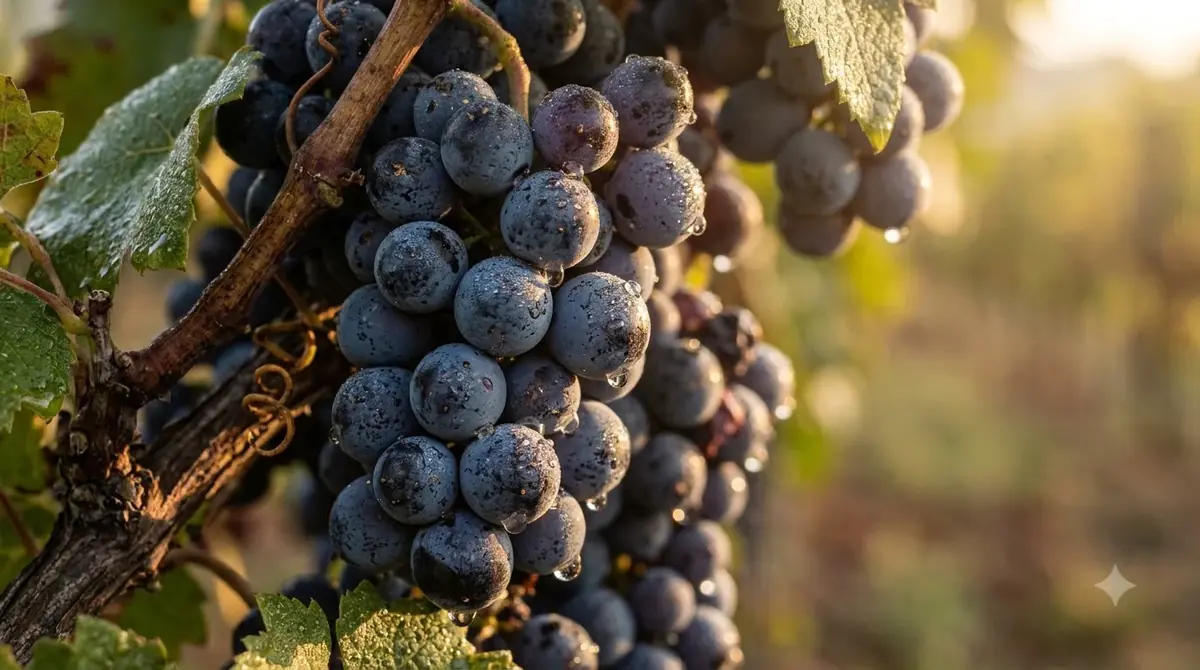
The traditional oxidative method, known locally as sous voile (“under the veil”), leaves barrels slightly underfilled so a thin layer of flor-like yeast forms on the wine’s surface. This yeast protects the liquid from turning to vinegar while slowly metabolizing compounds to create complex aromas of roasted hazelnuts, fenugreek, bruised apple, and saline minerality. The pinnacle of this style is Vin Jaune, which Wine Enthusiast notes is made exclusively from late-harvest Savagnin aged in oak barrels for more than six years before bottling in a squat 620-milliliter clavelin bottle.
On the opposite end of the spectrum sits ouillé (“topped-up”) Savagnin, a non-oxidative style that has gained huge popularity among modern Jura producers and New World winemakers. By regularly topping up the barrels to prevent air contact, winemakers preserve the grape’s pure, primary fruit character. Expect vibrant notes of Meyer lemon, green pear, white blossoms, wet limestone, and occasionally subtle tropical hints, all carried by electric acidity.
| Style Name | Cellar Method | Primary Aromas & Flavors | Body & Texture |
|---|---|---|---|
| Savagnin Ouillé (Topped-Up) | Barrels kept completely full to block oxygen | Lemon zest, green apple, white flowers, chalky mineral | Medium-bodied, crisp, taut, and refreshing |
| Traditional Oxidative Savagnin | Aged 2–4 years without topping up under yeast | Toasted almond, dried apricot, baking spice, honeycomb | Full-bodied, rich, tangy, and savory |
| Vin Jaune | Aged over 6 years under a yeast veil in oak | Walnut, curry leaf, salted caramel, baked apple, brine | Intense, bone-dry, structured, with a lingering finish |
| Chardonnay-Savagnin Blend | Made either topped-up or oxidative | Orchard fruit, hazelnut, citrus oil, subtle toast | Balanced, rounded, approachable, and versatile |
Where Savagnin Grows
While Savagnin is synonymous with France’s Jura mountain foothills between Burgundy and Switzerland, significant pockets also grow in Switzerland, Austria, Germany, and Australia. Everywhere it takes root, the grape favors cool climates and mineral-rich soils that preserve its natural tension.
In the Jura, Savagnin thrives on dense grey and blue marl soils—a stubborn mix of clay and limestone that forces vine roots to work hard for nutrients. Within this small region, Château-Chalon is a tiny hilltop appellation dedicated exclusively to Vin Jaune made from 100 percent Savagnin. Neighboring appellations including Arbois, Côtes du Jura, and L’Étoile produce both oxidative and topped-up versions, often bottling varietal Savagnin alongside blends with Chardonnay.
Outside France, Savagnin has enjoyed a fascinating second act in Australia following a famous vineyard mix-up. In the late twentieth century, Australian growers imported cuttings believed to be Spanish Albariño, only for DNA testing in 2009 to reveal that roughly 150 hectares of those vines were actually Savagnin Blanc. Today, Australian wineries in regions like the Yarra Valley, Adelaide Hills, and King Valley embrace the grape’s true identity, crafting crisp, fruit-forward whites as well as experimental skin-contact and solera-aged bottlings. Smaller plantings also persist in Switzerland’s Valais region, where high-altitude terraces yield crisp, mineral expressions labeled as Heida.
How to Serve Savagnin
Serve non-oxidative Savagnin chilled like a crisp white wine, while giving oxidative bottlings and Vin Jaune a slightly warmer temperature and time to breathe so their nutty aromatics can open up. Treating every bottle the same way will either mute delicate flavors or make alcohol feel overly sharp.
For fresh, topped-up Savagnin or Australian styles, aim for a serving temperature between 46°F and 50°F (8°C to 10°C)—roughly 45 minutes in a standard kitchen refrigerator from room temperature. At this cool temperature, the citrus and floral aromatics stay sharp while the bright acidity refreshes the palate. Standard white wine glasses with a medium bowl work best to focus those crisp orchard fruit aromas.
Oxidative Savagnin and Vin Jaune show their best side slightly warmer, between 54°F and 58°F (12°C to 14°C), which is closer to cellar temperature. Pulling the bottle from the fridge 20 minutes before pouring allows the complex layers of walnut, spice, and dried fruit to unfurl. Consider decanting young Vin Jaune an hour ahead of dinner, and pour it into a slightly wider tulip-shaped glass so the aromatic bouquet has room to expand.
Tip: Because Vin Jaune has already spent over six years exposed to controlled oxygen in barrel, an opened bottle will stay fresh on your counter or in the fridge for several weeks without losing its character.
Food Pairing Ideas
Savagnin is one of the wine world’s great food companions, pairing effortlessly with nutty aged cheeses, creamy poultry dishes, earthy mushrooms, and warmly spiced curries. Its combination of piercing acidity and savory depth lets it cut through rich fats without getting overwhelmed.
The classic regional match in eastern France is aged Comté cheese, whose crystalline texture and sweet-nutty flavor mirror the walnut notes of oxidative Savagnin. Classic Jura dishes like coq au vin jaune—chicken braised with morel mushrooms in a cream sauce spiked with yellow wine—show how naturally the grape integrates into rich, umami-heavy cooking. If you are planning a multi-course dinner menu, explore our complete savagnin food pairing breakdown for specific dish matches across both wine styles.
Beyond traditional French fare, Savagnin shines alongside global cuisines that often challenge conventional white wines. Oxidative bottlings stand up beautifully to Thai yellow curry, Moroccan tagines with preserved lemon and almonds, and roasted root vegetables. Meanwhile, crisp topped-up Savagnin pairs cleanly with pan-seared sea scallops, Dungeness crab, roast pork loin with apples, and nutty Gruyère tarts.
How to Choose a Bottle
To pick the right bottle of Savagnin, start by checking the label for clues about whether the wine was made in a fresh topped-up style or a traditional nutty oxidative style. Knowing which camp a bottle falls into ensures the flavor profile matches your expectations and your meal.
French labels from the Jura rarely spell out the cellar method in plain English, so look for key French terms on the front or back label. Words like ouillé, floral, or nature indicate a clean, non-oxidative wine with vibrant citrus fruit, whereas sous voile, tradition, or typé signal deliberate oxidation and nutty complexity. If the bottle comes in a distinctive stubby 620-milliliter clavelin bottle labeled Vin Jaune or Château-Chalon, you are holding the intensely savory, long-aged benchmark of the grape.
If you are browsing Wine by Type for your very first taste of Savagnin, consider starting with a Chardonnay-Savagnin blend from Arbois or Côtes du Jura, or a single-varietal bottle from Australia or Oregon. Blends temper Savagnin’s fierce acidity with Chardonnay’s roundness, offering an approachable bridge into Jura wines before you graduate to pure Vin Jaune.
Frequently Asked Questions
Is Savagnin the same grape as Sauvignon Blanc?
No, Savagnin and Sauvignon Blanc are two distinct grape varieties with very different flavor profiles. Although genetic research shows Sauvignon Blanc is a distant descendant of Savagnin, Savagnin is an older member of the Traminer family known for higher acidity, thicker skins, and either crisp mineral notes or nutty oxidative flavors rather than grassy citrus.
Does Savagnin taste sweet or dry?
Almost all still Savagnin and Vin Jaune wines are fermented completely dry with virtually no residual sugar. Oxidative bottlings can trick your brain into sensing sweetness because of rich aromas like roasted nuts, dried apricot, and caramel, while rare sweet versions only appear in specialty dessert wines like Vin de Paille.
Why does Vin Jaune come in a smaller 620ml bottle?
Vin Jaune is bottled in a traditional 620-milliliter clavelin bottle because roughly 38 percent of a standard one-liter measure evaporates through the porous oak barrels during its required six-plus years of aging. The unique squat bottle shape historically represented the exact amount of wine remaining from one liter after the “angel’s share” evaporated.
Can you age Savagnin at home?
Yes, Savagnin is one of the longest-lived white wines in the world thanks to its high natural acidity and low pH. Topped-up styles easily evolve for five to ten years in a cool cellar, while well-stored bottles of Vin Jaune can continue developing complexity for thirty to fifty years or more.
Whether you uncork a zesty topped-up bottle alongside fresh shellfish or pour a glass of golden Vin Jaune next to aged Comté, Savagnin rewards curious drinkers willing to step outside mainstream white grapes. Once you understand the difference between its fresh and oxidative styles, shopping the Jura shelf becomes one of the most rewarding adventures in wine.
More in Wine Types & Grapes
 Zinfandel Sugar Content: Dry Red vs. White Zinfandel GramsUpdated Nov 21, 2026
 Best Zinfandel Substitute Options for Sipping and CookingUpdated Nov 21, 2026
 Zweigelt Food Pairing: Best Dishes, Cheeses, and Serving TipsUpdated Nov 21, 2026
 Zinfandel Tannins Explained: How Structure Shapes Every BottleUpdated Nov 21, 2026
 Zinfandel Sweetness Level: Dry Red vs. Sweet White Zin ExplainedUpdated Nov 21, 2026
 Xinomavro Food Pairing: Best Dishes, Styles, and Serving TipsUpdated Nov 21, 2026