

We may earn a commission when you buy through links on this page, at no extra cost to you. Learn more.
Domaine Chandon wine is the sparkling and still wine made by Domaine Chandon, the Napa Valley winery founded in 1973 by Moët et Chandon, and it is best known for traditional-method sparkling wines made from Chardonnay and Pinot Noir. The range includes a Brut, a Rosé and a Blanc de Noirs, along with a ready-to-serve Garden Spritz. The winery sits in Yountville and has been part of the Champagne house’s global family since its start.
This guide explains where Domaine Chandon comes from, which styles to look for, how to serve them and how to pick a bottle for a celebration or an everyday glass. It is written for buyers who know Champagne by name but are unsure how the California version compares.
Where Domaine Chandon Comes From
Moët et Chandon, the French Champagne house, established the Napa Valley winery in 1973 in Yountville. It was the first French-owned sparkling wine producer in the valley, which gave the brand an early link to the Champagne tradition. The winery has been led by a long-serving head for much of its history, and it has kept its focus on sparkling wine rather than the broad range that many Napa producers offer.
Today the brand’s own website notes that its data practices run through its parent company, LVMH, and the site also promotes sister projects in Argentina. Chandon Argentina, based in the Mendoza region, is a separate winery that uses the same name and the same house style of sparkling production. Buyers sometimes confuse the two, so check the label for the origin before you buy.
The Main Styles Under the Chandon Name
The Napa range is built on the three grapes used in traditional Champagne: Chardonnay, Pinot Noir and Pinot Meunier. Most bottles lean on Chardonnay and Pinot Noir, and the winery’s range covers dry, fruit-led and sweeter styles. The table below sets out the main types you are likely to see.
| Style | Main grapes | Character | Typical use |
|---|---|---|---|
| Brut Classic | Chardonnay and Pinot Noir | Fresh, fruity and creamy, with a balanced finish | Celebrations and aperitifs |
| Blanc de Noirs | Pinot Noir and Pinot Meunier | Fuller and more structured, with richer fruit | Dinner and richer foods |
| Rosé | Pinot Noir based | Red fruit and floral notes, with a creamy texture | Warm-weather drinks and brunch |
| Sweet Star | Sparkling blend | Lighter sweetness, easy to drink | Dessert and casual pours |
| Garden Spritz | Ready-to-serve blend | Sparkling aperitif with citrus and spice notes | Served over ice as a cocktail |
The house’s website describes the Brut as fresh, fruity, creamy and balanced, which matches the general profile of a Chardonnay and Pinot Noir blend made in the traditional method. The Rosé is presented with red fruit and floral notes, and the Garden Spritz is described as a ready-to-serve sparkling aperitif that uses Argentine oranges and a secret blend of spices.
How the Sparkling Styles Differ
Brut is the most versatile style in the range. Its dryness keeps it from feeling heavy, and the Chardonnay gives it a soft, creamy texture that suits many kinds of food. Blanc de Noirs is made from red grapes but pressed off their skins, which gives a pale color and a fuller, more structured body. Rosé blends Pinot Noir with a touch of creamy character, so it reads as both fresh and gentle.
The Garden Spritz is a different kind of product. It is built to be poured over ice and is meant for a quick, easy drink rather than a formal pour. If you want a bottle that works without fuss at a party, the Spritz is a practical option, while the Brut and Rosé suit a more deliberate tasting.
How to Serve Domaine Chandon Wine
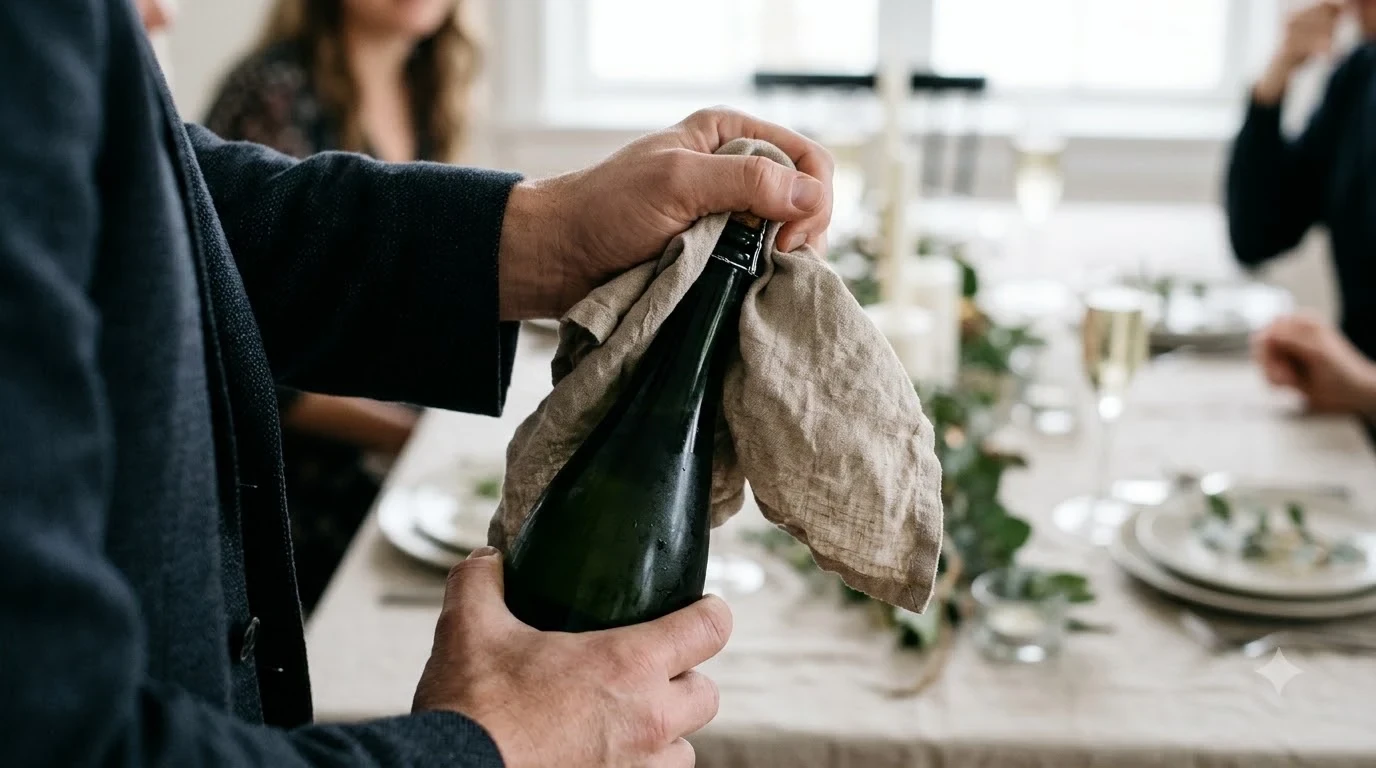
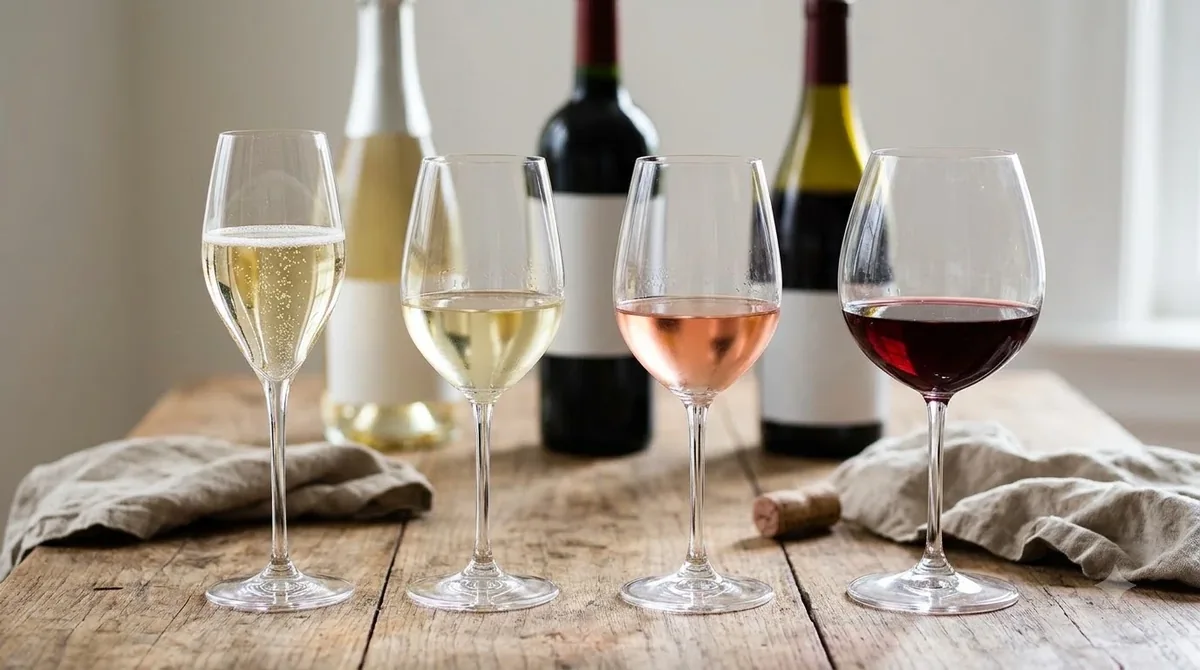
Sparkling wine should be served cold but not icy. A bottle chilled in the refrigerator for a few hours, or in an ice bucket for about half an hour, is usually enough to bring it to a comfortable temperature for the Brut or Rosé. The brand’s own photography shows both styles in standard wine glasses, which is a sensible choice because the glass keeps the bubbles and aromas together.
The Garden Spritz follows the producer’s own serving note: pour it over ice. Because it is designed as a long drink, a tall glass with plenty of ice is the best fit. It does not need the same care as a traditional bottle, which makes it a good choice for hosts who want a simple option without a full bar set-up.
Once opened, a sparkling bottle is best finished within a day or two. Recork it tightly and keep it in the refrigerator. The bubbles fade over time, so a partly used bottle will taste flatter than a fresh one.
Food Pairings for Chandon Sparkling Wine
Brut is a natural partner for fried foods, oysters, soft cheeses and light seafood, because its acidity cleans the palate between bites. It also works well as an aperitif before a meal, when the guests are still arriving and the food has not yet been served.
Blanc de Noirs has the body to match richer dishes such as roast chicken, salmon or creamy pasta. Rosé is one of the most flexible choices for brunch, since it works with eggs, fruit and light pastries. The Garden Spritz pairs with bright, citrus-driven snacks and simple appetizers, and it suits a warm afternoon better than a formal dinner.
How to Choose the Right Bottle
Start with the occasion and the people you are serving. For a toast or a milestone, the Brut is the clearest choice because it is easy to recognize as a traditional sparkling wine. For a meal, the Blanc de Noirs gives more weight and suits food. For a summer gathering, the Rosé or Garden Spritz is more relaxed and easier to share.
Buyers who are new to sparkling wine often ask whether they should pay more for a bottle. A higher price does not always mean a better fit for the table, so decide on the style first and then compare the options within that style. The wine brands guide on this site is a useful place to see how Domaine Chandon compares with other producers in the same price category. If you want a still white for the same table, Aveleda wine is a different style to compare.
Frequently Asked Questions
Is Domaine Chandon wine the same as Champagne?
No. Champagne is a protected name for sparkling wine from the Champagne region of France. Domaine Chandon is a Napa Valley winery that makes sparkling wine using the traditional method and grapes such as Chardonnay and Pinot Noir. The two are related through the Moët et Chandon house, but they come from different places.
What is the difference between Brut and Blanc de Noirs?
Brut is a dry sparkling style, usually a blend of Chardonnay and Pinot Noir, with a fresh and creamy profile. Blanc de Noirs is made from red grapes pressed off their skins, which gives a fuller body and a richer character suited to food.
Can I serve Domaine Chandon Garden Spritz on its own?
Yes. The producer describes it as a ready-to-serve sparkling aperitif, and it is poured over ice. It works well on its own at a gathering, and it does not need a separate cocktail recipe.
Where is Domaine Chandon located?
The winery is in Yountville, in the Napa Valley of California. It was established in 1973 by Moët et Chandon and was the first French-owned sparkling wine producer in the valley. Chandon Argentina, in Mendoza, is a separate operation.
Domaine Chandon gives buyers a practical route into California sparkling wine, with styles that range from a dry Brut to an easy-drinking spritz. Choose the style that fits the occasion, serve it at the right temperature, and use the wine brands guide to compare it with other producers. You can read the winery’s own notes on the Domaine Chandon website for current releases.
More in Wine Brands
 Underwood Wine Price: Compare Bottles, Cans, and Pack SizesUpdated Nov 21, 2026
 Zenato Wine Price: Compare Styles and Choose the Right BottleUpdated Nov 21, 2026
 Zuccardi Wine Price: Compare Bottles and Find the Right RangeUpdated Nov 21, 2026
 Yellow Tail Moscato Review: Taste, Sweetness and Serving TipsUpdated Nov 21, 2026
 Wolf Blass Yellow Label Review: Choose Your Best StyleUpdated Nov 21, 2026
 Wolffer Estate Rose Review: Choose the Right Bottle for Your TableUpdated Nov 21, 2026