
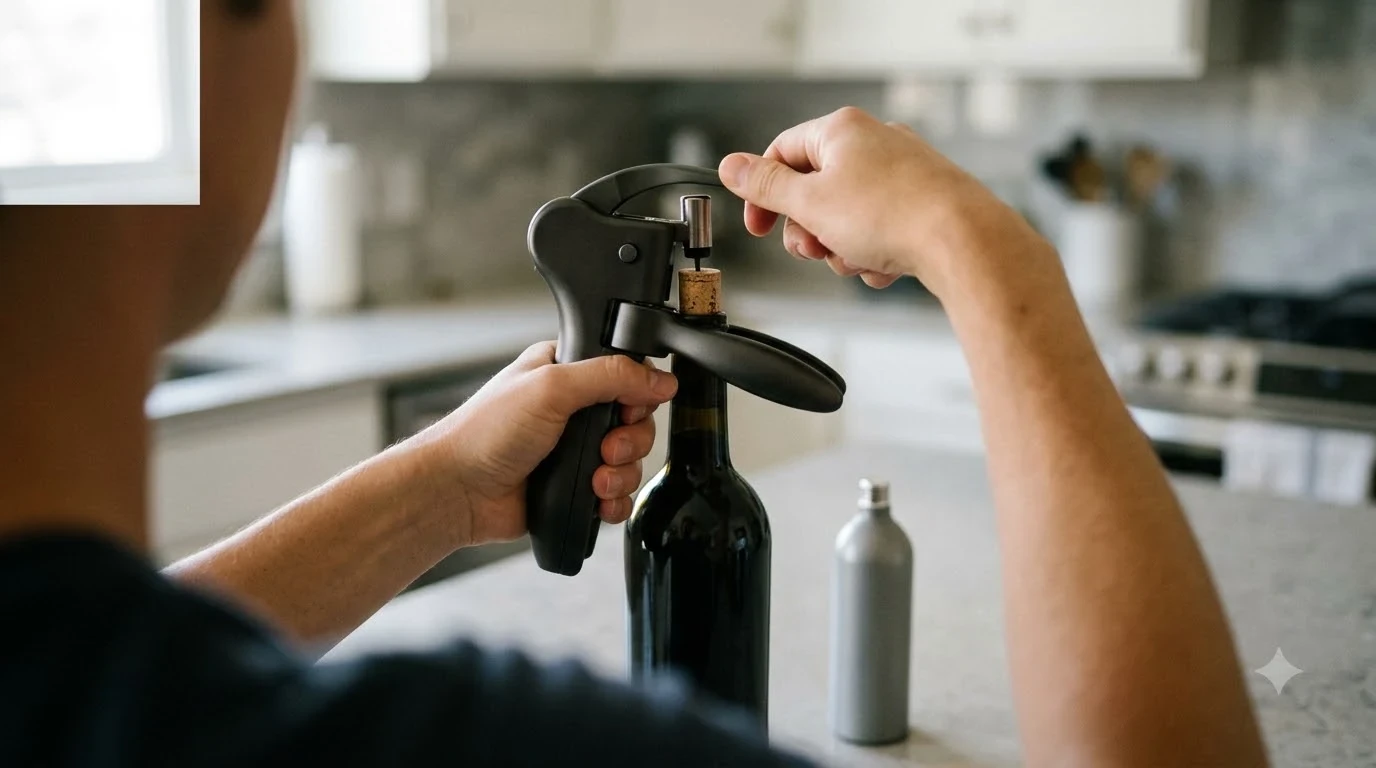

We may earn a commission when you buy through links on this page, at no extra cost to you. Learn more.
What does Marsala taste like? It tastes sweet, rich and caramelized, with stewed apricot, brown sugar, vanilla and tamarind, and a touch of tobacco. Wine Folly describes it as a fortified wine from Sicily, full-bodied with medium acidity and no tannin. Its exact flavor depends on the style, since Marsala ranges from dry to sweet, and that range is why the same bottle can work both in a glass and in a pan.
Marsala is one of the few wines that cooks reach for almost as often as wine drinkers do. Many people know it only as the ingredient in chicken Marsala or mushroom sauce, and they are not sure what the bottle itself will taste like. This guide explains the flavor, the fortified style, how to serve it, and how to use it in cooking.
The core flavor of Marsala
The flavor of Marsala is built around cooked and dried fruit. Wine Folly’s Marsala profile lists stewed apricot, vanilla, tamarind, brown sugar and tobacco as the main notes. Those flavors read as warm and caramelized rather than fresh, which is why Marsala tastes so different from a bright white or a light red.
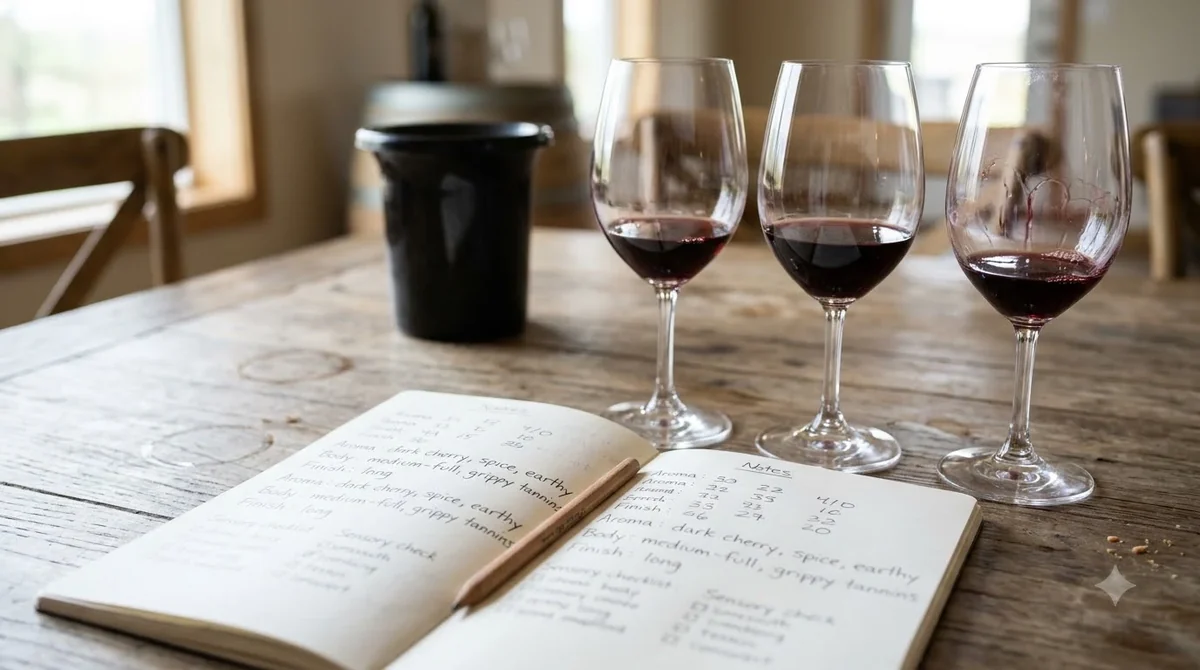
Most people notice the sweetness first. The wine is generally sweet and full-bodied, with a soft, rounded texture and very little tannin to grip the palate. Acidity is medium, enough to keep the wine from feeling heavy, but not enough to make it sharp. The combination is smooth and warming, closer to a dessert sip than a dinner red.
Fortified, not table wine
Marsala is a fortified wine, meaning a neutral spirit is added during or after fermentation to raise the alcohol level. Wine Folly lists its alcohol as over 15 percent ABV, which is higher than most table wines. That extra strength is part of why Marsala keeps well once opened and holds up to cooking heat without losing its character.
The fortified style also explains the body. Marsala feels thick and viscous compared with unfortified wine, and the sugar and alcohol together give it a long, warm finish. If you compare it with a dry sherry, Marsala usually tastes fruitier and less nutty, though the two share a similar level of strength.
How the styles differ
Marsala is not a single flavor. The source notes that it ranges from dry to sweet, and the difference matters both for drinking and for cooking. A drier bottle has less of the stewed-fruit sweetness and more savory, nutty character, while a sweeter bottle leans into brown sugar and dried apricot.
For drinking, look for the sweetness level on the label or ask the shop. For cooking, a dry or medium Marsala gives more savory depth to a sauce, while a sweeter one adds caramel notes. Either way, the wine is a seasoning as much as a drink, so tasting a small sip first helps you judge how much sugar to expect in the dish.
| Style | What you taste | Good use |
|---|---|---|
| Dry Marsala | Nutty, savory, lighter sweetness | Savory sauces, mushroom dishes |
| Sweet Marsala | Stewed apricot, brown sugar, vanilla | Sipping, dessert pairing |
| Aged Marsala | Deeper caramel, tobacco, dried fruit | Slow-cooked sauces, glazes |
How to serve Marsala
Wine Folly recommends serving Marsala at 55 to 60°F (12 to 15°C) in a dessert glass. That is cooler than room temperature, and it keeps the sweetness from feeling heavy. A small pour is usually enough, since the alcohol is high and the flavor is concentrated.
Marsala also keeps well. Once opened, it stays good for a long time when it is recorked and stored cool, so a bottle does not have to be finished in one evening. The source suggests cellaring for ten years or more, which points to a wine built for slow maturation rather than quick turnover.
Tip: Pour a little Marsala into a small glass and let it sit for a minute before tasting. The stewed fruit and vanilla come forward more clearly once the wine has settled.
Cooking with Marsala
The most famous use is Marsala mushroom sauce, which Wine Folly pairs with chicken, pork and tofu. The wine deglazes the pan, picks up the browned bits, and reduces into a sauce with a caramel edge. Mushrooms bring out the wine’s savory side, while the sweetness balances the earthiness of the fungi.
When you cook with it, add the Marsala early enough for the alcohol to cook off and the sugar to concentrate. Reduce it by half before adding stock or cream. Marsala also works in braises, glazes for pork, and sauces for veal, where its sweetness counters salt and fat well.
Food pairing with Marsala for sipping
A sweet Marsala suits rich, nutty and creamy foods. Try it with a plate of aged cheese, roasted nuts or a simple cake with dried fruit. The sweetness and alcohol stand up to strong flavors that would overwhelm a lighter wine.
Avoid pairing sweet Marsala with very sweet desserts, since the two can compete. A small pour alongside a lightly sweet pastry or a cheese course works better. Dry styles are more flexible at the table and can go with savory appetizers. Olives, salted almonds and aged Parmesan are good partners for a dry bottle, since the salt and fat soften its nutty edge.
When you serve Marsala after a meal, set out the bottle with a small plate of biscotti or shortbread and let guests pour their own portions. The wine is strong enough that a small glass is satisfying, which keeps the pace of the evening relaxed.
Buying and storing Marsala
When you shop, read the label for the sweetness level and the age statement. Marsala bottles are usually sold in the same section as other fortified wines, so it helps to know which style you want before you pick one up. A sweet bottle suits sipping, while a dry bottle is more flexible for everyday cooking.
Storage is simple. Keep the bottle upright in a cool cupboard away from direct light and heat. Because Marsala is fortified, it lasts longer than most table wines after opening, but the flavor still fades over time. Recork it tightly and use it within a few weeks for the freshest taste, especially a sweet style that you plan to sip.
If you only need a small amount for one recipe, a half bottle or a smaller size is a practical choice. It keeps the wine from sitting around unused, which is the main reason many home cooks throw out an open bottle of Marsala.
Frequently Asked Questions
Is Marsala a sweet wine?
It can be. Marsala ranges from dry to sweet, so check the label for the style. Sweet versions taste of stewed apricot, brown sugar and vanilla, while dry ones are more savory.
Can you drink Marsala or only cook with it?
Both. Marsala is sipped in small glasses as a dessert or after-dinner wine, and it is also a common cooking ingredient. A bottle meant for drinking and one for cooking can be the same wine.
How is Marsala different from sherry?
Both are fortified wines, but Marsala comes from Sicily and usually tastes fruitier, with stewed apricot and tamarind notes. Sherry from Spain often shows more nutty and saline character.
How long does an open bottle last?
Because Marsala is fortified, it keeps longer than unfortified wine once opened. Recork it, store it cool, and use it over the following weeks for cooking or small pours.
Marsala is worth a bottle in any kitchen. Start with a sweet style for sipping, and keep a dry one for sauces. For more guides on how wines taste, visit Wine by Type, or compare it with a lighter white in what does Riesling taste like.
More in Wine Types & Grapes
 Zinfandel Sugar Content: Dry Red vs. White Zinfandel GramsUpdated Nov 21, 2026
 Best Zinfandel Substitute Options for Sipping and CookingUpdated Nov 21, 2026
 Zweigelt Food Pairing: Best Dishes, Cheeses, and Serving TipsUpdated Nov 21, 2026
 Zinfandel Tannins Explained: How Structure Shapes Every BottleUpdated Nov 21, 2026
 Zinfandel Sweetness Level: Dry Red vs. Sweet White Zin ExplainedUpdated Nov 21, 2026
 Xinomavro Food Pairing: Best Dishes, Styles, and Serving TipsUpdated Nov 21, 2026