

We may earn a commission when you buy through links on this page, at no extra cost to you. Learn more.
If you are wondering what is rolle, it is the traditional French name for Vermentino, a crisp, aromatic white wine grape grown primarily in Provence, Corsica, and coastal Italy. Producers vinify Rolle into dry, medium-bodied white wines known for bright citrus notes, white blossom aromas, green almond flavors, and a distinct salty finish. In southern France, winemakers also blend small amounts of Rolle into dry rosé to boost freshness and structure.
Walking down the French aisle at your local wine shop, you might spot bottles labeled as Rolle alongside familiar names like Sauvignon Blanc and Chardonnay. Despite sounding like an obscure heritage variety, this Mediterranean grape is actually one of the most versatile white wines available for warm-weather drinking and seafood dinners. Understanding how French and Italian winemakers treat the same vine opens up a wide range of food-friendly bottles.
What Is Rolle?
Rolle is the official French synonym for Vermentino, a light-skinned Mediterranean wine grape prized for producing dry, refreshing white wines with moderate alcohol and lively acidity. While it shares the exact same DNA as Italian Vermentino, French vintners in Provence and parts of the Languedoc have used the name Rolle for centuries.
Ampelographers trace the vine’s roots to the western Mediterranean basin, where coastal breezes and abundant sunshine help the thick-skinned berries ripen slowly. According to Wine Folly’s guide to Vermentino, the variety thrives on poor, rocky, and less fertile soils, particularly at slightly higher elevations where cool nights preserve natural acidity. Because the vines grow vigorously and resist drought well, Rolle became a staple crop across dry southern French hillsides.
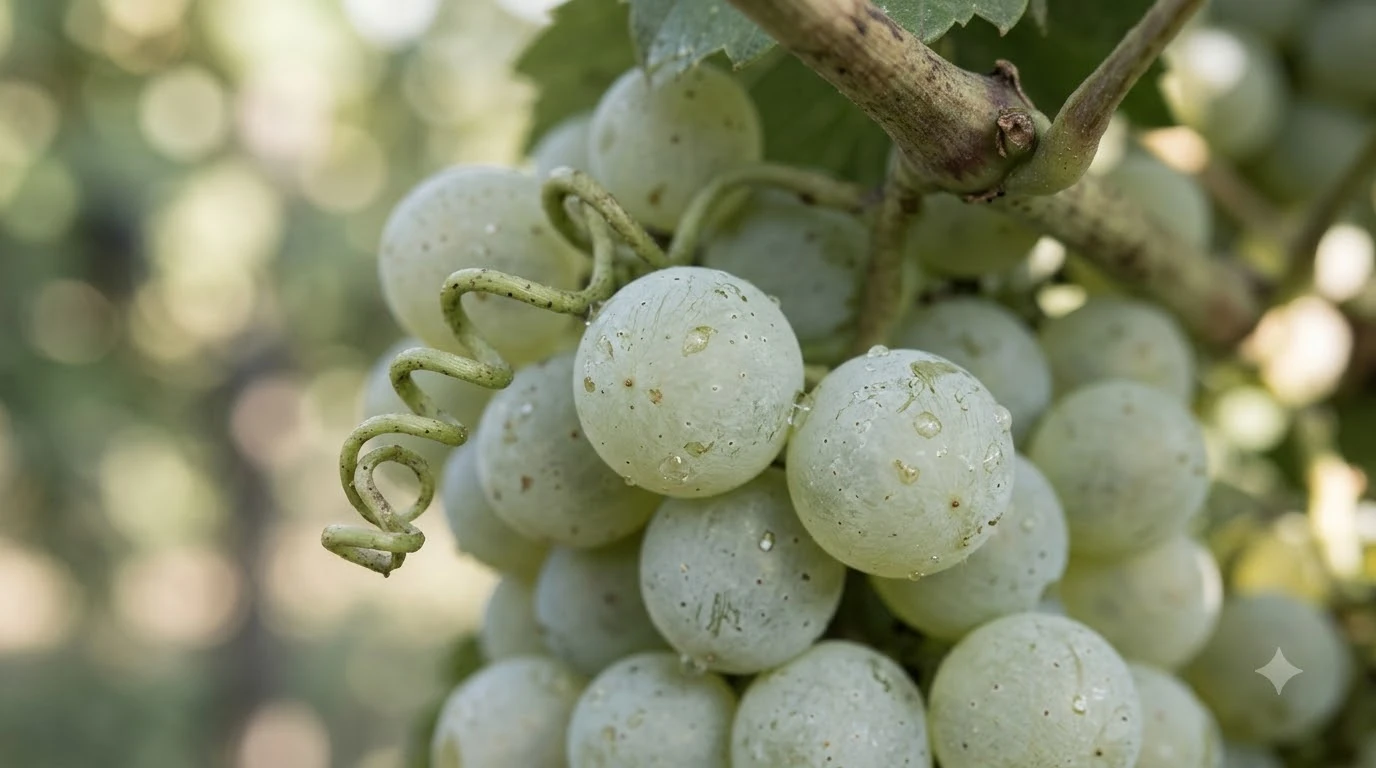
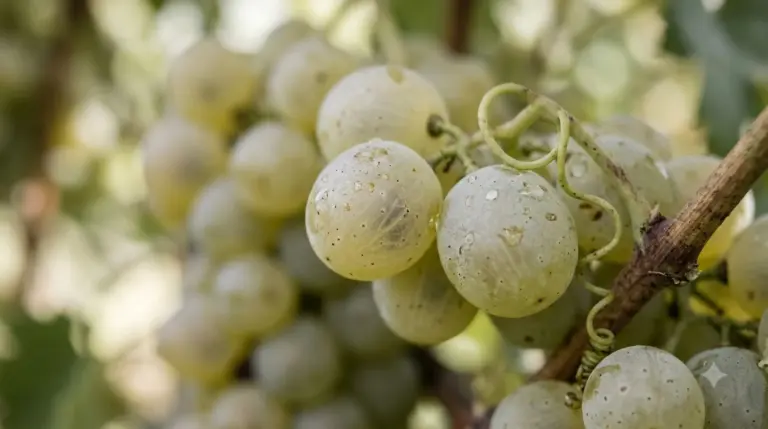
In the vineyard, Rolle produces medium-to-large conical clusters of golden-green berries that develop a faint pinkish blush when fully ripe. Growers usually train the vines on wires to protect the heavy fruit clusters from strong coastal winds like the Mistral. If you want to explore the specific bottling styles made under this French name, you can read more in our overview of rolle wine. Knowing its botanical identity makes it much easier to recognize on wine labels across Europe.
Flavor Profile and Winemaking Styles
Rolle wines are almost always dry, offering a bright bouquet of lemon zest, grapefruit, green apple, and white flowers backed by a subtle, oily texture and a saline finish. Depending on where the grapes grow and how the winemaker handles fermentation, the style ranges from razor-sharp and zesty to round and creamy.
Most producers ferment Rolle in temperature-controlled stainless steel tanks to lock in its primary fruit and floral aromatics. In these unoaked versions, the palate shows snappy acidity, crushed-rock minerality, and a signature hint of bitter green almond or grapefruit pith on the aftertaste. Alcohol levels typically sit between 12.5 percent and 13.5 percent, keeping the wine light on its feet even during hot summer afternoons.
A smaller group of ambitious winemakers chooses to age Rolle on its lees—the spent yeast cells left after fermentation—or mature the wine briefly in neutral oak barrels. According to Wine Folly’s grape profile, these fuller expressions trade some raw citrus zip for richer notes of ripe pear, toasted almond, beeswax, and brioche. Additionally, Provençal winemakers frequently blend a splash of Rolle into red-grape rosés made from Grenache and Cinsault, using the white grape to lift the aromatics and sharpen the finish.
Where Rolle Grows
Rolle flourishes across the western Mediterranean coastline, growing predominantly in southern France under the name Rolle and in Italy and Corsica under the name Vermentino. Each coastal region imparts a distinct regional signature shaped by soil composition, elevation, and sea proximity.
In France, the grape’s spiritual home is Provence, particularly within the tiny hillside appellation of Bellet near Nice, where Rolle serves as the dominant white variety. Across the broader Côtes de Provence and Coteaux Varois en Provence appellations, higher-altitude limestone vineyards yield white wines with crisp citrus tension and herbal complexity. Winemakers in Languedoc-Roussillon and the southern Rhône Valley, such as the Luberon, also bottle single-varietal Rolle that leans slightly riper with stone fruit and sweet spice notes.
Across the water on the French island of Corsica, the grape is known locally as Vermentinu and produces lean, smoky, high-acid whites on granitic slopes. Meanwhile, in Italy, the exact same grape anchors Sardinia’s flagship Vermentino di Gallura DOCG, as well as coastal vineyards in Tuscany and Liguria, where Ligurian growers also call a closely related clone Pigato. Comparing these regional expressions side by side highlights how soil and climate reshape the grape’s personality.
| Region / Appellation | Local Grape Name | Soil Type | Typical Flavor & Style |
|---|---|---|---|
| Provence (Bellet & Côtes de Provence), France | Rolle | Limestone, sandstone, clay | White flowers, pear, green almond, round texture |
| Languedoc & Luberon, France | Rolle | Limestone, gravel | Ripe citrus, stone fruit, subtle herbal spice |
| Corsica (Calvi & Patrimonio), France | Vermentinu | Granite, schist | Zesty lime, lean minerality, faint smokiness |
| Sardinia (Gallura), Italy | Vermentino | Weathered granite | Grapefruit, jasmine, medium body, salty finish |
| Liguria & Coastal Tuscany, Italy | Vermentino / Pigato | Sand, clay, marine fossils | Lemon zest, wild herbs, crisp saline acidity |
How to Serve Rolle
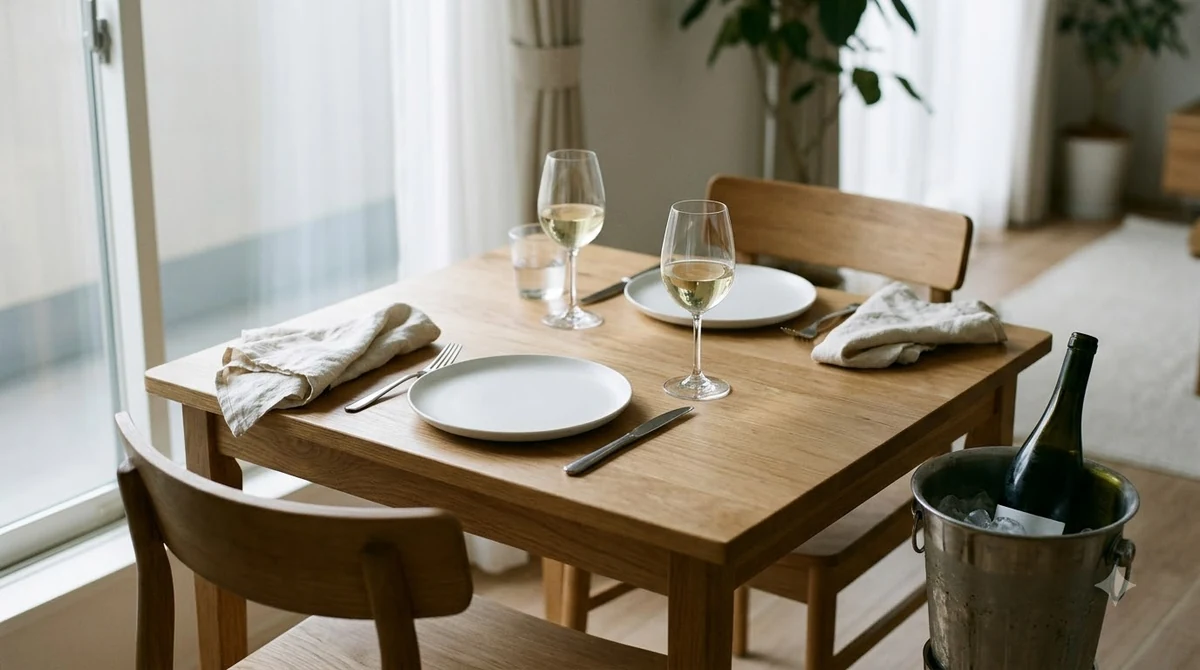
Serve Rolle well-chilled at 45°F to 50°F (7°C to 10°C) in a standard white wine glass to preserve its delicate floral aromas and crisp acidity. Serving it straight from an ice-cold refrigerator can mute its subtle herbal and nutty nuances, so letting the bottle rest on the counter for ten minutes before pouring helps the aromatics open up.
A tulip-shaped white wine glass works best because the slightly tapered rim concentrates citrus and white blossom scents toward your nose while directing the wine onto the center of your palate. For oak-aged or lees-aged bottles from Bellet or coastal Tuscany, pouring into a slightly wider Chardonnay-style bowl allows the richer hazelnut and brioche notes to breathe. Decanting is rarely necessary for young, stainless-steel Rolle, though a quick twenty-minute splash in a carafe can soften an assertive, youthful vintage.
Most Rolle is crafted for immediate enjoyment within one to three years of the vintage date, when its fresh grapefruit and sea-spray character shines brightest. However, structured single-vineyard cuvées from top Provençal estates can evolve gracefully for four to five years in a cool cellar, developing honeyed, savory complexity. Once opened, recork the bottle and store it in the refrigerator, where it will stay vibrant for two to three days.
Tip: When ordering at a restaurant or chatting with a wine shop clerk, knowing how to pronounce rolle makes asking for recommendations effortless—it sounds just like the English word “roll.”
Food Pairings for Rolle
Rolle’s combination of zesty citrus acidity, herbal undertones, and subtle salinity makes it an ideal partner for Mediterranean seafood, grilled vegetables, and herb-driven poultry dishes. Its medium body carries enough weight to stand up to olive oil, garlic, and light cream sauces without overwhelming delicate fish.
Coastal classics offer the most natural match. Pan-seared sea bass, grilled branzino, steamed mussels, and garlicky shrimp scampi echo the wine’s natural sea-salt finish while the lemony acidity cuts through rich butter or olive oil. In southern France and Liguria, locals regularly pour Rolle alongside bouillabaisse, salted cod brandade, and pasta tossed with fresh basil pesto, where the wine’s green almond and herbal notes mirror the pine nuts and basil.
Beyond seafood, Rolle pairs effortlessly with roast chicken rubbed with rosemary and thyme, grilled zucchini, artichoke salads, and fresh goat cheese or sheep’s-milk feta. Because it lacks the aggressive, grassy sharpness of some New Zealand Sauvignon Blancs, it works smoothly with dishes seasoned with lemon juice rather than sharp vinegar. You should generally skip pairing Rolle with heavy red meats, deeply sugary glazes, or fiery chili sauces, as those bold flavors will mask the wine’s nuanced minerality.
How to Choose a Good Bottle
Look for recent vintages from coastal appellations—such as Côtes de Provence, Bellet, Corsica, or Vermentino di Gallura—and check the back label for clues about oak aging and alcohol level. Focusing on origin and vinification style helps you match the bottle to your personal taste.
If you enjoy crisp, mineral-driven whites like Sancerre or Pinot Grigio, choose unoaked bottles from Corsica, Liguria, or higher-elevation Provence vineyards that list alcohol around 12.5 percent to 13 percent. If you prefer a rounder, richer mouthfeel closer to unoaked Chardonnay, look for wines labeled “sur lie” (aged on the lees) or bottles from Bellet and coastal Tuscany, which often reach 13.5 percent to 14 percent alcohol. Exploring Wine by Type can also help you compare Rolle’s weight and texture against other Mediterranean white varieties.
You may also encounter Rolle blended with other regional grapes rather than bottled on its own. In southern France, winemakers frequently pair Rolle with Grenache Blanc, Clairette, or Ugni Blanc to create balanced white blends, while Spanish winemakers sometimes rely on high-yielding varieties like the airen grape for light, neutral table wines. Reading the back label will tell you whether you are getting pure varietal Rolle or a traditional Mediterranean blend.
Frequently Asked Questions
Is Rolle the exact same grape as Vermentino?
Yes, DNA profiling confirms that Rolle and Vermentino are the exact same grape variety. French winemakers in Provence and Languedoc traditionally use the name Rolle, whereas producers in Italy and Corsica label the wine as Vermentino or Vermentinu.
Is Rolle wine dry or sweet?
Rolle is almost always fermented completely dry, meaning it contains virtually no residual sugar. Ripe stone fruit and floral aromas on the nose can give a sweet impression at first sniff, but the palate finishes crisp, savory, and faintly bitter like green almond.
What popular white wine tastes most like Rolle?
Rolle sits comfortably between Sauvignon Blanc and Pinot Grigio in style. It offers the bright citrus and herbal lift of a restrained French Sauvignon Blanc without intense grassy notes, paired with the medium body and clean mineral finish of coastal Italian whites.
Why do winemakers put Rolle in Provence rosé?
Red grapes grown in warm Mediterranean climates can sometimes produce rosés with lower natural acidity. Blending a small percentage of white Rolle grapes into red-grape cuvées adds vibrant citrus aromatics, lifts the floral bouquet, and gives the finished rosé a crisper, more refreshing backbone.
Whether you find it labeled as Rolle on a Provençal bottle or Vermentino on an Italian shelf, this sun-loving Mediterranean grape delivers reliable freshness and food-friendly versatility. Keep a bottle chilled for your next seafood dinner or warm-weather gathering to experience one of coastal Europe’s brightest white wines.
More in Wine Types & Grapes
 What Is Sparkling Red Wine and How to Serve It RightUpdated Nov 21, 2026
 What Is Savagnin? How to Taste, Serve, and Pair Jura’s Signature White GrapeUpdated Nov 21, 2026
 What Is Sagrantino? Umbria’s Boldest Red Grape ExplainedUpdated Nov 21, 2026
 What Is Ribolla Gialla? Styles, Flavor, and How to Serve ItUpdated Nov 21, 2026
 What Is Ribera del Duero? Spain’s Bold Tempranillo Region ExplainedUpdated Nov 21, 2026
 What Is Provence Rose? Grapes, Flavor, and How to Serve ItUpdated Nov 21, 2026