

We may earn a commission when you buy through links on this page, at no extra cost to you. Learn more.
Dry zinfandel is a red wine made from the zinfandel grape with nearly all of its natural sugar fermented into alcohol, so it tastes fruity and spicy rather than sweet. Most bottles are full-bodied, with jammy blackberry, black pepper and warm spice notes, and the alcohol often runs above 14%. It is the red counterpart of White Zinfandel, the pink, sweet style that made the grape famous decades ago.
If you have seen “zinfandel” on a wine list and wondered whether it will taste like the sweet pink wine your friends drink, this guide clears that up. It explains what dry zinfandel tastes like, how climate changes the flavor, where the grape grows, how it differs from White Zinfandel, and how to serve and pair it at home. If you are still building your general knowledge, the Wine Buying Guides hub is a good place to start.
What dry zinfandel is
Zinfandel is a dark-skinned grape that makes red wines with plenty of fruit and body. When winemakers ferment the juice until almost no sugar remains, the result is a dry wine. Dry is a technical term about sugar, not about fruit flavor. A dry zinfandel can taste ripe and fruity while still having no noticeable sweetness on the palate.
The grape has a long history in the United States, where it is one of the most widely planted wine grapes in California. Its DNA matches Crljenak Kaštelanski from Croatia and Primitivo from southern Italy, which tells you the same grape has traveled under several names. Wikipedia’s entry on the grape describes these genetic links in more detail.
Flavor profile and how climate changes it
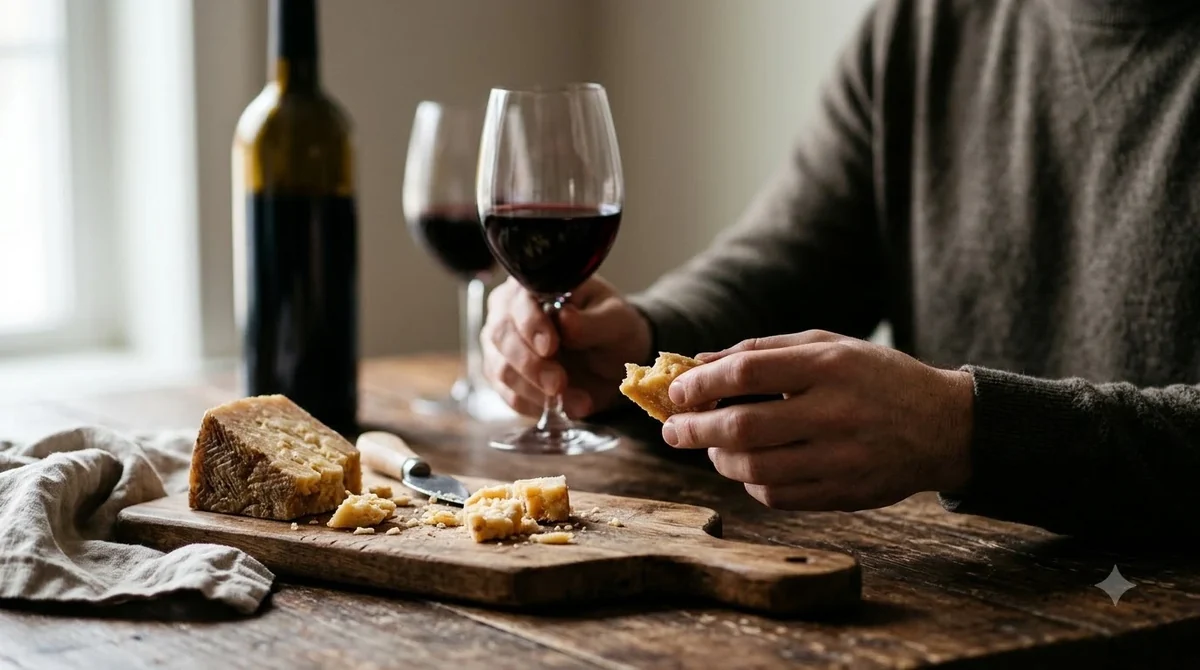
Most dry zinfandels share a few traits: a full body, medium-high tannins, medium-low acidity, and a fruit-forward character. Wine Folly, in its guide to the zinfandel grape, describes the style as bold and fruit forward, with jammy fruit and smoky spice. The exact flavors depend heavily on where the grapes were grown and how warm the growing season was.
Cooler sites tend to produce lighter, brighter wines with red berry notes such as raspberry and strawberry. Warmer sites push the fruit toward deeper blackberry and plum, and the wines often show more black pepper, anise and baking spice. Warm-climate bottles usually carry more alcohol as well, which is why you will see labels above 14% and sometimes higher.
| Style | Typical fruit | Typical spice and texture | Usual alcohol |
|---|---|---|---|
| Cooler-climate dry zinfandel | Raspberry, strawberry, red cherry | Light spice, brighter acidity | Often near 14% |
| Warm-climate dry zinfandel | Blackberry, plum, dark cherry | Black pepper, cinnamon, anise, firm tannins | Often 14% to 15%+ |
| Old-vine dry zinfandel | Concentrated dark fruit | Layered spice, more structure | Frequently high |
Where dry zinfandel grows
In the United States, zinfandel is grown across the continental country, but California grows the largest share. Wine Folly lists major zinfandel areas including Lodi, Paso Robles, the North Coast and the Sierra Foothills. Each area adds its own character. Lodi bottles are often praised for value and generous fruit, while North Coast examples can show more structure and polish.
Outside the United States, the same grape is grown in Italy, where it is known as Primitivo and is concentrated in Puglia. Italian Primitivo is often made as a powerful red, and the top styles can reach around 16% alcohol. Smaller plantings exist in Croatia, Macedonia, Australia and South Africa, among other places.
Dry zinfandel vs. White Zinfandel
The biggest source of confusion around this grape is the pink wine. White Zinfandel is a semi-sweet rosé made from zinfandel grapes, usually with the fermentation stopped early or sugar left in the wine. Its origin story is tied to a winery in California in the early 1970s, and the style became very popular in the following decades. Today it remains a large seller, while dry red zinfandel is the style serious wine drinkers usually mean.
| Feature | Dry zinfandel (red) | White Zinfandel (rosé) |
|---|---|---|
| Color | Deep ruby to purple | Pale pink or blush |
| Sweetness | Dry, no noticeable sugar | Semi-sweet |
| Main flavors | Blackberry, pepper, spice | Strawberry, raspberry, cherry |
| Body | Full-bodied, with firm tannins | Light-bodied, smooth |
| Best with | Grilled meat, barbecue, hearty dishes | Sweet dishes, spicy takeout, sipping |
How to serve dry zinfandel
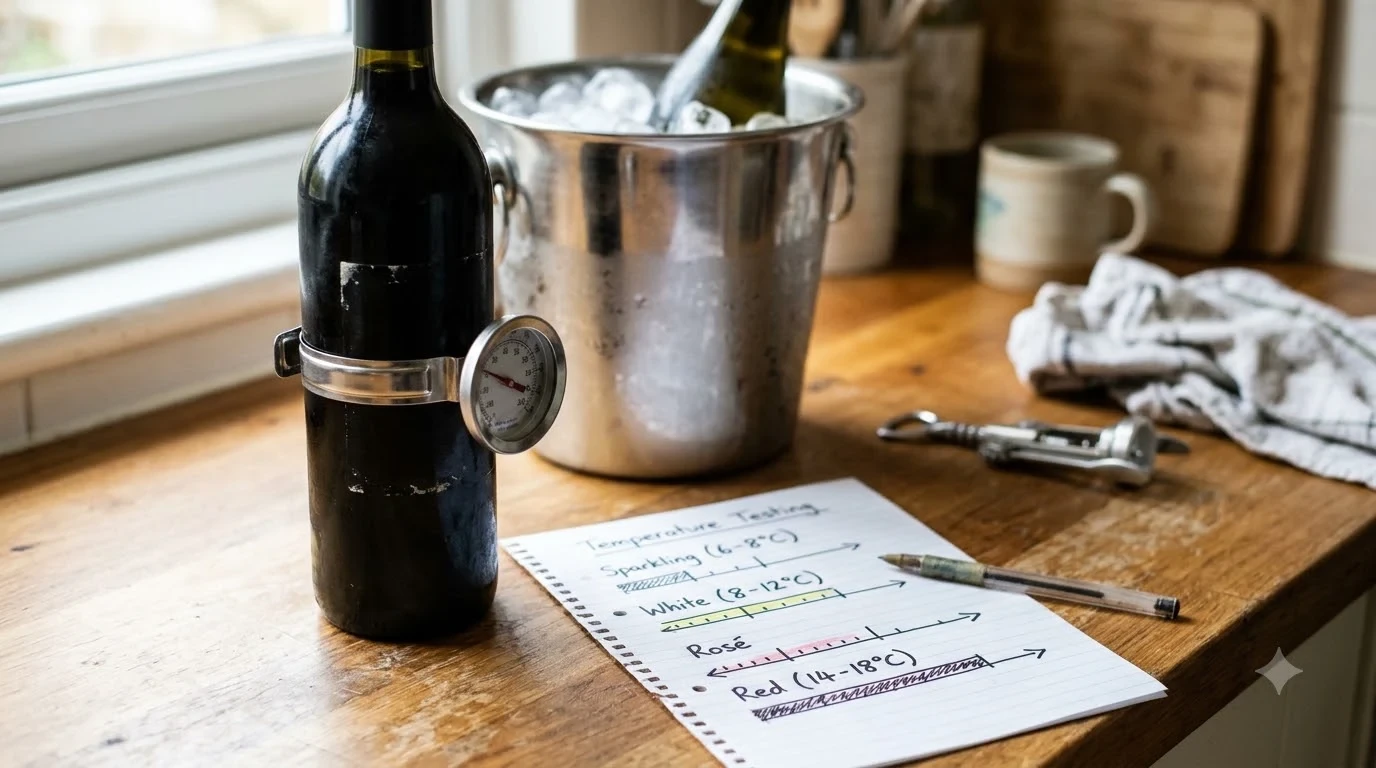
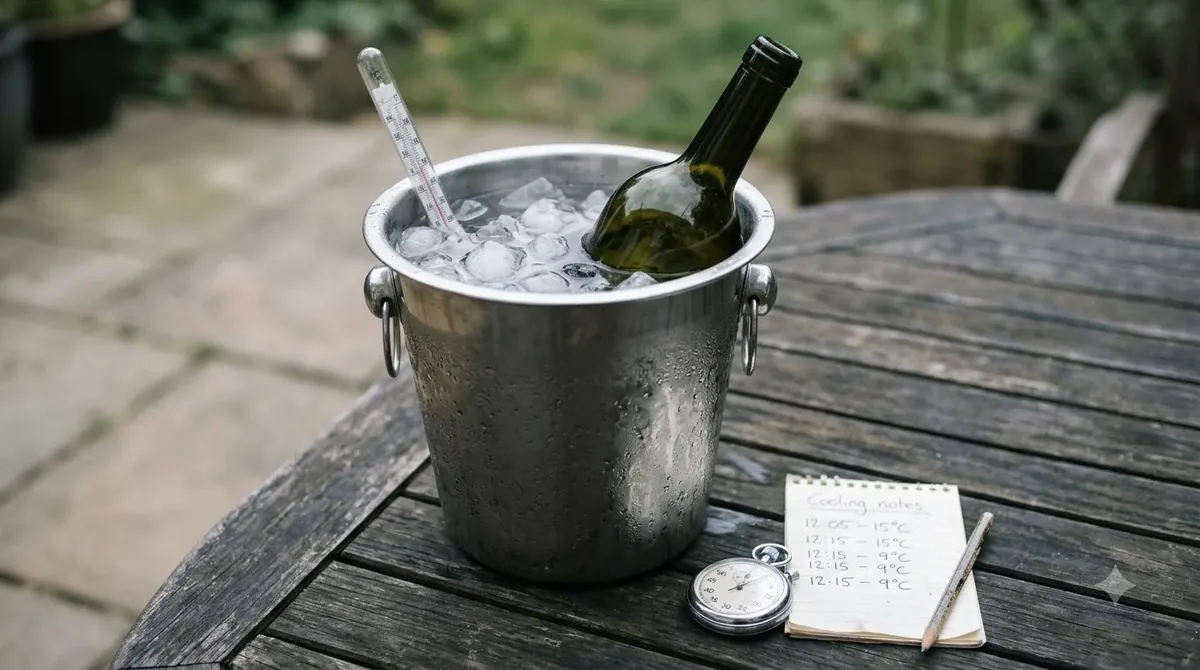
Serving temperature makes a real difference with a bold red. Wine Folly suggests serving zinfandel between about 60 and 68°F (15 to 20°C). That is slightly cooler than most people expect from a full red, and it keeps the alcohol from feeling hot and the fruit from turning jammy. If the bottle has been sitting in a warm kitchen, give it 15 to 20 minutes in the refrigerator before pouring.
A large red glass gives the wine room to open. For younger, very fruit-heavy bottles, a short decant can soften the tannins and let the spice come forward. Older bottles usually need less air, so pour gently and taste as you go.
Tip: If the wine tastes hot or heavy, chill it briefly before pouring. A cooler serving often shows the fruit and spice more clearly than a warm glass.
What to pair with dry zinfandel
Zinfandel’s combination of fruit, spice and firm tannins makes it a flexible food wine. Its natural partners are barbecue, smoky grilled meat and dishes with plenty of pepper or cumin. Wine Folly points to pulled pork, baby back ribs, roast lamb and burgers as classic matches, along with game meats. Sharp cheddar, smoked gouda and grilled halloumi work well on a cheese board.
Vegetables can pair too, especially caramelized onions, grilled eggplant and mushrooms. Moroccan and Turkish spices, which echo the wine’s cinnamon notes, also work nicely. For more ideas on matching bold wines with richer plates, see the dry port page, which covers another full-bodied style that works with hearty food.
How to choose a bottle
Start by reading the label for the region. A bottle that names a specific area, such as Lodi or Paso Robles, usually tells you more about the style than a generic label. Check the alcohol percentage as well. Anything above 15% will taste bigger and warmer, which some people love and others find heavy with food.
If you want more fruit and less grip, look for newer vintages from cooler sites. If you want a firmer, spicier wine for steak or ribs, pick a warm-climate bottle from an established producer. For a lighter entry point into dry red, many people also enjoy a cool-climate pinot noir, and the organic pinot grigio guide is useful if you prefer a dry white for lighter meals.
Frequently Asked Questions
Is dry zinfandel sweet?
No. Dry zinfandel has had almost all of its natural grape sugar fermented into alcohol, so it tastes dry. The fruit flavors can seem ripe and jammy, which some people mistake for sweetness, but the wine itself is not sweet.
Is zinfandel the same as Primitivo?
They are the same grape, genetically. Primitivo is the name used in Italy, especially in Puglia, and the wines are often made in a bolder, higher-alcohol style. Zinfandel is the name used in the United States.
What is a good temperature to serve dry zinfandel?
Serve it between about 60 and 68°F (15 to 20°C). Chill it slightly if it has been sitting in a warm room, because a cooler glass keeps the alcohol from tasting hot and lets the fruit stay clear.
Does dry zinfandel go well with spicy food?
Often yes. Its fruit and warm spice can balance dishes with chili, cumin or smoky barbecue sauce. Very hot dishes can make the alcohol feel stronger, so a cooler serving temperature and a simple side dish usually work better.
Dry zinfandel is a bold, fruit-forward red that rewards a little attention to serving temperature and food. Choose a bottle from a region you trust, serve it slightly cool, and pair it with grilled or smoky dishes. Once you know the style, you can compare it with other dry reds and see which one suits your table best.
More in Wine Buying Guides
 Riesling Gift: Choose a Bottle They’ll LoveUpdated Nov 21, 2026
 Sweet Red Wine Gift: Choose a Bottle They’ll LoveUpdated Nov 21, 2026
 Malbec Gift: How to Choose a Memorable Bottle for Any OccasionUpdated Nov 21, 2026
 Sherry Gift Ideas That Match Every Wine LoverUpdated Nov 21, 2026
 Moscato Gift: How to Choose a Sweet Wine They’ll LoveUpdated Nov 21, 2026
 Merlot Gift: How to Choose a Bottle They’ll AppreciateUpdated Nov 21, 2026