


We may earn a commission when you buy through links on this page, at no extra cost to you. Learn more.
Prosecco sangria is a lighter, sparkling take on the classic Spanish punch, made by combining chilled Prosecco with fresh fruit, a little sweetener, and sometimes a splash of liqueur or juice. Because Prosecco is fizzy and fairly light, the drink tastes crisp and floral rather than heavy. It is a practical choice for brunch, summer parties, or any gathering where you want a pitcher that is easy to pour and easy to refill.
Traditional sangria is built on red wine, but Prosecco offers a different balance. This guide explains how Prosecco sangria differs from the red and white versions, which fruits and sweeteners suit it, and how to keep the bubbles lively when serving a crowd.
What makes Prosecco sangria different
Sangria has roots in Spain and Portugal. According to the Wikipedia entry on sangria, red wine is the standard base, and Spanish Rioja is the traditional choice. White wine versions, called sangria blanca, are a more recent development, and the same entry notes that a sparkling wine version is known as sangria de cava, using Spain’s own sparkling wine.
Prosecco fits naturally into that sparkling family. It is an Italian white wine made from the Glera grape, which was renamed in Italy in 2009. Most Prosecco is sold as a sparkling or semi-sparkling wine, so when you add it to a pitcher, the drink gains fizz rather than the depth of a red base. The result is closer to a fruit spritz than to a traditional red punch.

Choosing the right Prosecco
Prosecco is produced across a large area of Veneto and Friuli-Venezia Giulia, and the label tells you a lot about what is in the bottle. The most famous style is spumante, which is fully sparkling with longer-lasting bubbles. Frizzante is semi-sparkling and loses its bubbles more quickly, which can be useful if you want a softer pour. Still Prosecco, called tranquillo, is rarely exported and is not the usual choice for sangria.
Sweetness matters as well. The EU sparkling wine terms place Brut as the driest common style, followed by Extra Dry, which has more residual sugar. Because the fruit and any added sweetener already bring sugar to the pitcher, a Brut or Extra Brut Prosecco is often the better base. If you prefer a sweeter punch, choose an Extra Dry and reduce the added sugar in the recipe.
| Prosecco style | What it does in sangria | Best use |
|---|---|---|
| Spumante (fully sparkling) | Lively bubbles that stay in the glass longer | Party pitchers and brunch |
| Frizzante (semi-sparkling) | Softer fizz that fades faster | Slow sipping and smaller batches |
| Brut or Extra Brut | Dry, clean finish that lets fruit lead | Fruit-heavy recipes |
| Extra Dry | Slightly sweeter, rounder body | Recipes with less added sugar |
Tip: Pour the Prosecco in at the last moment, after the fruit has steeped, so the bubbles stay bright when guests arrive.
Fruit and flavor combinations that work
Traditional sangria recipes use peaches, nectarines, berries, apples, and pears, and the same fruit works in a sparkling version. Soft fruit gives up flavor quickly, so peaches, strawberries, and raspberries are good choices for a short soak. Firmer fruit like apples and pears can rest longer and still keep their texture.
Citrus adds brightness. Orange is the usual partner, and lemon or lime works if you want a sharper edge. Some recipes add a touch of brandy or a flavored liqueur for body, and the Wikipedia entry notes that sparkling water is sometimes used too. Keep the additions modest. Prosecco is delicate, and too many strong flavors can hide its floral character.
Herbs such as mint or basil can give the drink an aromatic lift. Add them just before serving, since they can turn bitter if they soak for too long.
How to make Prosecco sangria step by step
Start by cutting the fruit into bite-sized pieces and placing it in a pitcher. Add a small amount of sweetener, such as sugar or a simple syrup, and a splash of orange juice so the fruit releases its juice. Let the mixture sit for a short time, so the fruit softens and the flavors start to blend. Refrigerate the pitcher while you work.
Chill the Prosecco thoroughly before it goes into the pitcher. Pour it slowly down the side of the pitcher or a spoon to keep as much fizz as possible. Give the mixture one gentle stir, then serve over ice in wine glasses or tumblers, spooning in some fruit with each pour.
- Cut fruit and combine with sweetener and juice in a chilled pitcher.
- Let the fruit steep briefly in the refrigerator.
- Add a splash of liqueur or brandy if the recipe calls for it.
- Pour in chilled Prosecco just before serving and stir gently once.
- Serve over ice with fruit in each glass.
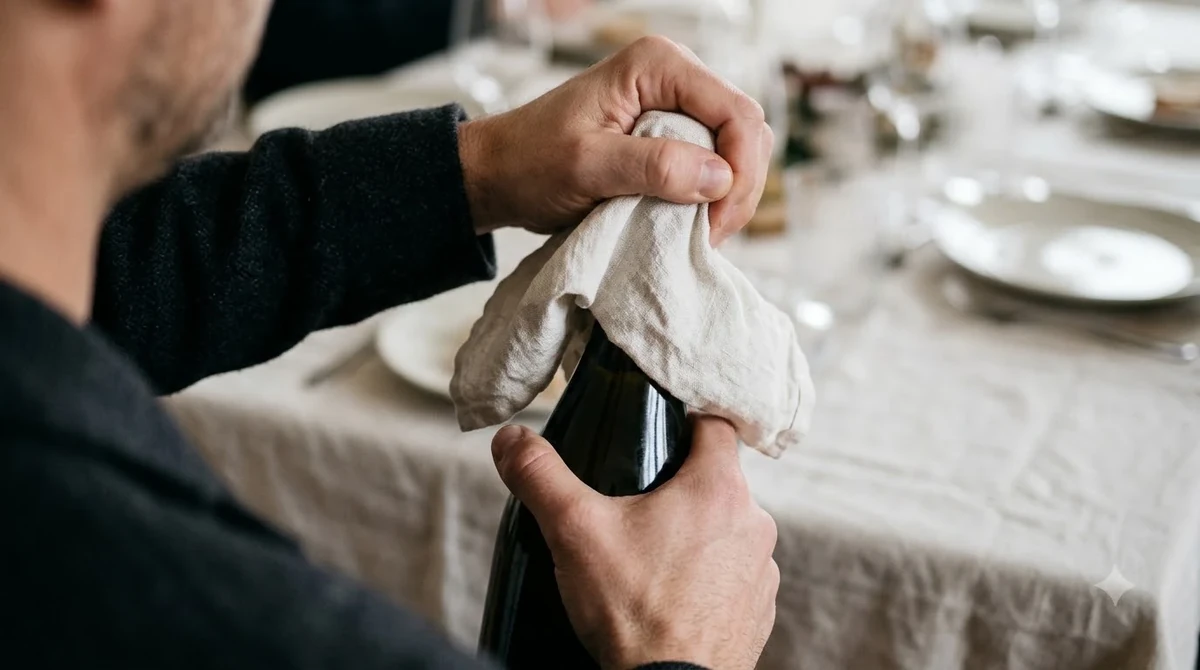
Serving and storing a Prosecco sangria
Serve Prosecco sangria cold. The Prosecco should be chilled before you add it, and the pitcher should stay in the refrigerator or on ice. Because the wine is sparkling, it loses fizz over time, so mix only as much as you expect to serve within an hour or two. If you need to make it ahead, prepare the fruit and juice base and keep the Prosecco separate until guests arrive.
For larger gatherings, set up a station with a pitcher of fruit base, a bottle of chilled Prosecco, and a bowl of ice. Guests can pour their own drink and keep the bubbles fresh. This also makes it easier to offer a non-alcoholic version for guests who prefer to skip the wine. Our guide on how to serve sangria covers more tips for hosting with a pitcher.
Common mistakes with Prosecco sangria
The most common mistake is adding the Prosecco too early. If it sits in the pitcher with fruit for hours, the bubbles fade and the drink tastes flat. Build the fruit base first, then top it with wine just before pouring.
Another mistake is over-sweetening. Fruit, juice, and any liqueur all bring sugar, and sparkling wine can taste sharper when the sugar is high. Taste the base before adding the Prosecco and adjust gradually. A dry Brut usually needs less sweetener than an Extra Dry.
Finally, avoid crowding the glass with too much fruit or ice. Fruit should add flavor and a little visual charm, not fill the glass. A few well-cut pieces per serving are enough for a light, fizzy drink.
Frequently Asked Questions
Can you use Prosecco instead of wine in sangria?
Yes. Prosecco is a sparkling white wine, so it gives sangria a light, fizzy character instead of the deeper taste of red. It works best when you add it at the end so the bubbles stay lively.
Is Prosecco or Cava better for sangria?
Both are sparkling wines from Europe and both suit this style of drink. Prosecco is typically fruitier and lighter, while Cava is a Spanish sparkling wine that fits the traditional sangria de cava idea. Choose whichever you enjoy more, and pick a dry bottle if you want the fruit to lead.
What fruit is best for Prosecco sangria?
Peaches, nectarines, berries, and citrus are popular choices. Soft fruit releases flavor quickly, so keep the soak short. Firmer fruit like apples and pears can rest a little longer without going mushy.
Should Prosecco sangria be made ahead of time?
You can prepare the fruit and juice base ahead, but add the Prosecco just before serving. Sparkling wine loses its bubbles once it sits in a mixed pitcher, so a fresh pour makes a noticeable difference.
Prosecco sangria is an easy way to bring a sparkling twist to a familiar punch. Pick a dry Prosecco, keep the fruit simple, and add the wine at the last moment. For more ideas on wine-based drinks and how each style behaves, browse our wine by type section.
More in Wine Types & Grapes
 Zinfandel Sugar Content: Dry Red vs. White Zinfandel GramsUpdated Nov 21, 2026
 Best Zinfandel Substitute Options for Sipping and CookingUpdated Nov 21, 2026
 Zweigelt Food Pairing: Best Dishes, Cheeses, and Serving TipsUpdated Nov 21, 2026
 Zinfandel Tannins Explained: How Structure Shapes Every BottleUpdated Nov 21, 2026
 Zinfandel Sweetness Level: Dry Red vs. Sweet White Zin ExplainedUpdated Nov 21, 2026
 Xinomavro Food Pairing: Best Dishes, Styles, and Serving TipsUpdated Nov 21, 2026