

We may earn a commission when you buy through links on this page, at no extra cost to you. Learn more.
If you are wondering what is pinot noir rose, it is a crisp, dry-leaning pink wine made from red Pinot Noir grapes whose skins remain in contact with the juice for only a brief period. Rather than developing the deep color and firm tannins of a traditional red wine, the juice picks up a pale salmon or copper hue alongside bright acidity and fresh red fruit aromas. Most bottles are fermented in stainless steel to preserve vibrant notes of wild strawberry, watermelon, and citrus zest.
Pinot Noir is famous worldwide as a temperamental red grape, yet its thin skins and naturally high acidity make it one of the most expressive varieties for pink winemaking. Whether bottled as a still table wine in Oregon or blended into a sparkling rosé in Champagne, it bridges the refreshing snap of a white wine with the subtle berry depth of a light red.
What It Is and How It Is Made
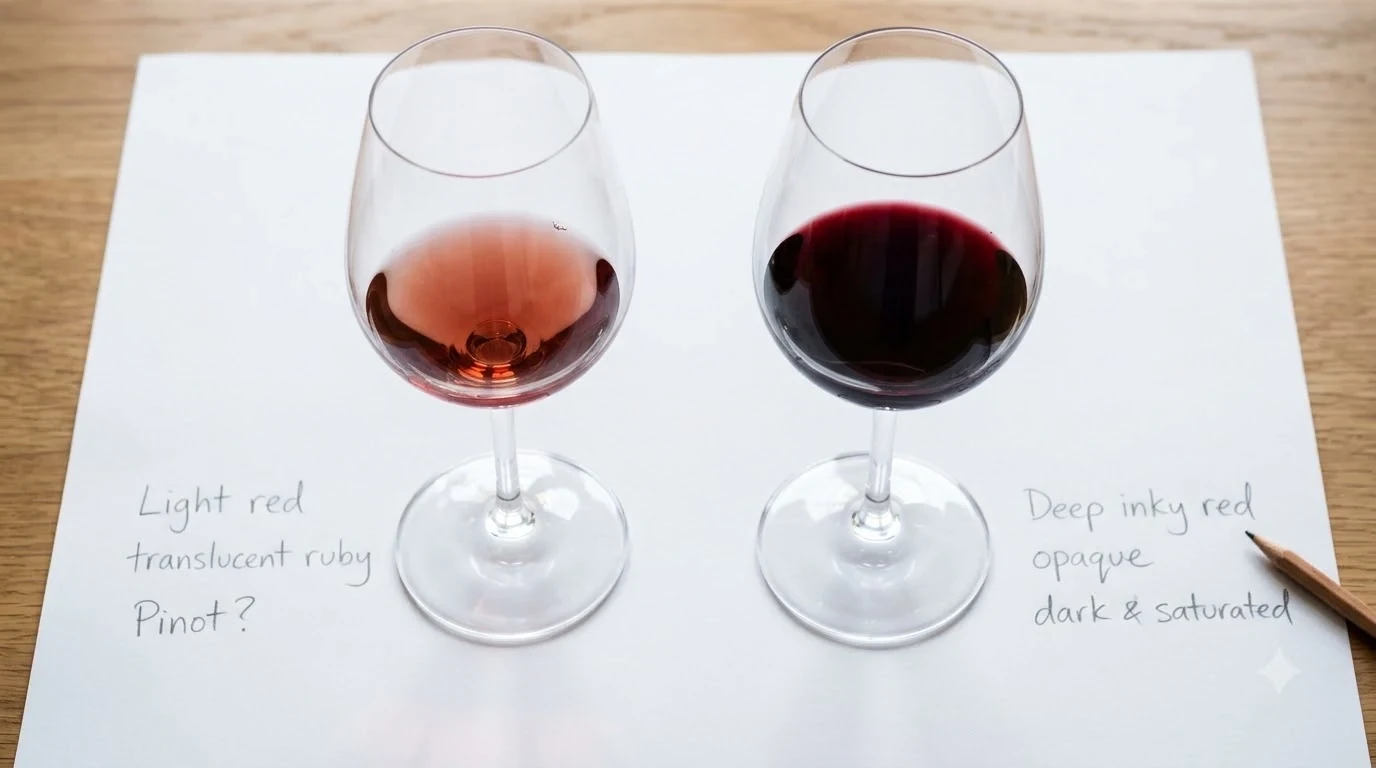
Pinot Noir rosé is a pink wine crafted from black-skinned Pinot Noir grapes using limited skin contact so the juice absorbs delicate pigment without heavy astringency. Because the flesh and juice of almost all red wine grapes are clear, the pink tint comes entirely from how long the crushed fruit rests on its skins before pressing.
As Wine Folly’s guide to rosé production explains, winemakers rely on three primary techniques to turn Pinot Noir into pink wine. The most widespread method is direct maceration, where harvested grapes are crushed and left to soak in their juice for roughly 2 to 24 hours. Once the liquid reaches the winemaker’s preferred shade of pale copper or blush pink, the skins are pressed away and the juice ferments cool, usually in stainless steel tanks.
A second approach is the saignée, or “bled,” method. During the early stages of red Pinot Noir winemaking, a producer drains off a portion of pink juice from the fermentation tank. This concentrates the ratio of skins to liquid for the remaining red wine while yielding a separate batch of richer, fuller-bodied rosé. Finally, in sparkling regions like Champagne, producers sometimes use the blending method, adding a small splash of finished red Pinot Noir wine to a white base wine before secondary fermentation.
Regardless of the technique, Pinot Noir’s genetic makeup suits pink wine remarkably well. The grape naturally has thinner skins than varieties like Cabernet Sauvignon or Syrah, which means it imparts gentle structure and subtle floral aromatics rather than aggressive grip. Winemakers also harvest fruit intended for rosé slightly earlier than fruit destined for red wine to lock in mouthwatering natural acidity.
Flavor Profile and Wine Styles
A typical bottle of Pinot Noir rosé delivers bright, lifted aromas of wild strawberry, watermelon, and citrus peel backed by crisp, refreshing acidity. While fruit-forward on the nose, the vast majority of modern bottles finish completely dry, with the ripe berry character creating an impression of roundness rather than actual sugar.
Reviewers at Wine Folly note that American Pinot Noir rosé often opens with vibrant strawberry and raspberry notes alongside peach, melon, and fresh-cut grass. On the palate, that initial burst of red fruit is balanced by sharp citrus tones—such as orange zest, lemon zest, or pink grapefruit—and occasionally a savory, herbal hint of celery leaf or crushed stem when whole grape clusters are included in the press.
Style varies noticeably depending on cellar choices and regional climate. In France, ultra-pale bottlings made with minimal skin contact are sometimes labeled as vin gris, or “gray wine,” emphasizing wet-stone minerality, white flowers, and a featherweight body. In contrast, New World expressions from coastal California or Oregon tend to show slightly more mid-palate weight and plush red fruit. Sparkling Pinot Noir rosé, produced via the traditional method in Champagne or Crémant appellations, adds fine bubbles and brioche complexity to the grape’s signature red-berry core.
| Style Characteristic | Cool-Climate / Old World Style | Coastal New World Style | Sparkling Rosé Style |
|---|---|---|---|
| Typical Appearance | Very pale pink to onion-skin hue | Pale copper to salmon pink | Delicate salmon with persistent mousse |
| Primary Fruit Notes | Tart strawberry, white cherry, redcurrant | Ripe strawberry, watermelon, peach | Wild raspberry, blood orange, cherry |
| Non-Fruit & Savory Notes | Chalky minerality, white blossoms, herbs | Citrus zest, melon, subtle green stem | Brioche, pastry cream, white pepper |
| Body & Texture | Light-bodied, brisk, linear | Light-to-medium body, rounded mid-palate | Creamy effervescence with taut acidity |
Where Pinot Noir Rosé Grows Best
Pinot Noir thrives in cool to moderate wine regions where long growing seasons preserve its delicate aromatics and snappy acidity. Because excessive heat can quickly dull the grape’s freshness, the finest pink bottlings come from coastal valleys, northern latitudes, and high-elevation vineyards.

As VinePair’s overview of Pinot Noir highlights, France sets the historical benchmark across several distinct appellations. In the Loire Valley, Sancerre produces benchmark dry Pinot Noir rosé defined by flinty minerality and tart red fruit. Further north in Champagne, Pinot Noir serves as a foundational grape for both still base wines and prestigious rosé Champagnes, while Alsace crafts crisp still and sparkling Crémant d’Alsace rosés exclusively from the variety.
In the United States, Oregon’s Willamette Valley and California’s cool coastal pockets—including Sonoma Coast, Anderson Valley, and Monterey County—have become premier sources for dedicated Pinot Noir rosé. Morning fog and ocean breezes slow down ripening, allowing winemakers to pick grapes with vibrant natural acid even in warmer vintages.
Beyond France and the West Coast, standout examples also emerge from Germany—where the grape is known as Spätburgunder and often bottled as dry Weissherbst—as well as Northern Italy’s Alto Adige, New Zealand’s Marlborough and Central Otago, and Chile’s breezy Casablanca Valley. Across all these different styles of wine, cool night temperatures remain the common thread that keeps the finished pink wine lively rather than heavy.
How to Serve and Store It
Serve Pinot Noir rosé chilled between 45°F and 55°F (7°C to 13°C) to balance its refreshing acidity with its delicate red-berry aromatics. Serving it straight from a standard kitchen refrigerator—which typically runs around 35°F to 38°F—will mute the fruit and floral notes, while serving it at room temperature makes the alcohol feel heavy.
According to Wine Enthusiast, lighter, crisper styles shine near the lower end of that range, while fuller-bodied or barrel-fermented examples open up best closer to 50°F or 55°F. If a bottle has been sitting at room temperature, about 20 minutes in the refrigerator or 10 to 15 minutes in an ice-and-water bath will bring it right into the ideal zone. For more specifics on adjusting chill times by bottle weight, check our guide to the best serving temperature for Pinot Noir rosé.
A standard stemmed white wine glass with a slightly tapered bowl works best, concentrating the subtle aromas of strawberry blossom and citrus zest while keeping your hands from warming the liquid. Decanting is rarely necessary, though giving a tightly wound, mineral-driven bottle ten minutes of air in the glass can help savory notes emerge. Once opened, reseal the bottle tightly and keep it in the refrigerator, where it will stay fresh for one to three days.
Tip: If you pull a bottle straight from a 38°F kitchen fridge, let it rest on the counter for 10 to 15 minutes before pouring so its subtle strawberry and floral aromas can wake up.
Food Pairing Ideas
Thanks to its lively acidity, low tannins, and subtle savory edge, Pinot Noir rosé is one of the most food-friendly wines at the table. It carries enough body to stand up to rich poultry and meaty fish without overwhelming delicate herbs, vegetables, or fresh cheeses.
Classic pairings lean into dishes that echo the wine’s herbal and bright fruit character. Wine Folly recommends matching Pinot Noir rosé with French herbs like thyme or herbes de Provence, roasted chicken, grilled salmon, and summer corn dishes such as succotash. Its crisp acid also cuts cleanly through fatty or salty foods, making it a natural companion for charcuterie boards, thick-cut ham, creamy Brie, and goat cheese.
For warm-weather meals, try pouring a chilled glass alongside tuna tartare, shrimp tacos, Niçoise salad, or flatbreads topped with roasted vegetables. If you are planning a full dinner menu, explore more food pairings for Pinot Noir rosé to match specific regional styles with your main course.
How to Choose a Good Bottle
When shopping for Pinot Noir rosé, check the vintage date, region, and winemaking notes on the label to find a fresh, balanced bottle. Unlike age-worthy red Burgundy, most still rosés are crafted for immediate vibrancy and taste best within one to three years of harvest.
Start by looking at the vintage year on the front or back label and reach for the most recent release available on the shelf. Over time, bright primary flavors of fresh strawberry and watermelon fade into flatter, dried-fruit notes. Next, scan the back label for clues about production: phrases like “whole-cluster pressed” or “dedicated rosé program” generally signal grapes grown and harvested specifically for pink wine rather than leftover juice from red wine tanks.
Pay attention to alcohol by volume (ABV) as a quick proxy for style. Bottles between 11.5% and 12.5% ABV typically lean crisp, zesty, and mineral-driven, whereas bottles around 13% to 13.5% ABV usually offer riper stone fruit and a fuller mouthfeel. Finally, do not judge sweetness by color alone—many deeper salmon-colored bottlings are bone dry, a distinction we break down in detail when looking at whether Pinot Noir rosé is sweet or dry.
Frequently Asked Questions
Is Pinot Noir rosé sweet or dry?
The vast majority of Pinot Noir rosé is fermented completely dry, meaning little to no residual sugar remains in the finished wine. Its ripe aromas of strawberry, cherry, and watermelon can create a fruity impression on the mid-palate, but crisp natural acidity leaves the finish clean and refreshing.
How is Pinot Noir rosé different from Provence rosé?
Provence rosé is typically a blend led by Grenache, Cinsault, Syrah, and Mourvèdre, resulting in a citrus-and-herb profile with salty minerality. Pinot Noir rosé is usually a single-varietal wine from cooler regions that showcases brighter red-berry fruit, floral aromatics, and a slightly more rounded mid-palate.
Can you age Pinot Noir rosé?
Most Pinot Noir rosés are designed to be enjoyed young—ideally within one to two years of the vintage date—while their fresh fruit and lively acidity are at their peak. A handful of structured, high-acid bottlings or vintage rosé Champagnes can evolve nicely for three to five years in a cool cellar, but everyday bottles are best opened fresh.
Why does Pinot Noir rosé vary in color from pale pink to copper?
Color depends on how long the clear juice remains in contact with the dark grape skins before pressing, as well as the specific clone of Pinot Noir used. A couple of hours of skin contact produces an ultra-pale blush or onion-skin tint, while 12 to 24 hours yields a deeper salmon or pale copper hue.
Pinot Noir rosé proves that pink wine can offer genuine complexity alongside effortless refreshment. By pairing cool-climate acidity with delicate red-berry fruit and subtle savory depth, it earns a permanent spot at the dinner table in every season.
More in Wine Types & Grapes
 Zinfandel Sugar Content: Dry Red vs. White Zinfandel GramsUpdated Nov 21, 2026
 Best Zinfandel Substitute Options for Sipping and CookingUpdated Nov 21, 2026
 Zweigelt Food Pairing: Best Dishes, Cheeses, and Serving TipsUpdated Nov 21, 2026
 Zinfandel Tannins Explained: How Structure Shapes Every BottleUpdated Nov 21, 2026
 Zinfandel Sweetness Level: Dry Red vs. Sweet White Zin ExplainedUpdated Nov 21, 2026
 Xinomavro Food Pairing: Best Dishes, Styles, and Serving TipsUpdated Nov 21, 2026