

We may earn a commission when you buy through links on this page, at no extra cost to you. Learn more.
Jordan red wine is the Alexander Valley Cabernet Sauvignon from Jordan Vineyard & Winery in Sonoma County, California, a full-bodied, dry red that is built for food and, with time, for aging. The winery is known for making only two wines, this Cabernet and a Russian River Valley Chardonnay, so the red is the centerpiece of the estate. This guide explains what the Jordan estate is, what a Cabernet of this style tastes like, and how to serve and pair it at home.
Many people search for Jordan red wine because they want a serious Cabernet from a single estate rather than a general blend. That is a reasonable goal. A well-made bottle from a focused producer shows what the variety can do when the vineyard and the winemaking are both careful.
Who makes Jordan red wine
According to the Wikipedia entry on the estate, Tom and Sally Jordan founded Jordan Vineyard & Winery in 1972, the same year they first bought the land with the goal of planting a vineyard. The winery is independently owned and sits in Alexander Valley, in Sonoma County. Today it is owned and operated by the Jordans’ son, John Jordan.
The estate’s chateau was completed in 1976, just before the first Jordan vintage was harvested. The property covers nearly 1,200 acres of hills and vineyards, and about three-quarters of that land is kept as natural habitat rather than planted. That detail matters because it shows the winery’s approach: the vineyard is a small part of a much larger landscape.
The source also notes that the winery makes only two wines, its Alexander Valley Cabernet Sauvignon and a Russian River Valley Chardonnay. For someone looking at the red, that focus is part of the appeal, since the team is concentrating on a narrow range rather than spreading resources across many labels.
What Jordan Cabernet Sauvignon tastes like
Jordan’s red is a Cabernet Sauvignon, so the general profile of the grape is the best starting point. According to Wine Folly, Cabernet Sauvignon is dark in color and dry, with flavors that often include black cherry, black currant, cedar, and baking spices, and sometimes a touch of graphite. The grape is full-bodied with medium-high tannins and medium-high acidity.
The alcohol level is part of the experience. Wine Folly gives a typical range of 13.5 to 15 percent ABV for the grape, and California bottlings often sit near the upper end of that range. A glass from a warm Alexander Valley vintage tends to feel rich and generous, with tannins that give the wine its structure.
Cabernet Sauvignon also has a long history in Bordeaux, where the grape was blended with Merlot to create the classic Bordeaux style. According to VinePair, the variety arose in southwestern France in the seventeenth century from an accidental cross, and it later spread across the world. Its tannins are a key reason Bordeaux winemakers valued it, since those tannins let a wine age for years and respond well to oak.
Why an Alexander Valley Cabernet is worth a closer look
Alexander Valley is one of the warmer and more varied growing areas in Sonoma County, and the Cabernet from the region tends to show ripe dark fruit with structure to match. The valley is often compared with Napa Valley, but the two areas have different soils, microclimates, and styles. If you have tasted a Napa Cabernet and want to see how a neighboring appellation differs, a Jordan bottle is a good comparison.
It is also worth remembering that a single bottle is one expression of a vintage. Weather, harvest timing, and cellar choices all shape the final wine, so two years of the same label can taste slightly different. Reading the vintage on the label is a simple way to understand what you are buying.
How to serve Jordan red wine
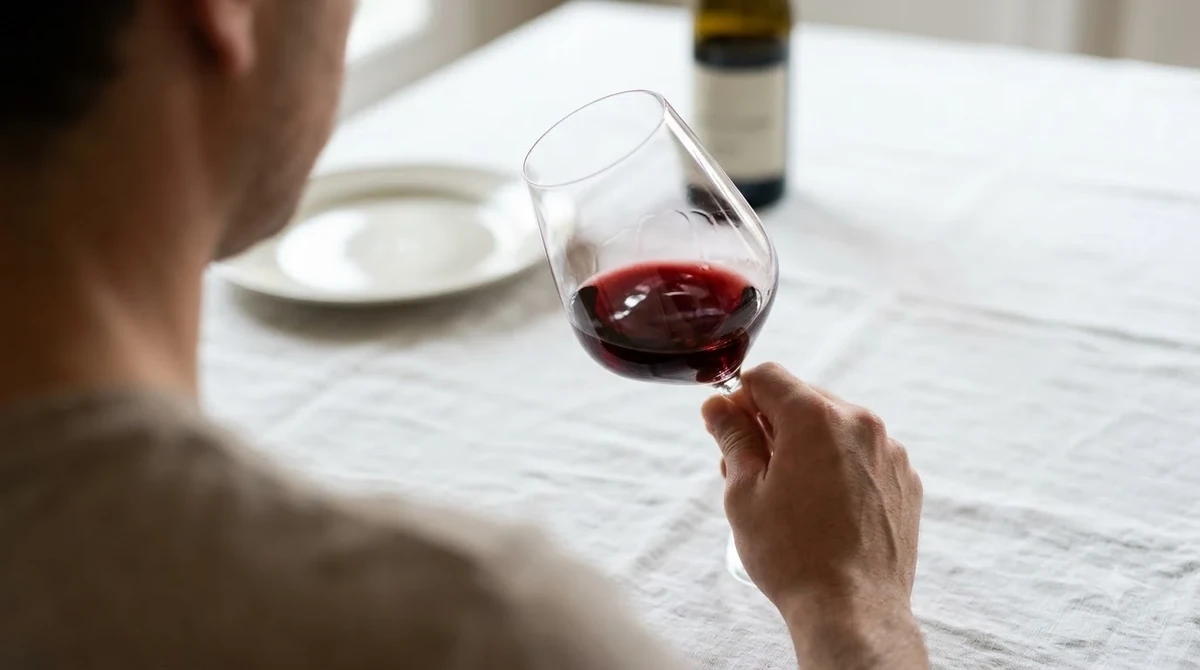
Serving temperature has a clear effect on a bold red. Wine Folly suggests serving Cabernet Sauvignon between 60 and 68 degrees Fahrenheit. That range keeps the fruit and tannin in balance, while a wine served too warm can taste heavy and hot from the alcohol.
Decanting is worth considering for a structured Cabernet. The same Wine Folly guide suggests decanting for about an hour, which lets the aromas open and softens the tannins a little. Use a large glass as well, since a wide bowl gives the wine room to breathe as you swirl it and makes the aroma easier to read.
If you plan to keep a bottle, Wine Folly notes that Cabernet Sauvignon can be cellared for ten years or more. Store the bottle on its side in a cool, dark place, and check the label for any aging recommendation from the producer before you open it.
Food pairings for a Jordan Cabernet
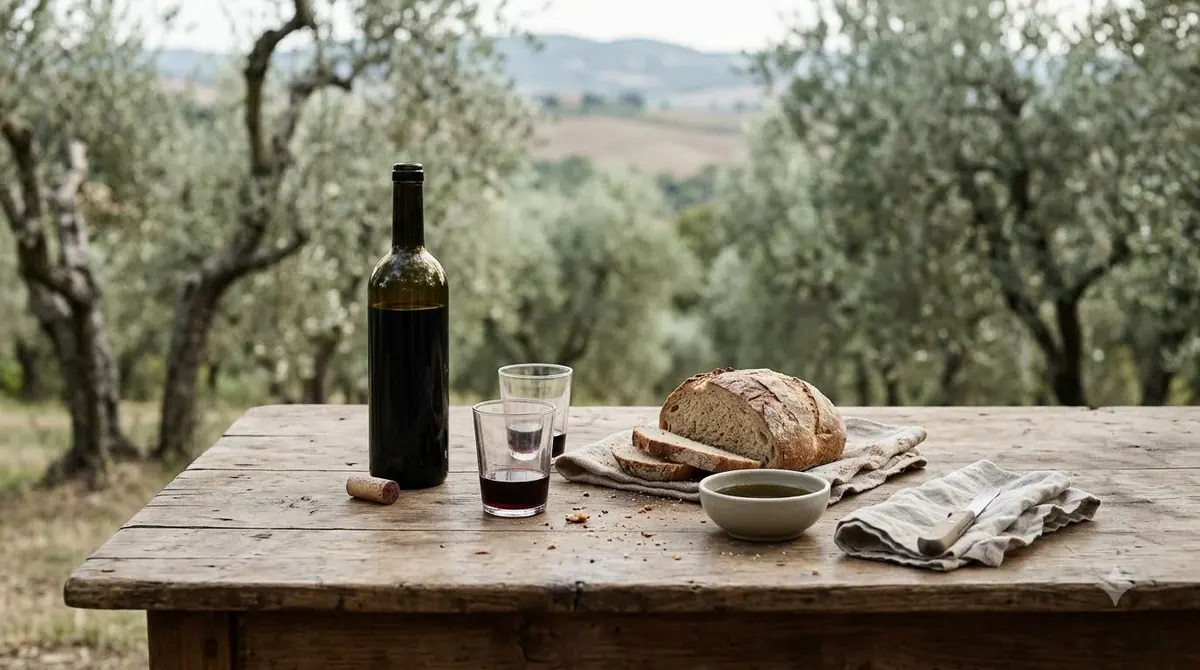
VinePair notes that Cabernet Sauvignon is best with food, because its acidity, tannins, and alcohol can feel overwhelming when drunk alone. A meal balances those elements. Fatty meat softens the tannins, and the wine cuts through the richness, which is why the pairing works so well.
Grilled steak, lamb chops, and braised short ribs are classic matches. Peppery sauces and roasted vegetables with char also work well, because the bitterness and smoke complement the wine’s dark fruit and cedar notes. Aged cheeses such as cheddar or a firm Alpine style can finish the meal without clashing with the tannins.
The VinePair guide also makes the point that there is no strict rule. Drink a wine you enjoy with food you like, and adjust the pairing to your own taste. A Jordan Cabernet is versatile, but it is still a bold red that will feel different with a light salad than with a rich steak.
How to choose a Jordan red for an occasion
For a dinner with a rich main course, a structured Cabernet like Jordan’s is a strong choice because it can stand up to the food. For a more relaxed evening with simple dishes, you may find a lighter red easier to enjoy, since a big Cabernet can overpower delicate flavors.
If you are hosting, serve the Cabernet with food that has some fat and salt, and give the wine time to open. Guests who are new to Cabernet often appreciate a bit of decanting, because the first sip is smoother and the aroma is easier to pick up.
Think about storage too. If you plan to hold a bottle for a special occasion, keep it in a stable, cool place away from light and heat. A bottle that has been stored badly will not show the wine’s best qualities, no matter how carefully you serve it.
Who Jordan red wine suits
Jordan red wine suits people who want a focused, food-friendly Cabernet from an established California estate. It appeals to drinkers who enjoy dark fruit, structure, and a wine that rewards time in the glass. It is less suited to someone who wants a light, fruity red for casual sipping, since the Cabernet style is naturally firm.
If you are comparing producers, the wine brands guide is a good place to see how different houses approach the same grape. For another bold red from a California producer, the Austin Hope red wine guide covers a different take on Cabernet and related reds.
Frequently Asked Questions
What kind of red wine is Jordan?
Jordan’s red is an Alexander Valley Cabernet Sauvignon. It is a dry, full-bodied red with firm tannins and dark fruit flavors, typical of the grape in California.
How long should Jordan Cabernet be decanted?
Wine Folly suggests decanting Cabernet Sauvignon for about an hour. A young, structured bottle benefits the most, while an older bottle may need less time.
What temperature should Jordan red wine be served at?
Serve it between 60 and 68 degrees Fahrenheit, which is cooler than room temperature in most homes. That range keeps the wine balanced and prevents the alcohol from feeling too prominent.
Can Jordan red wine be aged?
Cabernet Sauvignon is a grape that can age well, and Wine Folly notes that it can be cellared for ten years or more. Store it on its side in a cool, dark place, and check the producer’s guidance for the specific vintage.
Jordan red wine is a clear choice for anyone who wants a classic Alexander Valley Cabernet from a family estate. Serve it at the right temperature, decant it if it is young, and match it to rich food. For more background on wine producers, the wine brands guide is a useful next step.
More in Wine Brands
 Underwood Wine Price: Compare Bottles, Cans, and Pack SizesUpdated Nov 21, 2026
 Zenato Wine Price: Compare Styles and Choose the Right BottleUpdated Nov 21, 2026
 Zuccardi Wine Price: Compare Bottles and Find the Right RangeUpdated Nov 21, 2026
 Yellow Tail Moscato Review: Taste, Sweetness and Serving TipsUpdated Nov 21, 2026
 Wolf Blass Yellow Label Review: Choose Your Best StyleUpdated Nov 21, 2026
 Wolffer Estate Rose Review: Choose the Right Bottle for Your TableUpdated Nov 21, 2026