

We may earn a commission when you buy through links on this page, at no extra cost to you. Learn more.
Trimbach wine comes from Ribeauvillé in Alsace, from a family house that its own website dates back to 1626. The house is known for dry white wines, and Riesling is the grape most closely tied to the Alsace style. The family has run the winery for 13 generations, and this guide covers its history, the Alsace setting, the Riesling style, serving and pairing.
Trimbach is one of the names shoppers meet when they start exploring Alsace, the French region on the Rhine that is known for aromatic white wines in bottles with tall, slim shapes. The house is smaller and more traditional than many large brands, and its story is worth knowing before you choose a bottle.
A family house with a long timeline
The Trimbach winery’s own website says that its values have stayed the same since the creation of the winery in 1626. It also says the family has run the house for 13 generations. The page notes that in 2025 La Revue du Vin de France named Maison Trimbach its Brand of the Year, which is a recent sign of how the house is viewed by French wine writers.
A winery with this kind of timeline tends to build its identity around continuity rather than fashion. For a shopper, that usually means a clear house style that changes slowly, so an older bottle and a newer one from the same family often share more in common than you might expect.
Where the wines come from
The winery sits in Ribeauvillé, in the heart of Alsace, and its address is on Route de Bergheim. The village is part of the Alsace wine route, where most producers are small or medium-sized family estates. The region’s wine laws and the shape of its vineyards give Alsace wines a recognizable character that is easy to spot in a glass.
| Item | What it means for the bottle |
|---|---|
| Ribeauvillé, Alsace | The winery’s home village, in the northeast of France |
| Family-run for 13 generations | Consistent house style and a long-term approach to vineyards |
| Dated to 1626 | Continuity rather than a recent brand launch |
| Dry white focus | Riesling and other aromatic whites are the usual starting point |
Riesling, the grape most tied to the house
Riesling is the grape most closely associated with Alsace and with houses like Trimbach. The winery’s own page describes its heritage and values, but the text that was read does not list every grape or wine name. For that reason, it is more accurate to describe Riesling as the style most people link with the house rather than to assume every bottle follows a single pattern.
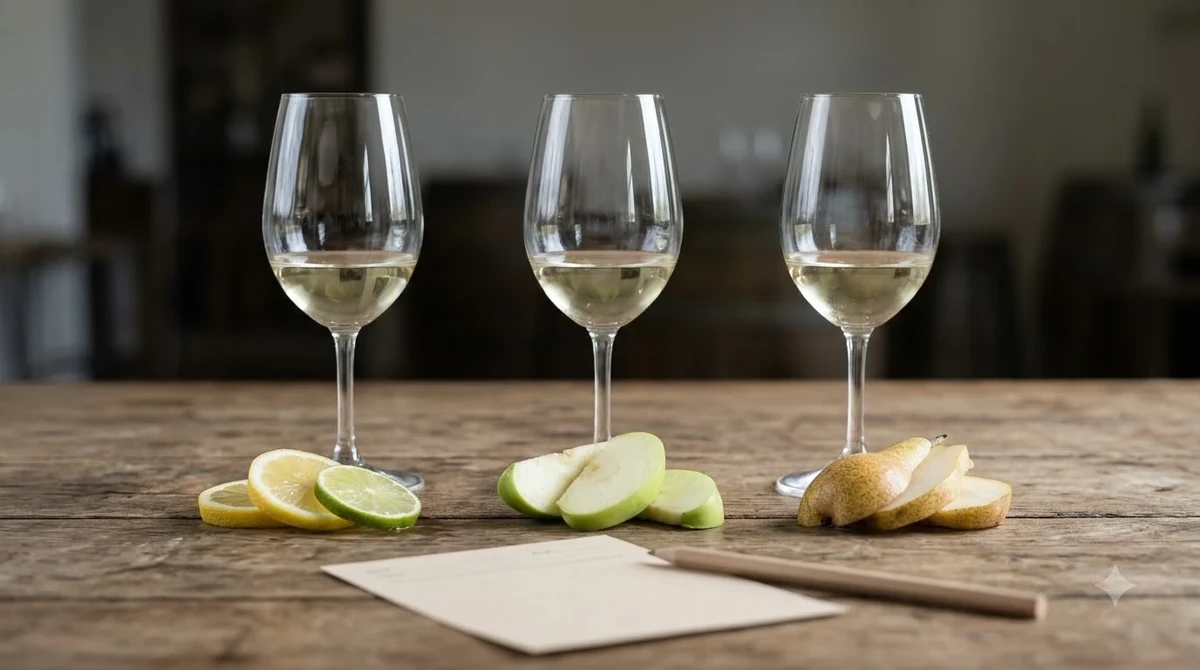
Wine Folly describes Riesling as an aromatic white that can range from bone-dry to very sweet. Its listed profile is light-bodied, with no tannins, high acidity and under 10% ABV. Primary flavors include lime, green apple, beeswax, jasmine and petroleum, which are the notes many people look for in a mature Riesling.
That spread from dry to sweet is the reason to read the label closely. A dry Alsace Riesling will taste very different from a late-harvest or off-dry bottle, even when the grape is the same. Look for the words on the label and the producer’s description before you open the bottle.
How to serve and pair Trimbach-style whites
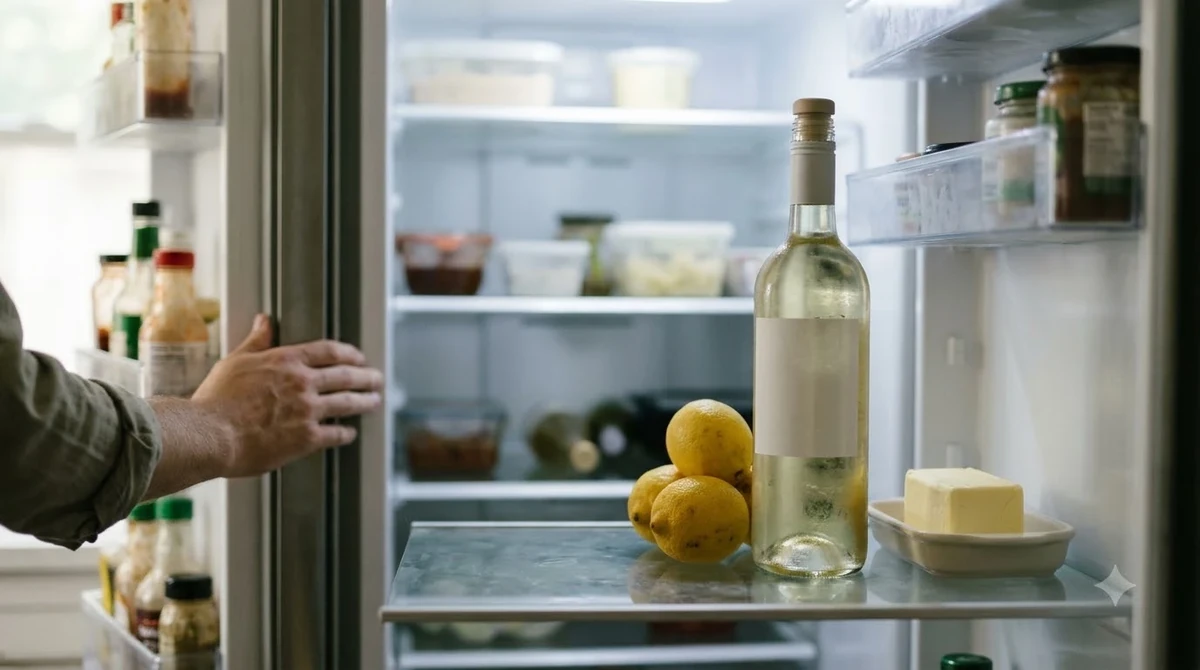
Wine Folly gives a serving range of 38 to 45°F, or 3 to 7°C, for Riesling. That is cooler than most red wine service, and it keeps the acidity lively and the aromas clear. Keep the bottle in the refrigerator for a few hours before serving, and pour into a glass with room for the aroma to gather.
Off-dry Rieslings are recommended with spicy Indian and Asian dishes, and with duck, pork, bacon, shrimp and crab, according to the same source. Dry styles are more flexible at the table and suit lighter fish, roast chicken and soft cheeses. Matching the sweetness of the wine to the heat of the dish is often the simplest rule to follow.
Choosing the right bottle
Start by checking whether the label points to a dry or off-dry style, and then look at the producer’s own description. A family house like Trimbach will usually give a clear sense of style on its site, which is easier to read than a short retail listing. Compare the alcohol statement on the bottle too, since Riesling often sits lower in alcohol than many reds. Note the vintage and the importer’s name as well, because the same wine can be listed with slightly different details in different markets, and the bottle in front of you is the version that counts.
If you are comparing this house with another producer, the wine brands guide is a good place to start. For a different European producer to compare against, the Aveleda wine guide shows how a label from another region is organized.
Why the bottle shape and label matter
Alsace is known for its tall, slender bottles, and many shoppers take that shape as a clue to the style inside. The shape is a regional tradition rather than a promise about sweetness or quality, so the label still does most of the work. Read the producer name, the grape or the wine name, and any style words before you decide.
Labels from family houses often give more detail about the vineyard, the grape and the intended style than a generic listing does. A clear description of dry or off-dry style, along with a note about food, is usually a sign that the producer wants the bottle to be read as a food wine. That information is useful when you are shopping for dinner rather than for a collection.
Aging and cellaring Riesling
Dry Riesling is often described as one of the white wines that can age well, because its acidity helps the wine stay fresh over time. Younger bottles tend to show citrus and green fruit, while older bottles can develop more honeyed and savory notes. Not every bottle is meant for long cellaring, so check the vintage and the producer’s guidance before you hold a bottle for years.
For everyday drinking, a recent vintage served cool is usually the most enjoyable. The best approach is to match the age of the wine to your plans: drink younger bottles with fresh food and keep only the bottles that are clearly labeled for aging for a longer hold.
Frequently Asked Questions
Where is Trimbach wine made?
Trimbach wine is made at the winery in Ribeauvillé, in the Alsace region of northeastern France. The winery’s address is on Route de Bergheim.
How old is the Trimbach winery?
The winery’s own website dates the house to 1626, and says the family has run it for 13 generations. Check the producer’s site for the current details about its history.
Is Trimbach wine dry or sweet?
Alsace whites can range from dry to sweet, so the label and the producer’s description are the best guides. Riesling in general can be bone-dry or very sweet, and the style on each bottle tells you which one you are getting.
What temperature should Trimbach-style Riesling be served at?
Wine Folly gives 38 to 45°F, or 3 to 7°C, for Riesling. Serve it chilled, and keep the bottle cold until it is poured so the acidity and aromas stay balanced.
Trimbach wine is easiest to enjoy when you know the Alsace setting, the family history and the dry-to-sweet range of Riesling. Check the label for the style, serve the wine cool and match it to food with a little acidity or heat.
More in Wine Brands
 Underwood Wine Price: Compare Bottles, Cans, and Pack SizesUpdated Nov 21, 2026
 Zenato Wine Price: Compare Styles and Choose the Right BottleUpdated Nov 21, 2026
 Zuccardi Wine Price: Compare Bottles and Find the Right RangeUpdated Nov 21, 2026
 Yellow Tail Moscato Review: Taste, Sweetness and Serving TipsUpdated Nov 21, 2026
 Wolf Blass Yellow Label Review: Choose Your Best StyleUpdated Nov 21, 2026
 Wolffer Estate Rose Review: Choose the Right Bottle for Your TableUpdated Nov 21, 2026