

We may earn a commission when you buy through links on this page, at no extra cost to you. Learn more.
Malbec color is a deep, nearly opaque purple, often with a bright magenta rim when the wine is young. The shade comes from the thick skins of the Malbec grape, which carry a high level of anthocyanin, the pigment behind deep red and purple wine. That is why a Malbec looks dense in the glass, and why its color is one of the first clues people use to recognize the style.
If you pour a Malbec next to a Pinot Noir, the difference is obvious before you take a sip. Malbec looks dark and concentrated, and at the center of the glass it can seem almost black. This guide explains what creates that color, how it shifts as the wine ages, how it compares with other red wines, and what the shade can and cannot tell you about the taste.
What Gives Malbec Its Color
Malbec is a dark-skinned red grape, and its color starts in the skin. According to Wine Folly’s Malbec grape profile, the skins contain high levels of anthocyanin, and the grape ripens well in strong sunshine, which helps the pigment build up. The result is a wine that is opaque rather than see-through.
Winemakers pull that color out during fermentation, when the juice stays in contact with the skins. The longer the skins stay in the liquid, the more pigment and tannin move into the wine. Winemakers control that contact time, so two Malbecs from the same vineyard can still look quite different in the bottle.
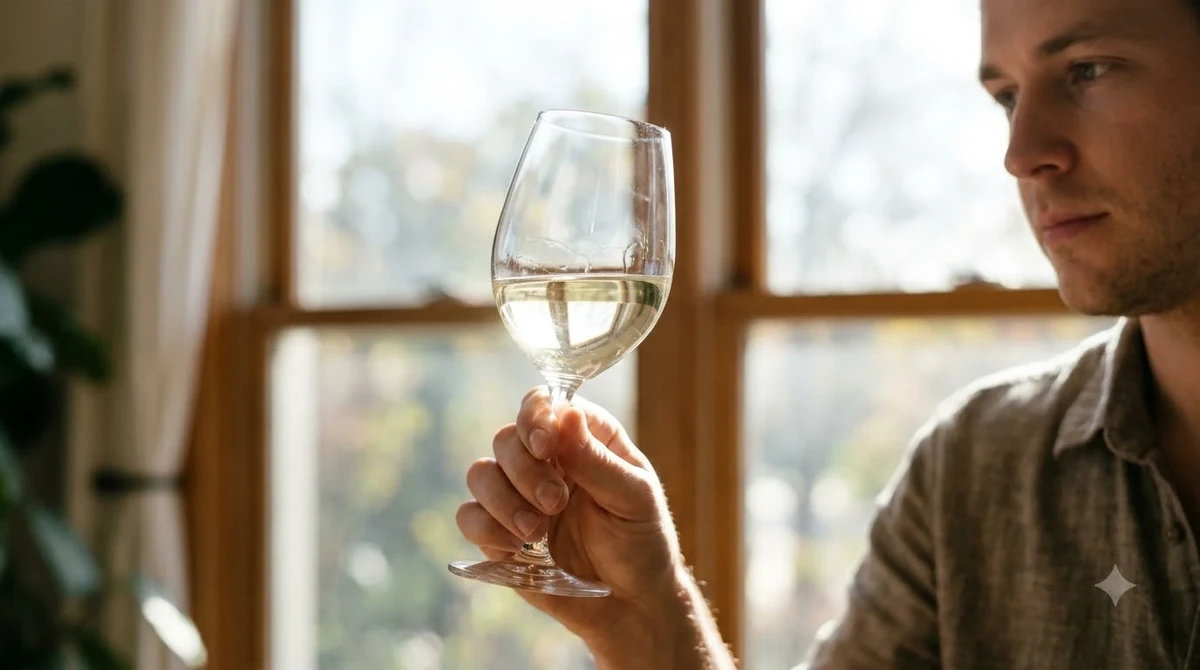
Color is not the same thing as flavor, but the two are linked. The thick skins that hold pigment also hold the compounds that give Malbec its fruit and structure, so a deep color usually signals a grape that had enough time to ripen.
Typical Shades From Young to Aged Malbec
A young Malbec and an older one can look quite different, and the change is a useful guide to its age.
Young Malbec usually shows an opaque purple core with a bright magenta or violet rim. That rim is a sign of youth. The pigments have not yet settled and changed, so the wine still looks fresh and vivid. Over time the purple softens, the edge moves toward ruby, and eventually the rim takes on brick or garnet tones as the wine matures.
The rim tells a story that the center cannot. Because the edge of the wine is thinner, it reacts faster to light, air, and time, so it changes color first. That is why an older bottle often looks brighter at the middle but noticeably browner at the edge. Tasters often look at the rim first for this reason, and it is one of the few visual clues that is easy to check without any special tools.
Those shifts are gradual and depend on the vintage, the winemaking, and how the bottle has been stored. A bottle kept in a warm room will often show browning sooner than one kept cool and dark. Color alone cannot tell you the exact age of a wine, but a bright rim usually points to a younger bottle, while a broad brick rim suggests the wine has been around for a while.
How to Judge Malbec Color in the Glass
You do not need special equipment to read the color of a Malbec. A few simple habits make the difference easier to see.
- Tilt the glass against a white tablecloth or sheet of paper so you can see the rim clearly.
- Compare the center of the wine with the edge. A young Malbec often looks darkest in the middle and brightest at the rim.
- Note the clarity. Malbec is usually opaque, so if you can see through it easily, the wine may be a lighter style or an older bottle.
- Look for brown or orange tones at the edge, which often appear as a Malbec ages.
These checks will not tell you whether a wine is good, but they help you match what you see with what you expect on the palate.
Malbec Color Compared With Other Red Wines
Malbec sits near the dark end of the red wine spectrum, which makes it easy to compare with other bottles on the shelf.
| Wine | Typical color | Rim when young | Notes |
|---|---|---|---|
| Malbec | Deep purple, often nearly opaque | Magenta or violet | Dense and dark even in a thin pour |
| Cabernet Sauvignon | Deep ruby to dark purple | Ruby to purple | Can look close to Malbec in depth |
| Zinfandel | Medium to deep ruby | Ruby | Usually a little lighter than Malbec; see zinfandel color |
| Pinot Noir | Light to medium ruby | Pale ruby | Often translucent, with a lighter body |
Color is a rough guide, not a rule. Some Cabernet Sauvignon looks as dark as Malbec, and a Malbec from a cooler site can look more ruby than purple. Still, if you see a glass that is nearly opaque at the center, Malbec is a good candidate, and a pale ruby pour is more likely to be Pinot Noir or a lighter red.
Tip: If two wines look almost identical in color, the nose and the first sip will tell you more than the appearance alone.
What Malbec Color Says About Taste
Color hints at a wine’s structure, but it does not predict every flavor.
Wine Folly describes Malbec as medium in tannin and medium-low in acidity, with flavors of red plum, blackberry, vanilla, sweet tobacco, and cocoa. The deep color fits that profile, since the same skins that carry pigment also carry much of the tannin and flavor compounds that shape the palate.
Site matters as well. Malbec grown in warm, sunny spots tends to ripen fully, and that full ripeness often shows up as a darker, more concentrated color. A Malbec from a cooler, higher site may look a bit lighter but can still show bright fruit and a lively edge. Reading the color together with the region on the label gives you a better sense of what to expect.
Still, color is an indirect clue. A very dark Malbec may be full and ripe, but it may also be heavily oaked or made in a lighter style that happens to look inky. If you want to know whether a Malbec is sweet or dry, the color will not settle the question, and it helps to read the label or ask the seller. For that question, see is Malbec sweet or dry.
Frequently Asked Questions
Why is Malbec so dark?
The grape has thick skins with a high level of anthocyanin, the pigment that gives red and purple wine its depth. Winemakers also control how long the juice stays on the skins, which affects how much color ends up in the bottle.
Is Malbec always purple?
Young Malbec is usually purple with a magenta rim. As it ages, the color softens toward ruby, and the edge can take on brick or garnet tones. The exact shift depends on the vintage and storage.
Does a darker Malbec mean a stronger or sweeter wine?
No. Color does not measure alcohol or sweetness. A dark wine can be dry and moderate in alcohol, so check the label or the producer’s description for those details.
Can I judge the quality of a Malbec by its color?
Not reliably. Color suggests style and age, but quality depends on the vineyard, the winemaking, and how the wine tastes. Use color as a starting point and rely on tasting and reputable reviews for the rest.
Malbec color is a useful first impression, not the whole story. Learn to read the rim, watch how the shade changes with age, and then taste the wine to see whether it matches what the glass suggested. To explore other red styles, browse Wine by Type and compare how each grape looks and tastes.
More in Wine Types & Grapes
 Zinfandel Sugar Content: Dry Red vs. White Zinfandel GramsUpdated Nov 21, 2026
 Best Zinfandel Substitute Options for Sipping and CookingUpdated Nov 21, 2026
 Zweigelt Food Pairing: Best Dishes, Cheeses, and Serving TipsUpdated Nov 21, 2026
 Zinfandel Tannins Explained: How Structure Shapes Every BottleUpdated Nov 21, 2026
 Zinfandel Sweetness Level: Dry Red vs. Sweet White Zin ExplainedUpdated Nov 21, 2026
 Xinomavro Food Pairing: Best Dishes, Styles, and Serving TipsUpdated Nov 21, 2026