

We may earn a commission when you buy through links on this page, at no extra cost to you. Learn more.
If you are wondering what is nerello mascalese, it is a late-ripening indigenous red wine grape from Sicily that produces pale, high-acid, light-to-medium-bodied wines grown primarily on the volcanic slopes of Mount Etna. Often compared to Pinot Noir and Nebbiolo, it delivers bright red fruit, dried herbs, warm spice, and a distinct crushed-rock minerality backed by firm tannins. While it also grows in smaller quantities across Calabria and other parts of Sicily, its benchmark bottles come from Etna Rosso DOC, where regulations require at least 80 percent Nerello Mascalese.
Pronounced nair-rel-lo mask-uh-lay-zay, this Sicilian variety spent decades working quietly inside regional blends before gaining international attention among sommeliers and collectors. Today, bottles labeled Etna Rosso or varietal Nerello Mascalese sit alongside Wine by Type classics as go-to choices for drinkers who want aromatic complexity and structural grip without heavy oak or jammy fruit.
What Nerello Mascalese Is and Where It Comes From
Nerello Mascalese is an ancient red grape native to eastern Sicily, named after its dark-skinned berries (nerello) and the plain of Mascali located between Mount Etna and the Ionian coast. With roughly 7,400 acres planted worldwide, it remains a relatively rare grape that thrives in high-altitude volcanic vineyards where dramatic day-to-night temperature swings preserve crisp natural acidity.
Historically, growers planted Nerello Mascalese in mixed field blends alongside other local varieties, training the vines into low, freestanding bushes known locally as alberello. Some of these terraced plots still hold ungrafted, pre-phylloxera vines that are over a century old, rooted directly into decomposed lava, ash, and pumice. Because the grape ripens very late in the season—often harvested in October or even early November—it needs volcanic warmth during the day paired with cool mountain nights to develop full aromatic maturity without losing freshness.
Understanding how this variety fits into Italian wine requires looking at its primary appellations. Under Etna Rosso DOC and Etna Rosso Riserva DOC rules, a red wine must contain at least 80 percent Nerello Mascalese, with up to 20 percent Nerello Cappuccio permitted to soften the blend and deepen its color. In northeastern Sicily’s Faro DOC, Nerello Mascalese also plays a leading role alongside Nerello Cappuccio and Nocera, though Etna remains the undisputed heartland for pure, terroir-driven expressions.
Flavor Profile and Wine Styles
In the glass, Nerello Mascalese looks deceptively translucent, pouring a pale ruby or garnet hue that recalls Burgundy or Barbaresco rather than southern Italian reds. Despite its light color, the wine carries lively acidity, structured tannins, and layered flavors of dried cherry, wild strawberry, orange zest, dried thyme, allspice, and crushed gravel.
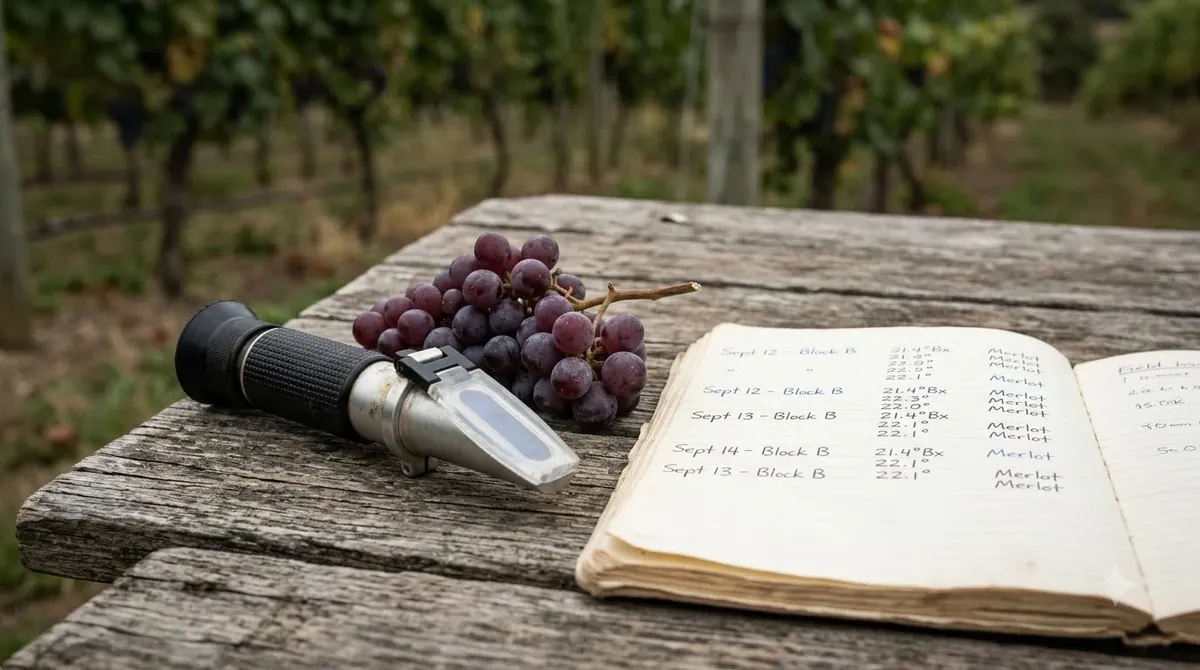
According to Wine Folly, Nerello Mascalese combines bright red fruit with savory herbal and mineral notes that give it an unmistakable sense of place. On the nose, young bottles often open with floral aromas of violet and rose petal layered over red plum, blood orange peel, and Mediterranean scrub. As the wine sits in the glass, secondary scents of sweet tobacco, nutmeg, and flint emerge, reflecting the mineral-rich volcanic soils beneath the vines. For a closer look at specific aromatic markers across vintages, explore our guide to nerello mascalese tasting notes.
Winemakers produce Nerello Mascalese in several distinct styles depending on vineyard elevation and cellar choices. Entry-level Etna Rosso bottlings fermented in stainless steel or neutral large oak casks emphasize juicy red berries, citrus peel, and energetic acidity, making them approachable soon after release. Single-vineyard—or contrada—bottlings from higher elevations tend to come from grapes with slightly thicker skins, yielding firmer tannins, deeper concentration, and cellar potential stretching ten years or more. Producers also vinify the grape into pale, savory rosato wines and traditional-method sparkling wines that highlight its natural tartness.
Where Nerello Mascalese Grows
While small plantings exist in western Sicily and across the Strait of Messina in Calabria, the finest examples of Nerello Mascalese grow on the northern, eastern, and southeastern slopes of Mount Etna. Here, vineyards climb up to 3,300 feet above sea level across ancient lava flows that vary dramatically from one hillside to the next.
Etna is not a single uniform terroir; each eruption over thousands of years laid down distinct pockets of basalt, volcanic sand, ash, and mineral deposits. Local growers divide these slopes into named districts called contrade, much like vineyards in Burgundy. Vineyards on the northern slope around towns like Castiglione di Sicilia and Randazzo receive slightly less rainfall and produce structured, fragrant reds, while higher-altitude eastern sites face cooler sea breezes from the Ionian Sea that accentuate herbal tension and bright acidity.
Outside Etna, Nerello Mascalese appears in Faro DOC near Messina, where coastal hills overlook the sea, and in broader Sicilia DOC blends. In western Sicily, some winemakers blend it with Frappato to balance Nerello Mascalese’s firm tannins with soft, floral berry fruit, or bottle varietal versions from hillside sites. Even in these warmer zones, the grape retains more acidity than Nero d’Avola, offering a lighter, more savory counterpoint to Sicily’s boldest red varieties—a sharp contrast to high-yielding warm-climate grapes like the airen grape in Spain.
Nerello Mascalese Compared to Similar Red Wines
Because Nerello Mascalese bridges the gap between delicate aromatics and firm structure, wine drinkers often compare it to Pinot Noir, Nebbiolo, and Sangiovese. Looking at how these grapes differ in color, tannin, and primary flavors makes it easier to know what to expect when opening a bottle.
| Attribute | Nerello Mascalese | Pinot Noir | Nebbiolo |
|---|---|---|---|
| Primary Region | Mount Etna, Sicily | Burgundy, France | Piedmont, Italy |
| Color Intensity | Pale ruby to garnet | Pale to medium ruby | Pale garnet with orange rim |
| Body | Light to medium | Light to medium | Medium to full |
| Acidity | High | Medium-high to high | High |
| Tannin Level | Medium to high (fine-grained) | Low to medium | High and gripping |
| Signature Notes | Dried cherry, orange zest, thyme, crushed gravel | Red cherry, raspberry, forest floor, mushroom | Rose petal, tar, sour cherry, leather |
Reviewers at VinePair highlight that Nerello Mascalese offers the silky, light-bodied elegance of Pinot Noir paired with a lingering, mineral-driven finish that feels uniquely volcanic. Compared to Pinot Noir, Nerello Mascalese generally brings slightly more tannic grip and citrus-peel bitterness on the finish, making it feel more structured alongside rich food.
Compared to Nebbiolo from Barolo or Barbaresco, Nerello Mascalese shares a similarly pale color, high acidity, and floral perfume, yet it usually feels lighter on the mid-palate and drinks more gracefully in its youth. Rather than demanding decades in the cellar before softening, a well-made Etna Rosso offers immediate red-fruit charm while still holding enough backbone to evolve over a decade.
How to Serve and Store Nerello Mascalese
Serving Nerello Mascalese slightly cooler than room temperature—between 55 and 60 degrees Fahrenheit (12 to 15 degrees Celsius)—keeps its bright acidity crisp and brings forward delicate floral and citrus aromas. Serving it too warm can flatten its red fruit and make the alcohol feel overly prominent.
To get the most out of the wine’s aromatics, pour it into a wide-bowled Burgundy or aroma-collector glass with a tapered rim. The broad bowl gives the wine surface area to breathe, concentrating subtle scents of dried cherry, rose petal, and volcanic flint toward the nose. Young, tannic bottles from high-elevation vineyards benefit from about 30 to 45 minutes in a decanter before serving, while lighter entry-level bottles need only a brief swirl in the glass.
If you plan to cellar a bottle, store it horizontally in a cool, dark place around 55 degrees Fahrenheit with steady humidity. Entry-level Etna Rosso is meant to be enjoyed within three to five years of the vintage, whereas single-vineyard and Riserva bottlings can age gracefully for 10 to 15 years, trading primary red berry notes for dried fig, leather, tobacco, and savory earth.
Tip: Put your bottle of Nerello Mascalese in the refrigerator for 20 to 25 minutes before pouring so it lands right in the 55–60°F sweet spot.
Food Pairing Ideas for Nerello Mascalese
Thanks to its high acidity, moderate body, and fine tannins, Nerello Mascalese is one of the most food-friendly red wines on the dinner table. It pairs effortlessly with roasted poultry, pork, mushroom dishes, tomato-based pastas, and even meaty seafood.
In its native Sicily, cooks pair Etna Rosso with classic local dishes like Pasta alla Norma—rigatoni tossed with fried eggplant, salted ricotta, basil, and tomato sauce—or grilled swordfish dressed with tomatoes, capers, and oregano. The wine’s crisp acidity cuts cleanly through olive oil and rich cheese, while its herbal notes echo Mediterranean seasonings like thyme, sage, rosemary, and fennel.
Outside Italian cuisine, Nerello Mascalese works wonderfully with roast pork tenderloin, herb-crusted chicken, grilled salmon, tuna steaks, and wild mushroom risotto. For more detailed menu inspiration, cheese matches, and seasonal recipes, check out our complete guide to nerello mascalese food pairing.
How to Choose a Bottle of Nerello Mascalese
When shopping for Nerello Mascalese, the most reliable bottles carry the Etna Rosso DOC designation on the front label, even if the grape name appears only in smaller print on the back. Checking a few key label details helps you match the bottle to your palate and occasion.
Start by deciding between a village-level blend and a single-vineyard release. Standard Etna Rosso blends fruit from multiple slopes around the volcano, producing a balanced, lively red built for weeknight dinners and casual gatherings. If the label lists a specific contrada name—such as Contrada Marchesa, Santo Spirito, or Feudo di Mezzo—the wine comes from a single historic lava flow and typically delivers greater concentration, mineral intensity, and aging potential.
Also pay attention to vintage and alcohol level. Cooler vintages yield higher-toned, floral wines with brisk acidity, while warmer years produce riper cherry and plum fruit. Look for bottles around 13 to 14 percent ABV fermented primarily in stainless steel, concrete, or large neutral oak casks rather than heavy new barriques, which ensures the grape’s delicate aromatics and volcanic character stay front and center.
Frequently Asked Questions
Is Nerello Mascalese a dry red wine?
Yes, Nerello Mascalese is almost always vinified as a completely dry red wine. Its bright red cherry and wild strawberry aromas can give an impression of fruitiness on the nose, but the palate is crisp, savory, and dry with lively acidity and fine tannins.
Is Etna Rosso the same thing as Nerello Mascalese?
Etna Rosso is the regional appellation name, while Nerello Mascalese is the primary grape used to make it. Under Etna Rosso DOC laws, the wine must contain at least 80 percent Nerello Mascalese, with up to 20 percent Nerello Cappuccio allowed in the blend.
Does Nerello Mascalese need to be decanted?
Young, structured bottles—especially single-vineyard Etna Rosso releases—benefit from 30 to 45 minutes in a decanter to soften their tannins and open up floral and spice aromas. Lighter, entry-level bottlings can be poured straight into a wide-bowled glass without decanting.
How long can you age Nerello Mascalese?
Entry-level Etna Rosso and Sicilia DOC bottles drink best within three to five years of the harvest date. High-elevation single-vineyard and Etna Rosso Riserva wines have the acidity and tannic structure to age and improve in the cellar for 10 to 15 years.
Whether you discover it through a classic Etna Rosso blend or a single-contrada bottling from high on Mount Etna, Nerello Mascalese rewards drinkers who appreciate elegance over sheer weight. Keep a bottle slightly chilled on hand whenever you want a versatile, food-friendly red with vibrant acidity and unmistakable volcanic character.
More in Wine Types & Grapes
 Zinfandel Sugar Content: Dry Red vs. White Zinfandel GramsUpdated Nov 21, 2026
 Best Zinfandel Substitute Options for Sipping and CookingUpdated Nov 21, 2026
 Zweigelt Food Pairing: Best Dishes, Cheeses, and Serving TipsUpdated Nov 21, 2026
 Zinfandel Tannins Explained: How Structure Shapes Every BottleUpdated Nov 21, 2026
 Zinfandel Sweetness Level: Dry Red vs. Sweet White Zin ExplainedUpdated Nov 21, 2026
 Xinomavro Food Pairing: Best Dishes, Styles, and Serving TipsUpdated Nov 21, 2026