

We may earn a commission when you buy through links on this page, at no extra cost to you. Learn more.
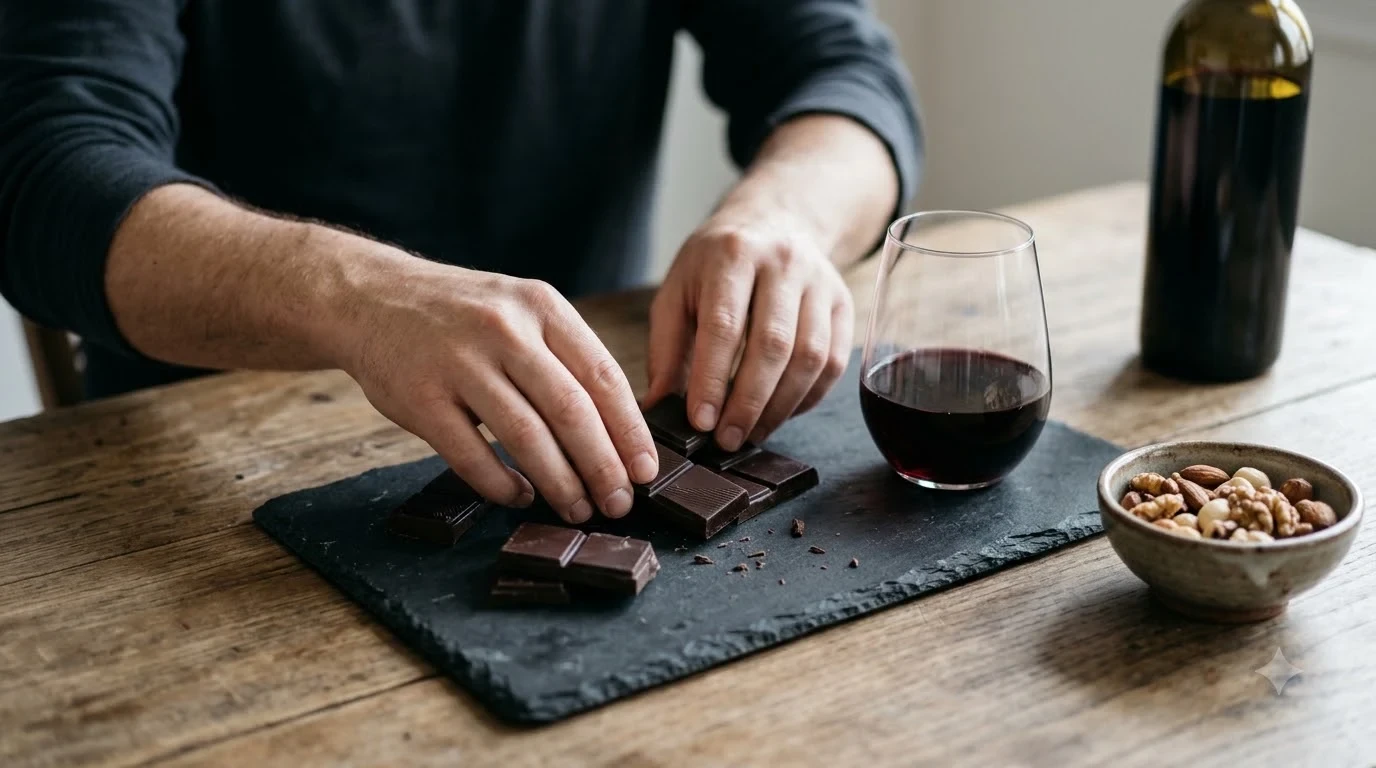
Port with chocolate works because its sweetness and fruit can match the richness of dark chocolate, and the contrast keeps both from feeling heavy. Ruby port, with its bright berry fruit, is the easiest match for most chocolate desserts. Tawny port, with toffee and nutty notes, suits milk chocolate and caramel-based sweets. The rule of thumb is to match intensity: lighter chocolate with lighter, fruitier port, and darker chocolate with a bolder style.
Port is one of the most dessert-friendly wines on the shelf, yet many people never try it with chocolate. This guide explains the port styles that work best, how chocolate changes the way port tastes, and which combinations are worth trying at home.
Why port and chocolate work together
Port is a fortified wine from Portugal’s Douro Valley. Brandy is added during fermentation, which stops the process early and leaves natural grape sugar behind. That sweetness, along with concentrated fruit and a little alcohol warmth, gives port enough body to stand up to rich desserts.
Chocolate brings its own bitterness, fat, and roasted flavor. When the sugar in the wine is roughly in balance with the chocolate, the two flavors tend to soften each other. When the chocolate is much sweeter than the port, the wine can taste thin, so the match depends on choosing the right style.
The port styles that pair best with chocolate
Each port style has a different character, so the best partner depends on the dessert. According to the VinePair port guide, ruby ports are fruity with a bright garnet color and most bottles carry more than 100 grams of residual sugar. Tawny ports are aged in small wooden barrels and develop toffee and caramel colors and flavors, while reserve tawny ages for at least six years and shows more nutty character.
Late-bottled vintage (LBV) port is a reserve ruby made from a single harvest. VinePair describes it as sweet and boozy, with dark fruit flavors such as cherry, plum, and blackberry, plus notes of pepper and clove. That profile makes LBV a strong partner for chocolate desserts that feature cherry, raspberry, or spice.
Vintage port is the most structured style. It comes only from strong harvests, has firm tannins, and is unfiltered, so it may be cloudy and should be decanted before serving. It is better saved for a dark chocolate dessert with a serious bitterness, or for a long, slow after-dinner moment.
| Port style | Typical flavors | Chocolate it suits |
|---|---|---|
| Ruby | Bright red berry, fresh and fruity | Milk chocolate, chocolate mousse, brownies |
| Reserve ruby | Softer, more rounded fruit | Semisweet chocolate cake, chocolate truffles |
| LBV | Cherry, plum, blackberry, clove | Chocolate cherry desserts, dark chocolate bark |
| Tawny | Toffee, caramel, nuts | Milk chocolate, chocolate caramel, pecan tarts |
| Vintage | Structured, dark fruit, firm tannins | Dark chocolate with high cacao content |
Tip: Start with the chocolate. If the dessert is bitter and dark, choose a bolder port. If it is sweet and creamy, choose a fruitier ruby or a tawny so the wine does not taste flat next to it.
How to serve port with chocolate
Port is usually served in small portions, so a little goes a long way with rich chocolate. A modest pour is enough for a dessert pairing, since the wine and the chocolate are both concentrated. Serving temperature is a matter of personal taste, though many people prefer ruby and tawny ports slightly cool rather than warm, since chilling can make the fruit feel brighter against chocolate.
Use a small glass with a narrower bowl so the aromas stay concentrated. If you open a vintage port, decant it first to separate the sediment. Pour the port alongside the dessert rather than after it, so you can taste how the two change together. Learn more about the basics in our guide on how to serve port.
Best chocolate and port pairings to try
Some combinations are easy to recommend because the flavors line up. Ruby port with dark chocolate brownies gives a classic contrast between sweet fruit and bitter cocoa. Tawny port with milk chocolate caramel bars echoes the toffee notes in both. LBV with a dark chocolate cherry dessert doubles the fruit, which works well if the cherries are not too tart.
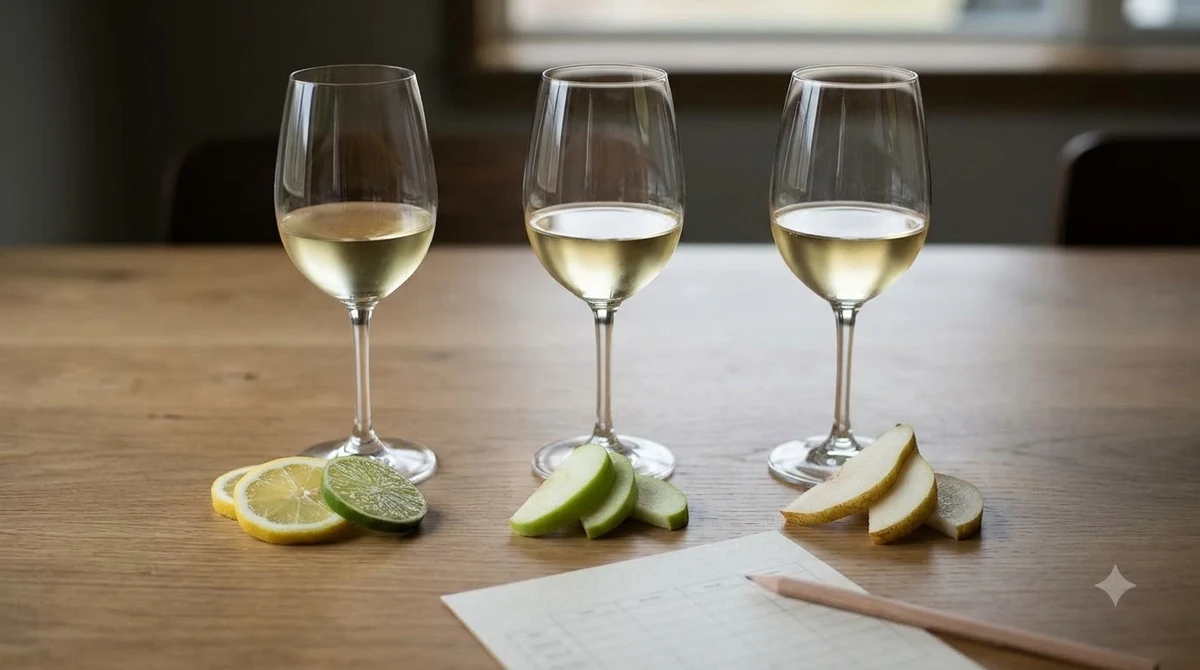
For a simple tasting at home, serve three pieces of chocolate with three glasses of port in a row, moving from milk chocolate to semisweet to dark. The change in taste is an easy way to learn how the wine responds to different levels of cacao.

How chocolate changes the taste of port
Chocolate coats the mouth with fat and cocoa solids, which can make a wine seem lighter than it is when it is tasted alone. Port has enough sugar, fruit, and alcohol to cut through that coating and come back fresh. This is why a glass of port often tastes richer after a bite of chocolate, not thinner.
The reverse can also happen. Bitter cocoa can make a young port taste harsher, especially when the wine has firm tannins. Vintage port and older tawny styles, which have softened over time, tend to handle this better. Tasting a small piece of chocolate before the first sip is a simple way to see how the two interact.
Texture matters too. A chocolate cake or brownie with a dense crumb can hold up to a bold ruby or LBV, while a light chocolate cloud or mousse needs a gentler, lighter-bodied partner. When in doubt, pick the dessert with the most similar weight to the wine and build from there.
Chocolate desserts to avoid with port
Port can overwhelm delicate desserts. Light chocolate mousses, white chocolate, and fruit-forward sorbets often taste thin beside a rich fortified wine. Very bitter, high-percentage bars can also clash if the port is young and sweet, since the bitterness may read as harsh rather than balanced. In those cases, a vintage port or a more mature tawny usually works better than a basic ruby.
Chocolate with a lot of salt or spice can also change the match. Sea salt caramel and chili chocolate are fun to test, but start with a small piece and taste slowly before pouring a full glass.
Frequently Asked Questions
What chocolate goes best with port?
Ruby and LBV ports go well with dark chocolate desserts and chocolate cherry flavors. Tawny port tends to suit milk chocolate, caramel, and nut-based sweets. Very light chocolate usually tastes better with a lighter style.
Is port better with dark or milk chocolate?
It depends on the port. Dark chocolate pairs well with ruby, LBV, and vintage ports because their fruit and structure can stand up to bitterness. Milk chocolate is often a better match for tawny port, whose toffee and nutty notes echo the sweetness of milk chocolate.
Should port be served cold with chocolate?
Many people enjoy ruby and tawny port slightly cool, because chilling keeps the fruit lively against rich chocolate. Serving temperature is a matter of taste, so try both and see which you prefer.
Can I cook with port in chocolate desserts?
Yes. A splash of ruby or tawny port can deepen the flavor of chocolate sauces, brownies, and truffles. Cook off some of the alcohol and use a modest amount so the port adds depth without making the dessert taste boozy.
Port and chocolate are a simple pairing once you match the style to the dessert. Start with a ruby for fruit-forward sweets, move to tawny for caramel and nut flavors, and keep vintage for serious dark chocolate. For more background, read our guide on what ruby port is and browse the wine by type section to compare other styles.
More in Wine Types & Grapes
 Zinfandel Sugar Content: Dry Red vs. White Zinfandel GramsUpdated Nov 21, 2026
 Best Zinfandel Substitute Options for Sipping and CookingUpdated Nov 21, 2026
 Zweigelt Food Pairing: Best Dishes, Cheeses, and Serving TipsUpdated Nov 21, 2026
 Zinfandel Tannins Explained: How Structure Shapes Every BottleUpdated Nov 21, 2026
 Zinfandel Sweetness Level: Dry Red vs. Sweet White Zin ExplainedUpdated Nov 21, 2026
 Xinomavro Food Pairing: Best Dishes, Styles, and Serving TipsUpdated Nov 21, 2026