

We may earn a commission when you buy through links on this page, at no extra cost to you. Learn more.
Louis Jadot wine comes from a Burgundy house founded in 1859, with its roots in Beaune and a vineyard base that reaches into Beaujolais. The house makes appellation wines from several Burgundy and Beaujolais vineyards, and its bottles are easiest to choose once you understand the regions behind the labels. This guide covers the house history, the vineyard holdings, the Pinot Noir style and how to serve and pair the wines.
Louis Jadot is one of the names that appears most often on wine shop shelves when shoppers look for French Burgundy without spending a fortune on a single-estate bottle. The label can look simple, yet the wines reflect a long family history and a broad set of vineyards. Knowing the basics makes it easier to read a bottle and predict what it will taste like.
Who makes Louis Jadot and where
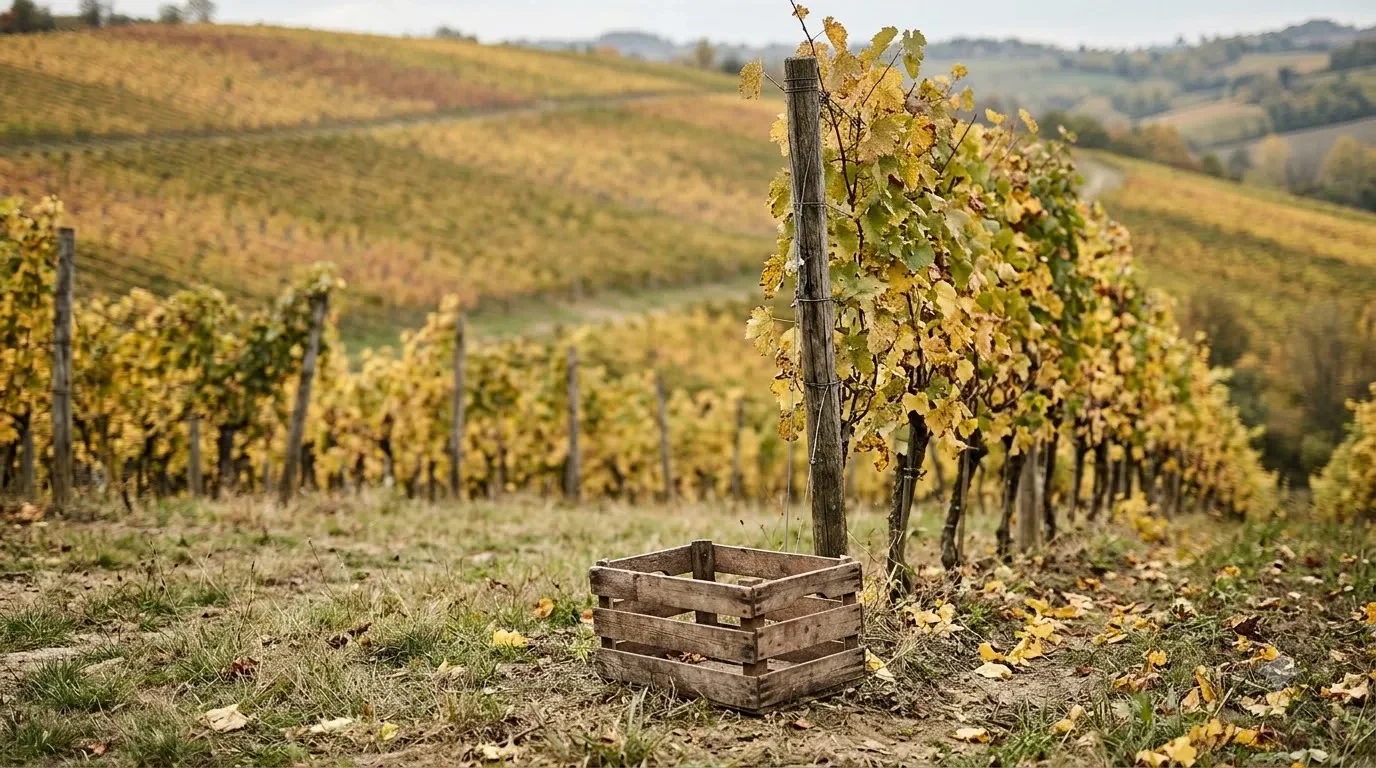
Maison Louis Jadot was founded in 1859 by Louis Henry Denis Jadot. According to the Wikipedia entry on Louis Jadot, the family’s first vineyard was the Clos des Ursules in Beaune, which it bought in 1826, well before the company took its present form. Beaune is the historic center of the Burgundy trade, and that background is one reason the house is so closely tied to the region.
The company’s identity rests on Burgundy first and foremost. Its wines carry the appellation names of the region, which tells you where the grapes were grown even when the vineyard name is not on the label. That regional focus is the main thing to learn when you start comparing Louis Jadot bottles.
The vineyard base behind the bottles
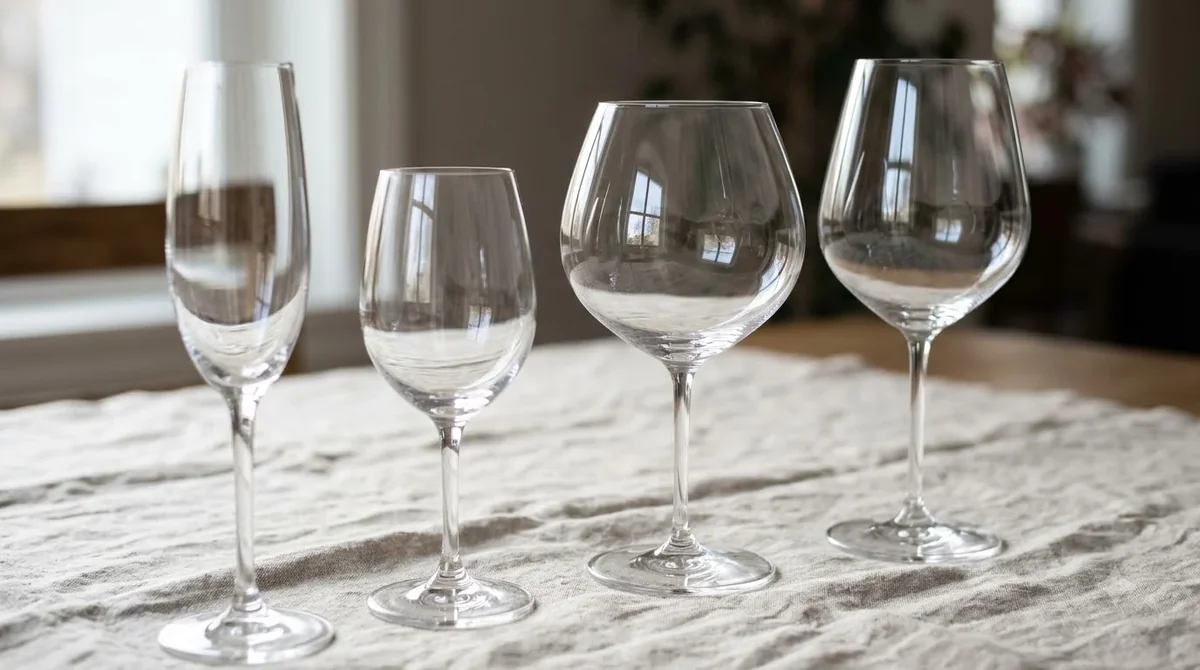
Louis Jadot controls about 270 hectares, or 670 acres, of vineyards in Burgundy, including Beaujolais crus. The house also owns Domaine Ferret in Fuissé, in the Mâconnais, and Château des Jacques in Moulin-à-Vent, in Beaujolais. Wikipedia notes that the producer works only with Appellation d’Origine Contrôlée wines, which is the French system that ties a wine to a defined place and set of rules.
Owning vineyards in several areas gives the house a range of styles. A Beaujolais bottle from Moulin-à-Vent will read differently from a Côte de Beaune red, even though both come from the same family business. Comparing where the grapes grow is often more useful than comparing price alone.
| Holding | Area | What it tells you |
|---|---|---|
| Burgundy vineyards | Côte d’Or and other Burgundy zones | The core of the house’s Pinot Noir and Chardonnay range |
| Beaujolais crus | Beaujolais | Lighter, fruit-forward reds from Gamay |
| Domaine Ferret | Fuissé, Mâconnais | White wines from the southern end of Burgundy |
| Château des Jacques | Moulin-à-Vent, Beaujolais | Structured reds from a named Beaujolais cru |
Pinot Noir in the Louis Jadot style
Pinot Noir is the grape most people link with Burgundy, and it is the red that many shoppers reach for first. Wine Folly describes Pinot Noir as usually pale to medium in color, with thin skins, light to medium body, low tannins and medium-high acidity. Its aromas center on red fruit with earthiness and spice, and the wine can show vanilla and smoke when it is aged in oak.
That profile is why a Burgundy Pinot Noir often feels lighter than a Napa Cabernet but still has real depth. The alcohol is typically 12 to 14% ABV for the grape in general, though the figure on each label is the one to trust. The style rewards a gentle hand in the glass and in the kitchen.
How to serve and pair these wines
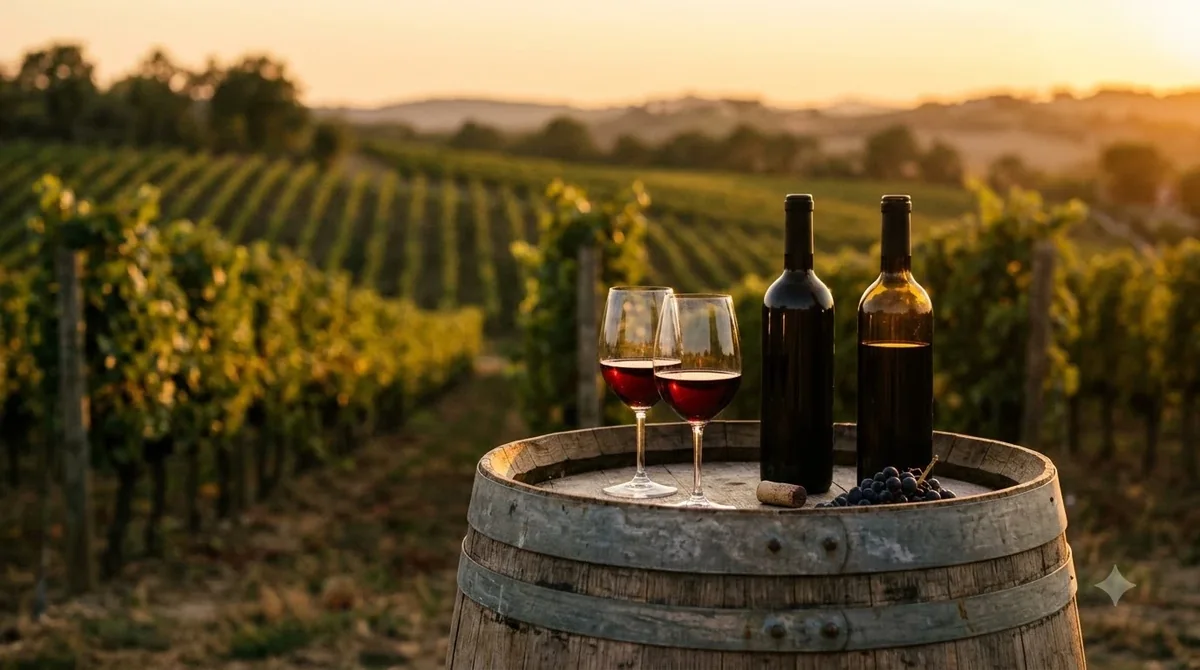
Serve Pinot Noir slightly cooler than room temperature. Wine Folly gives a range of 55 to 60°F, or 12 to 15°C, for the style. Young bottles can benefit from decanting for about 30 minutes, which softens the first hard edge and lets the fruit open. An aroma-focused glass helps the wine show its nose.
Food pairings for Pinot Noir are wide. Duck is a classic match, because the wine’s acidity cuts through the fat and spiced duck brings out the wine’s nuances. Salmon works well because the wine is light enough to avoid overpowering it. Earthy mushroom dishes are another strong option, especially with the more traditional, Old World style of Pinot Noir that Burgundy represents.
For whites, the house’s Chardonnay bottles suit roast chicken, creamy sauces and simple seafood. A lightly chilled white is usually enough, since an overly cold glass can mute the fruit and any oak character.
Reading a Burgundy label without guessing
Burgundy labels can look dense at first, because the region names the place of origin rather than the grape on many bottles. The appellation tells you the region and often the village, while the producer’s name tells you who made the wine. Once you know the basic structure, the label becomes a useful guide to style and price.
A bottle from a named village or a specific vineyard usually sits higher in the hierarchy than a wine from a broad regional appellation. Those are general rules, not guarantees, so check the bottle’s details and the producer’s description before buying. For a non-Burgundy comparison, the Aveleda wine guide shows how a European label is organized.
Choosing a Louis Jadot bottle
Start with the color and the style you want. For a lighter, fruit-driven red, look at the Beaujolais and Mâconnais references. For a more structured, aged-style red, look for wines from the Côte d’Or and the named vineyards. For a white, Chardonnay from Burgundy gives a different experience from a Beaujolais or Mâconnais white.
Then match the bottle to the meal. A lighter red suits a weeknight dinner, while a more serious Burgundy works with a special roast or a dish with mushrooms. For more context on how brands are grouped by style and region, the wine brands guide is a good next read.
Storage and buying tips for Burgundy bottles
Burgundy wines are sensitive to heat and light, so a bottle kept in a cool, dark place will age and show its fruit more evenly than one stored near a warm window or an appliance. A steady temperature matters more than a perfect cellar, and most everyday bottles are meant to be opened within a few years of the vintage date.
When you buy, look at the vintage, the appellation and the producer name together. A familiar house name is a good starting point, but the region and village on the label tell you more about the style. If a bottle is labeled with a broad regional name, expect a lighter, more open style, while a named village or vineyard usually means a more focused wine. Retail staff and the producer’s own pages can help you check these details before you pay.
Frequently Asked Questions
Where is Louis Jadot wine made?
The house is rooted in Beaune, the historic center of Burgundy, and its vineyards extend into Burgundy and Beaujolais, including the Mâconnais and Moulin-à-Vent areas.
When was Louis Jadot founded?
Wikipedia dates the company to 1859, when Louis Henry Denis Jadot founded it. The family’s first vineyard in Beaune was bought earlier, in 1826.
What grape is Louis Jadot best known for?
Pinot Noir is the red most closely tied to Burgundy, and it is the style many shoppers look for first. Check each label for the grape and region, since the wines range from light Beaujolais reds to Burgundy Pinot Noir.
Should Louis Jadot Pinot Noir be served chilled?
Serve it slightly cooler than room temperature, in a range that Wine Folly gives as 55 to 60°F. A short decant can help young bottles open up, and a glass with room for aroma helps show the fruit.
A good Louis Jadot bottle is easier to choose once you know the region, the grape and the serving temperature. Use the label to confirm the details and the table above to match the wine to the meal.
More in Wine Brands
 Underwood Wine Price: Compare Bottles, Cans, and Pack SizesUpdated Nov 21, 2026
 Zenato Wine Price: Compare Styles and Choose the Right BottleUpdated Nov 21, 2026
 Zuccardi Wine Price: Compare Bottles and Find the Right RangeUpdated Nov 21, 2026
 Yellow Tail Moscato Review: Taste, Sweetness and Serving TipsUpdated Nov 21, 2026
 Wolf Blass Yellow Label Review: Choose Your Best StyleUpdated Nov 21, 2026
 Wolffer Estate Rose Review: Choose the Right Bottle for Your TableUpdated Nov 21, 2026