


We may earn a commission when you buy through links on this page, at no extra cost to you. Learn more.
Franzia white wine is a line of inexpensive white wines from the Franzia brand, sold mostly in 3- and 5-liter cartons, and it runs from light, crisp styles to richer, buttery ones. The range uses familiar names such as Chardonnay, Moscato, Pinot Grigio, and Sauvignon Blanc, along with blends labeled by style. This guide explains where the brand comes from, what each white style usually tastes like, and how to serve and pair these wines at home.
If you are standing in a store aisle wondering which Franzia white to pick, the short answer depends on what you like in a glass. Some whites in this range lean fresh and fruity, while others are fuller and softer. Knowing the basic difference between those styles makes the choice much easier.
Where the Franzia brand comes from
The brand has a long history in American wine. According to the Wikipedia entry on Franzia, Teresa Franzia founded the Franzia Wine Company in 1906, and the Franzia family had been growing grapes in California since 1892. The family started making wine again in 1933, after Prohibition ended, and operated as the Franzia Brothers Winery in Ripon, California.
The company’s history changed hands several times over the following decades. The brand is now owned by The Wine Group, which the same source describes as the world’s third-largest wine company. For a shopper, the practical point is that Franzia is positioned as an everyday wine rather than a single-vineyard release, and that shapes what you can reasonably expect from the label. Its whites are meant to be easy to open, easy to pour, and easy to pair with a casual meal.
The white wine lineup, style by style
Franzia does not sell a single “white wine” in the sense of one fixed recipe. The white side of the range includes several labels, and the names give a useful hint about the taste. Wikipedia lists Chablis, Chardonnay, Crisp White, Moscato, Pinot Grigio or Colombard, Refreshing White, Rich and Buttery, and Sauvignon Blanc among the brand’s whites.
Names like Crisp White and Refreshing White are general style labels, so the grape behind them can change from one release to the next. Varietal names such as Chardonnay, Sauvignon Blanc, and Pinot Grigio tell you more about what to expect, while Moscato is the sweetest of the group in most drinkers’ experience. Reading the label before you buy helps you match the bottle to the mood of the evening.

| Label style | What to expect | Good with |
|---|---|---|
| Sauvignon Blanc | Light to medium body, bright acidity, citrus and green notes | Salads, goat cheese, seafood |
| Pinot Grigio | Light and crisp, with lemon and pear character | Light pasta, grilled chicken, appetizers |
| Chardonnay | Often fuller, with a softer texture and more weight | Roast chicken, creamy sauces, pork |
| Moscato | Lightly sweet and aromatic, lower in body | Fruit, spicy Asian food, desserts |
| Rich and Buttery | Round and soft, with a richer mouthfeel | Popcorn, roasted vegetables, mild cheeses |
The table above is a general guide to how these styles are usually described. Exact flavor will vary by batch and by how each carton was made, so treat it as a starting point rather than a promise.
How body and acidity shape the taste
Most people describe a wine as “light” or “full” based on how it feels in the mouth, not on its color. Body is mostly driven by alcohol, and acidity gives a wine its freshness and sense of lift. A helpful reference is the VinePair guide to wine body, which sorts wines into light, medium, and full categories based on the label’s alcohol percentage. It places Riesling, Prosecco, and Vinho Verde among light whites, Pinot Grigio and Sauvignon Blanc among medium whites, and Chardonnay among the whites that often feel full.
This is why a Sauvignon Blanc style feels sharp and clean next to a Rich and Buttery style, even though both are white. When you open a carton, you are choosing between those two textures, and that choice matters more than the brand name for most meals.
A practical rule: if you want something refreshing for a hot afternoon, go for the lighter, higher-acid styles. If you are cooking a heavier dish, the fuller whites tend to hold their own against sauces and roasted flavors.
How to serve Franzia white wine
Serving temperature has a bigger effect on a white wine than most people expect. Cold wine tastes cleaner and more refreshing, while a wine that is too warm can taste flat or heavy. For lighter styles, keep the carton in the refrigerator until you pour, and pour into a standard wine glass so the aroma has room to open.
Once a carton is opened, keep it sealed and cold, and plan to finish it within a reasonable period. Box wines are designed to protect the wine from air, and that is one of their practical advantages over a bottle that has been uncorked for a few days.
Food pairings that work with these whites
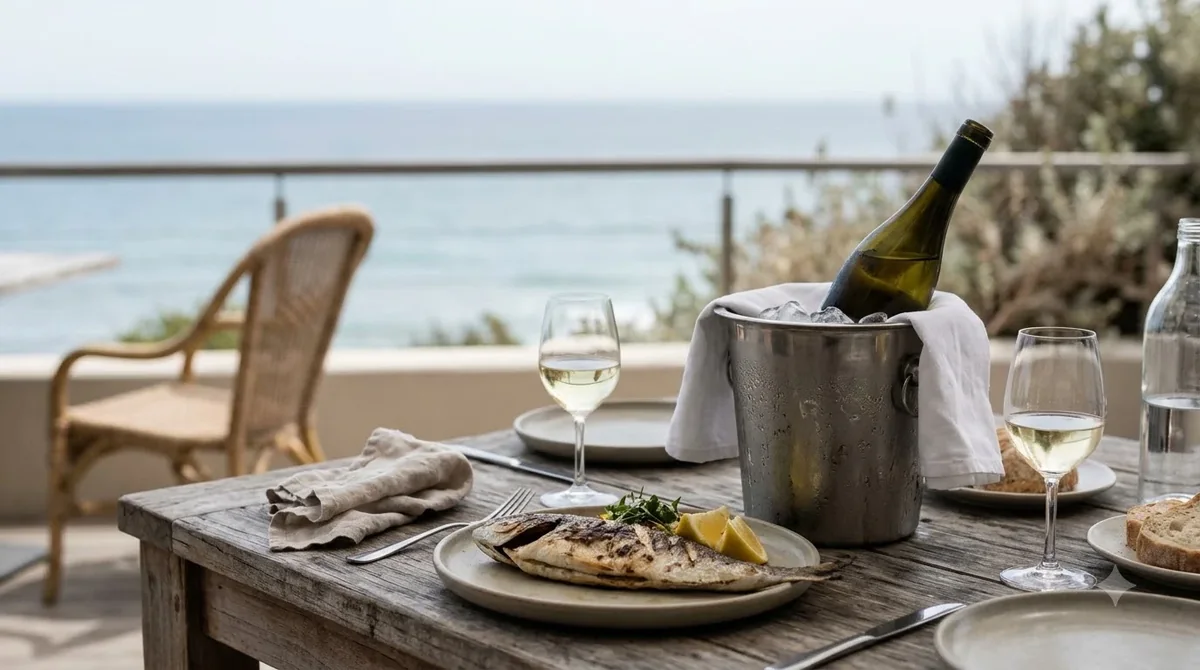
The easiest pairings follow a simple idea: match lighter wines with lighter food and fuller wines with richer dishes. A crisp Sauvignon Blanc or Pinot Grigio works well with salads, fish, and light appetizers. A Chardonnay style stands up to roast chicken, pork, and dishes with cream or butter.
Moscato is a different case. Its gentle sweetness works with fruit, lightly spiced dishes, and desserts. Pairing a sweeter white with a dry, salty snack can taste sharp, so it is best kept for fruit-based or sweeter foods.
Who Franzia white wine suits
Franzia whites are aimed at people who want an affordable, easy white for everyday meals, casual gatherings, and parties where a larger volume of wine is useful. The carton format also helps when you want to pour a glass without opening a full bottle. Shoppers who prefer a specific single-vineyard wine with a detailed story may find the range too general, since the emphasis is on consistency and value.
If you are comparing the brand with other options, it helps to look at alcohol content and style together. The guide to Franzia wine alcohol content covers the numbers in more detail, and the Franzia Sunset Blush alcohol content page is useful if you want a pink option alongside the whites. For a wider view of how this brand sits among other producers, the wine brands guide is a good place to start.
Reading a Franzia white label before you buy
The fastest way to choose well is to read the front of the carton. Start with the style or varietal name. A label that names the grape, such as Chardonnay or Sauvignon Blanc, tells you more about the taste than a general label like Crisp White. Next, look for the alcohol percentage if it is printed, because alcohol is the main driver of how full a wine feels. A lower percentage usually means a lighter, more refreshing glass, while a higher one tends to feel warmer and heavier.
Also check whether the label says dry or sweet. Moscato is the clearest example of a sweeter white in this range, and it should not be treated as a dry wine with a sharp finish. If you are buying for a group, a mix of one dry white and one sweeter style covers most tastes without much guesswork.
Finally, think about the occasion. A carton is convenient for a backyard party, a picnic, or a long dinner where several people are pouring their own glasses. For a formal dinner with a specific course in mind, a single bottle from a smaller producer may give you more control over the final result.
Frequently Asked Questions
Is Franzia white wine dry or sweet?
It depends on the label. Sauvignon Blanc, Pinot Grigio, and Chardonnay styles generally taste dry, while Moscato is lightly sweet. Reading the variety or style name on the carton is the most reliable way to tell.
What is the best way to serve Franzia white wine?
Chill it in the refrigerator before pouring, and serve it in a standard wine glass. Lighter styles taste best cold, while fuller whites can be served slightly less cold so their aromas come through.
How long does an opened box of white wine last?
Keep the wine sealed and refrigerated between pours, and drink it within a reasonable time. Box packaging limits contact with air, which is why it holds up better than an opened bottle, though freshness still declines over time.
What food goes well with Franzia Chardonnay?
Chardonnay styles usually have more body, so they pair well with roast chicken, pork, and creamy sauces. They can also work with mild cheeses and roasted vegetables.
Franzia white wine is a practical choice for everyday drinking when you want a light, fresh, or softer white without spending time on the details. Match the style to the meal, serve it cold, and check the label for the varietal or style name. If you want to compare other options, the wine brands section is a good next step.
More in Wine Brands
 Underwood Wine Price: Compare Bottles, Cans, and Pack SizesUpdated Nov 21, 2026
 Zenato Wine Price: Compare Styles and Choose the Right BottleUpdated Nov 21, 2026
 Zuccardi Wine Price: Compare Bottles and Find the Right RangeUpdated Nov 21, 2026
 Yellow Tail Moscato Review: Taste, Sweetness and Serving TipsUpdated Nov 21, 2026
 Wolf Blass Yellow Label Review: Choose Your Best StyleUpdated Nov 21, 2026
 Wolffer Estate Rose Review: Choose the Right Bottle for Your TableUpdated Nov 21, 2026