

We may earn a commission when you buy through links on this page, at no extra cost to you. Learn more.
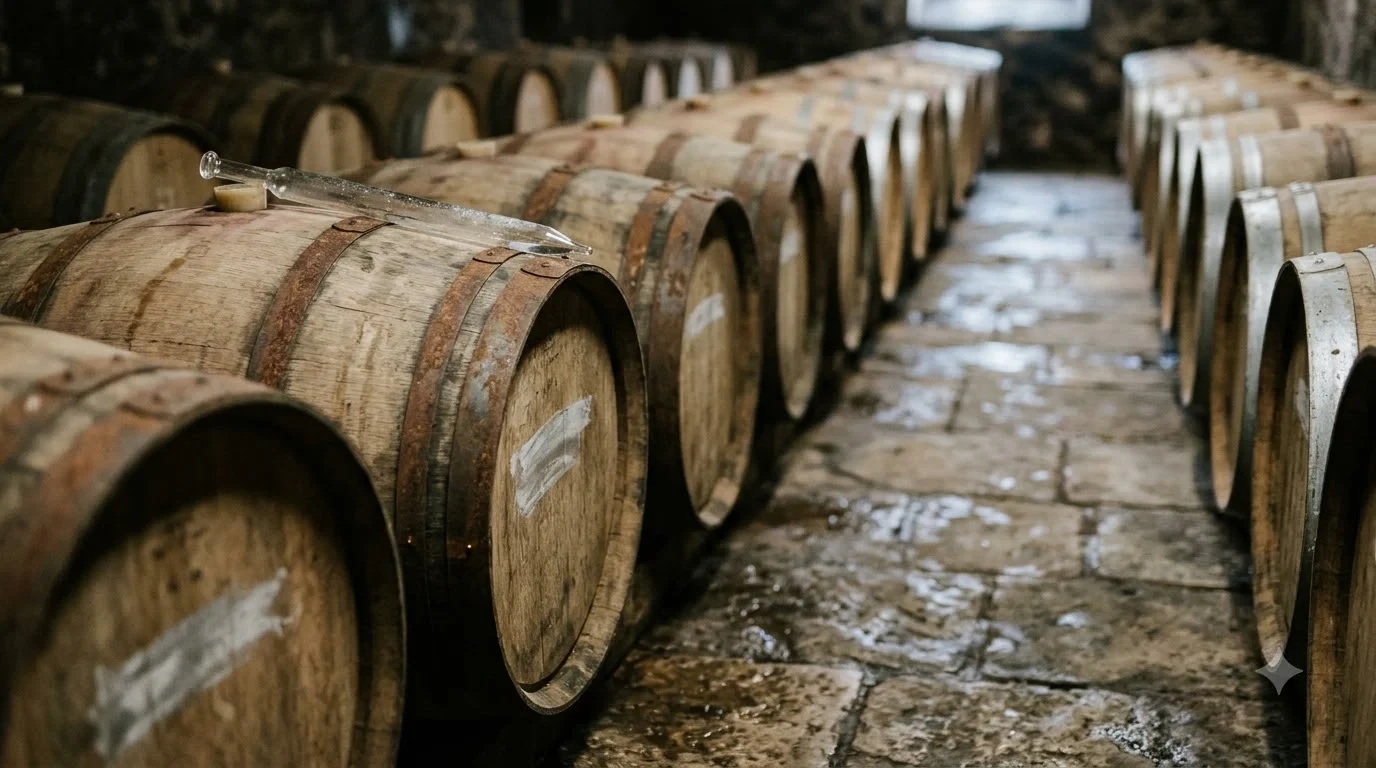
The Beringer winery sits in St. Helena in Napa Valley, and its own visitor pages describe it as California’s oldest continually operating winery. The current lineup centers on Cabernet Sauvignon, Merlot and Chardonnay, with Private Reserve, Single Vineyard and Knights Valley bottlings at the top of the range. This guide covers the history, the ownership changes, the lineup and how to serve these wines.
Beringer is one of the names most American shoppers meet early on, whether in a grocery aisle, a restaurant list or a Napa Valley tasting itinerary. Knowing where the wines come from, who has owned the brand and which bottlings are the core range makes it easier to choose a bottle without relying on the label art alone.
A short history of the St. Helena estate
The winery sits on Main Street in St. Helena, in the heart of the Napa Valley. Wikipedia gives 1876 as the founding year in its infobox, although a category on the same page lists the estate among 1875 establishments, so the sources do not agree on the exact year. Either way, the estate is one of the oldest in the valley, and the winery’s own site leans on that long run when it describes itself as California’s oldest continually operating winery.
Several milestones are easy to trace. The Rhine House was built in 1883 and 1884. After Prohibition ended, Beringer became the first California winery to offer public tours and tastings, starting in 1934. The estate was listed on the National Register of Historic Places in 2001. Those dates show a property that has been a working winery and a visitor destination for close to a century.
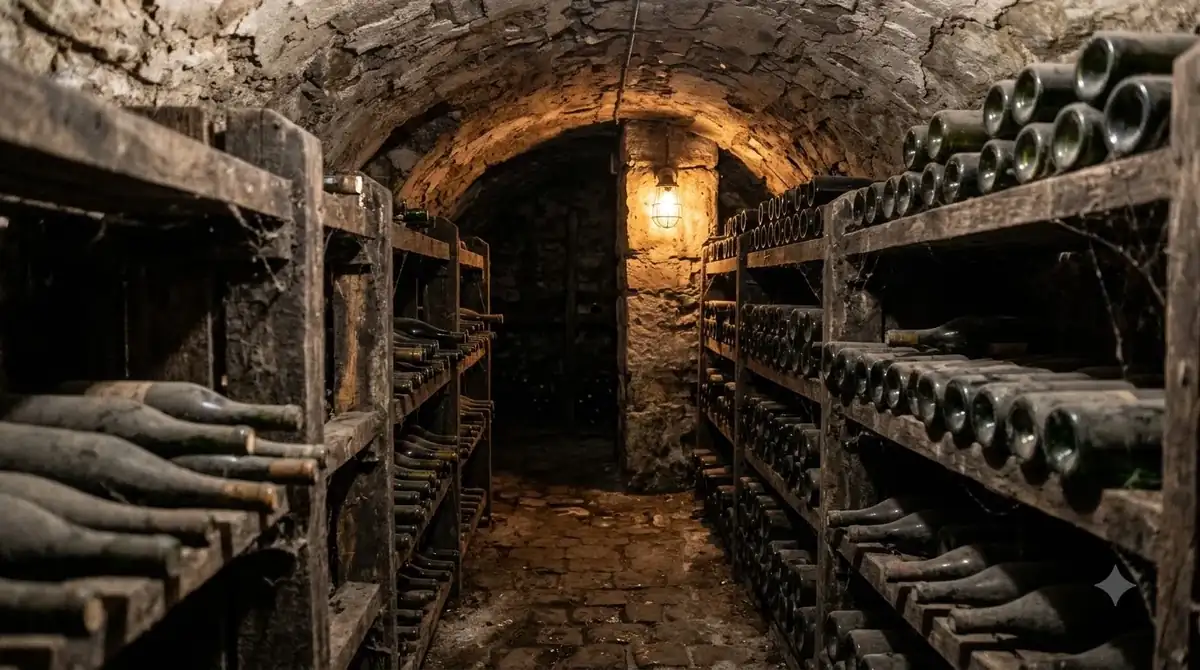
The estate’s age is one reason the Beringer name carries weight in Napa. A long history does not guarantee a particular style in the glass, though, so it helps to look at the current bottlings and the grapes behind them rather than the name alone.
Ownership changes over time
The Beringer family sold the name and winery to Nestlé in 1971. The brand then passed through several owners, and the changes shaped how the wines were marketed and distributed. Each owner brought a different scale of production and a different approach to the portfolio, which is worth knowing if you are comparing older bottles with newer ones.
| Year | Change |
|---|---|
| 1971 | The Beringer family sold the name and winery to Nestlé |
| 1996 | Nestlé sold the company to a group led by Texas Pacific Group |
| 1997 | The company went public |
| 2000 to 2011 | Owned by the Foster’s Group |
| 2011 | Ownership passed to Treasury Wine Estates |
The current lineup
The winery’s shop pages organize the range into the Private Reserve, Single Vineyards and Knights Valley lines. The varietals listed on the site are Cabernet Sauvignon, Merlot and Chardonnay. Knights Valley, a sub-region in northern Sonoma County, is represented by a Cabernet Sauvignon, a Reserve Cabernet Sauvignon and a Reserve Red Blend.
Reading the lineup this way helps you match a bottle to an occasion. Single-vineyard and reserve bottlings are usually the more focused and ageworthy wines, while the broader varietal bottlings are designed to be more approachable for everyday dinners. Those are general patterns rather than promises about any one vintage, so check the back label for the vintage and the bottling name. For a comparison with a producer from a different California region, the Austin Hope red wine guide shows how a Paso Robles lineup is organized.
Grape styles to expect
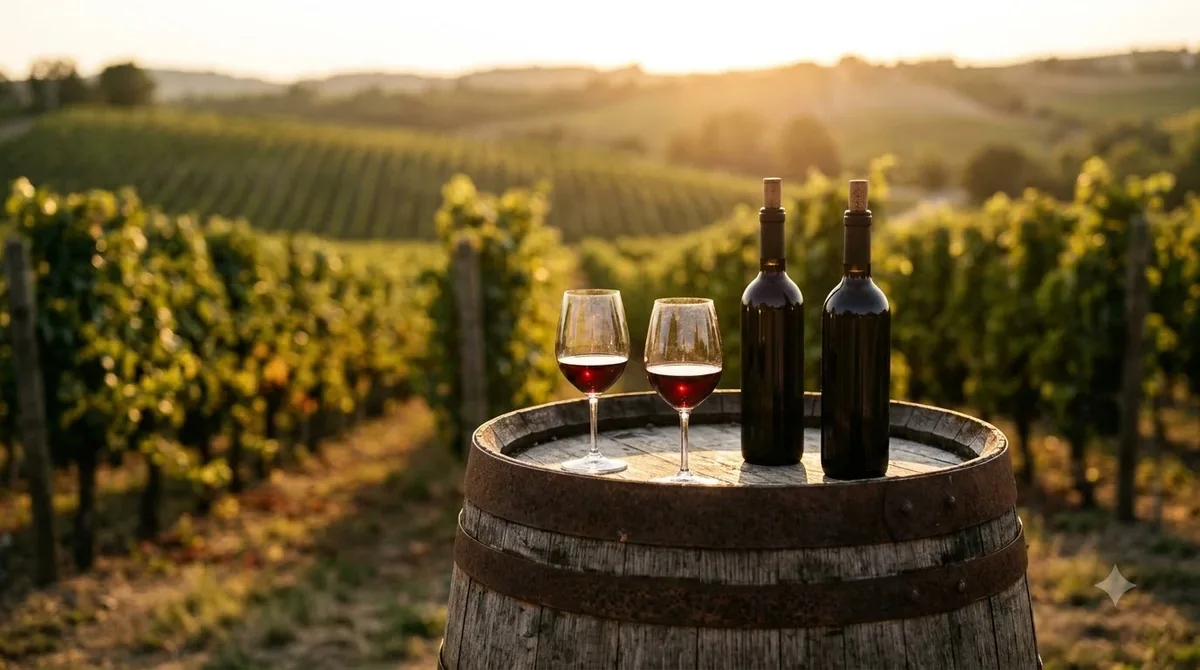
Cabernet Sauvignon is the grape most people associate with Napa Valley red wine. It is typically full-bodied, with dark fruit, firm tannins and oak notes that depend on the barrel program. Merlot tends to be softer and rounder, while Chardonnay from the valley is often a richer white with a creamy texture when it sees oak.
The Knights Valley reds follow the same pattern of ripe fruit and structure. A Reserve Red Blend usually combines several Bordeaux varieties, which gives the wine more layers than a single-variety bottle. The grape list on the producer’s site is the best place to start when you want to know what is in the glass.
| Style | Typical character | Good with |
|---|---|---|
| Cabernet Sauvignon | Full-bodied, dark fruit, firm tannins | Grilled steak, roast lamb, aged hard cheese |
| Merlot | Softer, rounder, plum and red fruit | Roast chicken, mushroom dishes, pasta with tomato |
| Chardonnay | Richer white, creamy when oaked | Roast poultry, creamy sauces, seafood |
How to serve and pair Beringer wine
Serve the red wines slightly cooler than a warm room, and give bigger reds a little time in the glass to open. A quick decant can help younger Cabernet and reserve bottles show more of their fruit, although it is not required for every bottle. For Chardonnay, a gentle chill is enough. A very cold white can hide the fruit and the oak.
Pairings follow the weight of the wine. Richer reds suit grilled or roasted meats and firm cheeses. Merlot is more forgiving with a wider range of dinners. Chardonnay works with roast poultry, creamy sauces and seafood. When in doubt, match the intensity of the food to the intensity of the wine.
Visiting the winery and buying the bottles
The winery is at 2000 Main Street in St. Helena, and its site lists visitor hours that run every day from 10 AM to 5 PM. Those hours can change for holidays and private events, so check the current schedule before a visit. A tasting in the historic setting is a practical way to compare the single-vineyard and reserve bottlings side by side.
If you are buying at a shop rather than at the estate, look for the vintage, the bottling name and the alcohol statement on the label. Retail staff can also help you choose between a varietal bottle and a reserve bottling, which often differ in price, structure and how long they keep their flavor. For broader buying advice, the wine brands guide is a useful companion. The producer’s own pages are the best place to confirm current hours and bottlings, as shown on the official Beringer website.
Vintage matters as much as the bottling name. Two bottles of the same wine from different years can show different levels of fruit, oak and structure, so check the year on the label before comparing prices or reviews. Younger reserve bottlings can need time to settle, while the broader varietal wines are generally meant to be opened within a few years of release. A short note in the producer’s product description, or a retailer’s tasting notes, is a good way to confirm the intended style.
Frequently Asked Questions
Where is Beringer wine made?
Beringer wine is made at the winery in St. Helena, in California’s Napa Valley. The estate’s address on Main Street is also where visitors can taste the current range.
What grapes does Beringer use for its main wines?
The varietals listed on the producer’s site are Cabernet Sauvignon, Merlot and Chardonnay. Knights Valley bottlings include Cabernet Sauvignon and a Reserve Red Blend.
Who owns Beringer today?
Ownership passed to Treasury Wine Estates in 2011, after a series of earlier owners that began with Nestlé in 1971. Check the producer’s site or the bottle for the current corporate details.
How is Beringer different from other Napa wineries?
Its long run as a continuously operating estate sets it apart in the valley’s history, and its range spans several price tiers and sub-regions. Other Napa producers may focus on a smaller set of single-vineyard wines, so comparing lineups is the best way to see the difference.
For a clear picture of Beringer wine, start with the St. Helena estate, the current lineup and the grape styles, then pick the bottling that matches the food and the occasion. The label and the producer’s pages will confirm the details for any specific bottle.
More in Wine Brands
 Underwood Wine Price: Compare Bottles, Cans, and Pack SizesUpdated Nov 21, 2026
 Zenato Wine Price: Compare Styles and Choose the Right BottleUpdated Nov 21, 2026
 Zuccardi Wine Price: Compare Bottles and Find the Right RangeUpdated Nov 21, 2026
 Yellow Tail Moscato Review: Taste, Sweetness and Serving TipsUpdated Nov 21, 2026
 Wolf Blass Yellow Label Review: Choose Your Best StyleUpdated Nov 21, 2026
 Wolffer Estate Rose Review: Choose the Right Bottle for Your TableUpdated Nov 21, 2026