

We may earn a commission when you buy through links on this page, at no extra cost to you. Learn more.
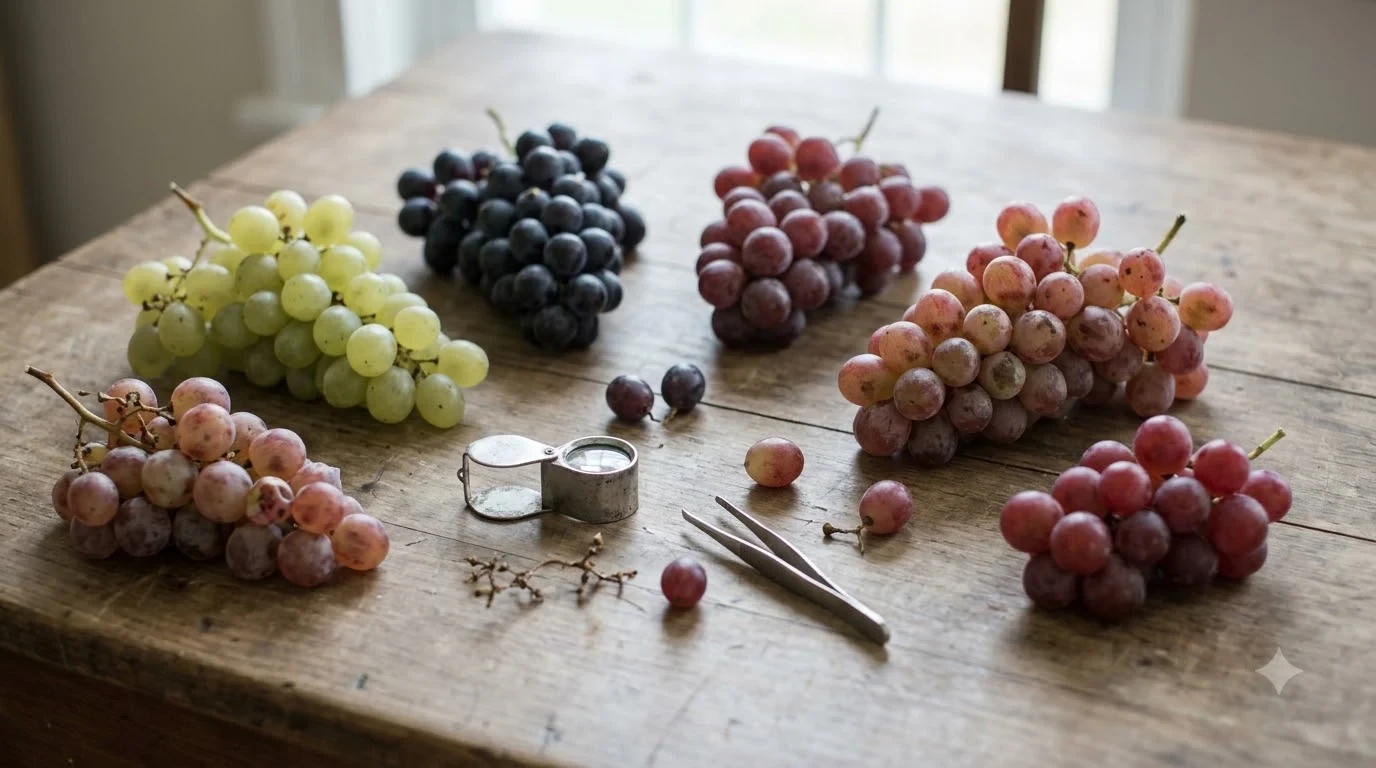
If you are wondering what is jaen, it is the traditional Portuguese name for the red wine grape variety known across the border in northwestern Spain as Mencía. Grown most extensively in Portugal’s granite-rich Dão region, this early-ripening grape produces medium-bodied, aromatic red wines marked by vibrant red and dark berry fruit, floral notes, and soft, supple tannins. While historically valued as a softening blending partner for Portugal’s more structured native varieties, it is increasingly bottled on its own to showcase fresh, terroir-driven elegance.
For decades, wine lovers outside the Iberian Peninsula rarely saw Jaen listed on a front label, even when drinking bottles from central Portugal. Today, renewed interest in indigenous Iberian varieties and cooler-climate, food-friendly reds has brought both single-varietal Jaen and classic Dão blends into specialty wine shops across the United States.
What Is Jaen?
Jaen is a black-skinned Vitis vinifera grape native to the northwestern corner of the Iberian Peninsula, where it is called Jaen in Portugal and Mencía in Spain. For many years, ampelo-graphers speculated that the vine might be related to Cabernet Franc because of its herbal and floral aromatics, though modern DNA profiling disproved that theory and confirmed its Iberian origin.
Genetic research established that the jaen grape is actually the offspring of two older Iberian cultivars, Alfrocheiro and Patorra. In the vineyard, the vine is vigorous and ripens early in the harvest season—typically in mid- to late September—which helps growers avoid autumn rains in mountainous regions. However, according to Wines of Portugal, the variety can be susceptible to mildew and botrytis infection if canopy management is neglected, and over-cropping easily dilutes its natural color and acidity.
When visitors or shoppers encounter the name on a bottle, they often pause over how to pronounce jaen, since the spelling looks unfamiliar to English speakers. In Portuguese, it is pronounced roughly like “zhah-ENG” with a soft nasal ending, whereas wine guides like Wine Folly also note the phonetic English approximation “jyne” alongside the Spanish pronunciation “men-THEE-ah” for Mencía. Notably, this red grape should not be confused with Spain’s Jaén Blanco, an unrelated white grape variety used primarily for distillation in southern Spain.
Flavor Profile and Wine Styles
In the glass, Jaen delivers an expressive, perfumed profile that sits comfortably between delicate Pinot Noir and peppery Syrah. Its signature aromas center on fresh red and blue fruits, lifted by distinct floral notes of violet and subtle savory spices.
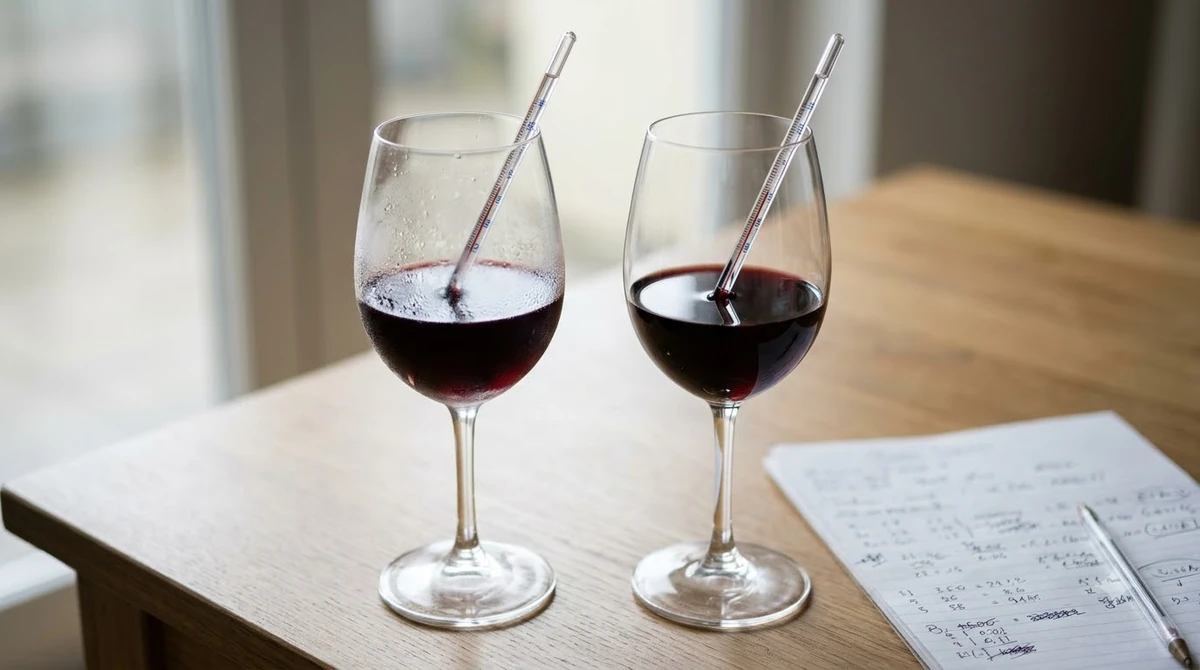
On the palate, a well-made jaen wine typically offers flavors of tart cherry, raspberry, wild strawberry, and blackberry, layered with hints of black pepper, allspice, and crushed granite minerality. Because the grape naturally accumulates sugar early while maintaining moderate to low acidity in warmer sites, its texture tends to feel round, juicy, and silky rather than sharply astringent. Tannins range from light and velvety in unoaked, early-drinking bottlings to moderately firm and fine-grained in reserve expressions grown at higher elevations.
Winemakers in Portugal generally craft Jaen in two distinct styles. Historically and most commonly, it serves as the supple, fruit-forward backbone in traditional Dão red blends, softening the muscular tannins and high acidity of Touriga Nacional and Alfrocheiro. In recent years, however, quality-focused estates have increasingly bottled 100 percent varietal Jaen—some fermented in stainless steel or concrete to preserve pure red-berry freshness, and others aged in neutral or lightly seasoned oak barrels to build savory complexity and aging potential.
| Wine Attribute | Typical Portuguese Jaen Profile | Key Regional & Style Notes |
|---|---|---|
| Body & Alcohol | Medium-bodied (around 13%–14.5% ABV) | Lighter and fresher from high-altitude Dão sites; fuller in warmer valley floors |
| Primary Fruit Notes | Tart cherry, raspberry, strawberry, blueberry, blackberry | Red fruits dominate cooler vintages; dark plum and blueberry emerge in riper years |
| Secondary Aromas | Violet, black pepper, allspice, crushed granite | High natural terpene content drives the signature floral perfume |
| Tannins & Acidity | Soft to medium tannins; moderate to bright acidity | Low acidity if over-ripe, which is why blending with Touriga Nacional is traditional |
| Oak Influence | Unoaked to light neutral oak aging | Excessive new oak can overwhelm the grape’s delicate floral aromatics |
Where Jaen Grows
Jaen is overwhelmingly a grape of northwestern Iberia, thriving in inland valleys and foothills moderated by Atlantic breezes and mountainous elevation. In Portugal, its undisputed heartland is the Dão DOC in the Beiras region, though small plantings also appear in neighboring Bairrada and Douro.
Surrounded by protective mountain ranges—the Serra da Estrela, Caramulo, and Buçaco—the Dão region sits on an undulating plateau of decomposed granite soils. These poor, well-draining granite sands force vine roots deep into the earth and impart a crisp, stony mineral signature to the finished wines. According to industry data cited by Wine Folly, Portugal cultivates roughly 6,328 acres (2,561 hectares) of the variety, and within the Dão specifically, Jaen accounts for nearly one-fifth of all vineyard plantings, making it one of the region’s most widely planted red grapes alongside Touriga Nacional.
Across the border in northwestern Spain, the exact same cultivar takes center stage under the name Mencía across more than 20,900 acres (8,489 hectares) in Galicia and Castilla y León. In Spanish appellations such as Bierzo, Ribeira Sacra, and Valdeorras, vines frequently grow on steep slate and schist slopes rather than Dão’s granite. While Spanish Mencía often leans slightly darker, earthier, and more structured, Portuguese Jaen typically highlights brighter red fruit, softer tannins, and graceful floral lift.
How to Serve Jaen
Because Jaen prizes aromatic precision and supple fruit over heavy extraction, serving it too warm can flatten its freshness and accentuate alcohol. Treating it much like a structured Pinot Noir or northern Rhône Syrah brings out its best qualities.
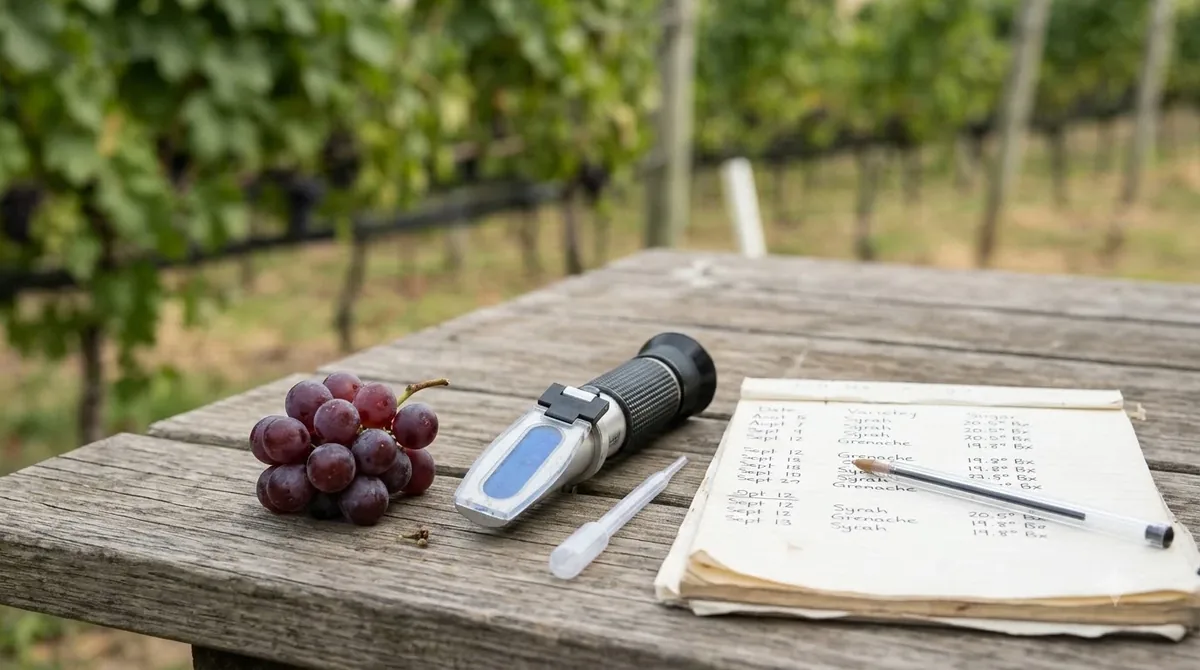
Aim to serve Jaen slightly below room temperature, ideally between 55°F and 60°F (13°C to 16°C). Chilling the bottle in the refrigerator for about 20 to 30 minutes before pulling the cork keeps the red berry flavors crisp and focuses the floral aromatics. A standard universal wine glass or a medium-sized Burgundy-style bowl works well, giving the wine enough surface area to release its violet and spice notes without dissipating too quickly.
Decanting is helpful for younger, granite-grown reserve bottlings or blends that include firmer grapes like Touriga Nacional. Giving a young bottle 45 to 60 minutes in a decanter softens any youthful grip and allows subtle earthy and mineral layers to open up. Lighter, unoaked varietal Jaen wines need minimal aeration and are ready to pour shortly after opening.
Tip: If you are storing a bottle of Jaen for a few years, keep it on its side in a cool, dark spot around 55°F—unoaked bottles shine within three to five years of vintage, while top Dão reserves can develop savory complexity for up to a decade.
Food Pairing with Jaen
Jaen’s combination of juicy berry fruit, gentle tannins, and subtle peppery spice makes it remarkably adaptable at the dinner table. Unlike heavily oaked, full-bodied reds that overpower delicate dishes, it bridges the gap between white-wine versatility and red-wine depth.
Traditional Portuguese cuisine offers natural templates for pairing. In the Dão, locals match Jaen-based reds with slow-roasted kid or lamb (cabrito assado), herb-rubbed roast pork, and cured sheep’s milk cheeses such as Queijo Serra da Estrela, whose rich, creamy texture is balanced by the wine’s red fruit and mineral finish. Earthy mushroom risottos, roasted poultry, duck breast, and charcuterie boards featuring prosciutto or chorizo also echo the grape’s savory, spiced undertones.
For everyday weeknight meals, Jaen works effortlessly alongside grilled salmon or tuna, wood-fired pizza, lentil stews, and mildly spiced vegetarian dishes. Because its tannins are fine-grained rather than harsh, it avoids the metallic bitterness that bolder reds sometimes trigger when paired with oily fish or tomato-based sauces.
How to Choose a Bottle of Jaen
Finding Jaen in the United States requires looking closely at Portuguese wine labels, especially in the Dão section of independent wine shops or broader Wine by Type selections. Because blending remains the historical norm in central Portugal, Jaen often appears on the back label rather than as the sole headline grape.
When shopping, start by deciding whether you want a single-varietal expression or a classic regional blend. Bottles labeled specifically as “Jaen” or “Reserva Jaen” from Dão producers offer the purest look at the grape’s solo personality—expect bright ruby color, cherry-and-violet aromatics, and a silky, mineral-driven finish. If you prefer deeper structure, look for Dão red blends listing Jaen alongside Touriga Nacional, Tinta Roriz (Tempranillo), and Alfrocheiro, where Jaen contributes plush mid-palate fruit and immediate drinkability.
Checking the vintage and oak treatment on the back label also helps set expectations. Younger vintages aged primarily in stainless steel or large neutral vats highlight lively strawberry and raspberry character, while barrel-aged reserves from higher-altitude vineyards deliver denser blackberry fruit, warm baking spices, and greater cellar longevity.
Frequently Asked Questions
Is Jaen the exact same grape as Spanish Mencía?
Yes, DNA profiling confirmed that Portugal’s Jaen and Spain’s Mencía are genetically identical cultivars. The difference in name reflects regional tradition across the Iberian Peninsula, while differences in taste come mainly from Dão’s granite soils and blending customs compared to northwestern Spain’s slate slopes.
Does Jaen taste similar to Pinot Noir?
Jaen shares several appealing traits with Pinot Noir, including medium body, vibrant red cherry and raspberry fruit, floral aromatics, and smooth tannins. However, Jaen typically shows a slightly deeper ruby color, a distinct crushed-granite minerality, and a peppery, herbal spice note that sets it apart.
Why is Jaen usually blended in Portugal?
Because Jaen ripens early in the growing season, its natural acidity can drop quickly in warmer vineyard sites. Blending Jaen with naturally high-acid, tannic local grapes like Touriga Nacional and Alfrocheiro creates a balanced wine with both immediate juiciness and long-term structure.
Can Jaen wines age in the cellar?
Simple, unoaked varietal Jaen wines are crafted for fresh, early enjoyment within three to five years of the harvest. However, concentrated reserve bottlings from old vines on high-altitude granite slopes—as well as classic Dão blends—can age gracefully for seven to ten years, developing savory leather and earthy notes.
Whether poured as a single-varietal discovery from a boutique Dão estate or enjoyed as the plush heart of a traditional Portuguese red blend, Jaen rewards drinkers looking beyond mainstream grapes. Its balance of fragrant red fruit, stony freshness, and approachable tannins makes it an effortless addition to both casual dinners and curious cellars.
More in Wine Types & Grapes
 Zinfandel Sugar Content: Dry Red vs. White Zinfandel GramsUpdated Nov 21, 2026
 Best Zinfandel Substitute Options for Sipping and CookingUpdated Nov 21, 2026
 Zweigelt Food Pairing: Best Dishes, Cheeses, and Serving TipsUpdated Nov 21, 2026
 Zinfandel Tannins Explained: How Structure Shapes Every BottleUpdated Nov 21, 2026
 Zinfandel Sweetness Level: Dry Red vs. Sweet White Zin ExplainedUpdated Nov 21, 2026
 Xinomavro Food Pairing: Best Dishes, Styles, and Serving TipsUpdated Nov 21, 2026