

We may earn a commission when you buy through links on this page, at no extra cost to you. Learn more.
Sutter Home Moscato alcohol content is not printed on the brand’s product pages that were checked, so the exact figure has to come from the bottle label. Moscato is generally a low-alcohol, lightly sweet style, and the Sutter Home Moscato range follows that general pattern. This guide explains what the label should show, why the number can differ between versions, and how to compare it with other sweet wines.
Most people searching for this want one number: how strong the bottle is. The question is simple, but it is harder to answer than it looks. The brand’s product pages describe flavor and sweetness rather than printing an ABV, and the wider Moscato category covers wines that range from barely fizzy to fully still.
What Sutter Home Moscato is
Sutter Home is a Napa Valley brand with a long history. According to the Wikipedia entry on Sutter Home Winery, John Thomann established a small winery and distillery in St. Helena in 1874, and a later Swiss family renamed the estate Sutter Home. After Prohibition, John and Mario Trinchero bought the property in 1948 and started out with generic jug wines. The estate is now owned by Trinchero Family Estates, which the article describes as the second largest family-owned winery in the world.
The Moscato line is one of the brand’s sweeter families. The producer’s listings include a white Moscato, a Pink Moscato and a Red Moscato. Wikipedia also lists a Moscato Sangria and a Riesling Moscato among the brand’s products. Moscato is the grape-based style that most of these wines are built around, so it helps to understand the category before looking at any numbers.
The brand’s broader catalog is large. As of 2020, the winery produced 21 varietal wines, including Chardonnay, Merlot and Cabernet Sauvignon. That range matters here because the Moscato bottles sit alongside dry reds and whites, and the label design can look similar across the portfolio even when the alcohol and sweetness are not.
How the producer describes its Moscato
The producer’s own wording focuses on taste rather than strength. The white Moscato is described as a creamy wine that nods to peaches. The Pink Moscato is described as having bright berry aromas and sweet fruit flavors. The Red Moscato is described as a blend of sweet, creamy Moscato with fruity Merlot. None of these listings gives an alcohol percentage, and the site’s sort filter includes a “Sweet to Dry” option without a numeric sweetness rating for each product.
That gap matters for anyone tracking alcohol intake, calories or pairing. Without an ABV or residual sugar figure on the page, the most dependable next step is the back label, a retailer listing that repeats the label data, or a question to the brand’s customer service team.
| Product type | How the producer describes it | What to check on the label |
|---|---|---|
| White Moscato | Creamy, with peach notes | ABV statement and any sweetness wording |
| Pink Moscato | Bright berry aromas and sweet fruit flavors | ABV statement and whether the label says sparkling |
| Red Moscato | Sweet Moscato blended with fruity Merlot | ABV statement, since a red blend can differ from the white |
What Moscato usually means for alcohol
Moscato as a style tends to be lower in alcohol than many table wines. The best-documented reference point is Moscato d’Asti from Italy, where the rules cap the alcohol at 5.5% ABV. That is a legal limit for one protected Italian denomination. It is not a number that applies to every bottle labeled Moscato in the United States, and it should not be read as the figure for any Sutter Home bottle.
Moscato d’Asti is also made in a frizzante style, with a gentle sparkle. Wikipedia notes that fermentation is halted before all the sugar is used, which leaves much of the natural sweetness in the finished wine. That process helps explain why the category is both light in alcohol and sweet on the palate, although American versions made under the Moscato name do not have to follow the Italian rules.
It is also useful to separate Moscato as a grape family from Moscato as a label term. A bottle sold under the name can be still, lightly sparkling or fully sparkling, and the alcohol can shift with the winemaking choices behind it. Treat the category as a rough guide and the bottle in your hand as the source of truth.
Reading the label for the number you need
The alcohol statement is usually printed on the front or back label as a percentage of alcohol by volume. Check the bottle you actually hold, because the same brand name can appear on different wines across vintages and packaging formats.
Look also for words such as “sparkling,” “semi-sweet” or “sweet,” and check the net volume. A standard 750 ml bottle and a smaller format of the same wine will not carry the same total alcohol per serving, even when the percentage on the label matches.
- Find the ABV statement on the back label, usually near the net volume.
- Check whether the wine is still, lightly sparkling or fully sparkling.
- Read any sweetness wording, which is a better guide than the grape name alone.
- Compare the label with the retailer listing if the two disagree or one is missing.
Serving and pairing a sweet Moscato
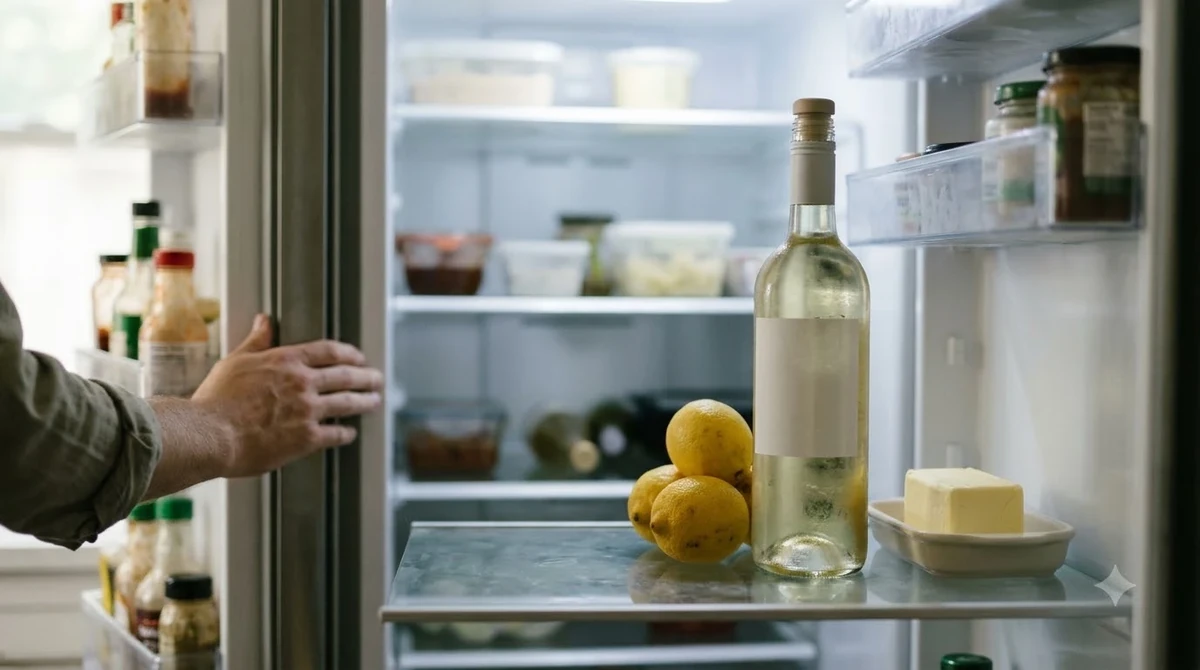
Moscato is usually served well chilled, which lifts its fruit and keeps the sweetness from feeling heavy. A bottle kept in the refrigerator for a few hours before serving is a practical starting point, and the same wine can taste flatter if it is left too warm on the table.
Because the wine is sweet, it works best with foods that have some salt, heat or richness to balance it. Fruit desserts, soft cheeses, spiced snacks and lightly spicy dishes are common choices. Very dry or tannic foods can make a sweet wine taste thinner, so pairing with a simple fruit plate or mild cheese is often the easier route.
How it compares with other sweet brands
Shoppers who look at Moscato often compare it with other sweet pink and white wines, so it helps to check those labels too. The Sutter Home White Zinfandel alcohol content guide covers a different Sutter Home style that is also sweet, and the Black Box wine alcohol content guide shows how a boxed sweet wine is usually labeled. Comparing styles side by side makes it easier to see that the grape name, sweetness and strength are separate questions.
For a wider view of how brands are grouped by style and price, the wine brands section is a good next stop. It helps to read a few labels in the same category before deciding which bottle fits your taste and your plans for the evening.
Frequently Asked Questions
Does Sutter Home Moscato list its alcohol content?
The product pages that were checked describe flavor and sweetness but do not print an ABV figure. The bottle’s back label is the reliable place to find the alcohol statement for the specific wine you are buying.
Is Moscato always low in alcohol?
Moscato is generally lighter in alcohol than many table wines, but the exact number depends on the producer and the style. The Italian Moscato d’Asti rules cap the alcohol at 5.5% ABV, and that rule does not automatically apply to American bottles.
Is Sutter Home Moscato sparkling?
The listings that were read describe the wines by flavor and do not clearly state whether each one is sparkling. Check the label or the retailer description, because a bottle labeled Moscato can be still or lightly fizzy.
How should I serve Sutter Home Moscato?
Serve it well chilled. Pour into a smaller glass, and pair it with fruit desserts, soft cheeses or mildly spicy snacks. Keep the bottle in the refrigerator until shortly before serving so the sweetness and fruit stay in balance.
Reading the label is the fastest way to answer the alcohol question for any Moscato. Once you have the ABV, compare it with other sweet wines on the same shelf and choose the bottle that fits the occasion, the food and your own limits.
More in Wine Brands
 Underwood Wine Price: Compare Bottles, Cans, and Pack SizesUpdated Nov 21, 2026
 Zenato Wine Price: Compare Styles and Choose the Right BottleUpdated Nov 21, 2026
 Zuccardi Wine Price: Compare Bottles and Find the Right RangeUpdated Nov 21, 2026
 Yellow Tail Moscato Review: Taste, Sweetness and Serving TipsUpdated Nov 21, 2026
 Wolf Blass Yellow Label Review: Choose Your Best StyleUpdated Nov 21, 2026
 Wolffer Estate Rose Review: Choose the Right Bottle for Your TableUpdated Nov 21, 2026