

We may earn a commission when you buy through links on this page, at no extra cost to you. Learn more.
Decoy Cabernet is a California Cabernet Sauvignon from the Duckhorn family of wines, built to be ripe, approachable, and easy to pair with everyday dinners. It sits in the portfolio as the more accessible label next to the house’s premium wines, and the Limited bottlings show how far the brand can stretch when the fruit is taken more seriously. Most drinkers reach for it for its dark fruit, smooth tannins, and steady quality.
Cabernet Sauvignon is the most planted red grape in many wine regions, which means shelves are crowded with bottles that look similar. Decoy is one of the names that often comes up when someone wants a red that tastes like a classic California Cab without a premium price tag. This guide explains what the label is, how its style comes together, what to expect in the glass, and how to serve and pair it.
What Decoy Is Within the Duckhorn Family
Decoy belongs to the Duckhorn portfolio, which is built around Cabernet Sauvignon and Merlot from Napa Valley and other Californian regions. Within that family, Decoy is the label designed for everyday drinking. It is positioned below the estate wines and the single-vineyard bottlings, so it gives shoppers a way to taste the house style without committing to the highest tier.
That structure matters because it explains how the wine is made. A label built for volume draws on a broader range of vineyards and vintages than a single-estate bottle, and the blend is adjusted each year to keep the taste consistent. Drinkers who buy Decoy year after year are usually buying the style and the reliability rather than one specific vineyard.
For a shopper, the practical point is that the label is designed to be consistent. Buyers who want a familiar taste from one year to the next tend to stick with an everyday bottling, while those who want to explore individual vineyards can move up the portfolio. Both paths start with the same house approach to Cabernet, so the everyday label is a fair way to learn the style before spending more.
How the Blend Comes Together
Cabernet Sauvignon is the core of the wine, and the blend is usually balanced with Merlot and small amounts of other red varieties. Merlot softens the edges and adds plummy, soft fruit, while the Cabernet brings structure and length. The exact mix changes with each vintage, so the percentages on one release may not match the next. Reviewers and retailers often list different splits for the same label, which is a sign that the blend is adjusted rather than fixed.
Oak plays a supporting role. Most of the wine ages in barrels for a period that gives it toasted spice and smooth texture, but the goal is balance rather than a heavy oak flavor. A moderate amount of new oak keeps the fruit in front, and the wine stays drinkable soon after release.
What the Wine Tastes Like
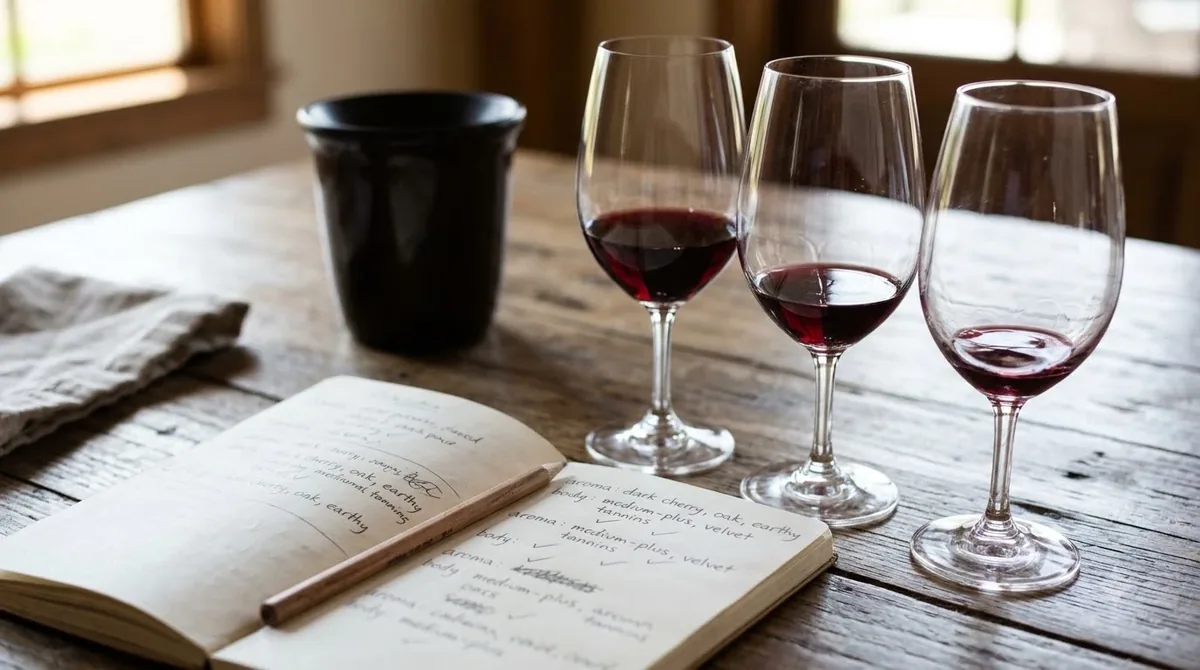
In the glass, Decoy usually shows dark fruit first, with blackberry, black cherry, and plum leading the way. Herbal and mocha notes sit behind the fruit, and the finish tends to carry a soft, rounded tannin. The best examples keep a bright line of acidity that stops the wine from feeling heavy, even when the fruit is ripe.
A good way to understand the style is to compare it with a Limited bottling from the same family. A VinePair review of the 2018 Decoy Limited Napa Cabernet, which is a 90 percent Cabernet and 10 percent Merlot blend, describes “classic aromas of ripe yet bright dark fruit and herbs.” The reviewer also notes generous blackberry and boysenberry on the palate, a touch of mocha, and firm but smooth tannins that are unusual at that level. The everyday Decoy is a simpler wine than the Limited, but it shares the same fruit-forward base.
| Element | What to expect | Why it matters |
|---|---|---|
| Fruit | Blackberry, black cherry, plum | Sets the main flavor and the approachable feel |
| Tannin | Firm but smooth | Gives the wine structure for steak and roast meats |
| Oak | Toast, vanilla, mild spice | Adds texture without covering the fruit |
| Acidity | Fresh, lifting finish | Keeps the wine from tasting heavy or jammy |
Texture is the part many drinkers remember most. The tannins give the wine a firm grip on the gums and cheeks, and the acidity keeps that grip from turning drying or harsh. When the balance is right, the finish feels long but clean, with the fruit fading slowly rather than stopping abruptly.
The table describes the general profile rather than a single vintage. Alcohol and body can shift a little between releases, so check the label for the exact vintage you are buying.
How to Serve and Pair Decoy
Serve the wine at a cool room temperature, a little below what many people use for red wine. Pull the bottle from the cellar or rack about fifteen to twenty minutes before dinner so the aromas can open. A decanter is optional, but a short pour into a larger glass helps the fruit and oak come forward after a few minutes.
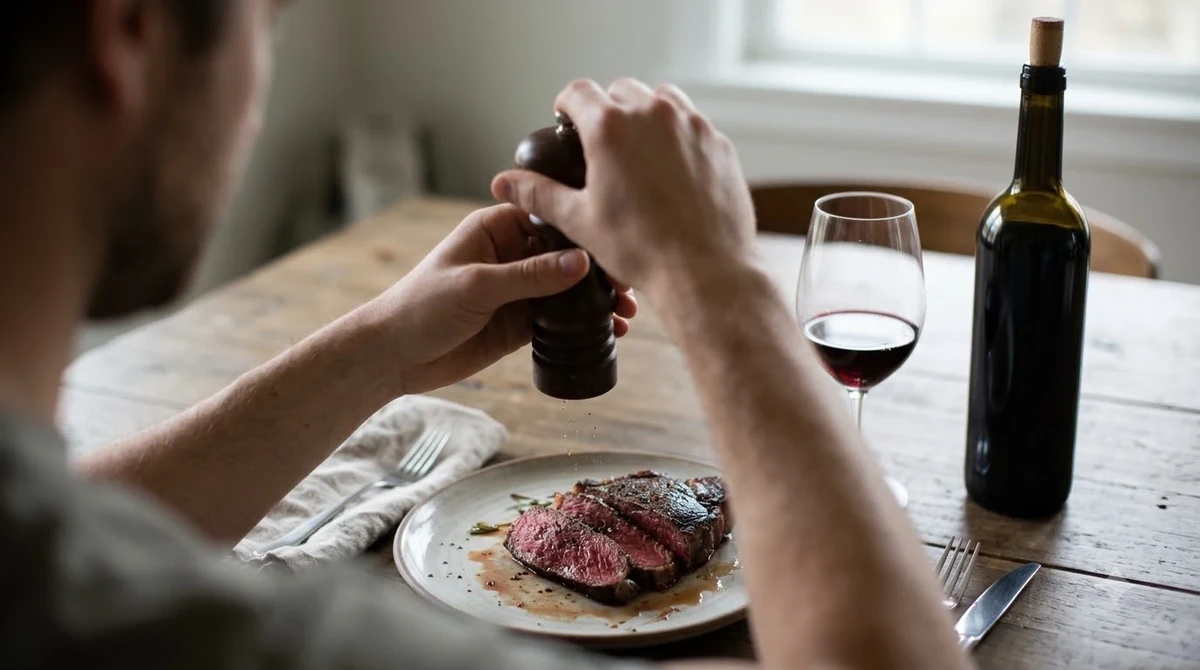
The wine works well with grilled and roasted meats. VinePair’s reviewer called a Limited Cabernet from the same family a “quintessential steak wine” and paired it with grilled shell steaks. The same logic applies to the everyday bottling, which also suits burgers, lamb, pork, roast chicken, and hearty vegetarian dishes with mushrooms or lentils. Aged cheddar and dark chocolate are good companions for the dessert course.
Glassware is a small detail that makes a real difference. A large bowl lets the aromas gather and gives a red with this much fruit room to open. Fill the glass about a third of the way, swirl gently, and take a moment to smell before the first sip. Many people find the wine tastes fuller once it has been in the glass for ten or fifteen minutes.
Storage at home also affects the result. Keep bottles on their side in a cool, dark place, and avoid spots near the stove or a sunny window. A bottle that has been kept warm can taste flat or stewed, while one kept at a steady cellar temperature keeps its fresh fruit and balance.
Avoid very spicy food, which can make the tannins feel harsher, and avoid light, delicate dishes that the wine will overpower. A simple roast with rosemary and garlic is one of the easiest ways to show the wine at its best.
Tip: Decant a younger bottle for half an hour before serving. It softens the tannins and lets the fruit come forward.
Frequently Asked Questions
Is Decoy Cabernet a dry red wine?
Yes. Decoy is a dry red, with the sweetness coming from ripe fruit rather than residual sugar. The flavor is dark fruit and oak rather than sugary.
What grapes go into Decoy Cabernet?
The wine is built on Cabernet Sauvignon and blended with Merlot and small amounts of other red varieties. The exact split changes with each vintage, so check the back label for the release you have.
How does Decoy compare with the Limited bottlings?
The Limited wines are made from more selected fruit and sit higher in the range. A review of a 2018 Limited Napa bottling describes firm, smooth tannins and generous blackberry fruit, which gives a sense of the house style at a higher level.
Can Decoy Cabernet be cellared?
Most everyday releases are meant to be enjoyed within a few years of the vintage. Higher-tier bottlings can age longer, but cool, dark storage matters for any bottle.
Decoy Cabernet is a practical choice for a weeknight roast or a casual gathering with friends. If you want to compare the style with other California Cabernets, the Caymus Cabernet and Austin Hope Cabernet guides show how different producers handle ripeness and oak. For a wider look at the brands behind these labels, the Wine Brands hub is a good next step.
More in Wine Brands
 Underwood Wine Price: Compare Bottles, Cans, and Pack SizesUpdated Nov 21, 2026
 Zenato Wine Price: Compare Styles and Choose the Right BottleUpdated Nov 21, 2026
 Zuccardi Wine Price: Compare Bottles and Find the Right RangeUpdated Nov 21, 2026
 Yellow Tail Moscato Review: Taste, Sweetness and Serving TipsUpdated Nov 21, 2026
 Wolf Blass Yellow Label Review: Choose Your Best StyleUpdated Nov 21, 2026
 Wolffer Estate Rose Review: Choose the Right Bottle for Your TableUpdated Nov 21, 2026