

We may earn a commission when you buy through links on this page, at no extra cost to you. Learn more.
Chateau Lynch Bages wine is a Pauillac red from a 90-hectare estate on the Left Bank of Bordeaux, built mainly on Cabernet Sauvignon. The estate is one of the eighteen Fifth Growths named in the 1855 Bordeaux classification, and it has been run by the Cazes family since 1938. Expect a structured, dark-fruited red with firm tannins, aged in oak before release and made for rich food rather than light sipping.
This guide explains where the wine comes from, which grapes go into it, how it is made and aged, and how to serve it at home. It is written for shoppers who see the name on a restaurant list or a shop shelf and want to know what they are actually buying.
Who makes Chateau Lynch Bages and where the vines grow
The Chateau Lynch Bages estate is a Bordeaux property with a long paper trail. Its foundation is dated to 1749, when John Lynch, who had emigrated from Galway, inherited the Bages estate through his wife, Elizabeth. The property later passed out of the Lynch family, was sold in 1824 to a Swiss wine merchant named Sebastien Jurine, and was held for a time by the Cayrou family.
The modern chapter began in 1934, when Jean-Charles Cazes rented the property and then bought it in 1938. His grandson, Jean-Michel Cazes, has managed the estate since his grandfather died in 1972, and the family still owns Lynch-Bages. In 2017 the Cazes family also acquired Chateau Haut-Batailley, another 1855 Grand Cru Classe estate in Pauillac.
The vineyard lies just outside the town of Pauillac on a gravel ridge that overlooks the Gironde estuary. Gravel soils drain quickly and warm up well in summer, which suits Cabernet Sauvignon. That terroir is the main reason Pauillac is so often described as the home of firm, structured red wine on the Left Bank.
The 1855 classification still shapes how merchants and collectors talk about the estate. Lynch-Bages was placed among the Fifth Growths in that ranking, and many buyers use the classification as a quick reference for where a wine sits in the broader Bordeaux market. The ranking is old, so it is best treated as a historical marker rather than a current quality score.
The blend: the grapes behind the red
The red wine is built around Cabernet Sauvignon, with supporting grapes that soften and add lift. Across the estate’s red plantings, the split is 73% Cabernet Sauvignon, 15% Merlot, 10% Cabernet Franc and 2% Petit Verdot. Those shares describe the vineyard as planted. The final blend is set after each harvest, so the proportions in a given bottle can differ from vintage to vintage.
The estate also makes a small white. Its white plot covers about 4.5 hectares and is planted with Sémillon, Sauvignon Blanc and Muscadelle in a 40/40/20 split. Those vines produce the “Blanc de Lynch-Bages” bottling, which has been made since 1990, so the white is a side story to the famous red rather than the main event.
| Component | Share of red plantings | What it brings to the glass |
|---|---|---|
| Cabernet Sauvignon | 73% | Structure, dark fruit and firm tannin |
| Merlot | 15% | Softer body and plum-like fruit |
| Cabernet Franc | 10% | Aromatic lift and a herbal edge |
| Petit Verdot | 2% | Deep color and a touch of spice |
Reading the table is useful for shoppers because it explains the wine’s character. Cabernet Sauvignon sets the frame, so the wine is long and firm. Merlot and Cabernet Franc round out the middle and the aroma. Petit Verdot is a small share, but it adds color and dark spice, which is typical for Left Bank blends.
How the wine is made and aged
The estate’s winemaking follows a traditional Bordeaux path with a few modern controls. Malolactic fermentation takes place mainly in stainless steel tanks, which keeps the process under close control and helps preserve fresh fruit. After that, the red ages about 15 months in oak barrels, and 50 to 60 percent of those barrels are new.
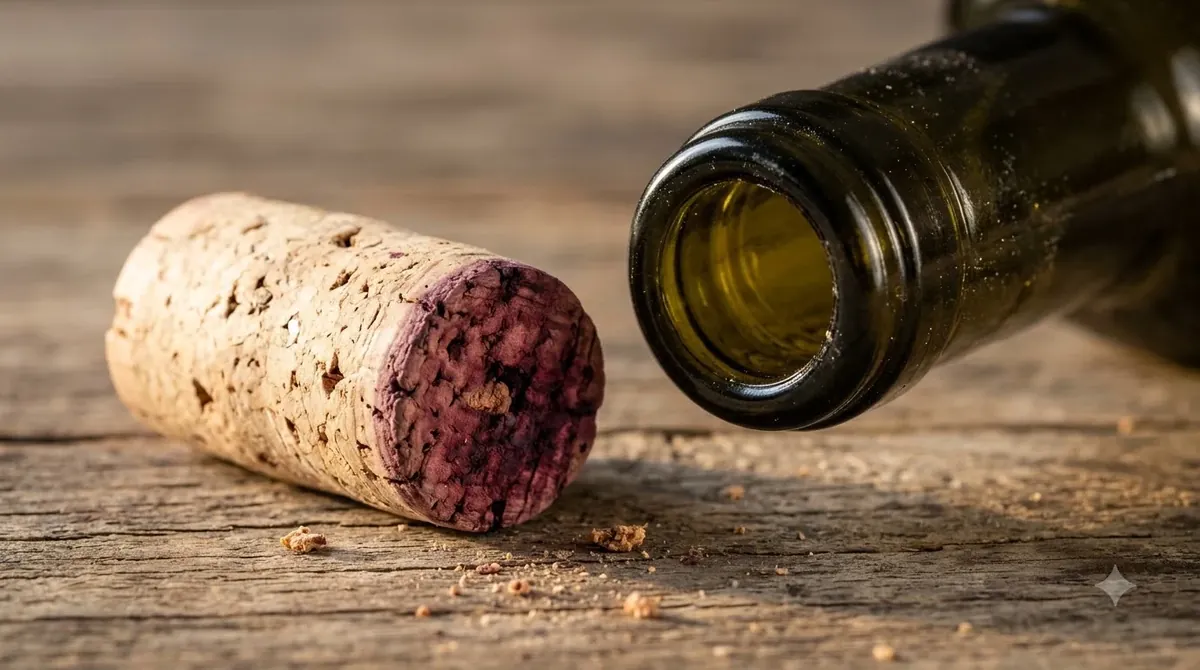
That high share of new oak is one reason the wine can taste firmly oaked when it is young. Time in the bottle integrates the oak with the fruit, so a bottle that tastes tight at release may show more balance later. Production averages about 25,000 cases a year, which makes the estate a sizable producer in the Pauillac context.
The estate also releases a second wine, Echo de Lynch-Bages, which dates from 2008, and a third label, Pauillac de Lynch-Bages. Those bottlings come from the same estate and offer a way to taste the house style at a different level of intensity.
Flavor and style to expect
Cabernet-led Left Bank reds usually show black cherry, black currant, cedar and graphite notes. Wine Folly describes Cabernet Sauvignon in general as dry and full-bodied, with medium-high tannins and acidity, and most examples land between 13.5% and 15% alcohol by volume. Those ranges are a useful starting point for Chateau Lynch Bages, though the exact figure on each label depends on the vintage.
Young bottles can taste tight and oak-driven, with firm tannins that need food to feel smooth. Many buyers find the wine opens up after time in the glass or after several years in the bottle. That is why it is often poured with a meal rather than as a casual glass on its own.
Tip: Check the vintage on the label before you buy. A recent release and an older bottle taste different, and a merchant can tell you which style you are getting.
How to serve and pair Chateau Lynch Bages
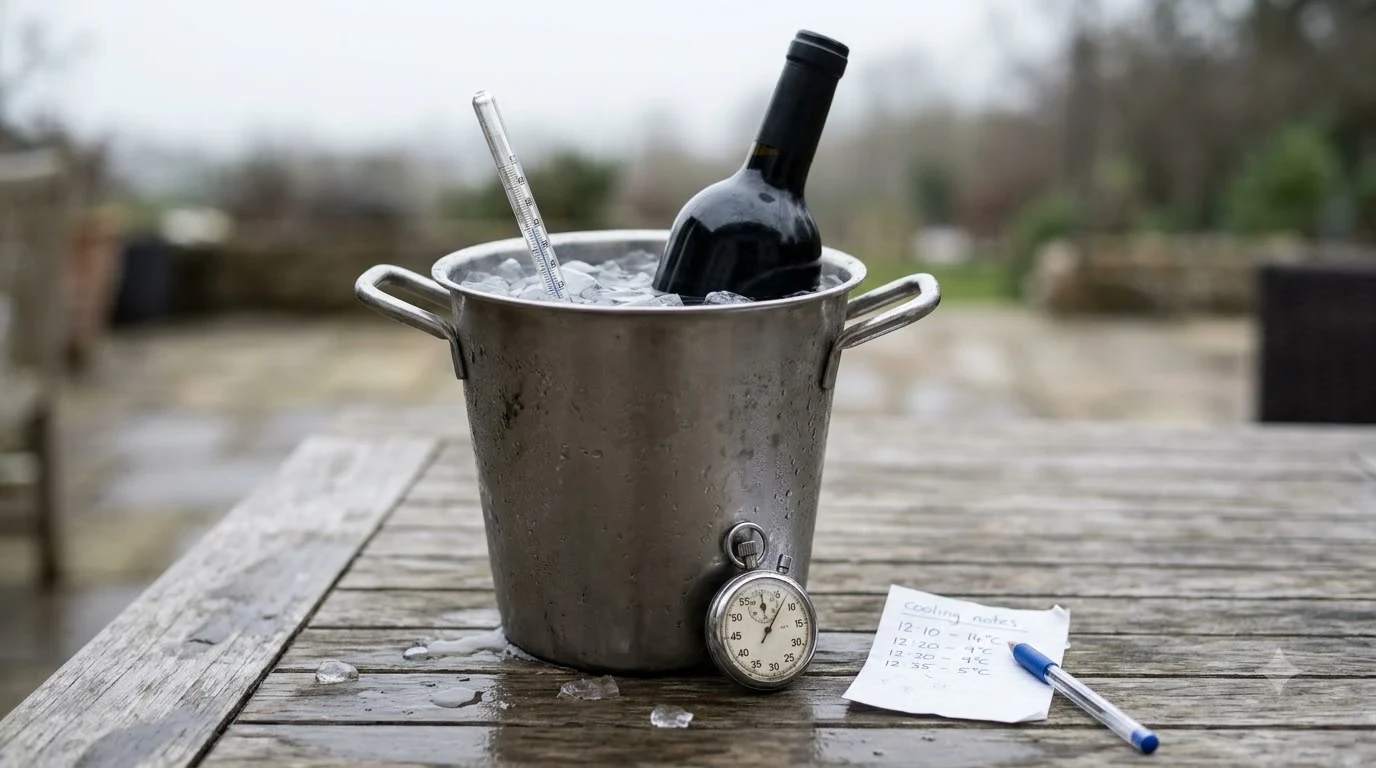
Wine Folly recommends serving Cabernet-based reds at 60 to 68°F (15 to 20°C), which is cooler than many people expect from a red. The same guide suggests a large glass and about 30 minutes of decanting for bigger reds. Decanting helps young, tannic wine soften, so a bottle opened for dinner can be poured into a carafe in the afternoon.
The Wine Folly guide to Cabernet Sauvignon describes the variety as a partner for grilled meats, peppery sauces and boldly flavored dishes. Lamb, steak with a pepper sauce and roast beef all fit that pattern. Lighter dishes such as delicate fish or fresh salads tend to clash with the wine’s structure, so save those for a white.
When you pair the wine, match weight with weight. A wine with firm tannins needs fat and protein to balance it. A wine with dark fruit can also handle savory herbs, mushrooms and aged hard cheese. If the meal is simple, a pot roast or a grilled rib-eye gives the bottle a fair chance to show its structure.
How to choose and keep a bottle
Look for the vintage, the producer and the château name on the label. Chateau Lynch Bages is sold under its own name, and the second and third wines carry different names, so compare the label with the listing before you buy. Retailers sometimes write the château name with or without the hyphen, so a quick check of the bottle is the safest approach.
Store bottles on their side in a cool, dark place with steady temperature. A wine fridge keeps the temperature steady and is the easiest option for a small collection. If you plan to keep a bottle for years, ask the seller for advice on the current vintage rather than relying on general rules. For a wider look at other Bordeaux estates, the Chateau Haut-Brion wine guide covers a neighboring Graves estate with a different blend.
Frequently Asked Questions
Is Chateau Lynch Bages a Bordeaux wine?
Yes. The estate is in Pauillac, on the Left Bank of Bordeaux in France. The name also refers to the red wine it produces, so a bottle labeled Chateau Lynch Bages is the estate’s own Bordeaux red.
What grapes go into Chateau Lynch Bages?
The red is mostly Cabernet Sauvignon, with Merlot, Cabernet Franc and a little Petit Verdot. The white bottling uses Sémillon, Sauvignon Blanc and Muscadelle from a small plot.
How should I serve Chateau Lynch Bages?
Serve it at about 60 to 68°F (15 to 20°C) in a large glass. Decanting for around 30 minutes can help a young bottle open up before dinner.
What food goes well with Chateau Lynch Bages?
Grilled or roasted red meats, lamb and steak with a peppery sauce are classic matches. Rich, savory dishes with some structure suit the wine better than light fish or delicate salads.
Chateau Lynch Bages is a good reference point for Pauillac and for Cabernet-led Bordeaux in general. Once you know the blend, the aging and the serving temperature, it becomes easier to read a label and decide whether the bottle suits your table. To compare it with another famous Left Bank name, see the Chateau Palmer wine guide, and browse our wine brands section for other producers.
More in Wine Brands
 Underwood Wine Price: Compare Bottles, Cans, and Pack SizesUpdated Nov 21, 2026
 Zenato Wine Price: Compare Styles and Choose the Right BottleUpdated Nov 21, 2026
 Zuccardi Wine Price: Compare Bottles and Find the Right RangeUpdated Nov 21, 2026
 Yellow Tail Moscato Review: Taste, Sweetness and Serving TipsUpdated Nov 21, 2026
 Wolf Blass Yellow Label Review: Choose Your Best StyleUpdated Nov 21, 2026
 Wolffer Estate Rose Review: Choose the Right Bottle for Your TableUpdated Nov 21, 2026