

We may earn a commission when you buy through links on this page, at no extra cost to you. Learn more.
What is varietal in wine? A varietal wine is a wine made mostly from one named grape variety, and that grape name is usually printed on the label. A bottle labeled Pinot Noir or Chardonnay is a varietal wine. The word describes what the bottle is made from, not how good it is or how it tastes. Wines that name two or more grapes, such as a Chardonnay-Viognier, are blends rather than varietals.
Wine labels can look like a list of codes. Some name a region, some name a producer, and some name a grape. The varietal name is the one that tells you the most about flavor, because the grape drives much of the taste before the winemaker, the climate, and the cellar add their own marks. This guide explains what varietal means, how labeling rules decide which name can appear on a bottle, and how to use the grape name when you shop.
What a varietal wine is
A varietal wine is wine in which one grape variety makes up most of the blend, as the varietal wine entry explains. The grape is named on the label, and the wine is mostly that grape. Common examples include Cabernet Sauvignon, Merlot, Pinot Noir, Sauvignon Blanc, and Riesling. Each name tells you what to expect from the grape before you open the bottle.
The key difference is the blend. A wine that names two or more varieties is not a varietal wine in the strict sense. Many famous wines work this way. Bordeaux blends often combine several red grapes, and Champagne is usually a blend of Chardonnay, Pinot Noir, and Pinot Meunier. Those wines carry a region or house name instead of a single grape name, because the blend is the point.
How labeling rules decide the grape name
The grape name on a bottle is not just a marketing choice. Laws set how much of the labeled grape must be in the wine before the name can appear. The rules differ by country, so the same bottle can be labeled differently in different markets.
In the European Union, a varietal label requires at least 85 percent of that variety. National rules can set a higher minimum, but they cannot go lower than the EU floor. In the United States, the federal minimum is 75 percent of the labeled grape for wines made from Vitis vinifera, the species that makes most fine wine grapes. For wines made from Vitis labrusca, the federal minimum is 51 percent. The rest of the wine can be other grapes, and the law places no restriction on that remaining portion.
American states can also be stricter than the federal rule. Some regions require a higher percentage before a grape name can appear, which means a varietal label from one state may follow a tougher standard than the same name from another. If you care about a specific grape, look for the producer’s note or the region on the back label, not only the front.
Why the grape name tells you about the taste
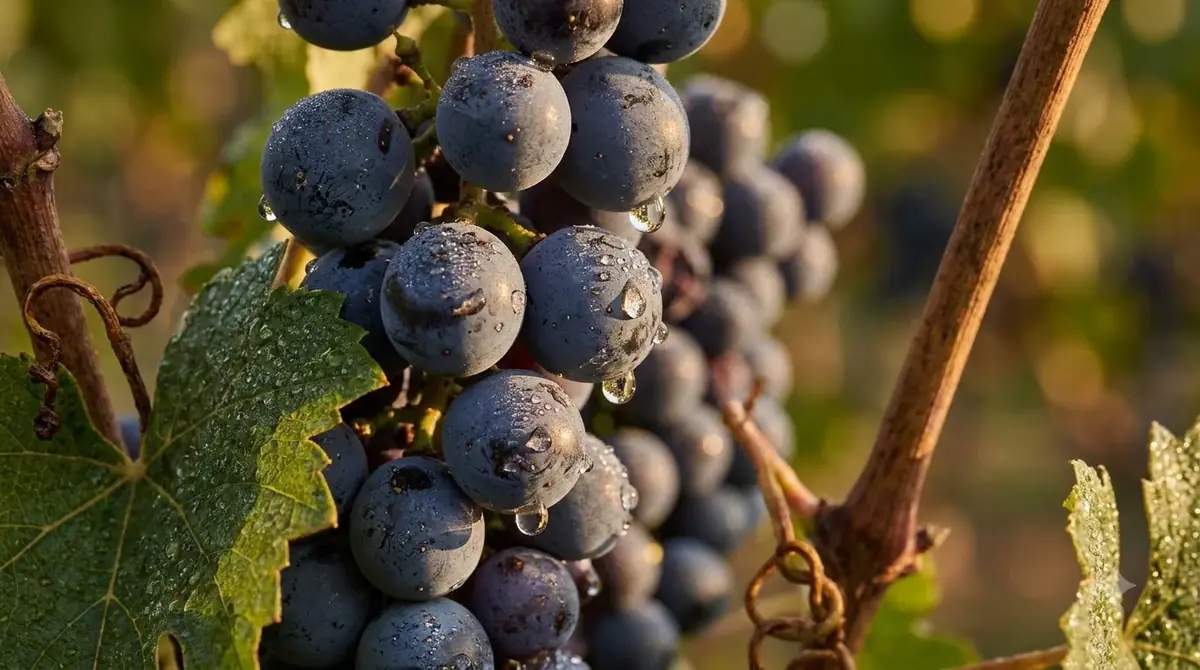
The grape sets the basic profile of a wine: its acidity, its body, its tannins if it is red, and its typical fruit notes. Pinot Noir is usually lighter in color and tends toward red fruit and earthy notes. Cabernet Sauvignon is often firmer, with darker fruit and noticeable tannin. Sauvignon Blanc usually shows green and citrus notes with bright acidity. When you pick a varietal bottle, you are picking those general traits first.
Region and winemaking then shape the grape. The same Chardonnay can be crisp and lean in a cool climate or round and toasty after oak aging in a warm one. This is why a varietal label is a starting point, not a full description. Use the grape name to choose a family of flavors, then use the region and producer to narrow the style.
| Label type | What it means | Example |
|---|---|---|
| Varietal | One named grape makes up most of the wine | Pinot Noir |
| Blend | Two or more grapes are named or used together | Chardonnay-Viognier |
| Region or house name | The label names a place or producer, often for a blend | Champagne |
Tip: If you want the grape name to matter, check whether the back label names the grape and the region. A bottle that lists only a brand name may hide a blend.
How to read a varietal label when you shop
Start with the grape name on the front. Then check the country, because the minimum percentage depends on the label rules where the wine was made. If the bottle is from the United States, the federal minimum is 75 percent for most grape species, so a varietal can still contain up to a quarter of other grapes. Finally, look at the region or appellation, since that narrows the style beyond the grape.
A label can also be misleading if you read it too fast. A Cabernet Sauvignon from one place and a Cabernet Sauvignon from another may share a name but not a style. Use the varietal name to choose the family, then compare two or three bottles from different regions to learn which style you like. You can explore more basic terms in the Wine Glossary when a label uses a word you do not know.
Varietal wine and sweetness
Many people assume that the grape name predicts sweetness, but the label does not say how sweet a wine is. A varietal can be dry or sweet, depending on how the winemaker handled the fermentation. Riesling, for example, is made in both dry and sweet styles. The grape name tells you the family, and you still need to read the producer’s description to know whether the bottle is dry.
If sugar is a concern, read the label and the producer’s technical notes. For more on how sweetness works across styles, the guide on which wine has less sugar covers the practical differences between common bottles.
Why varietal labels matter for blends
Blends can be excellent, and many classic wines are blends by design. The varietal label is useful because it tells you that a single grape is driving the wine. A blend can smooth out a grape’s weaknesses, add structure, or balance acidity. Champagne is a good example. It is usually a blend, so the house name matters more than any single grape.
When you choose a blend, think about the reason it was made. A red Bordeaux style combines grapes to create structure and balance across vintages. A white blend may mix a bright grape with a richer one. Neither is a varietal, but both can be very good. Learn which blend styles you like and the varietal labels will make more sense.
Frequently Asked Questions
What is a varietal wine in simple terms?
A varietal wine is mostly made from one grape, and the grape name appears on the label. Pinot Noir, Merlot, and Sauvignon Blanc are all varietal names. The term describes the grape used to make the wine, not its quality.
Is a varietal wine always made from one grape?
Not always. Varietal labeling rules require a minimum share of the named grape, not 100 percent. In the European Union the minimum is 85 percent, and in the United States it is 75 percent for most grape species, so a small amount of other grapes can be present.
What is the difference between a varietal and a blend?
A varietal names one grape as the main component, while a blend names two or more grapes. A Chardonnay-Viognier is a blend. Some blends, such as Champagne, are known by a region or house name instead of a grape name.
Does the varietal name tell me if a wine is dry or sweet?
No. The grape gives you the family of flavors, but sweetness depends on how the wine was made. Two bottles of the same grape can differ in sweetness, so read the producer’s description or technical notes before you choose.
A varietal label is the fastest way to understand what is in the glass, but it works best when you pair it with the region and the producer. Read the grape name, check the country’s labeling rule, and compare a few bottles to find the style you enjoy. For more basic terms, start with the Wine Glossary and keep building your shopping vocabulary.
More in Wine Basics
 Which Rose Is Best for Your Taste, Budget, and Food PairingsUpdated Nov 21, 2026
 Is Cheap Wine Bad? How to Find Bottles Worth DrinkingUpdated Nov 21, 2026
 What To Write On A Wine Gift Tag: Thoughtful Messages For Every OccasionUpdated Nov 21, 2026
 Which Wine Is Best For Weight Loss? Compare Lower-Calorie ChoicesUpdated Nov 21, 2026
 What Is The Best Wine For Mimosas? Choose Bubbly That Balances Orange JuiceUpdated Nov 20, 2026
 Which Prosecco Is Best for Your Taste and OccasionUpdated Nov 20, 2026