

We may earn a commission when you buy through links on this page, at no extra cost to you. Learn more.
Sicily wine tasting gives you a window into one of Italy’s oldest wine islands, with volcanic vineyards on the slopes of Mount Etna, sun-warmed estates near Marsala, and indigenous grapes you rarely see outside Italy. Most cellars offer a guided tasting of three to five wines, often served with local cheese, bread, or olives. Booking ahead is usually recommended, because many estates are in the countryside and receive visitors by appointment.
This guide explains what to expect from a Sicily wine tasting, which grapes you are likely to meet, and how to plan a visit. It also covers how to find Sicilian bottles to try at home if a trip is not on the calendar.
Why Sicily Is a Distinct Tasting Destination
Sicily has produced wine for a very long time, and its climate is hot and dry for much of the growing season. Sea breezes and elevation keep many vineyards cooler than the latitude would suggest. That balance gives many wines ripe fruit alongside fresh acidity, which is part of why Sicilian reds and whites often taste different from mainland Italian styles.
The island is also varied. The slopes of Mount Etna, the western area around Marsala, the southeast, and the northern coast each have their own soils, exposures, and grape mixes. A tasting in one zone can feel very different from a tasting in another. Many visitors pick one or two areas rather than trying to cover the whole island in a few days.
Key Grapes and Styles You Will Taste
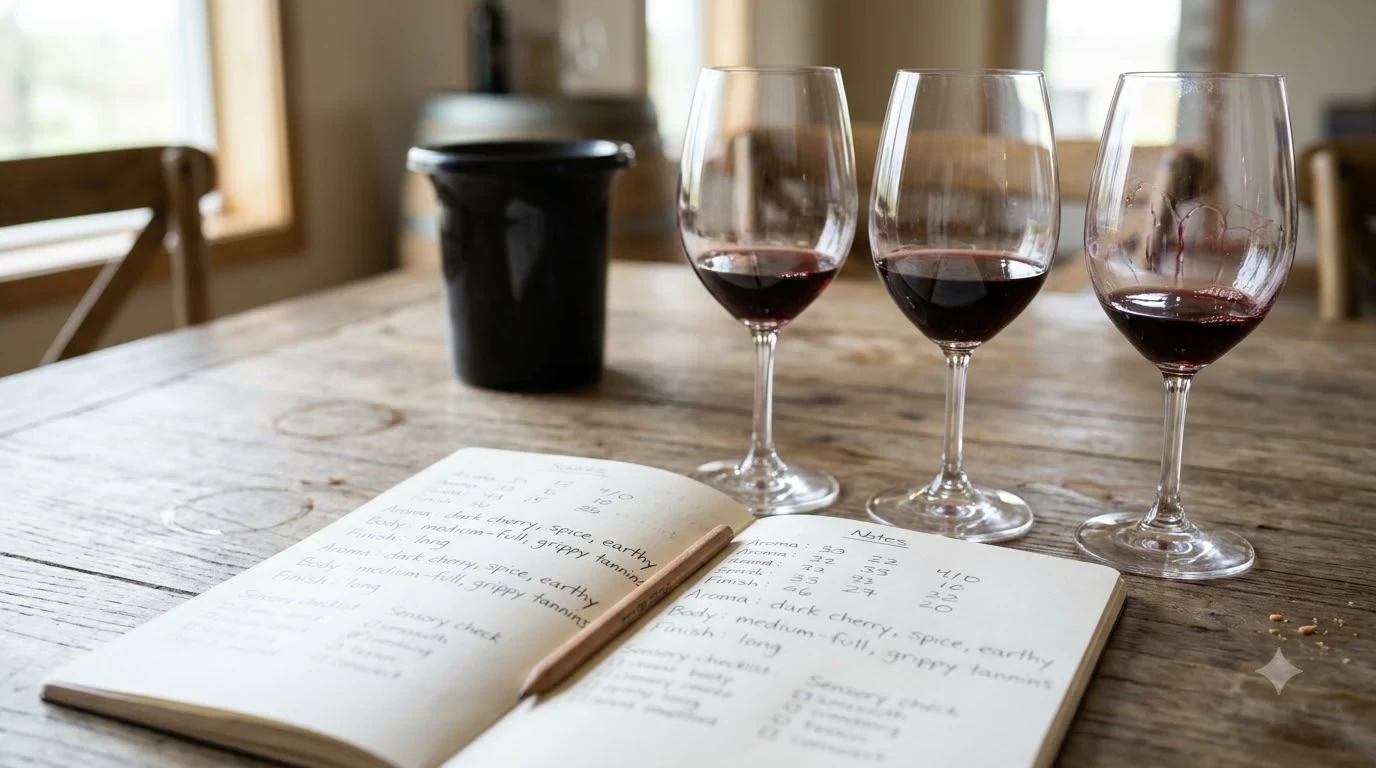
Most tastings begin with the island’s signature grapes. Nero d’Avola is the flagship red. According to Wine Folly’s Nero d’Avola profile, it is the primary grape planted on Sicily and is often likened to Cabernet Sauvignon, with notes of black cherry, black plum, licorice, and tobacco. The same page lists a medium-full body, medium-high tannins, and 13.5 to 15% ABV, which explains why these wines feel rich next to a plate of food.
For whites, Grillo is the grape to ask about. It is one of the main grapes used to make Marsala, the island’s fortified wine, and it also appears in dry table wines. Wine Folly’s Grillo profile describes grapefruit, citrus blossom, and herbal aromas, a bone-dry style, and 11.5 to 13.5% ABV, served cool at 7 to 12°C.
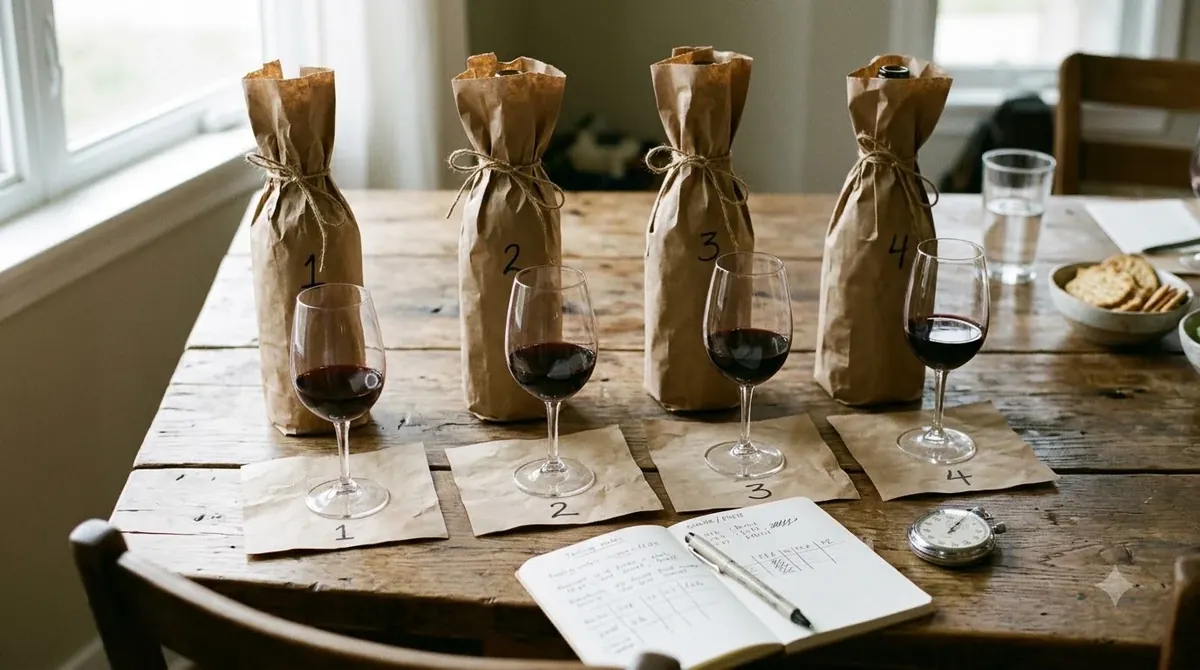
Expect the tasting to move from whites to rosé to reds in most cellars. That order lets the lighter wines show their freshness before the fuller reds arrive.
Where Tastings Take Place
Tastings happen on working estates, in small family cellars, and in tasting rooms within the main wine zones. Mount Etna is the best-known area for visitors. Its volcanic soils and high vineyards produce wines that many tasters find distinctive, and several estates sit close enough to one another to combine in a single day. The Marsala area, along the west coast, is known for both fortified wine and dry table wines.
Because many properties are rural, a car is usually the easiest way to get around. Public transport reaches larger towns, but it may not reach individual vineyards. If you plan to taste at more than one estate, arrange a driver or a tour in advance so you are not driving between cellars after tasting.
Some estates combine the tasting with a vineyard walk, a cellar tour, or a meal. Ask when you book whether the price includes a walk through the vines or only the glasses in the cellar. The difference affects how much time to allow.
What a Typical Tasting Includes
A standard tasting usually includes three to five wines, poured in small amounts and presented in a set order. Staff explain the grape, the vineyard, and the winemaking. Many estates serve small bites alongside, such as local cheese, cured meats, olives, or bread, so the wine has food to match.
The table below summarizes what most visitors can expect. Details vary by estate, so confirm them when you book.
| Tasting element | What to expect |
|---|---|
| Typical pour count | Three to five wines, small pours |
| Common style order | Whites first, then rosé, then reds |
| Food served | Cheese, bread, olives, cured meats |
| Booking | Usually recommended, especially for rural estates |
| Vineyard visit | Some estates include a walk, others do not |
Tip: Book a few days ahead, and ask whether the tasting includes a vineyard walk or only the cellar.
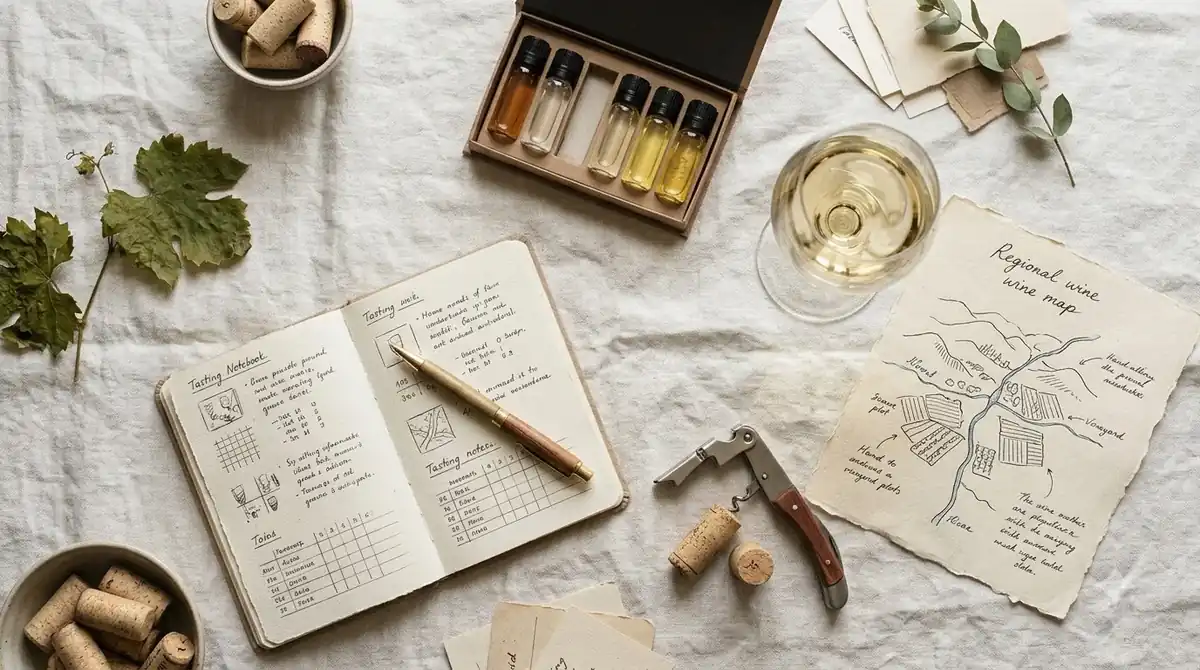
Ask the host about the vintage and the vineyard for each glass. Sicilian estates often farm several small parcels, and the same grape can taste different depending on altitude and soil. Hearing those details is one of the most useful parts of a tasting, and it helps you compare wines later when you see them on a shop shelf.
How to Plan a Sicily Wine Tasting
Choose your zone first, then pick two or three estates in the same area so the drives stay short. Spring and autumn are often more comfortable than midsummer, when the heat can be intense. Plan a light lunch between tastings, and avoid tasting many glasses at the same stop if you will be driving afterward.
Tell the host early what you are interested in, such as indigenous grapes, dry whites, or fortified wine. Many hosts will adjust the pour list to match, and this often makes the visit more useful. If you are new to Italian wine, a short comparison of Grillo and Nero d’Avola is a good way to see the island’s range in one sitting.
If you cannot travel, look for Sicilian bottles at specialist wine shops or import retailers. Check the label for the grape and the alcohol level. Nero d’Avola reds are usually full-bodied, so serve them a little cooler than you would a light red.
Who a Sicily Tasting Suits
A Sicily tasting suits people who want to try grapes they have not met before, rather than the familiar varieties from other regions. Visitors who like food with their wine tend to get the most from the experience, since many estates pair the glasses with local produce. Travelers who prefer light, delicate styles may find the reds bold, so a tasting that starts with the whites is a sensible choice.
Visitors who enjoy the wider region can compare the island with other destinations. For example, the Mendoza wine tasting guide shows how a different climate and grape mix changes the experience. For a broader look at how wine regions differ, see the Wine Regions hub.
Budget and pacing matter as much as the wine list. A short, focused visit with two estates and a clear grape goal often teaches more than a crowded day of many stops. Leave time to walk through the vines, look at the soil, and talk with the people who make the wine. Those conversations tend to explain the island’s character better than any single bottle can.
Frequently Asked Questions
What is the best time for a Sicily wine tasting?
Spring and autumn are usually the most comfortable. Midsummer can be very hot, and the late summer harvest period is busy, so some estates have limited visiting hours then.
Do I need to book a tasting in Sicily?
Booking is usually recommended, especially for rural estates and for small family cellars. Walk-in visits can work in busier tourist areas, but an appointment gives you a better chance of a guided tasting.
Which Sicilian wine should a beginner try first?
Start with a Grillo white for a fresh, savory introduction. Then try a Nero d’Avola red to see the island’s fuller style. Comparing the two shows how the island’s climate shapes both colors.
Is Marsala only a dessert wine?
No. Marsala is a fortified wine, and its styles range from dry to sweet. Tastings often include both, so it helps to ask the host which style they are pouring before you sample.
A Sicily wine tasting rewards curiosity. Pick a zone, book two or three estates, and ask about the grapes behind each glass. The island’s grapes and landscapes make a visit memorable even for those who only know wine from other parts of Italy.
More in Wine Regions
 Willcox Wine Trail: Discover Arizona’s High-Elevation Wine CountryUpdated Nov 20, 2026
 Yakima Valley Wine Region: Find the Best Styles to TryUpdated Nov 20, 2026
 Vosne Romanee Wine Tasting: Identify Aromas and Choose Better PairingsUpdated Nov 20, 2026
 Yakima Valley Wine Festival: Find the Best Seasonal Wine EventsUpdated Nov 20, 2026
 Wales Vineyards: Discover Cool-Climate Wines and Where to VisitUpdated Nov 20, 2026
 Yountville Wine Festival: Discover Napa Wines and Local FoodUpdated Nov 20, 2026