

We may earn a commission when you buy through links on this page, at no extra cost to you. Learn more.
How long does wine take to ferment? The active fermentation stage is measured in days to weeks, not hours, and the exact pace depends on the yeast, the temperature, and the sugar in the juice. Fermentation is the step where yeast turns grape sugar into alcohol. The whole winemaking process runs much longer than that, because wine often rests and ages after the sugar is gone.
This guide walks through what happens during fermentation, why the timing varies from one wine to another, and what happens after the yeast stops working. The answer is less a single number than a sequence of stages, and each one has its own clock.
What fermentation actually does
Fermentation starts when crushed grapes, or juice, meet yeast. Wild yeast lives naturally on grape skins, but most producers add a selected strain so the result is more predictable and the flavor is easier to control. The yeast eats the sugars in the juice and converts them into alcohol, heat, and carbon dioxide. That is the core reaction behind every glass of wine, whether it is a dry red or a sweet white.
Because the yeast is a living organism, its speed depends on its surroundings. Warmer conditions generally push the process along faster, while cooler conditions slow it down and keep more fresh fruit character in the finished wine. Winemakers watch the temperature closely, especially in white and rosé production, because a fermentation that runs too hot can drive off delicate aromas.
How long the stages usually take
Most people ask about fermentation because they want a single answer, but the process has several phases that overlap. The active stage is when the yeast is most visibly working, and it is the part that determines when the sugar is gone. The stages that follow are slower and often take far longer. The table below shows the general order and the rough time scale for each step.
| Stage | What happens | Typical time scale |
|---|---|---|
| Crushing and yeast addition | Juice is prepared and the yeast is introduced | Hours to a day |
| Active fermentation | Yeast converts sugar into alcohol and carbon dioxide | Days to a few weeks |
| Malolactic fermentation | Bacteria convert harsh malic acid into softer lactic acid | Can follow or overlap the main fermentation |
| Aging and rest | Wine settles, clarifies, and develops in tank or barrel | Months to years |
The active stage is the one most people mean when they ask how long it takes. It can wrap up in a matter of days in a warm, vigorous tank, or it can stretch across several weeks when the fermentation is kept cool on purpose. Either way, the wine is not finished at that point. It still has to be stabilized, clarified, and aged before bottling.
Equipment and vessels that change the timing
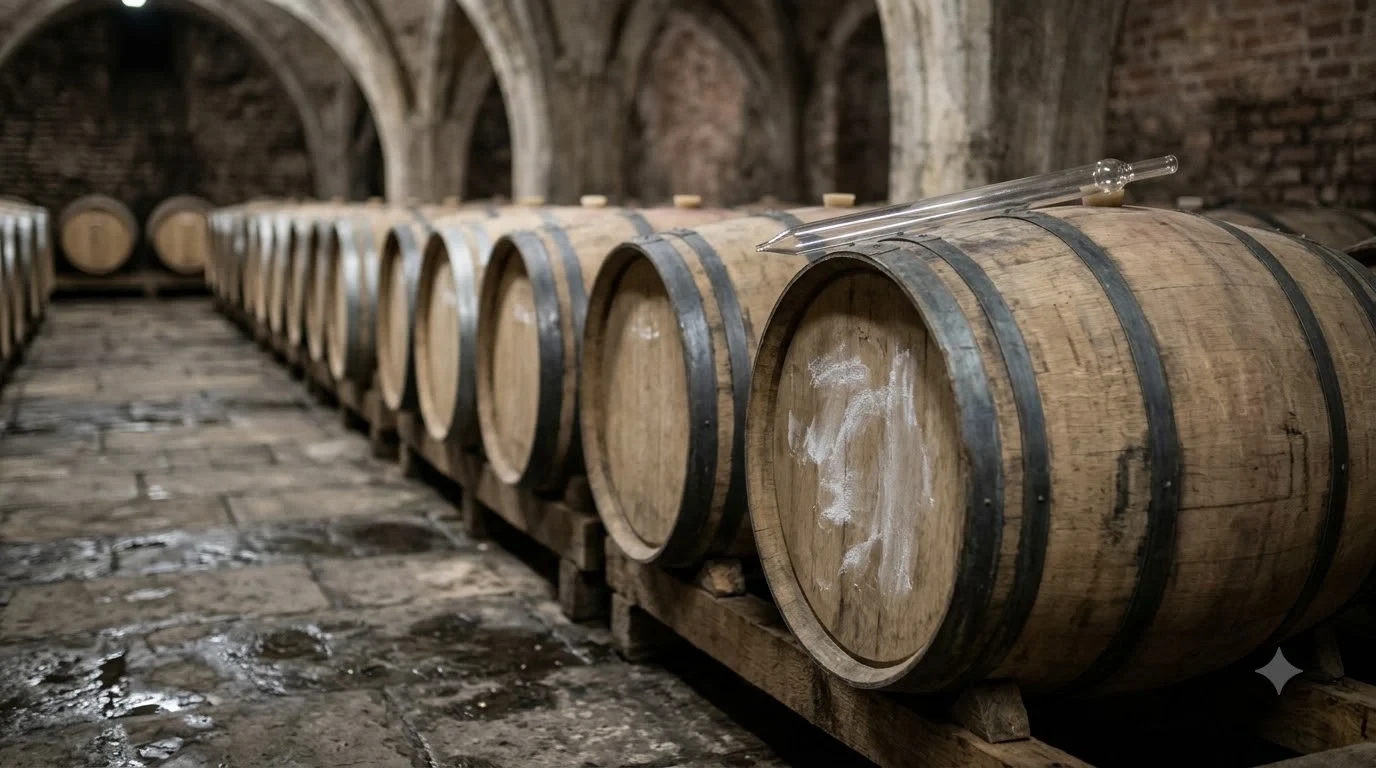
The container matters. Fermentation can happen in stainless steel, in wood, or in concrete, and each vessel holds heat differently. Stainless steel tanks allow tight temperature control, which is why they are common for fresh, fruit-forward whites. Wooden barrels and larger vats let the wine breathe a little more and can add texture. Concrete tanks sit between the two in how they hold temperature and interact with the wine.
The vessel can be open or closed. Open fermenters allow the cap of grape skins to rise and be pushed back down, which adds color and tannin in red wine. Closed tanks keep the process more contained. Neither approach is faster by default, but each produces a different style, and the style often determines how long the wine spends in the vessel.
Why some wines ferment faster than others
The sugar level in the juice is a major factor. More sugar gives the yeast more to work with, which means the fermentation runs longer and produces more alcohol. Less sugar means a shorter active stage and a drier, lighter-bodied wine. Winemakers can also add sugar where the law allows, a practice called chaptalization, which raises the final alcohol content. Adjusting the sugar and the yeast strain together is one of the main ways a producer sets the pace.
Red wines add another layer. Because the skins stay in contact with the juice during fermentation, red production often involves extra steps to extract color and tannin. That contact can lengthen the process compared with a white wine that is pressed off its skins early. Rosé sits in the middle, with a short skin contact that gives it its color before the juice is separated.
What happens after the yeast finishes
Once the yeast has consumed most of the sugar, the wine is not ready to drink. Some wines go through malolactic fermentation, a second process in which bacteria change the sharp malic acid into the softer lactic acid. This is common in many red wines and in richer whites, and it adds a rounder, creamier character. It can happen right after the main fermentation or overlap with it, which means the total timeline can shift.
After that comes the rest. Wine is often settled, racked off the sediment, and sometimes filtered before bottling. According to the Wikipedia overview of wine, the alcohol range of a finished table wine commonly sits between 12.5 and 14.5 percent by volume, and most everyday wine is meant to be drunk within a year of bottling. Better wines can keep improving for years in the bottle, because their flavors continue to develop slowly after the fermentation is long over.
How to read fermentation timing on a label
A bottle label rarely says how long the wine fermented. The clues are indirect. A wine labeled as fresh, bright, and fruit-forward often had a cooler and shorter ferment, while a wine described as structured, oaky, or built for aging probably spent more time in barrel and tank. Winery notes that mention malolactic fermentation or barrel aging point to a longer overall process.
If you are curious about a specific style, reading how it is made helps. A short guide to how long sangria lasts looks at a very different drink, but it shows how fermentation time and freshness are tied together. For sparkling wine, the story includes a second fermentation in the bottle, which is covered in where Champagne comes from.
Does fermentation time affect how you should drink the wine?
It does, though the effect is indirect. Wines that fermented in a cool, controlled way tend to be lighter and more aromatic, and they are usually best young. Wines that fermented warmer, spent longer in contact with their skins, or were aged in oak often need more time to settle before they show their best. Decanting can help a young, tannic red open up, and the question of how long to decant red wine depends on how firm the wine is.
The practical lesson is that fermentation sets the starting point, and the rest of the winemaking decides what the bottle is like when you open it. Reading the label for hints about style is a better guide than trying to count the days of the active stage.
Frequently Asked Questions
How long does wine fermentation take in total?
The active fermentation usually takes days to a few weeks, depending on temperature, yeast, and sugar level. The full process, including settling and aging, can run for months or years before the wine is bottled or finished.
Does warmer fermentation finish faster?
Generally, yes. Yeast works faster when it is warm, so the active stage tends to move more quickly. Winemakers often cool the tank on purpose to slow the process and keep fresher aromas in the wine.
Is fermentation the same as aging?
No. Fermentation is the conversion of sugar into alcohol by yeast. Aging is the slower period after that, when the wine settles, softens, and develops more complex flavors in tank, barrel, or bottle.
Can wine ferment on its own without yeast?
Wild yeast naturally lives on grape skins, so fermentation can start without added yeast. Most producers add a selected strain instead, because it makes the result more predictable and easier to control.
Fermentation is the first clock in winemaking, and it is only one part of the timeline. For a wider set of everyday wine questions, the wine basics Q&A section covers topics that come up at the table, from serving to storage.
More in Wine Basics
 Which Rose Is Best for Your Taste, Budget, and Food PairingsUpdated Nov 21, 2026
 Is Cheap Wine Bad? How to Find Bottles Worth DrinkingUpdated Nov 21, 2026
 What To Write On A Wine Gift Tag: Thoughtful Messages For Every OccasionUpdated Nov 21, 2026
 Which Wine Is Best For Weight Loss? Compare Lower-Calorie ChoicesUpdated Nov 21, 2026
 What Is The Best Wine For Mimosas? Choose Bubbly That Balances Orange JuiceUpdated Nov 20, 2026
 Which Prosecco Is Best for Your Taste and OccasionUpdated Nov 20, 2026