

We may earn a commission when you buy through links on this page, at no extra cost to you. Learn more.
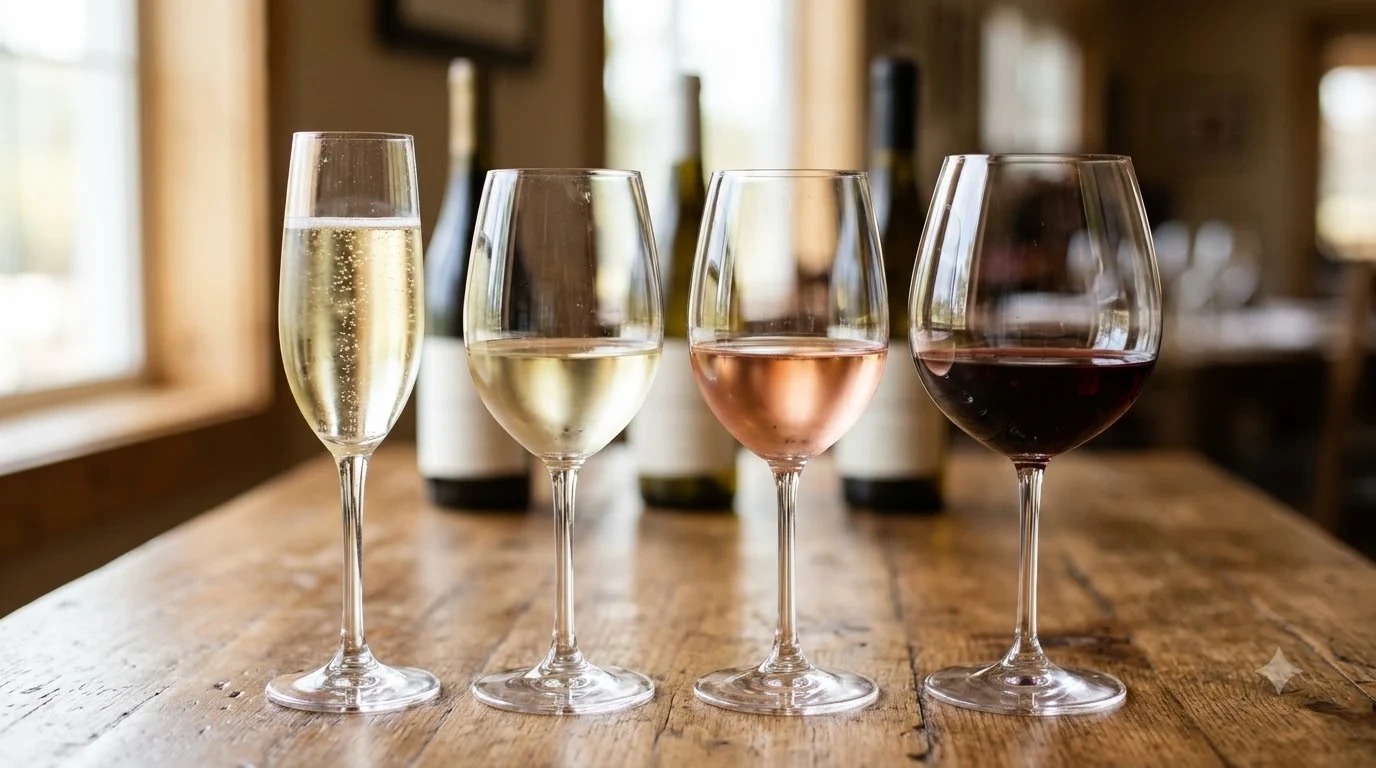
Lirac wine comes from the Lirac AOC, a small appellation on the right bank of the southern Rhône, directly across the river from Châteauneuf-du-Pape. Its reds are built mostly on Grenache noir, and the appellation also produces rosé and a smaller volume of white. Lirac red is often described as a step up from everyday Côtes du Rhône, though it rarely reaches the power of its famous neighbor.
This guide explains where Lirac sits on the map, which grapes the rules allow, how the red, rosé, and white styles differ, and how to serve and pair a bottle at the table. The facts come from the appellation rules and a reference overview of the region, so they describe what a Lirac wine is allowed to be rather than the house style of any single producer.
Where Lirac sits in the southern Rhône
Lirac is a compact wine area in the Gard department, and its vineyards cover low hills on the right bank of the Rhône. The appellation takes its name from the village of Lirac and also includes Saint-Laurent-des-Arbres, Saint-Geniès-de-Comolas, and Roquemaure. Châteauneuf-du-Pape lies across the river, a little more than 10 km east of Lirac, so the two appellations share a similar sun-drenched landscape and many of the same grape families.
Because the area is small and its neighbors are better known, many people only meet Lirac on a restaurant list or in a shop shelf next to Châteauneuf. Knowing the geography helps explain why the wines feel related to, but usually lighter than, their famous neighbors.
Grape varieties and blend rules
The appellation rules set minimum and maximum shares for each grape, which is why a Lirac red has a recognizable core even when producers differ. Grenache noir has to make up at least 40 percent of a red blend. Syrah and Mourvèdre together must reach at least 25 percent, and Cinsault and Carignan are capped at 10 percent between them. Rosé uses the same red varieties and may add up to 20 percent of the permitted white grapes.
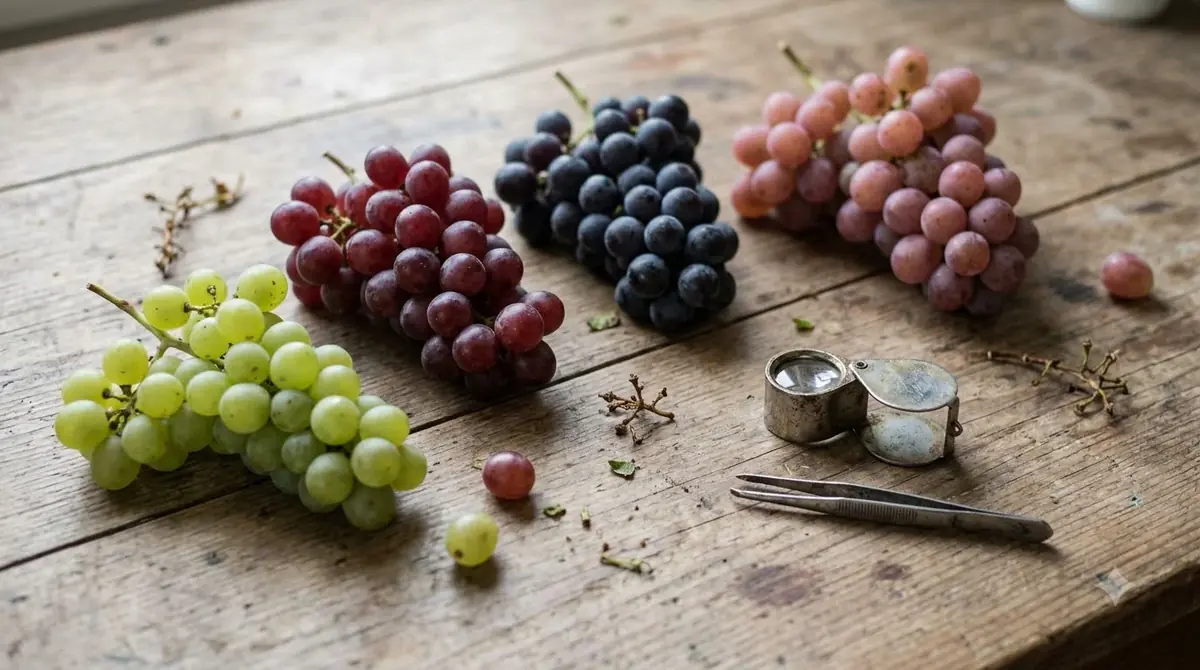
The white wines rely on Clairette, Grenache blanc, and Bourboulenc. No single white variety can exceed 60 percent of the blend, so the wine stays balanced rather than dominated by one grape. Each color must also reach a minimum alcohol level of 11.5 percent, which keeps even the lighter bottles from tasting thin.
| Style | Main grapes | Rule summary | Typical character |
|---|---|---|---|
| Red | Grenache noir, Syrah, Mourvèdre | Grenache at least 40%; Syrah and Mourvèdre at least 25%; Cinsault and Carignan at most 10% | Ripe fruit, herbs, and a warm, rounded finish |
| Rosé | Same red varieties plus permitted whites | Up to 20% of permitted white grapes | Dry, fuller-bodied pink with savory notes |
| White | Clairette, Grenache blanc, Bourboulenc | No single variety above 60% | Fresh, textured, and generally less common |
Red, rosé, and white styles
Each color has its own personality, and the reds cover the widest range. Lighter examples often resemble a soft Côtes du Rhône-Villages, with bright red fruit and easy tannins. The more ambitious bottles reach toward the weight of Châteauneuf-du-Pape, with darker fruit, spice, and firmer structure. Reading the producer’s notes or the vintage helps you tell the two ends apart before you open the bottle.
The rosé is usually compared with Tavel, the neighboring appellation famous for dry pink wine. Lirac rosé tends to be a little more textured, with enough body for a meal but still a clean finish. The white wines are the least common part of the appellation. Their Clairette and Grenache blanc base gives them a fresh, floral lift, and Bourboulenc adds a bit of structure.
Climate and vineyard conditions
The southern Rhône is hot and dry, and Lirac shares that Mediterranean setting. A reference overview of the appellation notes about 2,700 hours of sunshine, a figure it sets alongside the Châteauneuf-du-Pape terroir. Sun helps Grenache and Syrah ripen fully, which is why the reds usually show generous fruit and a warm, round character.
Wind also matters in the Rhône Valley. The Mistral, a cold, dry wind from the north, helps keep vines healthy by drying the leaves and grapes after rain. Combined with the sun, that dry air reduces disease pressure and lets growers farm with fewer chemical treatments in many years.
The soils of the appellation are another reason the wines taste the way they do. Vineyards sit on low, stony hills where the ground heats quickly in spring and drains well after storms. Vines that struggle a little for water tend to produce smaller berries with more concentrated flavor, and that is one reason growers in the region often talk about the balance between ripeness and freshness in their wines. Vintage weather still matters: a cool, wet summer can give lighter reds with brighter acidity, while a hot, dry year produces riper, richer bottles. Checking the vintage year on the label is one of the simplest ways to predict what you will find in the glass.
Harvest timing also shapes the final style. Growers pick Grenache, Syrah, and Mourvèdre when each variety reaches the flavor and sugar balance they want, and the blend rules leave room for that choice. A producer who picks earlier may make a fresher, more aromatic red, while a later harvest tends to give a deeper and more structured wine.
How to serve Lirac at the table
Serve red Lirac cool rather than warm. A short time in the fridge before pouring brings out fresh fruit and keeps the alcohol from feeling heavy. Young, bold reds can benefit from a brief decant, which softens the tannins and opens the aromas. A medium-sized glass with room to swirl is enough for most bottles.
Rosé and white should be served well chilled, but not ice cold, so the aromas can show. Pour them in a standard white wine glass. Keep the bottle in an ice bucket if the room is warm, and recork any leftovers so the fresh character lasts a day or two.
Food pairing ideas
Lirac red fits naturally with the cooking of the Rhône and Provence. Roast lamb with garlic and herbs, grilled sausages, and tomato-based stews all suit its ripe fruit and savory edge. Roasted chicken with thyme or rosemary is another reliable match for a medium-bodied red, and a bowl of grilled vegetables with olive oil works well too.
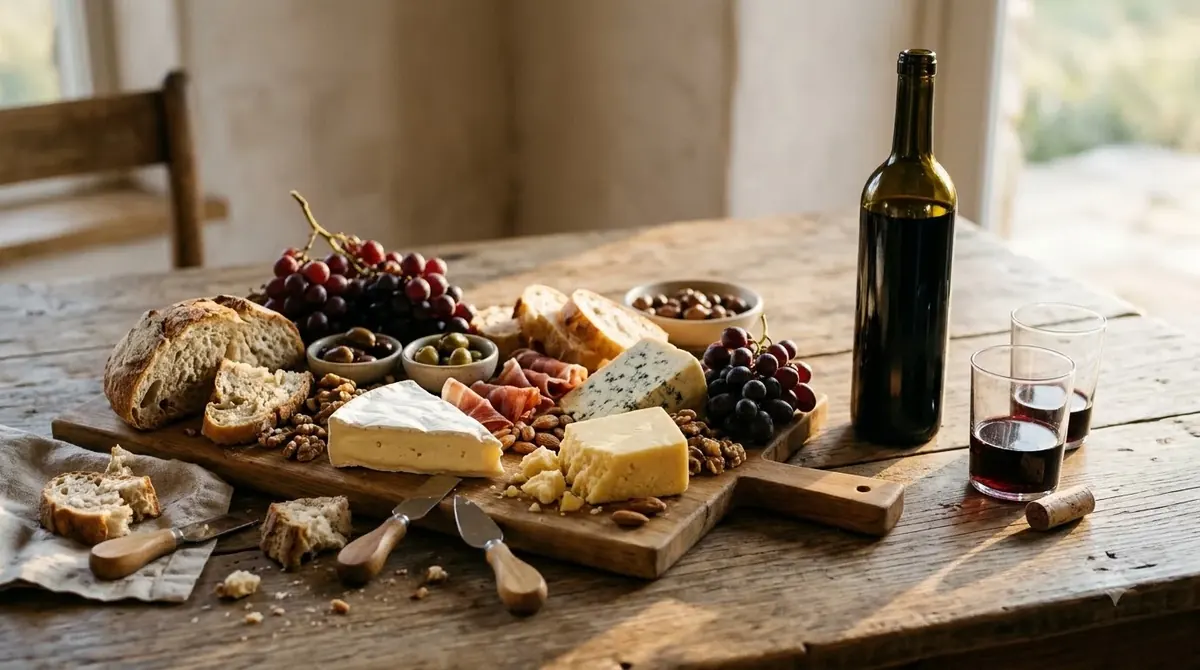
Rosé is an easy choice for lighter meals: salads with goat cheese, charcuterie boards, and seafood with herbs. The white wines pair with grilled fish, soft cheeses, and dishes that use fresh herbs such as basil, tarragon, or parsley.
Tip: If you want a Lirac that tastes like a bigger Rhône red, look for wines from producers who describe longer ageing or old vines, and read the producer’s own notes about the blend.
Frequently Asked Questions
What does Lirac wine taste like?
Lirac red usually shows ripe red and dark fruit, with herbs, spice, and a warm finish. Simpler bottles are soft and easy, while more serious ones have more depth and firmer tannins, depending on the blend and the producer.
Is Lirac the same as Châteauneuf-du-Pape?
No. The two appellations are neighbors across the Rhône and share similar grape families and climate, but Lirac is a separate appellation with its own rules. Lirac reds are generally lighter than the best Châteauneuf-du-Pape.
How is Lirac rosé different from Tavel?
Both are dry rosés from the southern Rhône, and Lirac is usually compared with Tavel in style. Lirac rosé is often described as having a bit more texture, while Tavel is the better-known name for dry pink wine in the region.
Should Lirac red be served chilled?
Serve it cool rather than warm, not ice cold. A short rest in the fridge before pouring keeps the fruit fresh and the alcohol from tasting heavy. Rosé and white are best more chilled.
Lirac is a good next step for anyone who already enjoys southern Rhône reds and wants to explore the region beyond the best-known names. Start with the broader wine regions guide to compare Lirac with other appellations, and pick a rosé or a red to see how the blend rules show up in the glass.
For a sense of how the Lirac AOC is defined, the reference overview on Lirac AOC on Wikipedia lists the villages, varieties, and minimum shares used in this article. If you want a warm-climate red from another part of the world to compare, the guide to alentejo wine covers a similarly sunny, dry growing area in Portugal.
More in Wine Regions
 Willcox Wine Trail: Discover Arizona’s High-Elevation Wine CountryUpdated Nov 20, 2026
 Yakima Valley Wine Region: Find the Best Styles to TryUpdated Nov 20, 2026
 Vosne Romanee Wine Tasting: Identify Aromas and Choose Better PairingsUpdated Nov 20, 2026
 Yakima Valley Wine Festival: Find the Best Seasonal Wine EventsUpdated Nov 20, 2026
 Wales Vineyards: Discover Cool-Climate Wines and Where to VisitUpdated Nov 20, 2026
 Yountville Wine Festival: Discover Napa Wines and Local FoodUpdated Nov 20, 2026