

We may earn a commission when you buy through links on this page, at no extra cost to you. Learn more.
Valle de Guadalupe wine tasting centers on the Ruta del Vino, a wine route in Baja California, Mexico, about 20 km north of Ensenada. The valley produces an estimated 70 percent of Mexico’s wine, and tastings run year-round at wineries of different sizes. Plan a route, book ahead when you can, and pair your visit with the local food scene for the best experience.
This guide explains where the valley is, how the wine route works, which grapes you will taste, and how to plan a day of tastings. It is written for American visitors and buyers who want a clear picture before they cross the border.
Where the valley is and how it is set up
Valle de Guadalupe is an agricultural region in Ensenada Municipality, Baja California. According to the Wikipedia entry on the valley, it lies about 20 km north of the city of Ensenada, and its wine route is the main way visitors move between wineries. The valley is often described as Mexico’s wine heartland, and its production is a large part of the national output.
The area is spread out, so a day of tastings usually means choosing a small number of wineries rather than trying to visit everything. Distances between stops can be longer than they look on a map, and the roads are better suited to a planned route than to spontaneous stops.
The growth of the wine route
The valley’s wine scene has expanded quickly in recent decades. The reference data cites 6 wineries in 1999, 25 in 2005, and around 150 by 2023 along the Ruta del Vino. Other figures in the same source give a slightly different count, so treat the exact number as approximate and check current listings before you plan.
Modern winemaking in the valley is often traced to 1972, when Casa Pedro Domecq began producing wine there. Before that, Tecate was the main grape-growing area in northern Baja in the 1940s and 1950s. As border cities grew, production moved south into the Valle, which is why the region now holds much of the state’s vineyard land.
Grapes and styles to taste
The grapes most often named for the valley are Malbec, Sauvignon Blanc and Tempranillo. Red Bordeaux varieties are also among the most typical plantings, which gives many local reds a structured, food-friendly character.
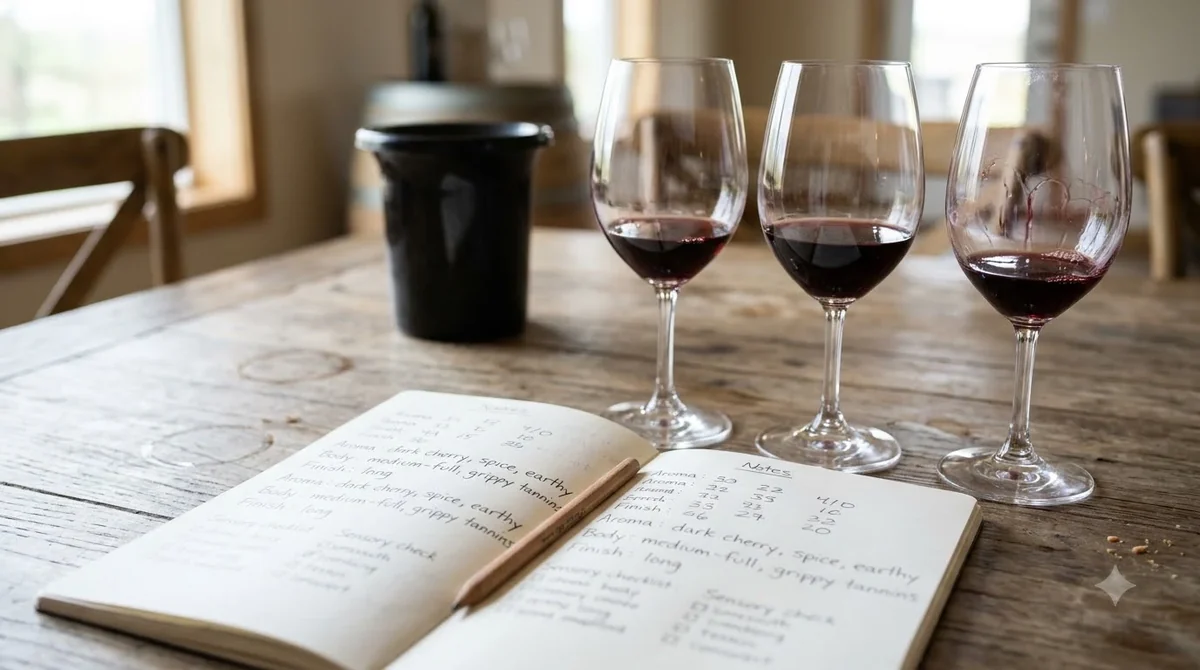
Malbec is a useful grape to know because it is widely planted in the valley and also shows up in Argentina’s best-known wines. Wine Folly’s Malbec guide describes the grape as dry and full-bodied, with medium tannins, and lists red plum, blackberry, vanilla, sweet tobacco and cocoa as its main flavors. It recommends serving Malbec at 60–68°F (15–20°C), which is a good target when you are tasting several reds in a row.
| Grape | Color | What to taste for |
|---|---|---|
| Malbec | Red | Plum, blackberry, dark spice, medium tannins |
| Tempranillo | Red | Red fruit, savory notes, food-friendly structure |
| Red Bordeaux varieties | Red | Structured, age-worthy blends |
| Sauvignon Blanc | White | Crisp, citrus and herbal notes |
Planning a day on the Ruta del Vino
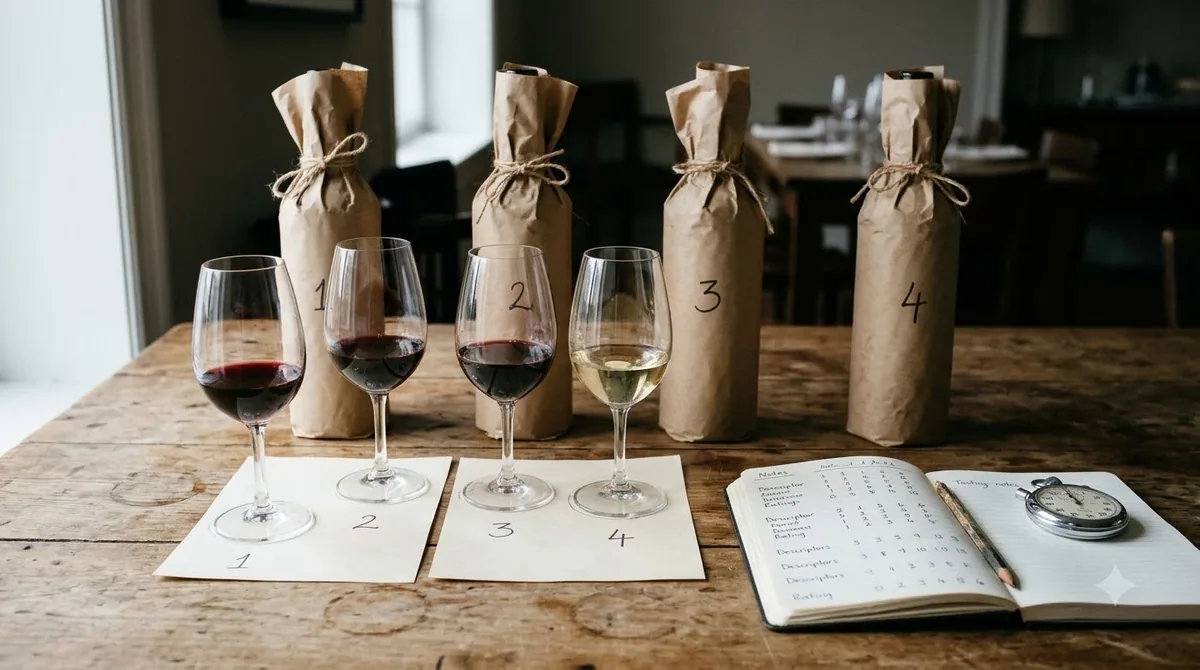
A good tasting day starts with a short list of wineries. Choose two or three that match your interests, whether that is a classic Bordeaux-style red, a crisp white or a lively festival atmosphere. Ask each tasting room which wines are on the flight and whether a reservation is needed, since popular producers fill up quickly on weekends.
Tastings are available year-round, which makes the valley a practical choice outside the peak summer months. Many visitors also come on cruise day trips from Ensenada, where a winery tour is often included, so weekday visits may be quieter. Arrange a driver or a guided tour if you plan to taste more than one glass at each stop.
Tip: Use the spittoon at each tasting room, especially when you are driving between stops. Pacing yourself keeps the afternoon enjoyable and makes the last winery as interesting as the first.
Festivals and the best time to visit
The valley’s Fiestas de la Vendimia, or Wine Harvest Festival, has been held since the 1990s and usually takes place in August. Since 2017, an annual October festival has also been held. If you want a lively weekend with events and food, check the festival calendar before you book.
For a quieter visit, plan outside festival weekends. Tastings and tours run year-round, so the off-season can give you more time with winemakers and a more relaxed pace. Either way, confirm opening hours before you travel, because smaller wineries may close on certain days.
Producers to know
The reference names several well-known producers in the valley, including L.A. Cetto, Santo Tomás, Domecq and Monte Xanic. These names are a good starting point for a first tasting because they represent different sizes and approaches in the region.
Visiting a mix of large and small producers gives you a clearer sense of the valley’s range. Larger wineries often show consistent, widely available styles, while smaller estates may offer limited bottlings that you cannot find outside the area.
Getting there and what to bring
Most visitors reach the valley by car from Ensenada, which is about 20 km to the south. The route is well signed for wine travel, but the roads between wineries can be long and winding, so plan your driving time before setting out. If you are not comfortable driving on unfamiliar roads, a tour operator or a hired driver is a practical alternative.
Check entry requirements, including identification and any border paperwork, well before the trip, since rules can change. Bring water, a hat and sun protection, and pack layers for the evening, because temperatures can drop after sunset even on warm days. Carry a small bag for purchases, as many tasting rooms sell bottles to take home.
Tasting etiquette and what to expect
Tasting rooms in the valley are usually relaxed, but a few habits make the visit smoother. Arrive on time for a booked tasting, ask questions about each wine, and pace your glasses so you can enjoy the last stop as much as the first. Many producers are happy to explain how the wine is made, which can make the tasting more rewarding.
If you are buying, ask whether the winery ships to your home state, since rules on wine shipping vary. Many visitors also keep a short list of favorites so they can find the same bottles later at a shop.
Frequently Asked Questions
Where is Valle de Guadalupe?
Valle de Guadalupe is in Ensenada Municipality, Baja California, Mexico, about 20 km north of the city of Ensenada. It is the center of Mexico’s wine production.
Do I need a reservation for wine tasting?
Reservations are recommended, especially on weekends and during festival periods. Some wineries accept walk-ins, but popular producers can fill up, so check each winery’s policy before you travel.
What grapes should I try in the valley?
Malbec, Tempranillo and red Bordeaux varieties are among the most typical plantings. Sauvignon Blanc is the main white to try if you prefer a crisper style.
When is the best time to visit?
Tastings run year-round. The Fiestas de la Vendimia is usually held in August, and an October festival has been held since 2017. A quieter visit outside festival weekends gives more time with each winery.
A day on the Ruta del Vino is a good way to see how Baja California wine has changed. Plan a short route, taste a few reds and whites, and pick one producer to revisit. For a broader look at wine travel, see our wine regions guide. If you are comparing tasting routes in other places, our pages on Mendoza wine tasting, Columbia Gorge wine tasting and Cape May wine tasting offer useful comparisons.
More in Wine Regions
 Willcox Wine Trail: Discover Arizona’s High-Elevation Wine CountryUpdated Nov 20, 2026
 Yakima Valley Wine Region: Find the Best Styles to TryUpdated Nov 20, 2026
 Vosne Romanee Wine Tasting: Identify Aromas and Choose Better PairingsUpdated Nov 20, 2026
 Yakima Valley Wine Festival: Find the Best Seasonal Wine EventsUpdated Nov 20, 2026
 Wales Vineyards: Discover Cool-Climate Wines and Where to VisitUpdated Nov 20, 2026
 Yountville Wine Festival: Discover Napa Wines and Local FoodUpdated Nov 20, 2026