

We may earn a commission when you buy through links on this page, at no extra cost to you. Learn more.
Auslese wine is a German or Austrian late-harvest wine made from hand-selected, very ripe bunches. The name roughly means “selected harvest.” Auslese ranks above Spatlese in the German and Austrian Pradikat quality system, and it is usually sweet, though dry versions exist. Riesling is the grape most associated with long-aging Auslese, and red versions often come from Spatburgunder (Pinot Noir).
Auslese is one of the wine words that can confuse shoppers, because it appears on labels next to terms like Spatlese, Beerenauslese, and Eiswein. Each one describes how ripe the grapes were when picked. This guide explains what Auslese means, how it is made, how sweet it tends to be, which grapes are used, and how to enjoy it at the table.
What Auslese Means on a German Label
Auslese is a term from the Pradikat system, the classification that German and Austrian wines use to describe must ripeness at harvest. Auslese sits above Spatlese in that system. The word itself means “selected harvest,” which points to the way these wines are made: the grower picks only the best bunches, not the whole vineyard row.
Because the system is based on ripeness, the term is a clue to the wine’s style. A label that says Auslese tells you the grapes were riper than those used for basic or Spatlese wines. It does not tell you the wine is sweet on its own, since the sugar left in the finished wine depends on fermentation and the winemaker’s choices.
For shoppers, the easiest way to read a German label is to notice the Pradikat term alongside the region and producer. The term gives you a rough idea of richness, while the producer and vintage tell you more about the wine in the glass.
How Auslese Is Made
Auslese is made from grapes that reach a higher level of ripeness than the minimum required for ordinary wine. Under German rules, the minimum must weight for Auslese is between 83 and 100 degrees Oechsle, depending on the growing region and grape variety. Austrian rules set a minimum of 21 degrees KMW, which corresponds to about 105 degrees Oechsle. Chaptalization, the addition of sugar before fermentation, is not permitted for these categories.
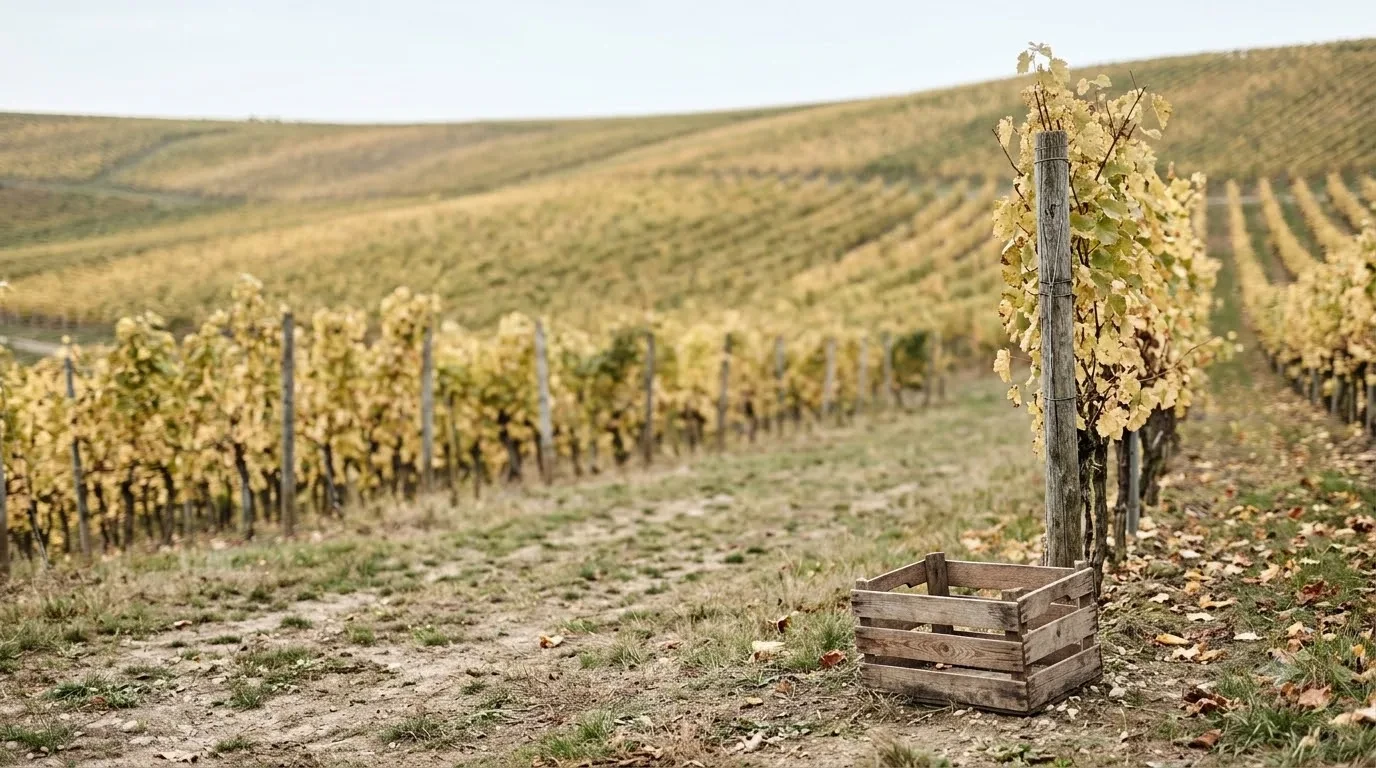
Growers pick only selected, very ripe bunches, and they do it by hand. Harvest usually takes place in autumn, often from late November into early December. Auslese is generally made only in the best, sufficiently warm vintages, because cool years rarely give grapes ripe enough to meet the standard.
Some Auslese wines contain grapes affected by noble rot, a mold that concentrates sugar as it dries the berry. Botrytis does not dominate most examples, but a small share of affected fruit can add honeyed and dried-fruit notes. Many producers exceed the minimum ripeness by a wide margin.
How Sweet Is Auslese?
Auslese is often considered a dessert wine, especially when made from botrytis-affected bunches. It is still less sweet than the richest German categories, such as Eiswein, Beerenauslese, and Trockenbeerenauslese. That middle position is one reason it suits both dessert courses and quieter moments with a cheese plate.
Sugar level is only part of the picture. Acidity decides whether a sweet wine tastes fresh or heavy. A well-balanced Auslese keeps its acidity high enough to finish clean, so the sweetness feels lifted rather than sticky. When you taste one, notice whether the finish stays bright after the sweetness fades.
Dry Auslese exists too, mainly in the Palatinate, but it is less common. Dry versions can reach alcohol levels around 13 to 14 percent. Without some residual sugar, that weight can feel unbalanced, especially in a young wine. Producers who make dry Auslese usually lean on acidity and structure to keep the wine in line.
| Auslese style | What to expect | Common grapes |
|---|---|---|
| Off-dry or sweet white | Honey, apricot, citrus, bright acidity | Riesling and other German whites |
| Botrytis-influenced | Richer texture, dried fruit, honeyed notes | Riesling |
| Dry Auslese | Fuller body, higher alcohol, firm structure | Riesling, mainly from the Palatinate |
| Red Auslese | Red fruit, savory notes, structure | Spatburgunder (Pinot Noir) |
Tip: Check whether the label says “trocken” (dry) or “halbtrocken” (off-dry) before you buy. The Pradikat term alone does not tell you the sweetness level.
Which Grapes Are Used for Auslese
Riesling is the grape most closely linked to Auslese. Riesling has the acidity to balance sugar, and it can age for many years, which lets a well-made Auslese develop complex flavors over time. Young examples show citrus and stone fruit, while older bottles can take on honey, toast, and petrol-like notes.
Red Auslese is less common, but it exists. Spatburgunder, the German name for Pinot Noir, is used in several regions, including the Rheingau, the Palatinate, and Baden. Red versions tend to show red fruit, earth, and a savory edge, which suits food more than a sweet dessert would.
Riesling’s own character also changes with the site. Slate and other mineral soils can give a more taut, precise wine, while warmer sites may produce softer, rounder Auslese. Those differences are why two bottles with the same label can taste quite different, and why the producer’s name matters.
Other white grapes can be made into Auslese, but Riesling remains the reference point for most drinkers. If you are new to the style, a Riesling Auslese is the most direct way to taste what the category is about.
How to Serve and Pair Auslese
Serve Auslese chilled but not ice cold, so the aromas stay open and the sweetness does not feel heavy. Pour a small glass to start, since sweet wines are rich and a little goes a long way. A slim white wine glass lets the aromas gather while keeping the pour easy to manage.
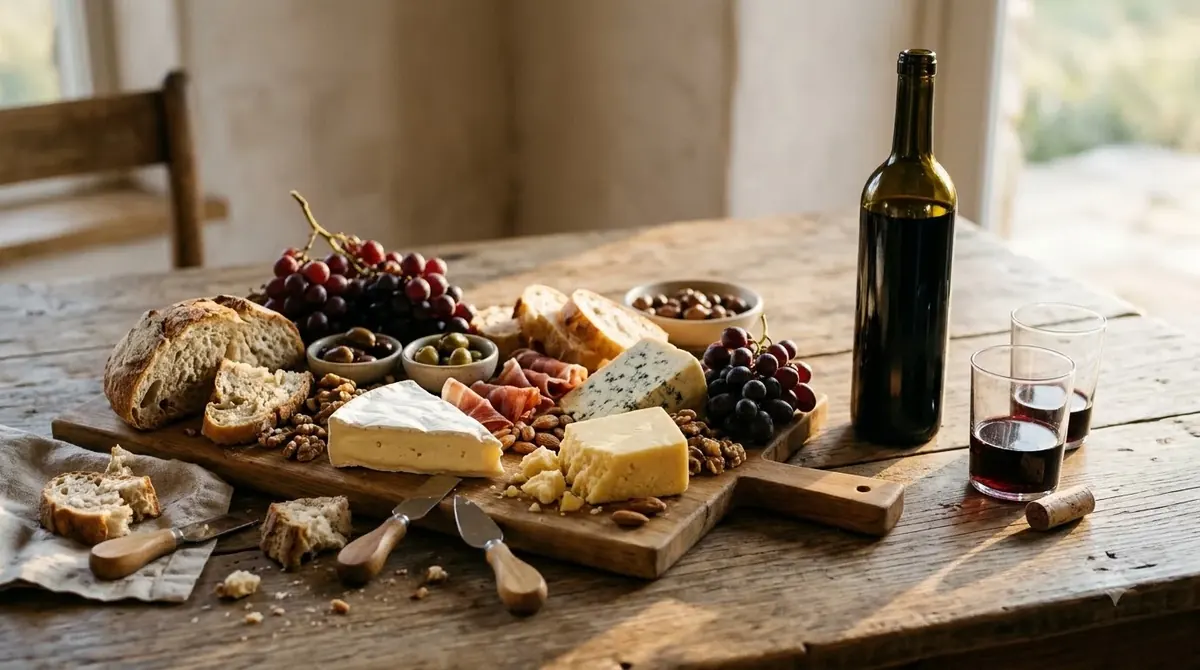
For sweeter Auslese, pair the wine with fruit desserts such as apple tart, peach cobbler, or pear poached in spices. Blue cheese and aged hard cheeses are classic partners, since the salt in the cheese balances the sugar in the wine. Foie gras, Asian-spiced dishes, and roast pork with apples also show well.
Dry Auslese works better with food than with dessert. Try it with roast chicken, pork, or fish with a light sauce. The wine’s structure and acidity handle savory dishes without the sweetness getting in the way.
Frequently Asked Questions
Is Auslese sweet?
Usually, yes, but not always. Auslese is often sweet, especially when botrytis is present, and dry versions also exist. Check the label or ask a shop for the sweetness level.
How is Auslese different from Spatlese?
Auslese is a higher ripeness category than Spatlese in the Pradikat system. The grapes are picked later and more selectively, so Auslese generally reflects riper fruit.
Can Auslese age?
Yes. Well-made Riesling Auslese can age for many years because its acidity and sugar work together to keep the wine fresh. Younger bottles show fruit, while older ones gain honey and complex notes.
What is the difference between Auslese and Beerenauslese?
Beerenauslese is a richer category than Auslese, made from individually selected berries, often with noble rot. Auslese is less concentrated, although some Auslese wines also contain botrytis-affected grapes.
Auslese rewards a curious taster. Learn the Pradikat term, check the sweetness on the label, and start with a Riesling Auslese if you want the classic style. For more on how wine categories work, the Wine by Type hub is a useful next step, and the Bobal wine guide shows how another grape can express a regional identity. The full Auslese entry on Wikipedia is a good reference for the classification details.
More in Wine Types & Grapes
 Zinfandel Sugar Content: Dry Red vs. White Zinfandel GramsUpdated Nov 21, 2026
 Best Zinfandel Substitute Options for Sipping and CookingUpdated Nov 21, 2026
 Zweigelt Food Pairing: Best Dishes, Cheeses, and Serving TipsUpdated Nov 21, 2026
 Zinfandel Tannins Explained: How Structure Shapes Every BottleUpdated Nov 21, 2026
 Zinfandel Sweetness Level: Dry Red vs. Sweet White Zin ExplainedUpdated Nov 21, 2026
 Xinomavro Food Pairing: Best Dishes, Styles, and Serving TipsUpdated Nov 21, 2026