

We may earn a commission when you buy through links on this page, at no extra cost to you. Learn more.
The cortese grape is a white variety planted mainly in Italy, where it is the grape behind Gavi wine. It makes bone-dry, light-bodied whites with medium-high acidity and flavors of Meyer lemon, Gala apple, and almond. Because it is rarely seen outside Italy, many drinkers meet it for the first time on a wine list in a Ligurian or Piedmontese restaurant.
If you have spotted cortese on a label and wondered what it tastes like, this guide covers the essentials. It explains where the grape is grown, what the wine is like in the glass, how to serve it, and which dishes make the best partners. The aim is to help you choose a bottle with confidence.
What the cortese grape is
Cortese is a white grape that is planted in Italy and is best known for producing Gavi, a dry white wine that has built a strong reputation among Italian whites. The grape is not widely planted elsewhere, so most bottles you will see come from Italy. That limited reach is part of its appeal for people who enjoy discovering less familiar varieties.
The grape works well in its homeland because it balances fresh fruit with clean, sharp acidity. Winemakers typically make it in a crisp, unoaked style that keeps the fruit and the minerality in focus. The result is a wine that feels bright and lively rather than rich or buttery, which suits the warm, coastal foods often served with it.
What cortese wine tastes like
A typical cortese shows Meyer lemon, Gala apple, and honeydew melon on the nose and palate. Many bottles also carry a light almond note and a seashell-like freshness that adds a subtle mineral impression. The wine is bone-dry, which means no residual sugar comes through, and it has a light body that feels clean on the tongue.
The acidity is medium to high, so the finish is tart and refreshing. There are no tannins, which keeps the wine smooth and easy to drink. That combination makes cortese a versatile white for warm weather, and it is a useful alternative to more common crisp whites when you want something with a little more character.
Alcohol and aging
Most cortese wines fall between about 11.5 and 13.5 percent alcohol by volume, which keeps them light and approachable. That range is similar to many other crisp whites, so the wine is easy to enjoy across a long meal without feeling heavy. The style is meant to be enjoyed young, although a bottle can be cellared for a few years if the producer’s notes suggest it. After that, the fresh fruit can begin to fade.
Where cortese is grown
Cortese is grown in Italy, with the best-known wines coming from the Gavi area in Piedmont. The grape keeps its acidity well in the wines made from it, and growers in the area have built a strong identity around the variety.
Because the grape has such a focused home, reading the label is the best way to check where a bottle comes from. A wine labeled Gavi comes from the cortese grape in its designated zone, and that name tells you a great deal about the style you are buying.
| Feature | What to expect in cortese wine |
|---|---|
| Color | Pale straw, light gold |
| Sweetness | Bone-dry |
| Acidity | Medium to high |
| Tannin | None |
| Body | Light |
| Main flavors | Meyer lemon, Gala apple, honeydew, almond |
How to serve cortese
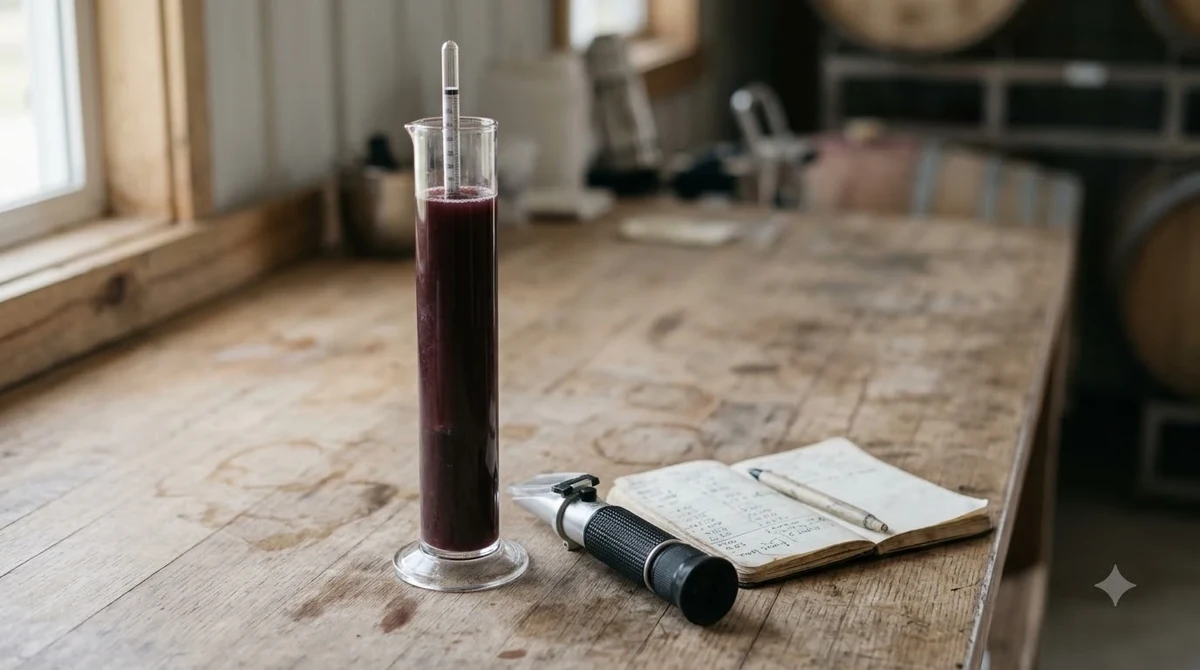
Serve cortese cold, at about 45 to 55 degrees Fahrenheit. A standard white wine glass is a good choice, and the wine does not need to be decanted. Let the bottle sit in the refrigerator for an hour before serving if it has been at room temperature, since the fresh fruit and acidity show best when the wine is properly chilled.
Once opened, keep the bottle sealed in the refrigerator and drink it within a few days, since the bright fruit and lively acidity fade over time. Cortese is at its best as a young wine, so there is no need to hold on to a bottle for years.
Tip: If you are opening a bottle for a warm afternoon, chill it for at least an hour and pour into a wide glass so the citrus aroma reaches you.
Food pairings for cortese
Cortese pairs naturally with the foods of its home region. Fragrant pesto pastas, lemony seafood, and dishes that use fresh basil and herbs are classic matches, because the wine’s citrus and mineral notes mirror the bright flavors on the plate. Simple grilled fish with olive oil and lemon is another easy choice.
The wine also suits lighter appetizers, such as fresh salads, goat cheese, and vegetable antipasti. Avoid heavy, cream-based sauces or rich, smoky meats, which will overpower its delicate fruit. If you are unsure, pick a dish with acidity and herbs, since those flavors give the wine something to work with.
Food pairing ideas to try at home
If you want to build a simple meal around cortese, start with a light pasta. Toss fresh linguine with basil, a little olive oil, lemon zest, and a spoon of the pasta water, then serve it with a glass of chilled wine. The herbs and citrus echo the wine, and the acidity keeps the dish fresh rather than heavy.
For a seafood dinner, grilled white fish or shrimp with lemon and parsley is another reliable choice. Keep the cooking simple and avoid heavy butter sauces, since the cortese style is most rewarding with clean flavors. A tomato salad with fresh mozzarella and basil also works well, especially in the warmer months when the wine is at its most refreshing.
Cortese is also a sensible choice for a relaxed aperitif. Serve it with olives, marinated vegetables, and thin crackers, and let the wine set the tone for the meal ahead. Its moderate alcohol level means a glass or two will not weigh down the evening, which is a practical advantage for longer dinners.
How to choose a good cortese
Look for a bottle that clearly names the cortese grape and the Gavi designation on the label. Those words tell you the wine comes from the correct zone and follows the expected style. Then check the vintage, since younger wines usually show the freshest fruit and the most lift.
For a first bottle, choose a classic, unoaked style. It will show the grape’s bright citrus and apple notes most clearly. If you want a little more depth, look for a producer’s notes that mention extra time on the lees, since that can add texture without making the wine heavy. The Wine Folly profile for cortese gives a concise overview of the grape’s flavors and serving style before you shop.
Frequently Asked Questions
What is cortese used for?
Cortese is mainly used to make Gavi, a dry white wine from Piedmont in Italy. It is one of the few white grapes that defines a well-known Italian wine style on its own.
Is cortese wine sweet?
No. Cortese is usually bone-dry, with fresh citrus and apple flavors and no residual sugar. The acidity is medium to high, which keeps the wine crisp.
What food goes well with cortese?
Pesto pasta, lemony seafood, grilled fish, and fresh salads are good choices. The wine’s citrus and herb-friendly profile suits dishes that use basil, lemon, and olive oil.
Should I drink cortese young or age it?
Drink it young for the freshest fruit. Most cortese is made to be enjoyed within a few years, and some bottles can be cellared briefly, but the bright character fades with time.
Cortese is a rewarding white for anyone who enjoys crisp, dry wines with a sense of place. If you want to compare it with other fresh whites, the chablis grape guide offers a useful contrast, and the wine by type page shows where cortese fits among other varieties.
More in Wine Types & Grapes
 Zinfandel Sugar Content: Dry Red vs. White Zinfandel GramsUpdated Nov 21, 2026
 Best Zinfandel Substitute Options for Sipping and CookingUpdated Nov 21, 2026
 Zweigelt Food Pairing: Best Dishes, Cheeses, and Serving TipsUpdated Nov 21, 2026
 Zinfandel Tannins Explained: How Structure Shapes Every BottleUpdated Nov 21, 2026
 Zinfandel Sweetness Level: Dry Red vs. Sweet White Zin ExplainedUpdated Nov 21, 2026
 Xinomavro Food Pairing: Best Dishes, Styles, and Serving TipsUpdated Nov 21, 2026