

We may earn a commission when you buy through links on this page, at no extra cost to you. Learn more.
Grechetto wine is a bone-dry white from central Italy, mainly Umbria, with crisp acidity and flavors of white peach, honeydew and wild flowers. The grape is a key part of many Orvieto wines, and it is also planted in nearby appellations. Most bottles are meant to be served cool and drunk fairly young, although some examples can keep for a few years.
This guide explains what grechetto wine tastes like, where the grape comes from, how to serve it, and which foods suit it. It is written for shoppers who see the name on a wine list or a shop shelf and want to know whether it fits their table.
What grechetto wine is
Grechetto is a white grape with deep roots in central Italy. It is grown most heavily in Umbria, the land-locked province in central Italy, and it also appears in parts of Lazio and Tuscany. On labels you may see the name shortened, or you may see Grechetto di Todi, a sub-variety that is planted more widely than the others.
The grape is best known as a component of Orvieto, a traditional white from Umbria. Most bottles come from a blend, although some producers make a single-variety wine that lets the grape speak for itself. The Wikipedia entry on Grechetto traces its origin to Greece, but the many local names for the grape make its history hard to follow in detail.
Flavor and style
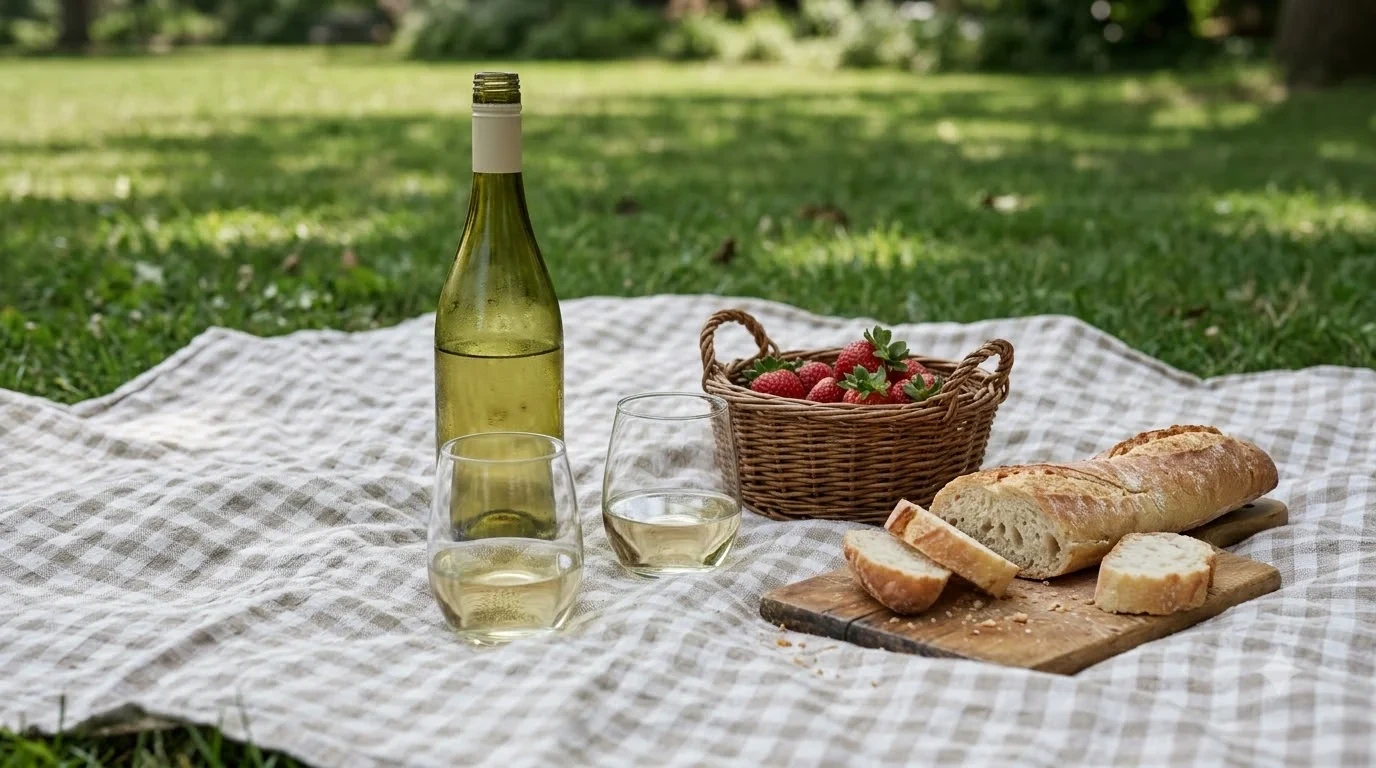
Expect a dry white with medium-high acidity and a light to medium body. The Wine Folly grape profile describes aromas and flavors of white peach, honeydew melon, strawberry, wild flowers and a faint seashell character. The wine contains no tannin, so it feels smooth and clean on the palate rather than drying. Its alcohol usually falls between 11.5% and 13.5% ABV.
Because the grape can show herbal and nutty notes in Umbria, a glass can taste a little richer than its lightness suggests. The best examples balance that fruit with the bright acid that makes the wine feel fresh. Sweetness is not the goal in the usual style, so a grechetto that tastes sugary is probably not typical of the grape.
When you smell the wine, start with the fruit and then look for the floral and mineral notes behind it. White peach and honeydew usually come first, followed by a lighter perfume of flowers. On the palate, the acidity should feel lively and clean rather than sharp. If the wine tastes flat or heavy, it may have been stored too warm, and a fresh bottle from the same producer is a fair test.
Where it grows
Umbria is the heart of grechetto production. Reference sources list the Torgiano and Colli Martani appellations in Umbria as places where the grape appears, along with the Valdichiana Toscana area in Tuscany. Within the region, Orvieto remains the name most people connect with the grape.
Outside the top sites, grechetto is often a supporting player. Winemakers blend it with Chardonnay, Trebbiano and Malvasia to add structure and body. The vine yields only a modest crop, and its thick skins help resist downy mildew. Those skins also allow the fruit to be picked late with high sugar levels, which is why some growers use it for richer styles such as dessert wines.
When grechetto shows up in a blend, its job is usually to add weight and a little savory character to a lighter partner. Chardonnay can add roundness, while Trebbiano keeps the blend fresh. Reading the back label or the producer’s website will tell you which grapes are present and in what share, which is useful if you want to know how much of the wine’s character comes from grechetto itself.
How to serve grechetto wine
Serve grechetto cool rather than cold. Wine Folly suggests a range of 45 to 55 degrees Fahrenheit, or about 7 to 12 degrees Celsius. At that temperature the acidity stays lively and the aromas remain easy to pick out. A bottle chilled straight from a very cold fridge can taste closed, so give it a few minutes on the counter before pouring.
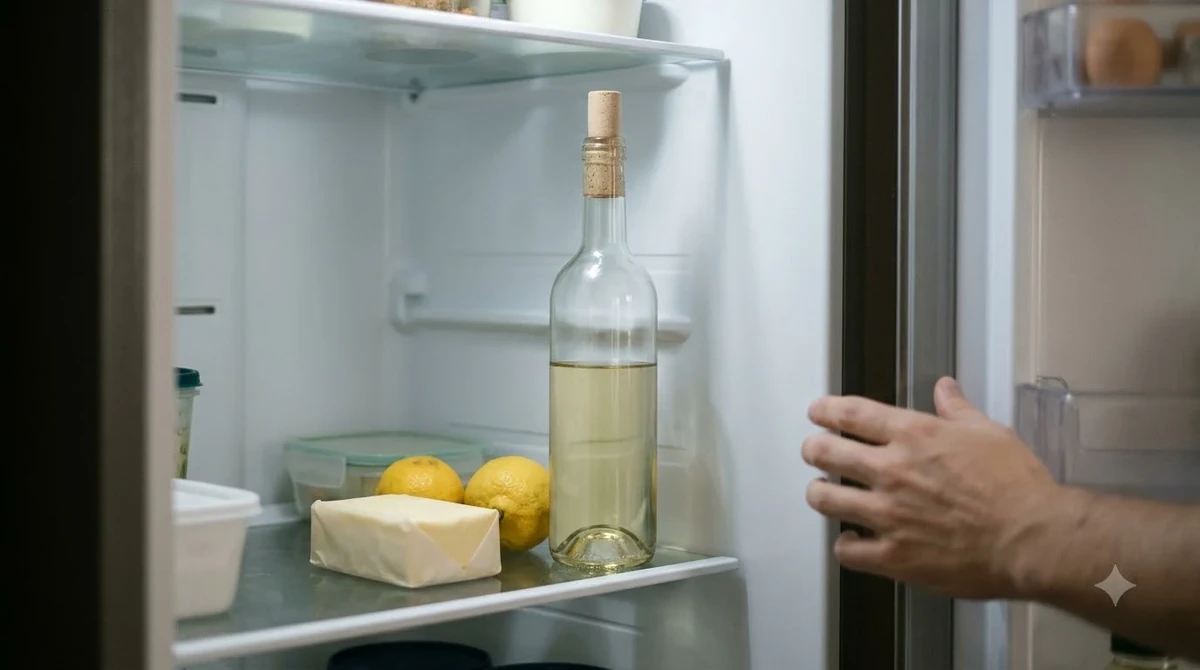
Once opened, reseal the bottle and keep it in the refrigerator. A fresh, dry white like this one usually tastes best within the first day or two, when its fruit is still bright. Leftover wine can work in a simple pan sauce for fish, where the acidity helps balance butter and lemon.
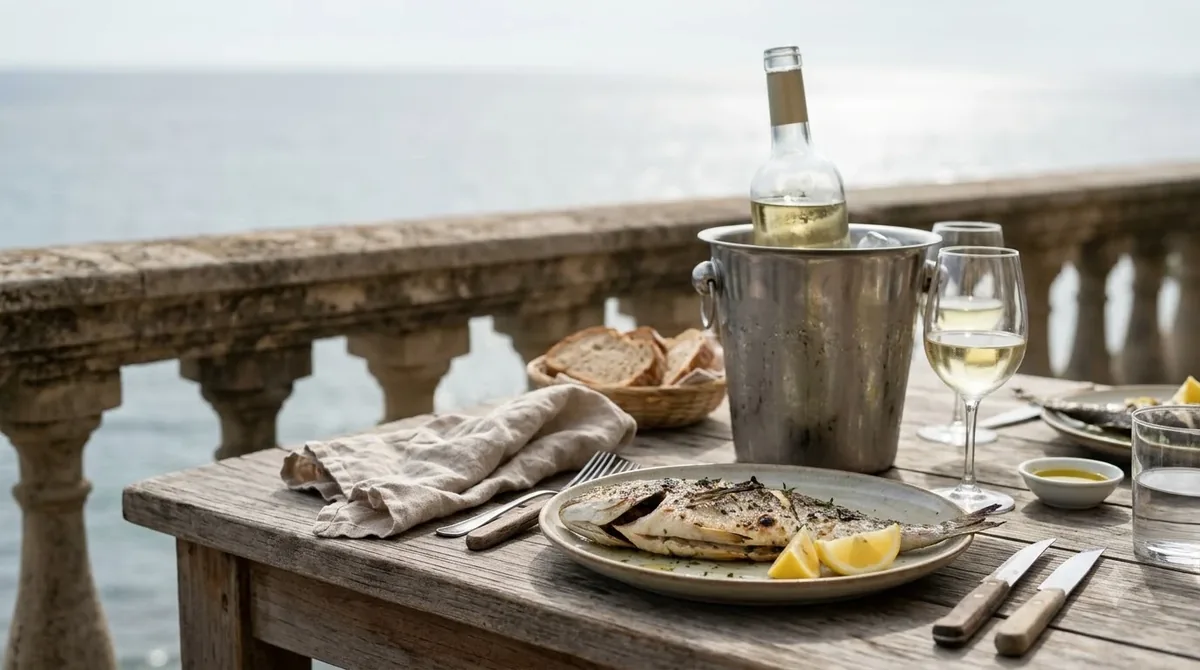
Decanting is not needed. A standard white wine glass with a moderate bowl is enough to show the flowers and fruit. Pour a modest amount so the wine stays cool in the glass, and keep the bottle in an ice bucket if the room is warm.
| Feature | What to expect |
|---|---|
| Sweetness | Bone-dry in the usual style |
| Acidity | Medium-high |
| Tannin | None |
| Alcohol | About 11.5% to 13.5% ABV |
| Serving temperature | 45 to 55 degrees F (7 to 12 degrees C) |
| Cellaring | Three to five years for some wines |
Food pairing with grechetto wine
Grechetto’s acidity and lack of tannin make it a flexible partner at the table. Wine Folly points to tuna and other seafood with a firm, steak-like texture as a strong match. The wine also works with simple fish dishes, fresh salads and soft cheeses.
Dishes built on olive oil, lemon and fresh herbs tend to suit the wine best, because those flavors echo its herbal and floral side. Heavy cream sauces can flatten the fruit, so save the richest dishes for a bolder white or a red. If you want a sweeter, more aromatic option for comparison, read about black muscat wine for a different style.
As an aperitif, grechetto works well with a plate of olives, lightly salted nuts and fresh bread with good olive oil. Those small bites let the wine’s acidity do the work without competing with a heavy meal. Soft fresh cheeses such as young goat cheese or ricotta also suit the wine, while aged, pungent cheeses are better served with a sweeter or more structured white.
Tip: Start with a simple dinner of grilled fish and a green salad. It shows the wine’s freshness better than a rich, complicated plate.
How to choose a bottle
Read the label first. If it names Orvieto, Torgiano or Colli Martani, you know the wine comes from an Umbrian appellation with its own rules. A wine labeled simply as grechetto may be a varietal bottling, which tends to show the grape more directly.
Look for a recent vintage if you want the fruit and acid at their brightest. Most grechetto is made to drink soon after release, but a well-made bottle can be cellared for a few years. Shoppers who prefer lighter reds can also compare bobal wine from Spain, which takes a very different route to a similar sense of freshness on the palate.
For a broader view of how grapes and styles connect, the Wine by Type section groups bottles by grape and profile, which helps when you are comparing a new variety with ones you already know.
When you compare bottles on a shelf, price is only one factor. Pay attention to the vintage, the producer’s name and whether the label describes the wine as dry. Those three details tell you more about what is in the glass than a flashy front label, and they help you decide whether the wine fits a casual dinner or a more formal table.
Frequently Asked Questions
Is grechetto wine sweet or dry?
The usual style is bone-dry, with no residual sweetness. Some producers make richer, late-harvest wines from the same grape, but most bottles you will find on shelves are dry.
What does grechetto wine taste like?
Expect white peach, honeydew, strawberry and wild flowers, with a clean finish and medium-high acidity. Some bottles also show a faint saline note that tasters often compare to seashell.
Is grechetto the same grape as Greco?
No. Reference sources state that grechetto is not related to Greco bianco from Calabria. Pignoletto is one of its listed synonyms, so you may see that name in some regions.
Should I chill grechetto before serving?
Yes, but not too cold. A serving range of about 45 to 55 degrees Fahrenheit keeps the acidity balanced and lets the aromas come through in the glass.
Grechetto is an approachable Italian white for anyone who likes dry, fresh wines with clear fruit. Start with a bottle from a known Umbrian appellation, serve it cool, and pair it with seafood or herb-driven dishes to see how it performs at your own table.
More in Wine Types & Grapes
 Zinfandel Sugar Content: Dry Red vs. White Zinfandel GramsUpdated Nov 21, 2026
 Best Zinfandel Substitute Options for Sipping and CookingUpdated Nov 21, 2026
 Zweigelt Food Pairing: Best Dishes, Cheeses, and Serving TipsUpdated Nov 21, 2026
 Zinfandel Tannins Explained: How Structure Shapes Every BottleUpdated Nov 21, 2026
 Zinfandel Sweetness Level: Dry Red vs. Sweet White Zin ExplainedUpdated Nov 21, 2026
 Xinomavro Food Pairing: Best Dishes, Styles, and Serving TipsUpdated Nov 21, 2026