

We may earn a commission when you buy through links on this page, at no extra cost to you. Learn more.
Rheinhessen wine comes from Germany’s largest wine region, on the west bank of the Rhine, and most of its bottles are white and built around Riesling. The region is known for approachable whites that range from dry to off-dry, along with smaller amounts of red from warmer spots such as Ingelheim and Gundersheim. Knowing the main grapes makes the shelf much easier to read.
This guide covers the grapes, the common styles, how to serve them, and where to start if you are new to German wine. It is written for American buyers who see the name Rheinhessen on a label and want to know what it actually means in the glass.
What Rheinhessen wine is
Rheinhessen, also called Rhenish Hesse, is the largest of the 13 regions that produce German wine. According to the Wikipedia entry on the region, its vineyards sit on the west bank of the Rhine River, and the landscape is a broad, gently rolling area rather than a single narrow valley. That spread means the wines vary more than the name suggests, with differences driven by soil, slope and how close a vineyard is to the river.
The region is widely known abroad as the home of Liebfraumilch, a soft, sweet style that shaped many American ideas about German wine for decades. Today many producers in the area make drier wines that aim for a sharper, more precise taste, so a bottle from Rheinhessen is no longer automatically sweet. Older habits still linger on the shelf, which is why reading the label carefully pays off.
The grapes that define the region
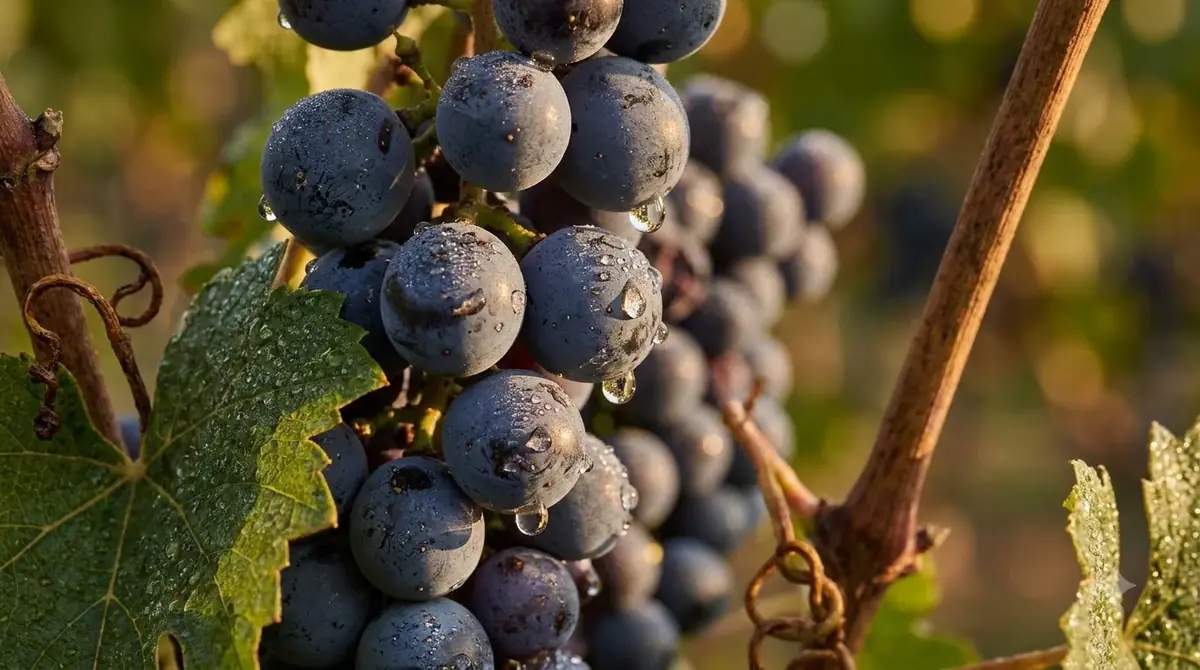
Most of the vines planted here are white. Riesling is the best-known variety, and it is joined by Silvaner, Müller-Thurgau, Kerner and Scheurebe. Each grape gives a different character, from the citrus lift of Riesling to the softer, more herbal profile often found in Silvaner.
Red wine is a smaller part of the output. Producers grow Pinot noir, Blauer Portugieser, Dornfelder and Regent. Regent is a newer variety, and it is most often mentioned in connection with the warmer vineyards around Ingelheim and Gundersheim, where the reds have a stronger local reputation than elsewhere in the region.
| Grape | Color | Typical character |
|---|---|---|
| Riesling | White | Lime, green apple and floral notes, with lively acidity |
| Silvaner | White | Softer and herbal, often made dry |
| Müller-Thurgau | White | Gentle and aromatic, usually easy to drink young |
| Pinot noir | Red | Red cherry and earthy notes, lighter body |
| Dornfelder | Red | Deep color with plum and dark fruit |
Styles you will find on the shelf
Rheinhessen wines are often labeled by sweetness, so the words on the bottle matter. Dry wines are usually labeled trocken, while off-dry wines are often labeled halbtrocken. Riesling in particular covers the full range, from bone-dry to very sweet dessert styles, which is why one label can feel nothing like the next.
Reading the label is easier if you think in categories: a light, dry white for fish or salads, an off-dry Riesling for spicy food, and a sweeter style for dessert. The region also produces sparkling wine and young fermenting wine, though these appear less often on export shelves. Ask a retailer which style they recommend if the label leaves you guessing.
How to serve Rheinhessen whites
Serving temperature changes how much flavor you notice. Wine Folly’s Riesling guide recommends serving the grape at 38–45°F (3–7°C) in a white wine glass, and it notes that decanting is not needed. Chilling the wine well keeps the acidity crisp and the fruit clean.
Many Riesling styles are fairly low in alcohol. The same guide places most Riesling under 10% ABV, which makes them easy to drink with a meal or on their own. Cellaring can also help the best examples, and the guide suggests that some Riesling can age for ten years or more, so a bottle does not have to be opened the week you buy it.
Tip: Put the bottle in the refrigerator for about two hours before serving if you are unsure about temperature. Taste a small splash first, then decide whether it needs more chill.
Food pairings that work with Rheinhessen wine
Off-dry Riesling is one of the most flexible food wines available. It pairs well with spicy Indian and Asian dishes because the touch of sweetness balances heat. The same guide also lists duck, pork, bacon, shrimp and crab as good matches.
Dry whites from the region suit lighter dishes such as grilled fish, chicken salad or soft cheeses. Drier, lighter reds, such as a Pinot noir, can go with roasted chicken or mushroom dishes. Matching weight is a useful rule: lighter food with lighter wine, richer food with a fuller style.
How to choose a bottle
Start with the grape on the label. A Riesling tells you the wine will likely be crisp and fruity, while a Silvaner suggests something softer and more savory. If the bottle names a village or vineyard, that detail usually points to a more specific style, though it can also mean a higher price, so compare a few options before deciding.
Check the sweetness word on the back label, then match it to your meal. A dry wine is often the safer choice with a broad dinner, and an off-dry bottle is a good match for takeout food with a bit of heat. Buying two different bottles from the same region is a practical way to learn what you like without committing to a case.
Common mistakes when buying Rheinhessen wine
The most frequent mistake is assuming every bottle from the region is sweet. The older image of Liebfraumilch still shapes expectations, so a dry Riesling can surprise a buyer who arrived with that picture in mind. Read the sweetness word on the label before you open the bottle, and do not rely on the grape name alone.
Another common error is serving white wine too warm. A bottle that sits on the counter for an hour can taste flat, while the same wine served at a cool temperature shows more fruit and a cleaner finish. Put the bottle in the refrigerator well ahead of the meal, and give it time to reach the range the producer recommends.
Finally, many buyers skip the producer name. In a region with many estates, the producer often tells you more about the style than the village or the grape, so look for a name you recognize and try a second bottle from the same house to test your taste.
Frequently Asked Questions
Is Rheinhessen wine always sweet?
No. Sweetness depends on the producer and the specific bottle. Many wines from the region are dry, and the label may use trocken or halbtrocken to show the level of sweetness.
What grape is Rheinhessen best known for?
Riesling is the best-known grape, although Silvaner and Müller-Thurgau are also widely planted. Most of the region’s vineyards are white, so white wine is the usual starting point for a first bottle.
What is Liebfraumilch?
Liebfraumilch is a soft, semi-sweet style long associated with the region and sold widely abroad. Many modern producers make drier wines, so check the label before you assume a bottle will taste sweet.
What should I order first if I am new to this region?
Start with a dry or off-dry Riesling and serve it well chilled. It is easy to pair with food and gives a clear sense of the region’s style before you move on to Silvaner or a red.
Rheinhessen rewards a little curiosity. Try one white, note how it changes with food, and then compare a second bottle from a different producer. For the wider German picture, see our wine regions guide, and for a closer look at the area itself, read our Rheinhessen wine region page. If you enjoy cool-climate whites, the Alaska wine scene is a useful point of comparison.
More in Wine Regions
 Willcox Wine Trail: Discover Arizona’s High-Elevation Wine CountryUpdated Nov 20, 2026
 Yakima Valley Wine Region: Find the Best Styles to TryUpdated Nov 20, 2026
 Vosne Romanee Wine Tasting: Identify Aromas and Choose Better PairingsUpdated Nov 20, 2026
 Yakima Valley Wine Festival: Find the Best Seasonal Wine EventsUpdated Nov 20, 2026
 Wales Vineyards: Discover Cool-Climate Wines and Where to VisitUpdated Nov 20, 2026
 Yountville Wine Festival: Discover Napa Wines and Local FoodUpdated Nov 20, 2026