

We may earn a commission when you buy through links on this page, at no extra cost to you. Learn more.
Daou Cabernet is the Cabernet Sauvignon made by DAOU, a Paso Robles estate on a hilltop in the Adelaida District, and it is the wine the winery is best known for. The fruit comes from steep, high-elevation vineyards that the winery describes as suited to powerful, long-lived Cabernet. Reviewers describe the style as bold and silken, with dark fruit, structure, and a smooth finish.
Cabernet Sauvignon is the core of the DAOU range, and the estate’s name often comes up in lists of Central Coast red wines worth knowing. This guide covers where the Cabernet comes from, how the wine is typically described, how it compares with other Paso Robles bottlings, and how to serve and pair it. It is written for shoppers who want to understand the style before they buy a bottle, whether for a dinner or for a collection.
Where DAOU Cabernet comes from
DAOU was founded in 2007 by brothers Georges and Daniel Daou, whose goal was to develop the region’s potential for Cabernet Sauvignon and other Bordeaux varieties. The estate sits on DAOU Mountain, a 212-acre hilltop property in the Adelaida District on the western side of the Paso Robles appellation. The winery’s own site describes its vineyards as reaching elevations of up to 2,200 feet, on slopes steep enough to be a defining feature of the property.
The location matters for the wine. The winery states that the estate is roughly 14 miles from the Pacific and that its soils have high limestone content. Those conditions give the vines a challenging setting, and the winery argues that the mountain’s fruit suits long-lived Cabernet. Ownership and sourcing details can change over time, so check the winery’s current materials for the latest information on a specific bottling. The Wine Spectator winery profile for DAOU in Paso Robles places the estate within the Adelaida District and summarizes its founding story.
The Adelaida District itself is known for cooler, higher sites than much of the valley floor, and that difference shows up in how the grapes ripen. Slower ripening can keep acidity and structure in the fruit, which helps explain why the estate’s Cabernet is described as firm rather than soft. Those are general characteristics of high-elevation sites rather than measured results for any single vintage.
What the Cabernet tastes like
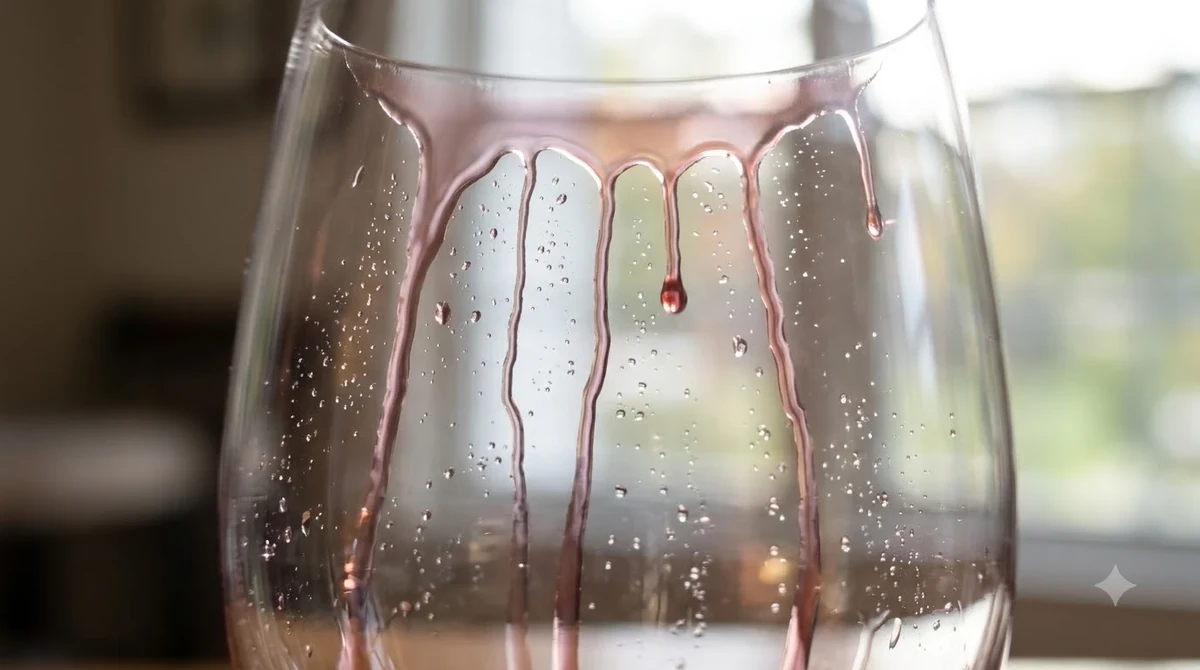
DAOU Cabernet is usually described as concentrated and smooth at once. Wine Spectator’s profile of the estate uses the phrase “bold, silken” to describe the wine, and the winery’s own material calls it powerful, smooth, and multifaceted. Expect dark fruit such as blackberry and plum, with spice, a firm structure, and a long finish. The fruit is ripe but not jammy in the way some Paso Robles reds can be, and the tannins are built to support aging rather than to be softened for early drinking.
Because the house style is built on structure, the wine rewards a little patience. Younger bottles can taste tight and fruit-driven, while older bottles show more depth and savory notes. Vintage matters as well. A warmer year tends to bring riper fruit and softer tannins, while a cooler year can produce a leaner, more structured bottle, so the same label may taste different from one release to the next. Reading the vintage on the label is a simple way to set expectations before you open the bottle.
The wine is also a good example of how a Cabernet built for the long term can still show its fruit young. Blackberry, cassis, and plum lead the nose on a young bottle, while spice, cedar, and dried herb notes tend to appear as the wine develops. That progression is part of the reason many drinkers keep a bottle for a special meal rather than opening it on the first night.
Reviewers at Wine Advocate gave the 2018 Estate Cabernet Sauvignon a score of 93 to 95 points, and the 2018 Reserve scored 93 to 95-plus, which places both among the more highly rated Paso Robles Cabernets of that vintage.
| Bottling type | What to expect | Best for |
|---|---|---|
| Estate Cabernet Sauvignon | Dark fruit, structured, smooth finish | Dinner with red meat or hearty dishes |
| Reserve Cabernet Sauvignon | Deeper, more concentrated, built for aging | Special occasions and cellaring |
| Mountain-fruit blends | Bordeaux varieties with Cabernet at the core | Shoppers wanting a broader red |
How DAOU compares with other Paso Robles Cabernets
Paso Robles has become a major Cabernet region, and the area produces many bottles that look similar on paper. DAOU’s position is defined by its altitude and its hillside setting rather than by a flat valley floor. Cabernets from higher, steeper sites often show firmer tannins and more savory notes than valley-floor fruit, which is part of why the winery emphasizes the mountain.
Shoppers comparing bottles should look at the vintage, the producer’s stated aim, and the tasting description, not only the region name. A bottle from a different Paso Robles estate may be softer, riper, or more approachable on release, while DAOU tends to aim for structure and longevity. For a related look at a producer with its own signature Cabernet, the Caymus Cabernet guide covers a famous California style for comparison.
How to serve DAOU Cabernet
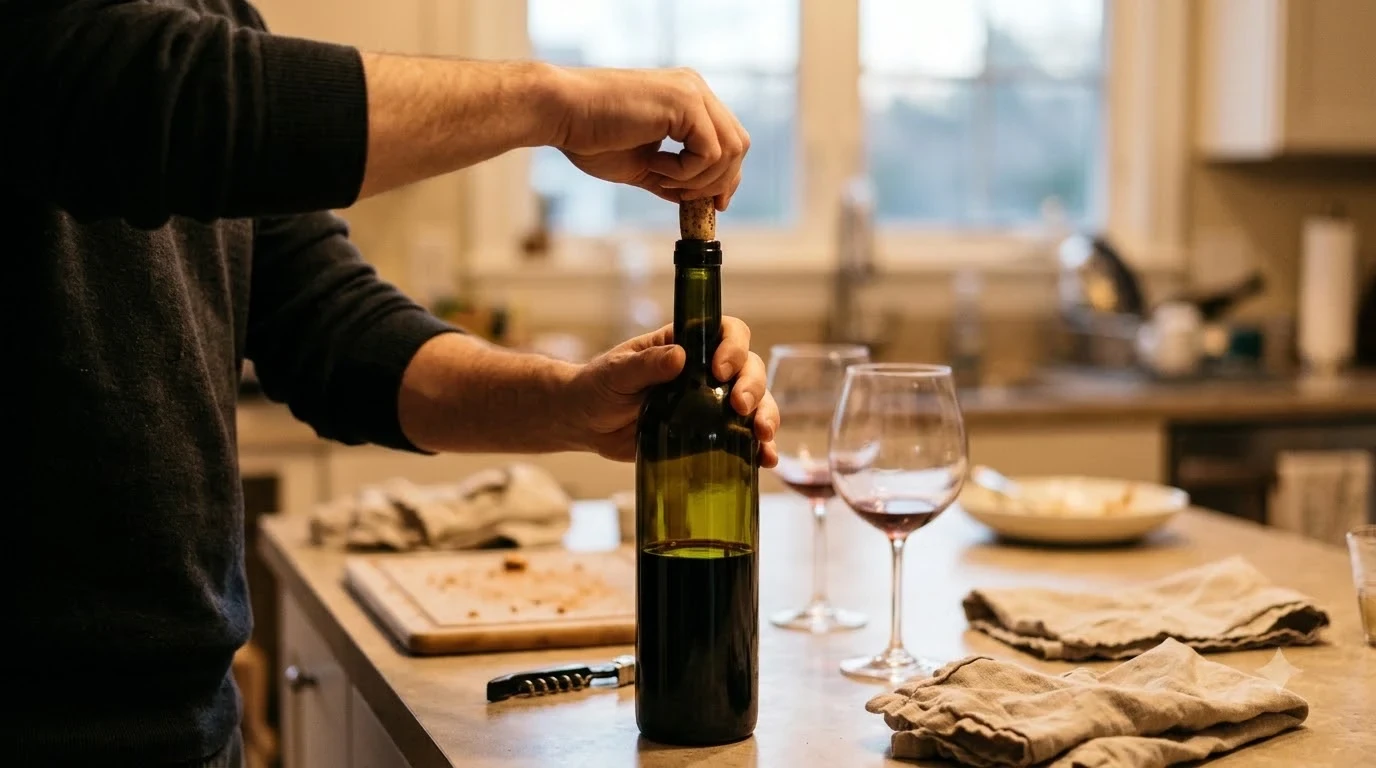
Serve red Cabernet slightly below room temperature, not warm. A short rest in a cool room or a brief time in the refrigerator before pouring usually brings the wine into balance. Decanting helps younger, more structured bottles open up, and a wide glass lets the aromas develop as the wine warms in the glass.
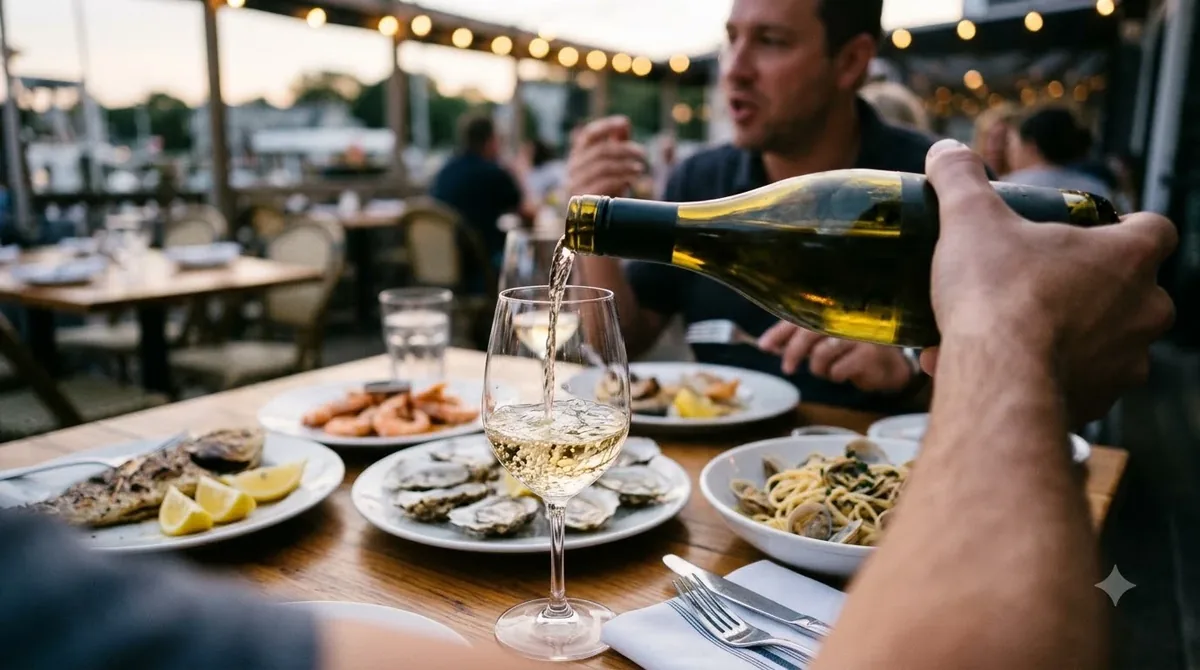
Cabernet from a structured estate like DAOU pairs well with food that matches its weight. Grilled or roasted red meat, lamb, and braised beef suit the tannins, and hard aged cheeses bring out the wine’s savory side. Mushroom dishes and dark-chocolate desserts can also work, as long as the dessert is not sweeter than the wine.
Who should buy DAOU Cabernet and who might skip it
DAOU Cabernet suits people who enjoy full-bodied reds with structure and length. It is a good choice for dinners with heavier food, for drinkers who want to watch a bottle develop over several years, and for anyone curious about the Paso Robles style at its more serious end. The estate’s tasting room is open by appointment, which can add a visit to a trip through the region.
It may not suit drinkers who prefer light, easy reds for everyday sipping. Tannin and concentration can feel demanding on a warm evening with simple food, and younger bottles often need time or air. Lighter Pinot Noir or a fresh rosé may be a better fit in those situations. If you are comparing it with another modern Cabernet, the Austin Hope Cabernet guide covers a richer, fruit-forward example from the same broader region.
Frequently Asked Questions
What kind of wine is DAOU Cabernet?
It is a Cabernet Sauvignon from DAOU, a Paso Robles estate known for structured, long-lived reds. The style is described as bold and silken, with dark fruit and a smooth finish.
Where is DAOU located?
The estate is on DAOU Mountain in the Adelaida District of Paso Robles, on the western side of the appellation. The winery describes its vineyards as rising to about 2,200 feet.
Does DAOU Cabernet need aging?
Many bottles benefit from some time in the cellar, especially the more structured Estate and Reserve wines. Younger bottles can be enjoyed with decanting and a good meal, but a few years often help them soften and open up.
What food goes well with DAOU Cabernet?
Grilled or roasted red meat, lamb, and braised beef are classic matches for a structured Cabernet. Hard aged cheeses and mushroom dishes also complement its savory side.
DAOU Cabernet is a serious, structured Paso Robles red for people who want a wine with length and character. Decant a younger bottle, pair it with rich food, and give it time if you can. For more on the producer as a whole, the DAOU wine guide covers the estate and its blends, and the wine brands guide compares other well-known labels.
More in Wine Brands
 Underwood Wine Price: Compare Bottles, Cans, and Pack SizesUpdated Nov 21, 2026
 Zenato Wine Price: Compare Styles and Choose the Right BottleUpdated Nov 21, 2026
 Zuccardi Wine Price: Compare Bottles and Find the Right RangeUpdated Nov 21, 2026
 Yellow Tail Moscato Review: Taste, Sweetness and Serving TipsUpdated Nov 21, 2026
 Wolf Blass Yellow Label Review: Choose Your Best StyleUpdated Nov 21, 2026
 Wolffer Estate Rose Review: Choose the Right Bottle for Your TableUpdated Nov 21, 2026