

We may earn a commission when you buy through links on this page, at no extra cost to you. Learn more.
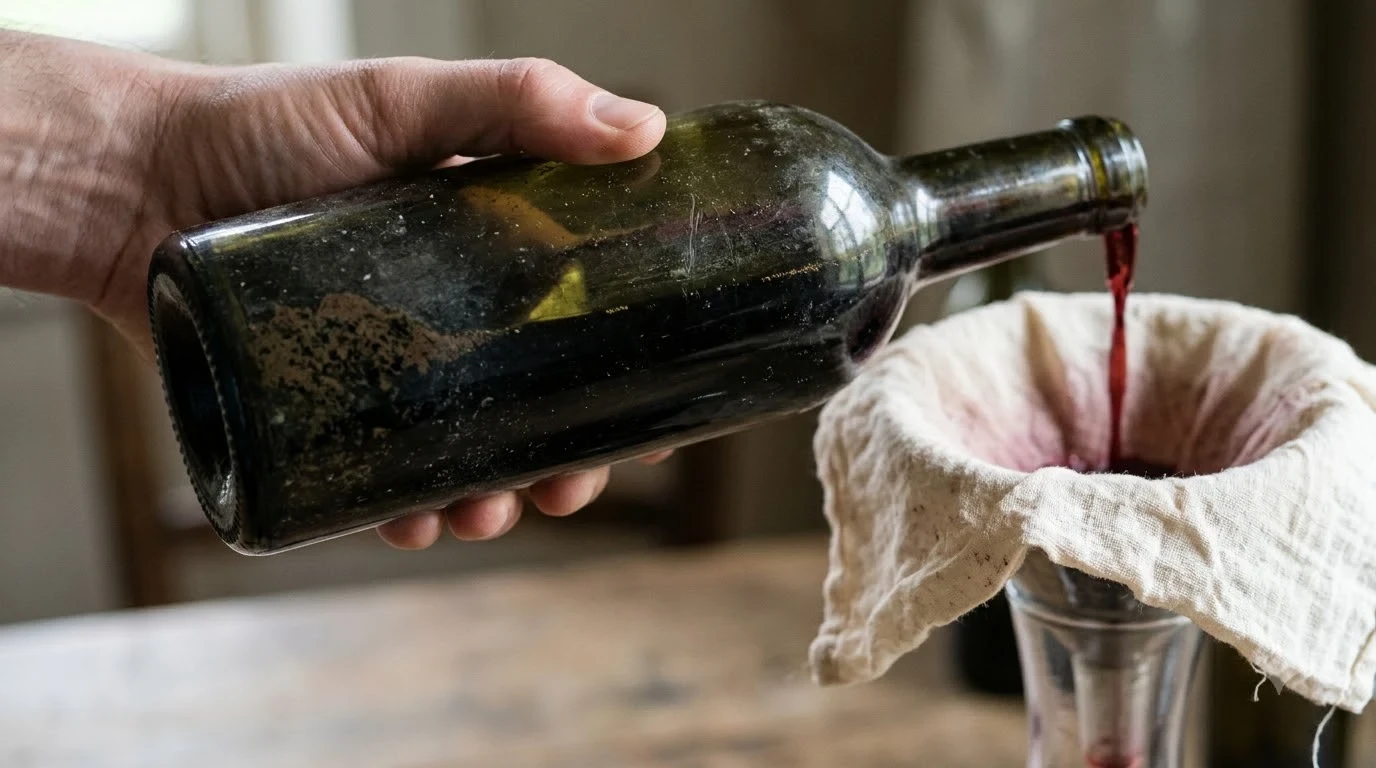
The concord color is a dark blue to purple, and the same deep hue carries into Concord juice and wine. The grape’s skins are usually dark blue or purple, often with a dusty bloom that rubs off, and the juice is noticeably dark, as the Wine Folly Concord profile notes. That is why Concord products, from jelly to juice to sweet wine, tend to look deep purple rather than light red or pink.
If you are looking at a bottle of Concord wine or a jar of Concord grape jelly and wondering why the color is so intense, this guide explains where that color comes from, what it tells you about flavor, and how to spot a Concord product by eye. It is a practical look at one of the most recognizable colors in American fruit.
Why Concord grapes look so dark
Concord is an American grape that belongs to the Vitis labrusca species, which is also called the fox grape. It was developed in 1849 by Ephraim Wales Bull in Concord, Massachusetts, and the grape takes its name from that town. The variety is a hybrid of Vitis labrusca crossed with roughly one-third Vitis vinifera, and it became popular because it grows well in cold winters and humid summers.
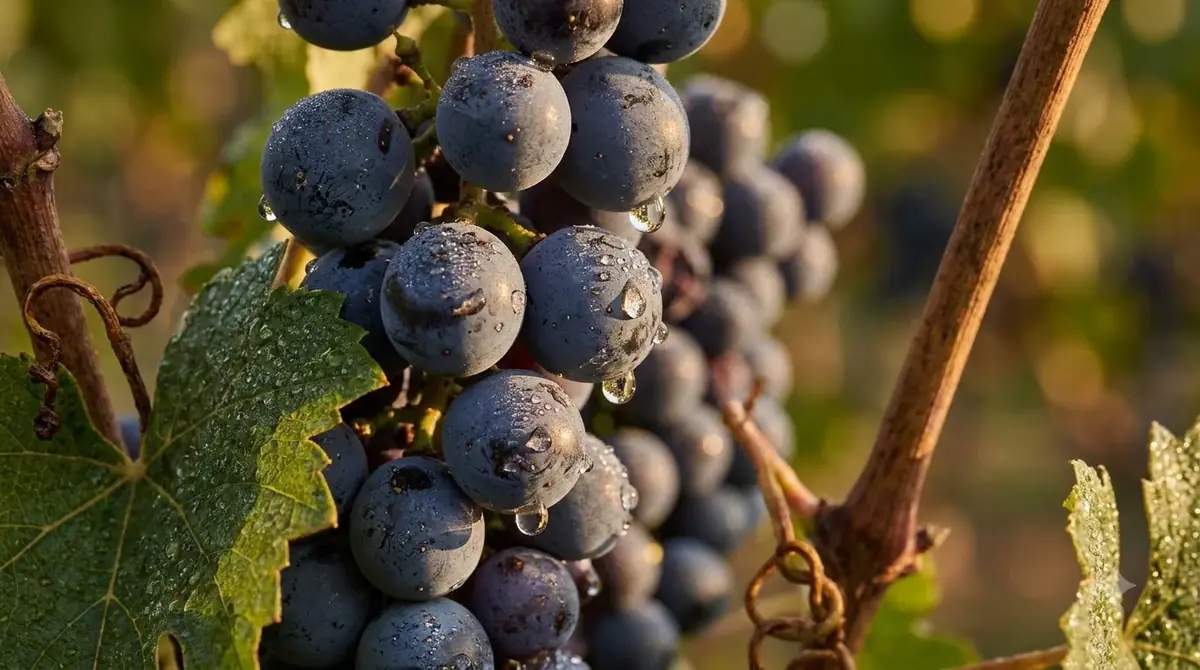
The dark color comes from the skins. Concord skins are usually dark blue or purple, and they carry a fine, dusty coating that you can rub off with your fingers. Because the pigment is in the skin and the juice is also dark, the color is much more intense than you would find in a light-skinned grape such as Chardonnay or a pale Pinot Noir.
What the color means in the glass
The deep color of Concord is one of its most useful signals. A dark, opaque juice usually means a strong grape flavor, and Concord is known for exactly that. Many people recognize the taste right away as the flavor of a classic grape juice or a jelly. In wine, that intensity is one reason the variety stands out from the more restrained reds made from vinifera grapes.
Because the juice is so dark, a wine made from it will generally look deep purple to ruby and will be hard to see through. Most commercial Concord wines are sweet, so the color is often paired with a rich, sugary taste. If you are judging a glass by eye, a very dark color with a jammy nose is a good sign you have Concord in front of you.
Color in juice and jelly
The color is also the reason Concord is so popular for juice and jelly. Shoppers associate that vivid purple with the flavor they grew up with, and producers lean into it on the label, which is why the shade has become part of the grape’s identity in American kitchens. Most Concord grapes are grown for juice, and the largest juice producer in the United States has been making Concord juice since the late nineteenth century. The jelly that sits in many American pantries is typically made from the same grape, and its vivid purple color is one of its selling points.
How to tell Concord from other dark grapes
Several dark grapes can look similar at first glance, so it helps to know a few clues. Concord has a strong, distinctive aroma that many people describe as musky, and the flavor is often described as bold and grape-forward rather than subtle. Its skins are thick and slip easily from the pulp, which is one reason the grape is more often juiced than eaten fresh.
On the label, look for the words Concord, or for an American wine or juice made from labrusca-type grapes. Wines from the Northeast and Great Lakes regions are more likely to be Concord-based, since the variety handles cold weather well. If the label simply says red or purple grape, ask the producer which variety was used.
| Trait | What to look for in Concord |
|---|---|
| Skin color | Dark blue or purple, with a dusty bloom |
| Juice color | Dark and intense |
| Aroma | Musky, strong, grape-forward |
| Typical sweetness | Off-dry to sweet |
| Common products | Juice, jelly, and some sweet wines |
Reading the color when you shop
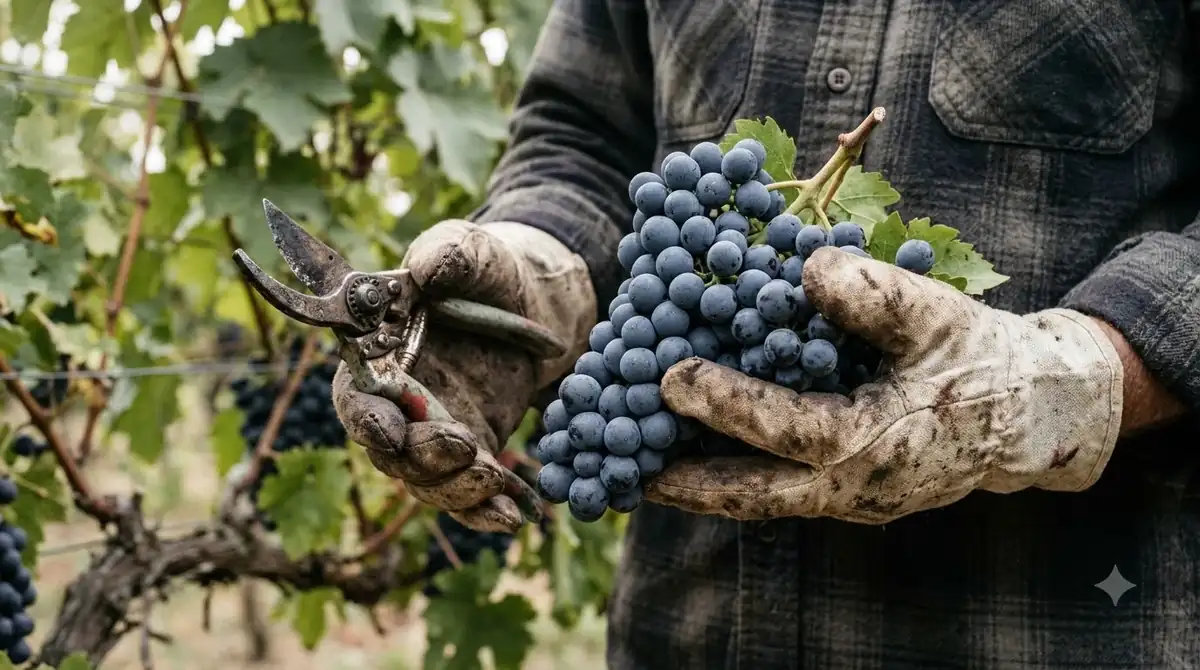
Color is one of the quickest ways to judge a Concord product before you open it. A bottle of juice or a jar of jelly that looks pale or washed out may be a blend, a different variety, or an older product that has lost some of its pigment. A deep, dark purple usually signals that the product is made from Concord or a grape with similar skins, and the color is a good starting point for comparison.
Keep in mind that color alone does not guarantee quality. Storage, light, and age all affect how a product looks over time. A bottle kept in a bright window for a long season can fade, while a sealed jar kept cool will hold its shade much longer. When you are comparing two products on a store shelf, look at the label first, then at the color, and finally at the sweetness listed on the back.
Winemakers also watch the color closely during production. Because the skins carry so much pigment, the length of contact with the juice and the timing of pressing shape how dark the final wine looks. Producers who want a lighter color may press earlier, while those who want a deeper, more saturated wine let the juice sit on the skins for longer.
How Concord wine is served and enjoyed
Because the color is so intense, Concord wine is often served a little cooler than a dry red. A typical service range is about 55 to 60 degrees Fahrenheit, and a universal glass works well. Some producers recommend a short period of air before pouring, which can help the aroma open up. The wine is generally ready to drink young, but a few years in the bottle can soften the tannins and round the flavors.
Concord pairs best with bold, strongly flavored food. Barbecue with a sweet sauce is a classic match, since the wine’s sweetness and grape intensity stand up to smoke and spice. Aged cheeses and salty snacks also work well, as does a simple dessert with dark fruit. Avoid pairing it with delicate fish or light salads, which will be overwhelmed by the color and the flavor.
Tip: If you want the color without the sweetness, look for a dry red made from another dark grape, and keep Concord for dishes where a bold, sweet grape flavor is welcome.
Frequently Asked Questions
What color is Concord grape juice?
Concord grape juice is dark and intensely colored, usually a deep purple. The color comes from the dark blue or purple skins, which are dark enough that the juice looks opaque.
Is Concord wine red or white?
Concord wine is a red-colored wine made from a dark-skinned grape. Because the juice is dark, the wine appears deep purple to ruby rather than pale or light.
Why is Concord so popular for jelly?
Concord has a bold, strong grape flavor and a vivid purple color, which many people associate with classic grape jelly. Most Concord grapes are grown for juice, and the jelly is a natural extension of that use.
Are all purple grapes Concord?
No. Many purple grapes are used for wine, table fruit, and juice, and several have different colors and flavors. Concord is a specific variety with a distinctive musky aroma, so check the label if you want to be sure.
Once you know what the concord color looks like, it becomes easy to spot in a glass or on a shelf. If you want to read more about the grape’s background, the Concord history guide covers how the variety spread, and the wine by type page places it alongside other reds.
More in Wine Types & Grapes
 Zinfandel Sugar Content: Dry Red vs. White Zinfandel GramsUpdated Nov 21, 2026
 Best Zinfandel Substitute Options for Sipping and CookingUpdated Nov 21, 2026
 Zweigelt Food Pairing: Best Dishes, Cheeses, and Serving TipsUpdated Nov 21, 2026
 Zinfandel Tannins Explained: How Structure Shapes Every BottleUpdated Nov 21, 2026
 Zinfandel Sweetness Level: Dry Red vs. Sweet White Zin ExplainedUpdated Nov 21, 2026
 Xinomavro Food Pairing: Best Dishes, Styles, and Serving TipsUpdated Nov 21, 2026