

We may earn a commission when you buy through links on this page, at no extra cost to you. Learn more.
Livermore Valley wineries range from historic family estates founded in the 1800s to newer producers that focus on Chardonnay, Sémillon and Petite Sirah. The valley had more than 50 wineries as of 2024 according to Wikipedia, and many of them sit within a short drive of one another in Alameda County, east of San Francisco Bay. For a first visit, pick one long-established estate and one smaller producer to see the range of the valley in a single day.
This guide covers what to expect when you visit Livermore Valley wineries, which types of estates you will find, how to plan a day, and what to ask at the tasting room. It focuses on the wineries themselves, so you can decide where to go before you arrive. For the wines and the region’s climate, the livermore valley wine guide is a useful companion.
What Kinds of Wineries You Will Find
Livermore Valley is not a single style of winery. Some estates date back to the nineteenth century and still operate as family businesses, while others are relatively young and built around a specific variety or a small vineyard. The mix gives visitors a useful range: you can taste traditional Sémillon and Chardonnay in one place and a bold red from a different producer down the road.
The valley’s size is part of its appeal. Wikipedia describes the AVA as centered on the city of Livermore in the Tri-Valley region, and the wineries sit close enough that a planned route can include three or four stops without long drives between them.
A Historic Estate to Start With
If you want to understand the valley’s roots, start with an estate that has been operating for a long time. Wente Vineyards is the most cited example. According to Wikipedia’s article on Wente Vineyards, C.H. Wente established the winery in 1883 on 50 acres of land in Livermore. The estate has since grown to more than 2,000 acres in the valley, plus 700 acres in Arroyo Seco in the Salinas Valley.
The same article describes the estate as a California Historical Landmark and as the oldest continuously operating, family-owned winery in the United States. It also notes that the family kept the winery running during Prohibition by producing sacramental wine. For visitors, that history is part of the experience, and the estate’s tasting room is a good place to see how an established producer presents its range.
Wente’s grape list is broad, with Cabernet Sauvignon, Merlot, Zinfandel, Pinot Noir, Syrah, Chardonnay, Viognier, Sauvignon Blanc and Riesling all named. The article does not list Sémillon among them, which shows that the valley’s producers do not all work with the same varieties.
What to Expect at the Tasting Room
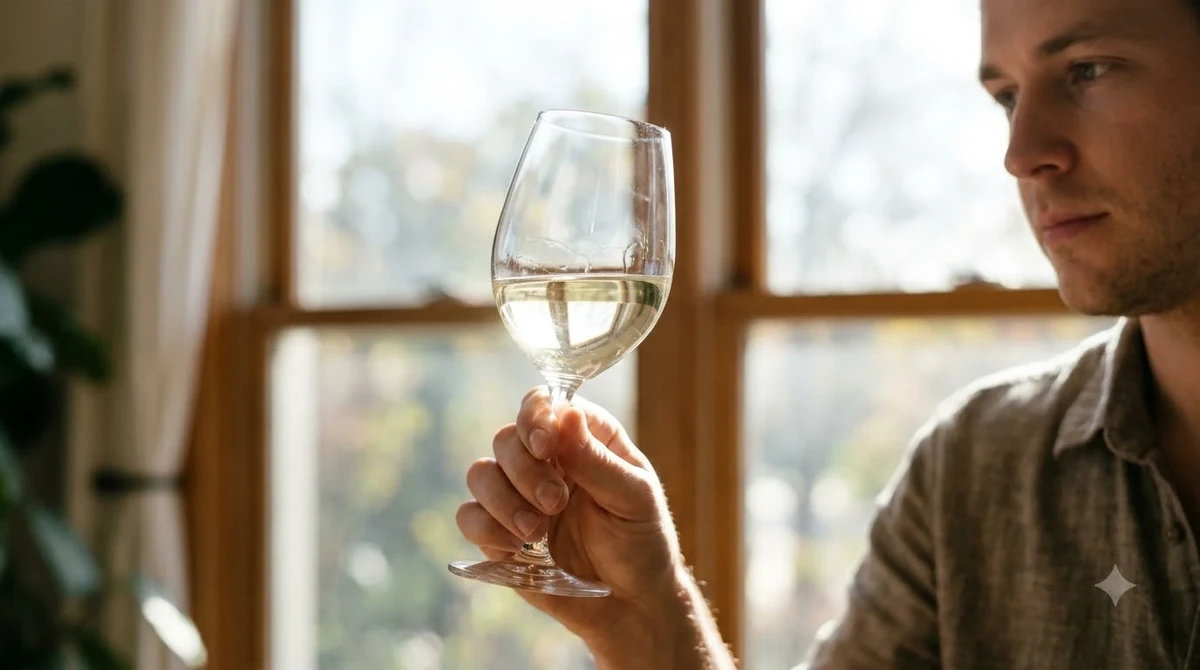
Tasting rooms in the valley vary in size and style, but most follow a similar pattern. You choose a flight or a set of pours, the staff explain the wines, and you can usually buy bottles to take home or ship where the rules allow. Some estates also host events, dining or private tastings, so check the schedule before you go.
Wente’s tasting room has a long history of its own. According to the same Wikipedia article, it opened in 1966 and is described as one of the first tasting rooms in California. Today the estate includes a restaurant and an 18-hole golf course, and it hosts both private and public events. That mix shows how some wineries in the valley have expanded beyond the glass to become full destinations.
| Type of visit | What it offers | Best for |
|---|---|---|
| Historic family estate | Long history, broad range of varieties, events and dining | First-time visitors who want a full day out |
| Small or newer producer | Focused range, often with a single signature variety | Tasting specific styles like Petite Sirah or Chardonnay |
| Tasting room in the town | Short visit, easy to combine with a meal | Visitors who want to taste without a long drive |
Tip: Ask the staff which wines the estate makes in small quantities. Those bottles often show the producer’s own choices more clearly than the core lineup.
How to Plan a Day of Visits
Because the valley’s wineries are close together, planning a route matters more than choosing a single destination. Group two or three estates that are close to each other, leave time for a meal, and avoid booking a long tasting list at every stop. A day with three well-chosen visits is usually more enjoyable than a rushed day with six.
Book in advance when you can, especially for weekends and events. Many estates run timed tastings or require reservations for groups, and the best appointments tend to fill early. If you plan to drive, arrange a designated driver or a shuttle, because tasting several wines in one day adds up quickly.
Consider pairing your visit with the region’s history. Some estates have museum-style displays, archive material or guided walks through the vineyards, and those can add context to the wines you taste. Asking the staff about the estate’s founding and its key varieties is a good way to start a conversation.
Which Varieties to Ask About
Each winery has its own focus, but a few varieties come up often in conversation. Chardonnay is widely grown in the valley, and some producers have moved to specialize in it. Sémillon has an old connection to the area, since the original plantings came from cuttings of Château d’Yquem, according to Wikipedia’s entry on the Livermore Valley AVA. Petite Sirah is the variety most often linked to the valley’s historic red wines.
Asking which variety a winery is most proud of will often lead to a better tasting than simply asking for the house favorite. Tasting styles side by side, such as a crisp white next to a structured red, shows how the same climate can support very different wines.
Choosing Which Wineries to Visit
Choose wineries by what you want to learn. If you want history, start with an estate that has a long record and a clear story. If you want to explore a specific variety, look for a producer that focuses on it. If you have limited time, pick a tasting room close to the town center and add one estate that offers a fuller visit.
Also think about group size and seating. Some tasting rooms are small and busy, which suits a short visit, while larger estates have room for a longer stay. Checking the website for hours, reservation rules and events will save time on the day.
If you enjoy comparing wine regions, the barossa valley wineries and hunter valley wineries guides show how other valleys organize their tasting rooms and estates. The Wine Regions hub is also a good place to see how Livermore fits into the wider wine map.
Frequently Asked Questions
How many wineries are in Livermore Valley?
Wikipedia reports that the valley had more than 50 wineries as of 2024. The number changes as producers open or close, so check current listings before you plan a route.
Is Wente Vineyards a good first stop?
It is often a good choice for visitors who want history. According to Wikipedia, the estate was founded in 1883 and is described as the oldest continuously operating, family-owned winery in the United States.
Do I need a reservation to visit Livermore Valley wineries?
It depends on the estate. Many wineries accept walk-in visitors, but weekends, events and group visits often require booking. Checking each winery’s website before you go is the safest approach.
How many wineries should I visit in one day?
Two or three well-chosen stops usually make a comfortable day. Leave time for a meal and plan a driver or shuttle, since tasting several wines in one day can be tiring.
Livermore Valley wineries reward a planned visit. Choose one historic estate, one smaller producer and a meal in between, and you will see how the valley’s history and its newer wines fit together.
More in Wine Regions
 Willcox Wine Trail: Discover Arizona’s High-Elevation Wine CountryUpdated Nov 20, 2026
 Yakima Valley Wine Region: Find the Best Styles to TryUpdated Nov 20, 2026
 Vosne Romanee Wine Tasting: Identify Aromas and Choose Better PairingsUpdated Nov 20, 2026
 Yakima Valley Wine Festival: Find the Best Seasonal Wine EventsUpdated Nov 20, 2026
 Wales Vineyards: Discover Cool-Climate Wines and Where to VisitUpdated Nov 20, 2026
 Yountville Wine Festival: Discover Napa Wines and Local FoodUpdated Nov 20, 2026