

We may earn a commission when you buy through links on this page, at no extra cost to you. Learn more.
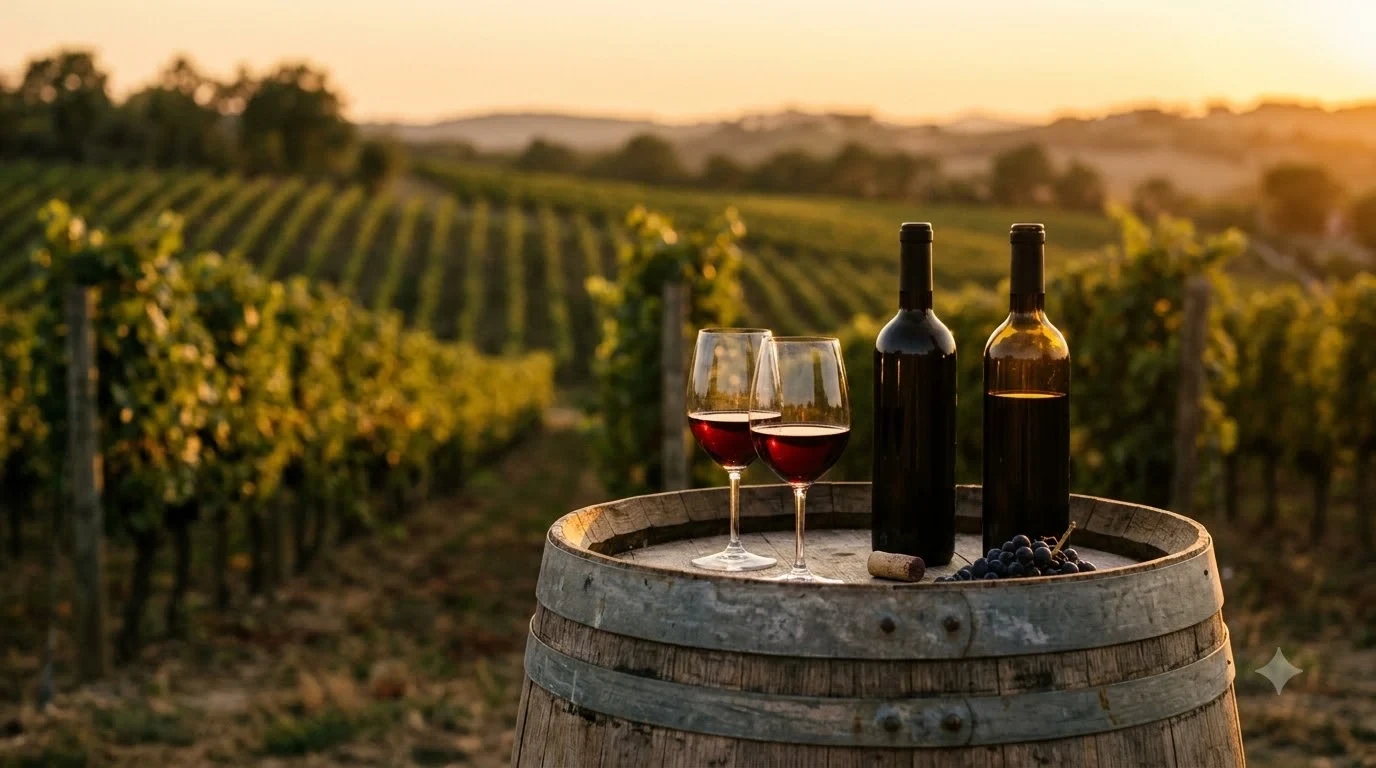
Hunter Valley wineries are clustered in the Hunter wine region of New South Wales, Australia, a historic area north of Sydney with more than 150 wineries and a reputation for Semillon, Shiraz and Chardonnay. The region is one of Australia’s oldest wine districts, first planted in the early 1800s, and its subregions range from the Pokolbin area near the main tasting routes to the cooler Upper Hunter. This guide explains where the wineries sit, what they make, and how to plan a visit.
Many visitors to Australia’s wine country know the Barossa or the Yarra Valley, but the Hunter has a distinct identity. Its humid subtropical climate, frequent cloud cover and a local tradition of aged dry whites give its wineries a style of their own. The sections below cover the region’s history, its subregions, the wines you are most likely to taste, and how to get the most from a day of cellar doors.
History and Scale of the Hunter Valley Wine Region
The Hunter was first cultivated in the early 19th century, and it is one of the first wine regions established in Australia. Thomas Melville White Winder is credited with planting the first grapes there after arriving in 1820, and James Busby’s first major planting followed in 1825 at Kirkton. Those early plantings set the pattern for a region that has kept old vineyards alongside newer ones.
Today the region holds more than 150 wineries, which makes it one of the densest concentrations of cellar doors in the country. Many are family owned and small, while some larger producers operate multiple brands and tasting rooms. Visitors will find a mix of old stone buildings, modern tasting rooms and vineyard restaurants spread across the valley.
Subregions and Where the Wineries Are
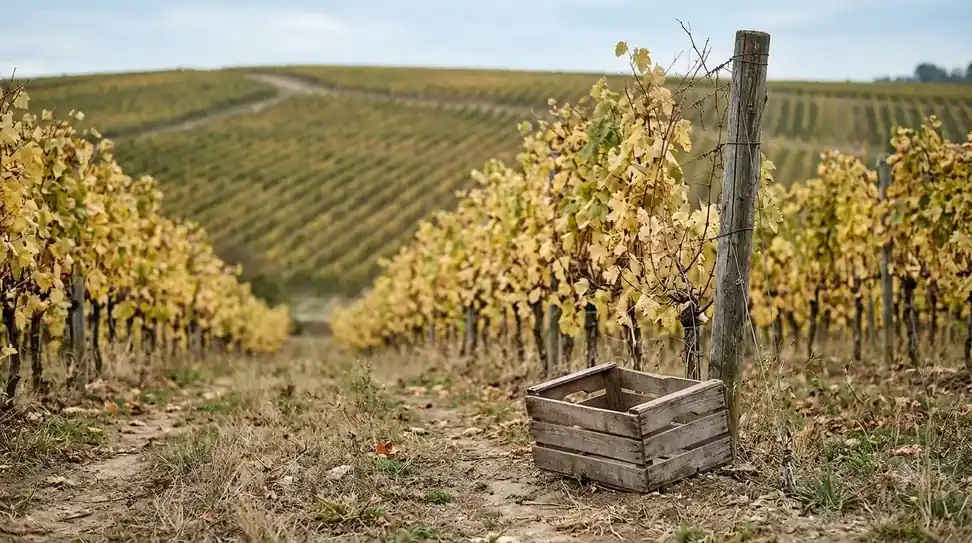
The Hunter is divided into several registered subregions. Broke Fordwich, registered on September 2, 1997, is a separate subregion with its own group of vineyards and wineries. Pokolbin and the Upper Hunter Valley were both registered in 2010, and each has its own character based on elevation, soil and distance from the coast.
Pokolbin is the subregion most visitors encounter first. Its wineries sit close together along well-known roads, which makes it practical for a day of tastings. The Upper Hunter is further from Sydney and has a warmer, drier profile, which has supported a different group of growers and styles.
The Grapes and Wines of the Hunter Valley
The Hunter is known for a handful of varieties that define its wines. The most widely planted whites are Chardonnay, Semillon and Verdelho, and the most widely planted reds are Shiraz, Cabernet Sauvignon and Merlot. Semillon and Shiraz are the varieties most closely linked to the region’s reputation, and both are often made in styles that age well.
| Wine | Typical style in the Hunter | What to expect with age |
|---|---|---|
| Dry Semillon | Lean, crisp and sharp when young, with clean citrus notes | Develops oily, nutty and waxy character over many years |
| Chardonnay | Ranges from lean unoaked styles to richer barrel-fermented wines | Richer examples can soften and gain texture in the bottle |
| Shiraz | Medium to full-bodied reds with dark fruit and spice | Structured bottles can open up after several years |
| Verdelho | Aromatic, medium-bodied whites with tropical notes | Usually enjoyed young, with fresh fruit |
Dry Semillon from the Hunter is one of the most distinctive wines in the country. Wine Folly’s Semillon guide describes the Hunter style as “lean and mean” when young, becoming oily, nutty, smoky and waxy after five to ten years or more. Its guide also gives a serving range of 45 to 55 degrees Fahrenheit, or 7 to 12 degrees Celsius, and lists Hunter Valley alcohol levels at 10.5 to 11.5 percent, which reflects early harvests and cool, cloudy weather.
Notable Wineries and Producers
Several names are central to the region’s history. Tyrrell’s is widely credited with starting the Australian Chardonnay craze with its 1971 Vat 47 Chardonnay. Lindeman’s, Tulloch, Lake’s Folly, Drayton, Brokenwood, Bimbadgen and Allandale are also commonly named among the region’s established producers. Penfolds has operated in the Upper Hunter since the 1960s, which shows how the region has drawn large companies as well as small family estates.
Visit timing also matters. Cellar doors are often busiest on weekends and during school holidays, while weekday visits usually mean more time with staff and fewer crowds. Check opening hours in advance, since some smaller wineries keep limited schedules and may close for parts of the week.
Smaller wineries often specialize in one or two varieties and offer limited releases. When choosing where to taste, consider whether you want a historic brand, a family estate or a newer producer with a modern tasting room. Each type offers a different view of the region.
Tip: Many Hunter wineries sell wines in limited quantities. If you find a bottle you like, buy it at the cellar door, since some releases are not available through retail outlets.
Planning a Day of Cellar Doors
A Hunter Valley day works best when you keep the route short. Choose three or four cellar doors in the same part of the valley, and allow time to taste slowly. Start with the lighter whites, such as Semillon and Verdelho, and finish with heavier reds. Many wineries offer lunch or platters, so a booking helps on busy weekends.
Driving is the main way to get around. Plan a designated driver, or book a guided tour or a bus that collects the group from town. The distance between some wineries is longer than it looks on a map, so check travel time before you set the order of your stops.
Food Pairing and Serving Ideas
The acidity in young dry Semillon makes it a practical partner for light seafood, grilled fish and dishes with a squeeze of citrus. Older Semillon, with its nutty and waxy notes, can suit roast chicken, creamy sauces and aged cheeses. Chardonnay from the region covers a wider span, so a lighter unoaked bottle works with salads while a richer barrel-fermented wine pairs with roast pork or pasta with butter-based sauces.
Shiraz from the Hunter tends to be medium to full-bodied, which makes it a good match for grilled lamb, beef and spiced dishes. Serve reds slightly below room temperature in a warm room, and open bottles ahead of the meal if the wine feels tight when first poured. Lighter whites should be chilled before serving, and the Semillon guide’s range of 45 to 55 degrees Fahrenheit is a useful reference.
How the Hunter Compares With Other Australian Wine Regions
The Hunter often sits in the same conversation as other Australian districts, and the comparison helps set expectations. Visitors who want a larger, more famous region might consider the Barossa Valley wineries, which are known for full-bodied Shiraz. Readers who want a different kind of tasting day can look at the Livermore Valley wineries in California, which offer another option for a compact route.
The Hunter’s identity rests on its whites as much as its reds, especially Semillon. That focus gives the region a clear style that differs from the big reds of the Barossa and the cooler whites of other areas.
Frequently Asked Questions
How many wineries are in the Hunter Valley?
The region has more than 150 wineries. The total changes over time as new producers open, so check a current list or regional guide before you plan a route.
What is the Hunter Valley best known for?
The region is best known for dry Semillon, Shiraz and Chardonnay. Dry Semillon is the most distinctive, since it develops nutty and waxy notes after several years in the bottle.
Which subregion should I visit first?
Pokolbin is the most common starting point because its wineries sit close together on well-known routes. The Upper Hunter and Broke Fordwich are farther away and suit visitors who want a quieter day.
How should I get around between cellar doors?
Use a designated driver, a guided tour or a bus service. Check the travel time between wineries, since distances can be longer than they look on a map.
A Hunter Valley visit rewards a plan built around a few stops and a clear sense of the region’s whites. Taste lighter wines first, buy the bottles you want at the cellar door, and leave time for the valley itself. For a broader view of wine districts, the wine regions guide places the Hunter alongside other areas.
More in Wine Regions
 Willcox Wine Trail: Discover Arizona’s High-Elevation Wine CountryUpdated Nov 20, 2026
 Yakima Valley Wine Region: Find the Best Styles to TryUpdated Nov 20, 2026
 Vosne Romanee Wine Tasting: Identify Aromas and Choose Better PairingsUpdated Nov 20, 2026
 Yakima Valley Wine Festival: Find the Best Seasonal Wine EventsUpdated Nov 20, 2026
 Wales Vineyards: Discover Cool-Climate Wines and Where to VisitUpdated Nov 20, 2026
 Yountville Wine Festival: Discover Napa Wines and Local FoodUpdated Nov 20, 2026