

We may earn a commission when you buy through links on this page, at no extra cost to you. Learn more.
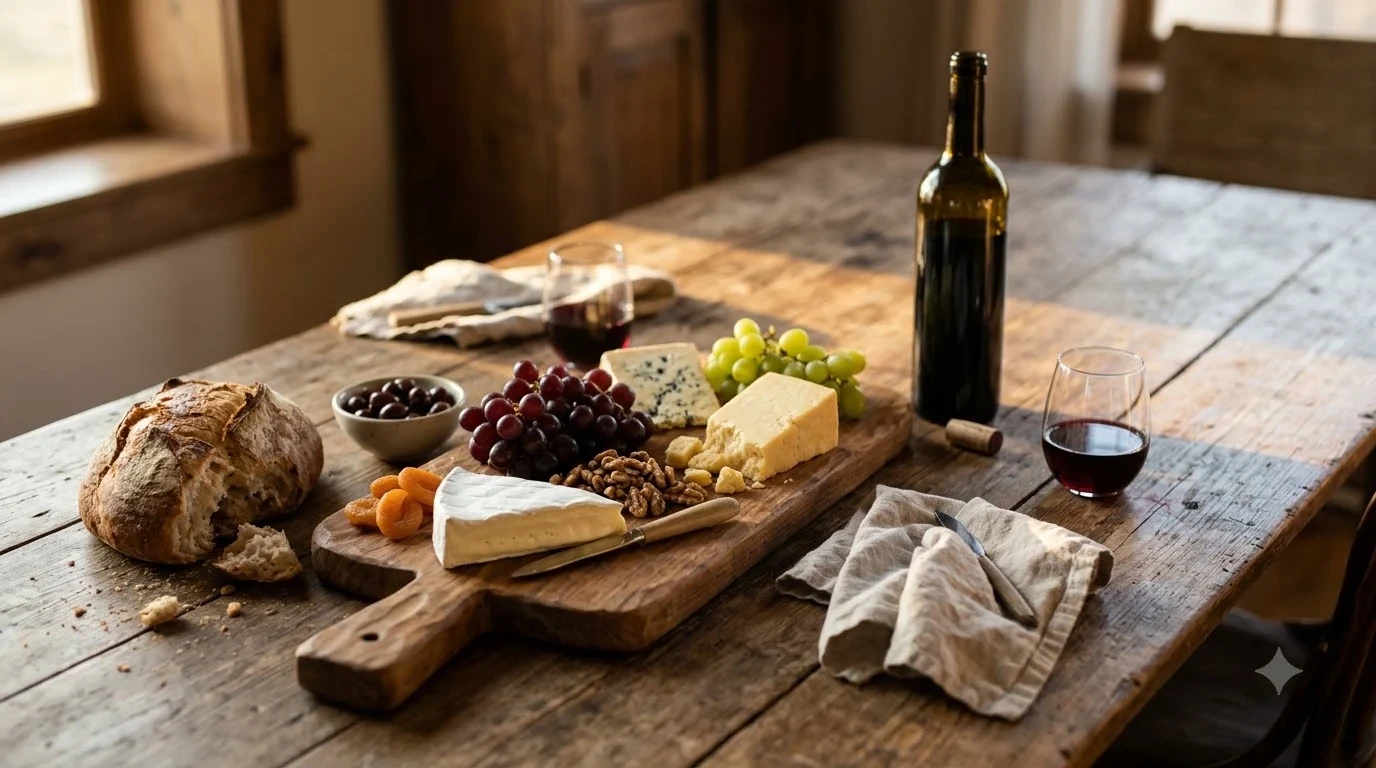
What is Amarone? It is a dry Italian red from the Valpolicella area of Veneto, made from grapes that are dried for months before fermentation. That drying step concentrates sugar and flavor, which gives the finished wine its high alcohol, rich dried-fruit character and full body. The wine is labeled Amarone della Valpolicella and carries DOCG status, Italy’s highest classification.
This guide explains what Amarone is, how the drying process works, which grapes go into it, and how to serve and pair it. If you have seen the name on an Italian wine list and wondered why it costs more than a standard red, the answer starts in the vineyard and continues through a long drying period.
How Amarone is made: the drying process
Amarone starts with grape harvest in the first two weeks of October. Growers select the best bunches, then dry them for about 120 days. The process, called appassimento, traditionally took place on bamboo racks, though many producers now dry the grapes in crates inside controlled drying rooms.
During drying the grapes lose water, and their weight falls by roughly 27 to 45 percent depending on the variety. Sugars and flavors become more concentrated as the grapes shrivel. Fermentation begins only after drying is complete, usually in late winter, which is why the wine is sometimes described as a red made from raisin-like fruit.
The grapes in an Amarone blend
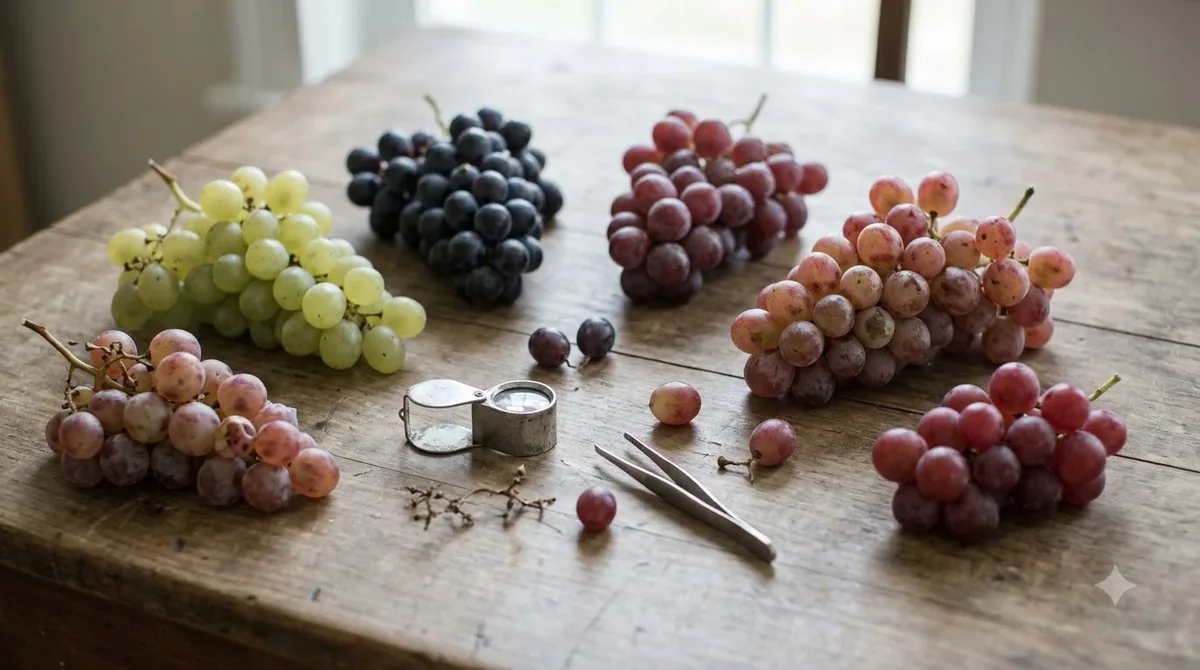
Corvina is the dominant grape in Amarone. Under the rules it makes up between 45 and 95 percent of the blend, and up to half of the Corvina can be replaced with Corvinone, a related variety. Rondinella fills in with 5 to 30 percent, and other approved red varieties can make up to 25 percent.
The result is a blend built around Corvina’s structure and fruit, with Rondinella adding color and freshness. Because the grapes are dried, the wine does not depend on a single fruit character. Instead it shows a layered mix of dark cherry, plum, fig and dried fruit.
| Feature | Amarone | Standard Valpolicella |
|---|---|---|
| Grape treatment | Dried for about 120 days | Fresh grapes, fermented soon after harvest |
| Alcohol | Typically above 15% | Lighter, with a fresher profile |
| Body | Very ripe and full-bodied | Lighter and more fruit-driven |
| Minimum aging | At least 2 years, often much longer | Shorter, typically released young |
Flavor and structure
Amarone is dry, very ripe and full-bodied. The concentrated sugars from the drying process ferment out, but the wine still tastes rich, with dried-fruit notes such as raisin, prune and fig. Acidity tends to be low, so the wine feels soft and velvety rather than crisp.
Alcohol is the other defining trait. Amarone typically exceeds 15 percent, well above the legal minimum of 14 percent for the style. That warmth can read as sweetness on the palate even though the wine is dry, which is why a young Amarone can taste hot if it is not balanced by time or food.
Tip: Amarone is often confused with Recioto della Valpolicella, a sweet wine made from the same dried grapes. Check the label: Amarone is the dry version.
Aging and when to drink Amarone
Amarone must age at least two years, counted from January 1 of the year after harvest, and the wine spends that time in oak barrels. Many producers hold it longer, and bottles are rarely released until about five years after the vintage, though the law does not require that long.
Young Amarone can taste powerful and tannic, while a mature bottle softens into a more harmonious wine with savory notes. If you prefer a fresher profile, look for a younger release or a lighter producer style. Either way, give the bottle time to open in the glass before you judge it.
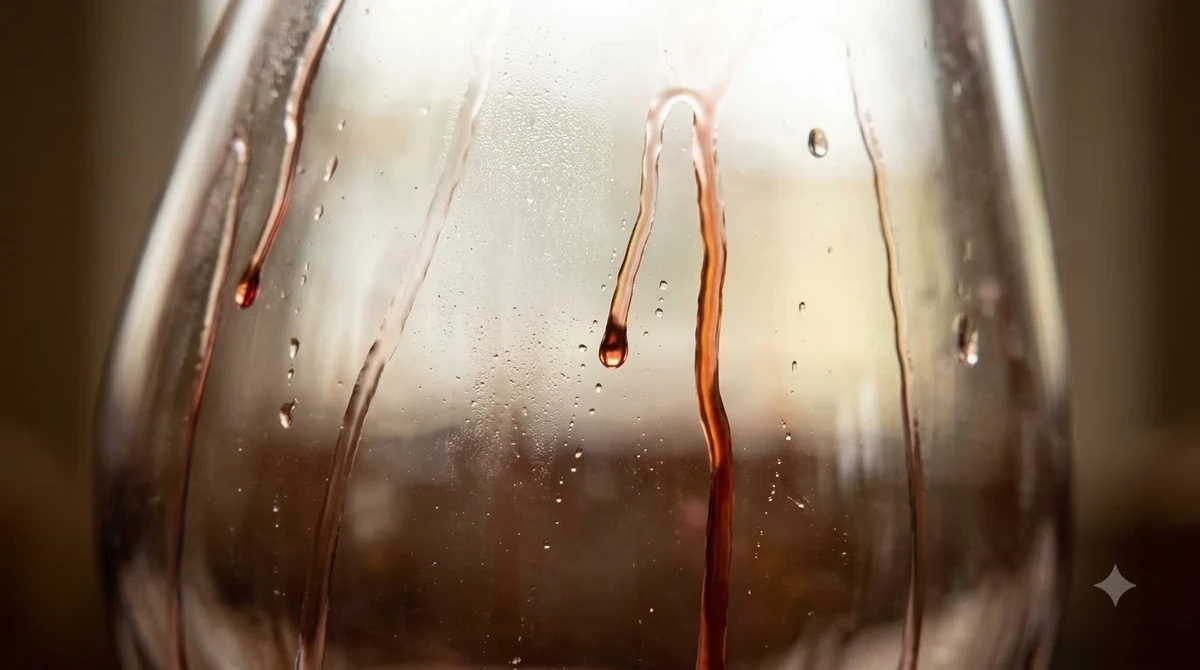
Storage matters as well. Keep the bottle lying on its side in a cool, dark place with steady temperature, since large swings can age the wine faster than intended. If you open a bottle and do not finish it, the wine will keep for a day or two with the cork replaced, though the fruit fades as it sits.
How to serve Amarone
Serve Amarone at cellar temperature, a little cooler than most reds, so the alcohol does not dominate the aromas. A large Bordeaux-style glass gives the wine room to open. Decanting an older bottle helps separate it from any sediment and lets the fruit come forward.
Because the wine is powerful and often sold in full-sized bottles, a small pour is enough, and the glass should be filled only a third of the way so the aromas gather near the rim. Leftover wine is best finished with food rather than left open for long.
Because the wine is powerful, a small pour is enough. Amarone pairs best with a slow meal rather than a quick glass before dinner, and it works well as a single bottle shared among a few people.
Food pairing with Amarone
Amarone matches rich, savory food. Braised beef, roast lamb, aged hard cheeses like Parmigiano and game dishes all stand up to its body and alcohol. The wine’s dried-fruit flavors also suit dishes with a slight sweetness, such as red-wine braises with dried fruit.
Avoid very light or delicate dishes, which the wine can overwhelm. A simple salad or fish dish usually tastes better with a lighter red or white.
Buying Amarone: what to check on the label
Look for the words “Amarone della Valpolicella” and the DOCG seal, which confirm the wine follows the regional rules. The vintage matters, because the wine’s style shifts from year to year with the weather. Producer names and the vineyard name on the back label give extra context for how the wine was made.
Many shops also carry Ripasso, a related Valpolicella style that is made by passing fresh wine over the skins left from Amarone production. It is lighter and cheaper than Amarone, so it can be a useful step toward the richer wine. Comparing the two side by side shows how much the drying process adds to the body and the dried-fruit character.
Price is not a reliable guide to quality on its own, and the cost reflects the long drying and aging process. If you are new to the style, a mid-range bottle from a well-regarded producer is a practical way to learn what Amarone tastes like before you buy something older or more expensive.
Frequently Asked Questions
Is Amarone a sweet wine?
No. Amarone is dry. Its grapes are dried before fermentation, which concentrates sugar, but the fermentation converts most of it to alcohol. The rich, raisin-like flavor can make it taste sweet even though the wine is dry.
Why is Amarone so expensive?
The grapes lose a large share of their weight during drying, so the vineyard yields less wine. The process also takes months, and the wine must age in oak for at least two years before release.
What grapes are used in Amarone?
Corvina is the main grape, usually 45 to 95 percent of the blend. Rondinella is the second grape, and other approved red varieties can make up a small share.
How long can Amarone be kept?
Well-made Amarone can age for many years, and some bottles develop for decades. Younger releases are ready to drink sooner, so check the producer’s recommended window if you plan to hold a bottle.
Amarone is a rewarding style once you understand the drying process behind it. To place it among other Italian and international reds, browse Wine by Type, or compare it with a red from a different tradition such as bobal wine. For the legal and historical background, the Amarone entry on Wikipedia covers the DOCG rules and the appassimento method in detail.
More in Wine Types & Grapes
 Zinfandel Sugar Content: Dry Red vs. White Zinfandel GramsUpdated Nov 21, 2026
 Best Zinfandel Substitute Options for Sipping and CookingUpdated Nov 21, 2026
 Zweigelt Food Pairing: Best Dishes, Cheeses, and Serving TipsUpdated Nov 21, 2026
 Zinfandel Tannins Explained: How Structure Shapes Every BottleUpdated Nov 21, 2026
 Zinfandel Sweetness Level: Dry Red vs. Sweet White Zin ExplainedUpdated Nov 21, 2026
 Xinomavro Food Pairing: Best Dishes, Styles, and Serving TipsUpdated Nov 21, 2026