

We may earn a commission when you buy through links on this page, at no extra cost to you. Learn more.
The jacquere grape is a white variety grown mainly in France’s Savoy region, where it makes light, dry, gently aromatic wines. It is a high-yielding vine that thrives on cool mountain slopes, and its wines are known for freshness and low perfume rather than rich oak or heavy fruit. Most people meet it in a glass of Vin de Savoie served beside a pot of cheese fondue.
This guide covers where the jacquere grape comes from, what its wines taste like, how it is grown, and which styles and pairings are worth trying. If you are comparing it with other white grapes, the general wine by type overview is a good starting point before you narrow down to one variety.
Where the Jacquere Grape Comes From
The jacquere grape belongs to the Savoy wine region in the French Alps, a landscape of steep valleys, limestone, and cold winters. Its origins are thought to be French, and DNA analysis points to Gouais blanc as one of its parents, a historic white variety that has produced many of the country’s older grapes. The vine has been grown in the region for a long time, and it has shaped the local identity of Savoy wines.
Plantings of jacquere rose through the 1980s and have held steady since the 1990s, with roughly 1,000 hectares, or about 2,500 acres, under vine in France. That is a modest total compared with the big international varieties, but it is a large share of the wine grown in the Alps.
Flavor and Style of Jacquere Wines
Jacquere wines are dry, light-bodied, and gently aromatic. They tend to show green apple, lemon peel, white flower, and a touch of mineral, with bright acidity that keeps the wine lively in the mouth. Because the vine is high-yielding and the wines are meant to be drunk young, they rarely show much oak or aging character. The result is a clean, refreshing glass rather than a complex one.
The wines are not especially perfumed, and that is part of the appeal for many drinkers. They work as an everyday white rather than a special-occasion bottle. Winemakers in Savoy often blend jacquere with other local grapes, and in some appellations it is the main component. Wines labeled with a commune or village name, such as Apremont, can show a little more character, but the overall profile stays light and fresh.
| Feature | Typical jacquere character |
|---|---|
| Body | Light to medium |
| Sweetness | Dry |
| Acidity | Bright and crisp |
| Aroma | Gentle, with white flower and citrus notes |
| Oak | Rarely used |
| Drink window | Best young, within a year or two of the vintage |
How the Vine Is Grown
Jacquere is a vigorous, high-yielding vine, which means growers have to manage its crop carefully to keep quality up. In a cool climate, the grapes need time to ripen fully, so the vineyard site, the training system, and the timing of harvest all matter. Steep terraces and south-facing slopes help the fruit ripen in a region where summers are short.
Because the vine can produce a lot of fruit, many producers thin the crop in the vineyard to concentrate the flavor. The grape’s natural acidity is high, which is a benefit in cool years but can make the wine taste sharp if it is picked too early. Good growers balance those two pressures, and the best examples of the variety are the ones where the harvest is timed carefully.
Where You Will Find Jacquere Wines
Most jacquere wine is made in the Savoy region, and the main appellation is Vin de Savoie, which covers a range of white, red, and sparkling styles. Apremont is a well-known village name on labels, and the grape also appears in the neighboring Bugey region. The variety has been planted in parts of Condrieu, though it is not permitted in the Condrieu appellation itself, which is famous for Viognier.
Outside France, jacquere is rarely planted, so most bottles you find will come from Savoy. If you live in a city with a good French wine selection, look for Savoy on the label. Small producers often sell directly, and their wines can be more interesting than the bulk bottlings that reach export markets.
Food Pairings for Jacquere
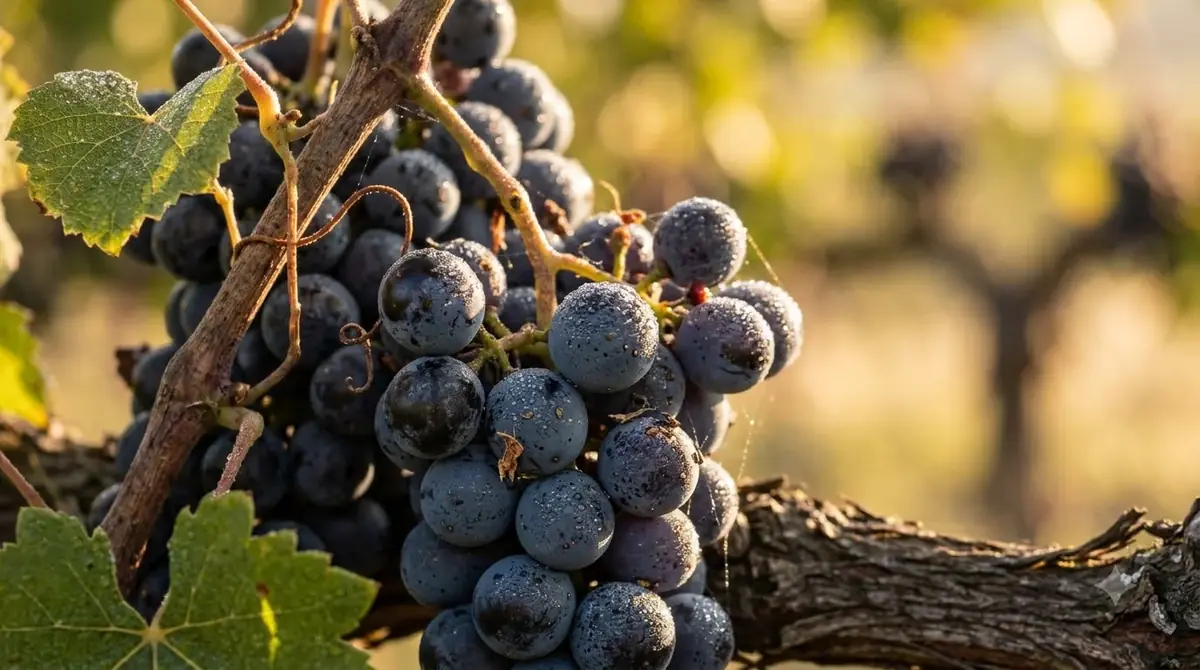
Jacquere is one of the most practical wines to pair with food because its acidity cuts through rich dishes. The classic match is cheese fondue, where the crisp wine balances the melted cheese and bread. It also pairs well with fresh goat cheese, steamed shellfish, lake fish such as trout, and green vegetables with lemon.
For a simple weeknight meal, a glass of jacquere with roast chicken, a green salad, or a plate of soft cheese works well. Because the wine is light and dry, it is a good choice for a warm evening and for people who find heavier whites too full.
Serving and Storing Jacquere
Jacquere should be served cool, not ice cold. Pouring it from the fridge for a short time before serving is usually enough, and that keeps the aromas open while the acidity stays refreshing. Use a standard white wine glass, and do not worry about decanting, since these wines are meant to be drunk fresh.
Keep unopened bottles in a cool, dark place and drink them within a year or two of the vintage for the best fruit. Once opened, a jacquere will keep for a day or two in the refrigerator with the cork replaced, though it is always best on the first evening. For general guidance on serving temperatures across white wines, the VinePair serving temperature guide explains how lighter whites are usually handled.
How Jacquere Compares With Other White Grapes
People who enjoy jacquere often also like other light, high-acid white grapes. If you want a similar crispness with a slightly different profile, consider chablis grape for its mineral edge, or cortese grape for another Italian white with a clean, lemony finish. The point of comparison is acidity and body, and jacquere sits at the lighter end of that range.
Jacquere is less aromatic than many aromatic whites, so it is a good choice for drinkers who want something refreshing without strong perfume. It shows the character of its origin rather than the flavor of a single fruit, and that is what makes it interesting to explore.
Why the Grape Matters for Savoy
For the people who make it, jacquere is more than a grape. It is part of the working landscape of the Savoy valleys, where vineyards sit on steep slopes above rivers and villages. Growers in the region have long relied on it because it ripens in a cool climate and produces a dependable crop, even in a short season. That reliability has kept it in the vineyard while more fashionable varieties have come and gone.
The wines also tie into local food traditions. A bottle of Savoy white is often opened with mountain cheese, cured meats, and dishes built around potatoes and bread. The jacquere wine is poured because it suits those foods, not because it is expected to impress on its own. That practical, food-first character is a large part of why the variety has stayed so central.
Drinkers who want to understand the grape should try a basic Vin de Savoie first, then compare it with a village wine from a different producer. The difference in style between the two bottles shows how much the vineyard site and the winemaking choices matter, even within one grape.
Frequently Asked Questions
Is the jacquere grape a red or white variety?
The jacquere grape is a white variety. It is grown mainly in the Savoy region of France and used for dry white wines, including Vin de Savoie and village wines such as Apremont.
Where is jacquere grown?
Most jacquere is grown in the Savoy region of the French Alps. It is also found in the nearby Bugey region and, in small amounts, in some vineyards that sit outside the Condrieu appellation.
What does jacquere taste like?
Jacquere tastes dry, light, and fresh, with green apple, lemon peel, and white flower notes. It has bright acidity and very little oak, so the wine is clean and easy to drink.
What food goes well with jacquere?
Cheese fondue is the traditional partner, but jacquere also suits fresh goat cheese, lake fish, shellfish, and simple roast chicken. Its acidity handles rich and creamy dishes well.
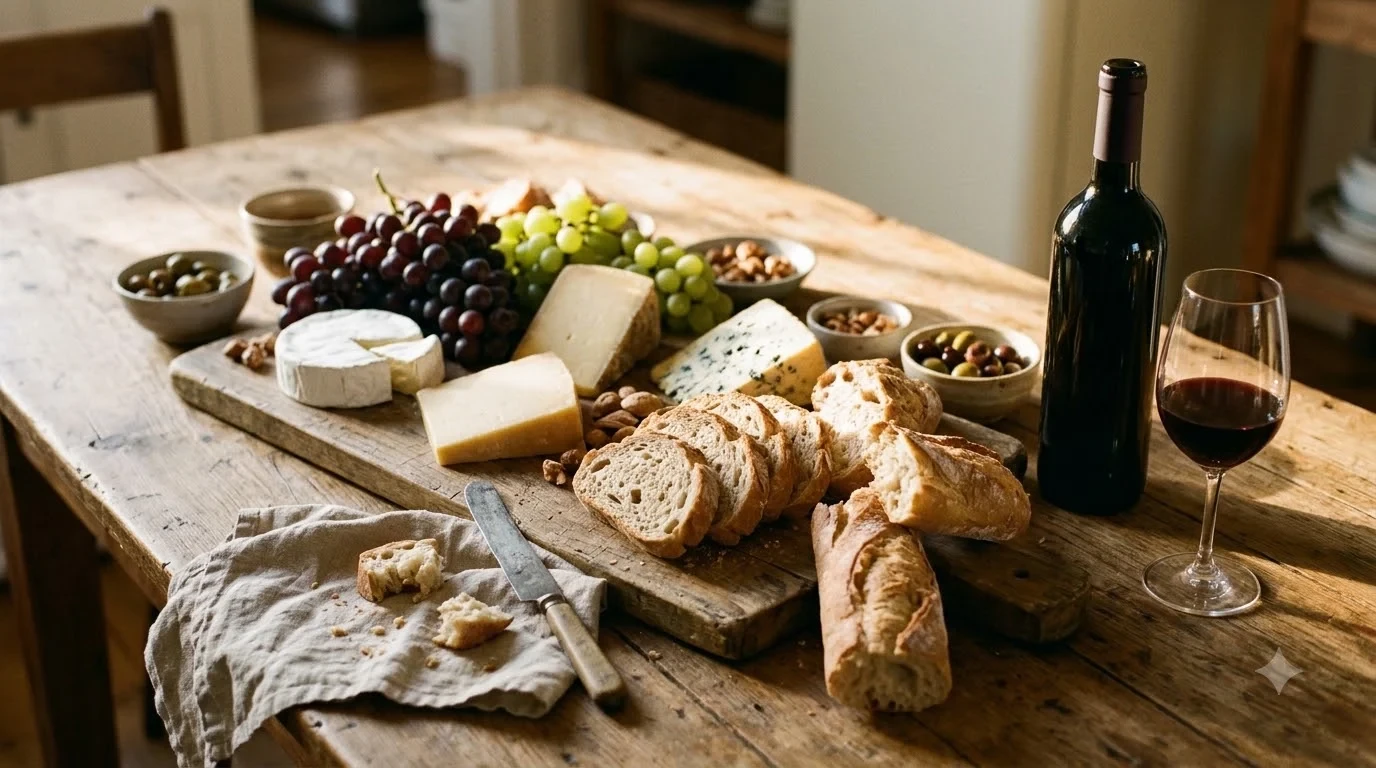
The jacquere grape rewards anyone who wants a fresh, mountain-style white with a sense of place. Start with a Vin de Savoie bottle beside a simple cheese platter, and it will show you why the variety has stayed central to its region for so long.
More in Wine Types & Grapes
 Zinfandel Sugar Content: Dry Red vs. White Zinfandel GramsUpdated Nov 21, 2026
 Best Zinfandel Substitute Options for Sipping and CookingUpdated Nov 21, 2026
 Zweigelt Food Pairing: Best Dishes, Cheeses, and Serving TipsUpdated Nov 21, 2026
 Zinfandel Tannins Explained: How Structure Shapes Every BottleUpdated Nov 21, 2026
 Zinfandel Sweetness Level: Dry Red vs. Sweet White Zin ExplainedUpdated Nov 21, 2026
 Xinomavro Food Pairing: Best Dishes, Styles, and Serving TipsUpdated Nov 21, 2026