

We may earn a commission when you buy through links on this page, at no extra cost to you. Learn more.
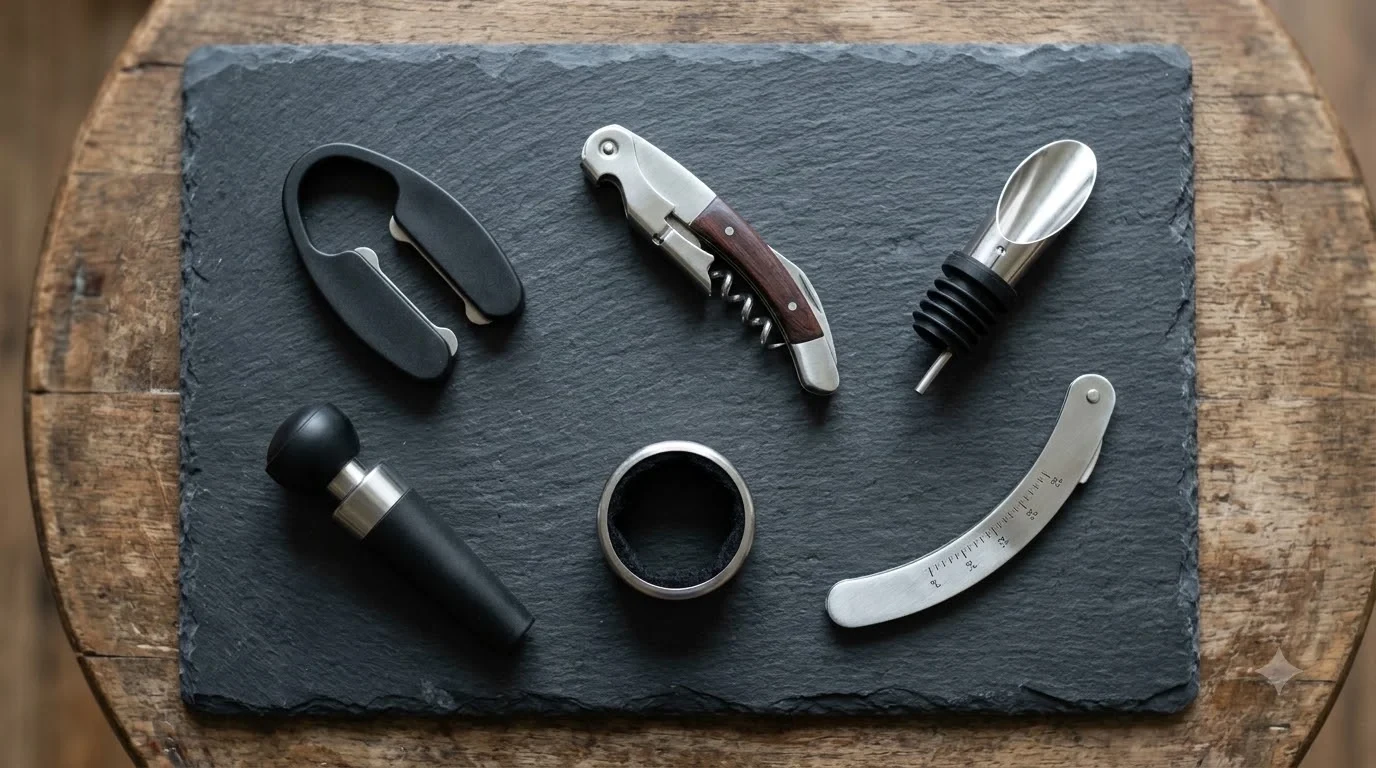
The best wine drip stopper depends on whether you prioritize clean table service, short-term bottle storage, or instant aeration while you pour. Dual-purpose silicone pourer-stoppers work well for everyday weeknight bottles that need both a clean spout and a tight fridge seal, while flexible drop-stop foil discs remain the gold standard for formal dinners and tastings. If you prefer keeping the bottle open during a long meal without replacing a cap between glasses, weighted flap spouts and felt-lined drip collars catch stray drops before they reach your tablecloth.
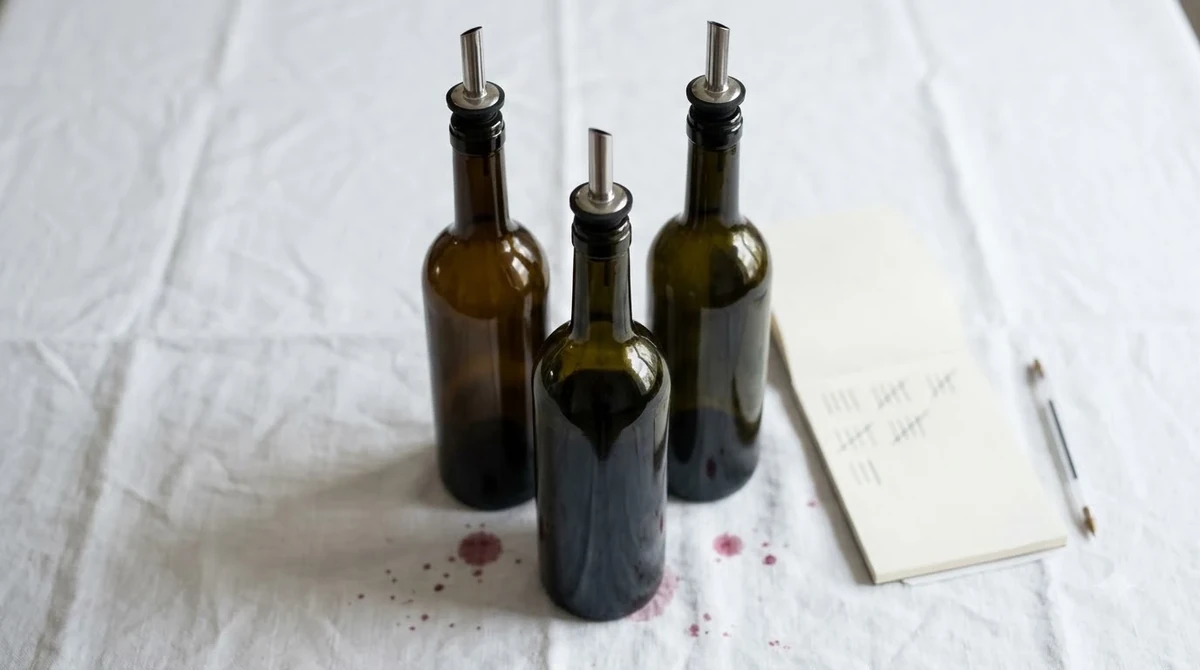
Even with a practiced wrist twist at the end of a pour—a classic sommelier technique highlighted in Wine Folly’s guide to pouring wine without dripping—a stray drop of Cabernet or Pinot Noir inevitably runs down the glass neck and stains white linens or wooden counters. A dedicated wine drip stopper solves both halves of the problem by shaping the stream during service and sealing out oxygen once the meal wraps up. Instead of stuffing a crumbling natural cork back into the neck, choosing the right style keeps your pours tidy and preserves flavor until tomorrow night.
Quick Comparison
Different drip-stopping designs balance pouring precision, oxidation protection, and bottle compatibility in distinct ways.
| Stopper Type | Primary Mechanism | Seals Bottle? | Aeration | Best Use Case |
|---|---|---|---|---|
| 2-in-1 Silicone Pourer-Stopper | Tapered spout with push-down or hinged cap | Yes (airtight) | None to minimal | Everyday weeknight bottles and fridge storage |
| Flexible Mylar Drip Disc | Curled food-grade foil inserted inside neck | No | None | Formal dinners, tastings, and BYOB travel |
| Aerating Drip-Free Pourer | Notched spout with air-intake vents | Rarely (some include caps) | High | Young, tannic red wines |
| Weighted Gravity-Flap Spout | Counterweighted lid that opens only when tilted | Light dust/bug protection | None | Patio entertaining and multi-hour dinner parties |
| Felt-Lined Bottle Collar | Metal or plastic ring worn around bottle neck | No (pair with separate stopper) | None | Protecting labels and linens without altering pour flow |
Best for Everyday Pouring and Fridge Storage: 2-in-1 Silicone Pourer-Stoppers
A 2-in-1 silicone pourer-stopper combines a tapered pouring spout with an integrated, airtight closure, making it the most practical all-around choice for casual home use. You insert the ribbed silicone base into the bottle neck once, pour cleanly through the lip, and press or flip the top closed to seal the wine for the refrigerator.
Why it stands out is pure convenience during a busy weeknight. Rather than juggling a separate pouring spout during dinner and hunting for a stopper afterward, this hybrid design stays seated in the bottle from the first glass to the last. The flexible food-grade silicone ribs compress easily to fit standard 750ml Bordeaux and Burgundy necks as well as slightly wider openings, creating a leak-resistant barrier strong enough to let you lay white or rosé bottles horizontally on a crowded refrigerator shelf without spills.
Keep in mind that because the silicone sleeve sits snugly inside the glass neck, thick-walled or irregular artisanal bottles may require a firmer twist to seat properly. Reviewers at Wine Enthusiast note that standard airtight stoppers work reliably for drinking wine the next day, though oxygen still interacts with the headspace inside a partially empty bottle. This style is best for solo drinkers or couples who split a bottle over two to three evenings and want zero clutter on their bar cart.
Best for Formal Table Service and Tastings: Flexible Mylar Drip Discs
Flexible Mylar drip discs—commonly called drop stops—are paper-thin, food-grade metallized circles that roll into a cylinder and slip halfway into the bottle neck to create a razor-sharp pouring lip. They eliminate drips by cutting the surface tension of the liquid cleanly the instant you tilt the bottle upright.
Why it stands out is its near-invisible profile and unmatched precision. Sommeliers and tasting room hosts rely on these discs because they do not alter the speed of the pour or get in the way when serving dozens of small tastes in rapid succession. Because each disc weighs almost nothing and lies completely flat when rinsed and dried, you can tuck half a dozen into a pocket, wallet, or picnic basket for effortless BYOB restaurant dining.
Keep in mind that a drip disc is strictly a pouring aid and offers zero preservation once service ends; you will still need to insert a separate stopper or cork before putting the bottle away. Thin edges can also crease if bent sharply against the glass rim, so gentle hand-washing in warm water keeps them reusable across dozens of bottles. This option is best for dinner party hosts, wine tasting groups, and travelers who want spotless tablecloths without bulky hardware.
Best for Young, Tannic Reds: Aerating Drip-Free Pourers
Aerating drip-free pourers merge a notched, spill-resistant spout with internal air-intake channels that draw oxygen into the wine stream as it travels from the bottle to your glass. They soften tight tannins and open up muted aromas immediately while keeping the outer rim of the bottle dry.
Why it stands out is speed and dual functionality. A young Cabernet Sauvignon, Syrah, or Barolo often needs an hour in a traditional decanter to shed its tight, closed-off edge, yet an aerating spout delivers noticeable softening in the seconds it takes to fill a glass. The extended acrylic or stainless-steel lip channels the liquid well clear of the bottle neck, preventing dark red streaks from running down the label onto your dining table.
Keep in mind that tiny air vents and internal chambers require thorough rinsing immediately after use so dried sediment or sugar does not clog the mechanism, and many models lack a built-in seal for overnight storage. Delicate, aged reds or crisp white wines generally do not benefit from aggressive aeration and taste better poured through a neutral spout. This category is best for red wine drinkers who want instant decanting and drip control in a single step.
Best for Patio Entertaining and Open-Bottle Buffets: Weighted Gravity-Flap Spouts
Weighted gravity-flap spouts feature a small counterbalanced lid over the tip of a stainless-steel or silicone pouring tube that swings open automatically when tilted and snaps shut the moment the bottle returns upright. They control the pour stream cleanly while shielding the open bottle between refills.
Why it stands out is hands-free operation during self-serve gatherings. When guests pour their own glasses at a backyard barbecue, holiday buffet, or brunch spread, nobody remembers to snap a cap back onto the bottle. A gravity-activated flap closes on its own after every pour, keeping fruit flies, dust, and stray debris out of the wine while cutting off the final drop before it trails down the glass.
Keep in mind that a gravity flap rests over the spout rather than compressing a rubber gasket, meaning it is not airtight and will leak if the bottle tips over or gets stored on its side. You should swap it out for a true sealing stopper if you plan to refrigerate leftover wine overnight. This style is best for outdoor hosts and casual parties where an open bottle stays on the counter for several hours.
Best for Protecting Labels and Linens Without Changing Pour Flow: Felt-Lined Drip Collars
Felt-lined drip collars are rigid stainless-steel or chrome rings fitted with an absorbent interior pad that slides over the outside of the bottle neck like a cuff. Rather than modifying the spout itself, the collar intercepts stray droplets rolling down the glass before they reach your hand, the bottle label, or the table.
Why it stands out is simplicity and universal compatibility. Because nothing enters the inside of the bottle neck, a collar never restricts pouring speed, never touches the wine itself, and works alongside any cork, screw cap, or vacuum stopper you already own. Collectors also appreciate collars for shielding fragile vintage labels from red wine stains during dinner service.
Keep in mind that the removable felt insert absorbs liquid over time and needs periodic hand-washing and air-drying to prevent staining or musty odors. A collar also does nothing to seal out air once the meal is finished, so you must pair it with a proper closure afterward. This pick is best for traditionalists who enjoy pouring directly from the glass lip and collectors browsing our Accessories Library for classic barware.
How to Choose
Start by matching the mechanism to how quickly you finish an open bottle. Because a standard 750ml bottle holds roughly five servings—see our breakdown of how many glasses in a bottle of wine if you are planning portions for a group—a household of two often leaves half a bottle for the following night. If overnight freshness is your priority, pick a 2-in-1 silicone pourer-stopper with a positive click or push-down seal rather than an open-ended spout or drip ring.
Next, check material safety and cleaning ease. Look for food-grade, BPA-free silicone, stainless steel, or clear Eastman Tritan acrylic that resists staining from heavily pigmented reds like Petite Sirah or Malbec. One-piece silicone spouts and flat Mylar discs clean up in seconds under warm running water, whereas multi-part aerators and felt-lined collars take slightly more upkeep after a party.
Finally, consider bottle neck variety. Standard still-wine bottles share similar inner diameters, but sparkling wine bottles have thicker glass walls and wider openings that require a dedicated pressure-rated Champagne sealer rather than a friction-fit drip pourer. If you are sampling small half-bottles or tasting pours from a wine advent calendar, flexible drip discs or exterior collars adapt easily to narrower necks that reject thick rubber stoppers.
Tip: Even when using a drip-free spout, finish every pour by rotating the bottle slightly as you lift it upright—combining a clean physical lip with a gentle wrist turn eliminates virtually every stray drop.
Frequently Asked Questions
Can you lay a wine bottle on its side with a drip stopper installed?
Only if you are using a 2-in-1 pourer-stopper specifically engineered with an airtight, leakproof silicone or button-lock seal. Flexible drip discs, felt collars, and weighted gravity spouts do not create a pressurized barrier and will leak immediately if placed horizontally in a refrigerator.
How long does wine stay fresh with a pourer-stopper?
A tight-fitting silicone pourer-stopper typically keeps most red and white wines tasting fresh for two to four days when stored upright in the refrigerator. Because oxygen remains trapped inside the empty space of the bottle, delicate or older wines will fade faster than full-bodied young reds.
Do wine drip stoppers work on Champagne and sparkling wine bottles?
Most drip-stopping pourers are designed exclusively for still wine and cannot withstand the internal carbonation pressure of sparkling wine. While a flexible Mylar disc or exterior drip collar can help catch foam during service, you should always seal leftover bubbly with a clamping Champagne stopper.
How do you clean reusable wine drip discs and silicone pourers?
Rinse silicone pourers, acrylic spouts, and Mylar discs with warm water immediately after dinner so red wine pigments and sugars do not dry inside narrow channels. Most solid silicone spouts are top-rack dishwasher safe, while metallized drip discs and felt-lined collars last longest when washed gently by hand and laid flat to air-dry.
Keeping wine off your linens and fresh in the fridge does not require complicated bar gadgets. Choose an airtight 2-in-1 silicone pourer-stopper for effortless weeknight convenience, or keep a pack of reusable Mylar drip discs in your drawer for spotless dinner-party service. Either option pays for itself the first time it saves a favorite shirt or tablecloth from a stubborn red wine stain.
More in Wine Accessories
 Coravin Vs Vacu Vin: Choose the Right Wine Saver for Your BottlesUpdated Nov 21, 2026
 Zwilling Wine Stopper Review: Preserve Open Bottles LongerUpdated Nov 21, 2026
 Wine Enthusiast Wine Preserver Review: Features, Benefits and LimitationsUpdated Nov 21, 2026
 Wine Enthusiast Wine Stopper: An Easier Way to Reseal Open BottlesUpdated Nov 21, 2026
 Vintorio Wine Opener: Two-Step Cork RemovalUpdated Nov 21, 2026
 Zwilling Wine Aerator Review: Aerate, Pour, and Seal With One ToolUpdated Nov 21, 2026