

We may earn a commission when you buy through links on this page, at no extra cost to you. Learn more.
Gewurztraminer grape is a pink-skinned white variety from Alsace in northeastern France, known for aromas of lychee, rose petal and sweet spice. The name comes from the German word for “spicy,” and wines made from it range from dry to very sweet. This guide explains where the grape grows, what its wines taste like, and how to serve and pair them at home.
Few white wines announce themselves as clearly as Gewurztraminer. Its perfume is strong enough that many people recognize it from across the table, and that same intensity makes it a polarizing bottle. Knowing a little about the grape before you buy helps you choose a style you will enjoy.
Where the Gewurztraminer grape comes from
Gewurztraminer is closely tied to Alsace, the narrow strip of vineyards along France’s eastern border with Germany. The grape descends from the ancient Traminer, and the Alsace producer Bestheim dates its arrival in the region to the 16th century. It grows mainly on Alsatian hillsides and does especially well on limestone soils.
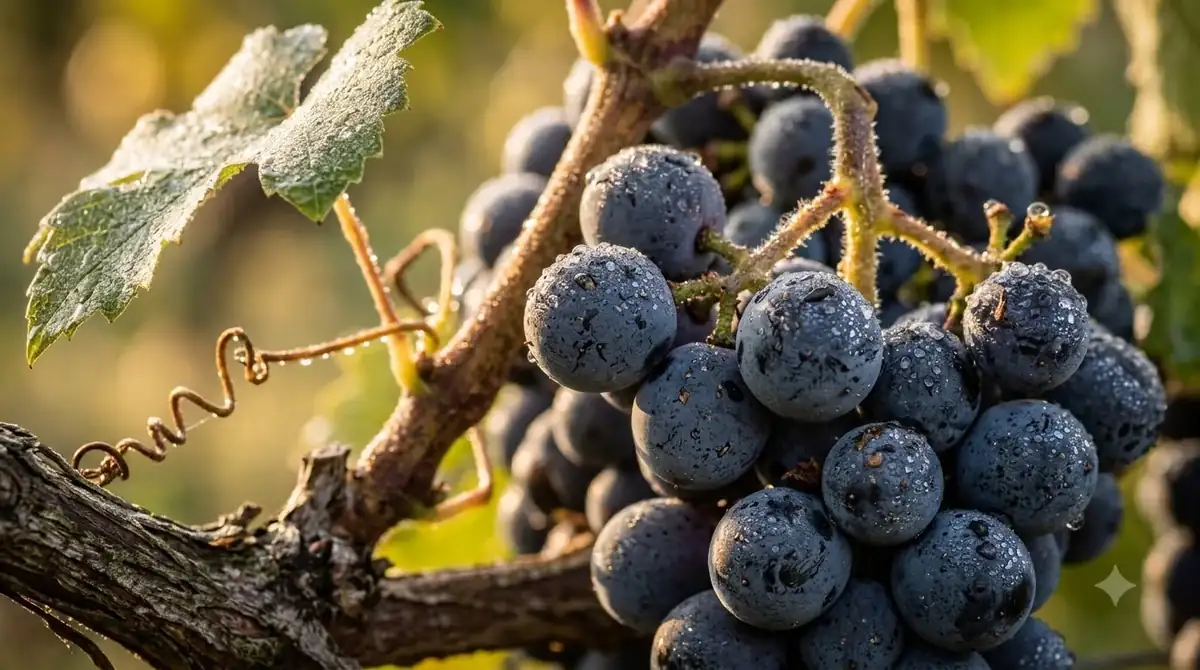
The family tree is more tangled than the name suggests. Savagnin rose, also called Traminer, is a close relative grown in Alsace under the Klevener de Heiligenstein appellation. Bestheim’s guide to the variety walks through these ties and the region’s main sites, and it is a useful starting point if you want to understand why two bottles with similar names can taste so different.
The grape’s ancestry explains part of its character. Its roots in old Traminer stock help account for the perfume, and the vines’ preference for cool, well-drained hillsides shapes how much acidity the grapes keep as they ripen. Growers in Alsace have worked with those traits for centuries.
What Gewurztraminer grape wine tastes like
Typical aromas include lychee, rose, and sweet spice. Many bottles also show mango, pineapple, rose petal, and candied fruit. Depending on the vineyard and the winemaking, some wines add notes of honey, leather, or licorice. Those aromas show up on the nose before the first sip, so a quick smell tells you a lot about what is in the glass.
The body is full and generous. Bestheim describes wines that often sit around 13 to 14 percent alcohol by volume, with moderate acidity. That balance gives the wine a round, expressive feel. Compared with a chardonnay grape wine, which often gets much of its character from oak, Gewurztraminer relies on its aromatics for personality.
| Aroma group | Common descriptors |
|---|---|
| Fruit | Lychee, mango, pineapple, candied fruit |
| Floral | Rose, rose petal |
| Spice | Sweet spice, the source of the name “gewurz” |
| Mature or savory | Honey, leather, licorice (depends on the bottle) |
If you already enjoy a pinot noir grape wine for its fragrance, Gewurztraminer may appeal for the same reason, only in a white wine. Its perfume is the main attraction, and the palate usually follows the nose rather than trying to be lean or crisp.
Tasting Gewurztraminer well means paying attention to texture as well as perfume. The wine coats the palate, and the finish often lingers on spice and fruit. If a bottle tastes flat, check the serving temperature first, since very cold wine mutes the aromas and a warm bottle can make the alcohol stand out.
Dry, off-dry, and sweet Gewurztraminer
Sweetness is the first thing to check on a Gewurztraminer label, because the style can range from dry to very sweet. The grape is harvested at full ripeness, and that ripeness produces wines with plenty of natural sugar.
Bestheim notes that the grape yields sweet or semi-dry wines, with the sugar balanced by freshness. Dry versions exist too, and they keep the aromatic profile. Sweetness varies a lot between producers, so the label and the producer’s technical sheet matter more than the grape name alone.
When you buy a dry bottle for a casual dinner, expect a fuller, more perfumed glass than a basic white. Plan the meal around that intensity, with a dish that has some richness, and the wine will feel balanced rather than loud.
Late-harvest wines, labeled Vendanges Tardives, come from very ripe grapes, sometimes affected by noble rot and sometimes not. Sélection de Grains Nobles, or SGN, is the most concentrated style. According to Bestheim, grapes affected by noble rot are sorted individually for SGN, and the wine is made only about once a decade. If you are unsure which style to buy, ask the shop staff for the sweetness level before you commit.
How to serve Gewurztraminer and how long to keep it
Serve Gewurztraminer slightly chilled, not ice cold, so the aromas stay open. A large, slightly flared white wine glass gives the nose room to show lychee and rose.
A wider bowl also helps the aromas gather, though the shape matters less than the temperature. A short time in the refrigerator is usually enough to bring a bottle to the right temperature.
Gewurztraminer also keeps well if you store it properly. Lay unopened bottles on their side, away from light, in a spot around 12 to 14°C (54 to 57°F). Bestheim’s cellaring guidance is a useful reference for how long each style will hold.
Aging potential by Gewurztraminer style
Not every Gewurztraminer is meant for the cellar, and the drinking window depends on the style. Bestheim gives a clear range for its own Alsace bottlings, and the rough pattern holds for the wider category: lighter dry styles are best younger, while late-harvest and SGN wines can develop for many years.
| Style | Typical drinking window (per Bestheim) |
|---|---|
| Dry Alsace style | 3 to 5 years |
| Grand Cru style (limestone or sandstone sites) | 5 to 10 years |
| Vendanges Tardives | 10 to 20 years |
| SGN | More than 20 years |
Cellaring a Gewurztraminer is a judgment call rather than a fixed date. Bottles with lower acidity can fade sooner, so check each vintage and open it when it tastes right instead of waiting on a calendar.
Food pairings for Gewurztraminer
Gewurztraminer is a classic partner for spicy and exotic cooking. Bestheim recommends it with Thai, Indian, and tagine dishes, which share bold seasoning and a little sweetness. The wine’s aromatic intensity can stand up to these flavors where lighter whites would fade.
The match works because the perfume and sweetness of the wine can soften chili heat and warm spice. Pair it with a dish that has some fat or richness, such as a coconut curry or slow-braised pork, and the wine will feel balanced rather than loud.
Strong cheeses also work well, especially Munster or blue cheese. Foie gras is another traditional match. For dessert, fruit-based sweets such as apricot, mango, and exotic fruit tarts pair naturally, as do spiced desserts.
Avoid pairing a dry Gewurztraminer with very sweet food, since the wine can taste thin by comparison. A sweeter bottle, by contrast, needs a dessert with some sharpness or richness to balance it.
Tip: Try one bottle with a spicy takeout dish and another with a plate of Munster. The difference in how the wine reads will teach you more than any label.
Frequently Asked Questions
How do you pronounce Gewurztraminer?
Most English speakers say something close to “guh-VURTS-truh-meen-er.” The German spelling has an umlaut, but many labels drop it, and both forms refer to the same grape.
Is Gewurztraminer always sweet?
No. The grape can produce sweet, semi-dry, and dry wines, so sweetness depends on the producer and the style. Check the label or the producer’s sheet if sweetness matters to your meal.
What does Gewurztraminer taste like?
Most bottles show lychee, rose, and sweet spice, often with tropical fruit. The body is full and the acidity moderate, so the wine feels rounder than many crisp whites.
Can Gewurztraminer be cellared?
Yes. Lighter dry styles are best within a few years, while Vendanges Tardives and SGN can develop for a decade or more. Store bottles on their side, away from light and heat, and follow the producer’s guidance for each style.
Gewurztraminer rewards a little curiosity. Start with one dry bottle and one sweeter bottle, and note how each pairs with your favorite food. For more grape and style comparisons, see the Wine by Type guide.
More in Wine Types & Grapes
 Zinfandel Sugar Content: Dry Red vs. White Zinfandel GramsUpdated Nov 21, 2026
 Best Zinfandel Substitute Options for Sipping and CookingUpdated Nov 21, 2026
 Zweigelt Food Pairing: Best Dishes, Cheeses, and Serving TipsUpdated Nov 21, 2026
 Zinfandel Tannins Explained: How Structure Shapes Every BottleUpdated Nov 21, 2026
 Zinfandel Sweetness Level: Dry Red vs. Sweet White Zin ExplainedUpdated Nov 21, 2026
 Xinomavro Food Pairing: Best Dishes, Styles, and Serving TipsUpdated Nov 21, 2026