

We may earn a commission when you buy through links on this page, at no extra cost to you. Learn more.
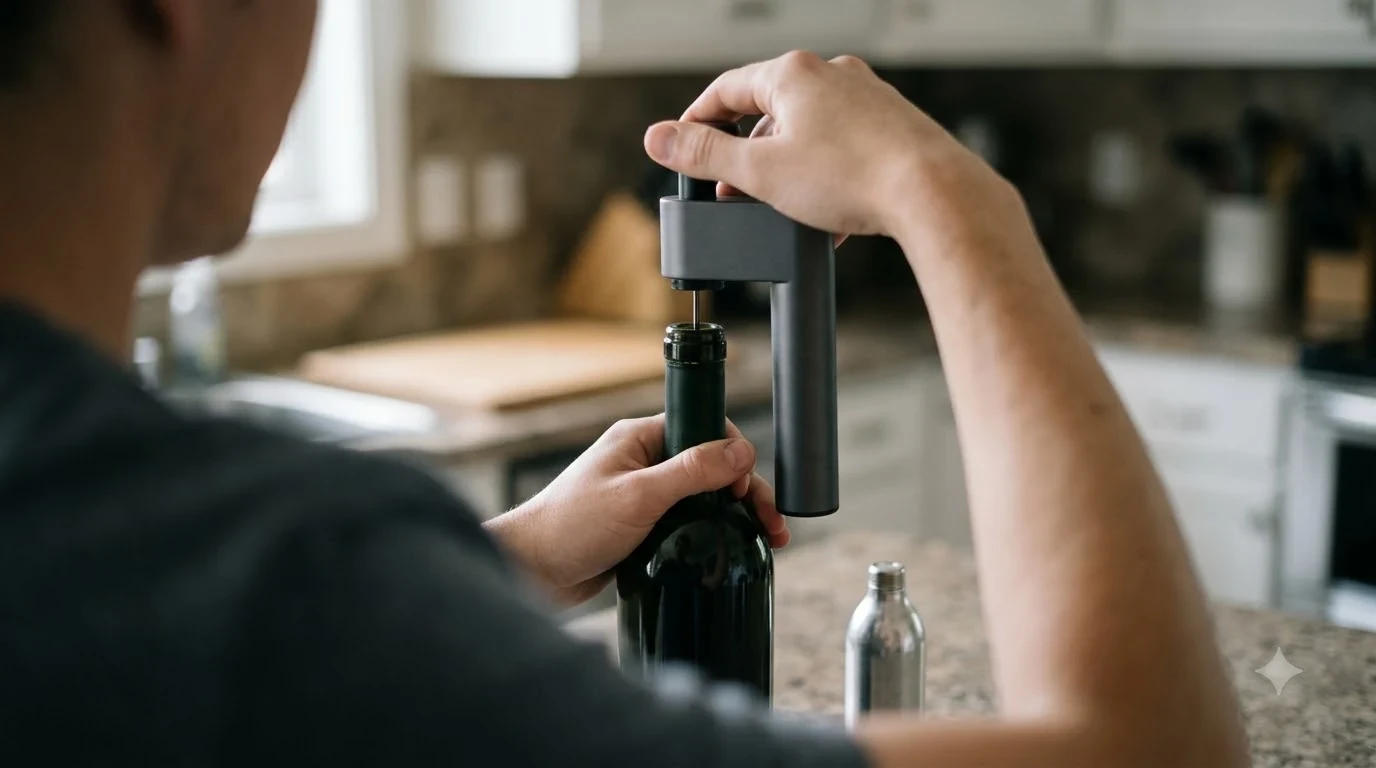
The best wine preserver spray for most home wine drinkers is a 100% pure argon canister paired with an airtight bottle stopper, because argon is significantly denser than air and sinks directly onto the wine’s surface to block oxygen. Multi-gas blends combining argon, nitrogen, and carbon dioxide offer the highest spray count per dollar for casual multi-bottle use, while compact travel canisters, nitrogen-forward sprays, and stopper-bundled kits each solve specific storage habits. Choosing the right format comes down to how quickly you finish an open bottle and whether you already own reliable resealing stoppers.
Once a cork is pulled or a screw cap is twisted off, oxygen immediately begins converting ethanol into acetaldehyde, flattening bright fruit aromatics and eventually turning crisp wine dull or vinegary. While mechanical vacuum pumps pull out only part of the headspace air, aerosol preservation sprays flood the bottle neck with food-grade inert gases used in commercial wineries—an approach widely recognized across wine preserver systems as one of the simplest ways to protect leftover pours without bulky hardware.
Quick Comparison
Different aerosol wine preservers vary by gas composition, canister capacity, and included sealing accessories, so matching the spray style to your pouring habits makes a noticeable difference in freshness.
| Spray Type | Gas Composition | Typical Freshness Window | Best Use Case | Requires Separate Stopper? |
|---|---|---|---|---|
| 100% Pure Argon Canisters | Pure food-grade argon | 1 to 3 weeks | Slow drinkers and delicate or age-worthy bottles | Yes, unless bundled |
| Argon-Nitrogen-CO2 Blends | Argon, nitrogen, and carbon dioxide | 5 to 14 days | Everyday weeknight pours and high spray count | Yes |
| Spray + Stopper Combo Kits | Pure argon or argon-rich blend | 1 to 3 weeks | First-time buyers lacking airtight bottle stoppers | No (included) |
| High-Capacity Pro Canisters | Pure argon or multi-gas blend | 1 to 3 weeks | Frequent entertainers, tasting flights, and spirits | Yes |
| Compact Travel Canisters | Pure argon | 1 to 2 weeks | Vacations, BYOB dinners, and weekend trips | Usually yes |
Best for Maximum Oxygen Protection: 100% Pure Argon Sprays
Pure food-grade argon sprays deliver the heaviest, most stable protective gas blanket available in an aerosol can, making them the gold standard for extending still wine freshness.
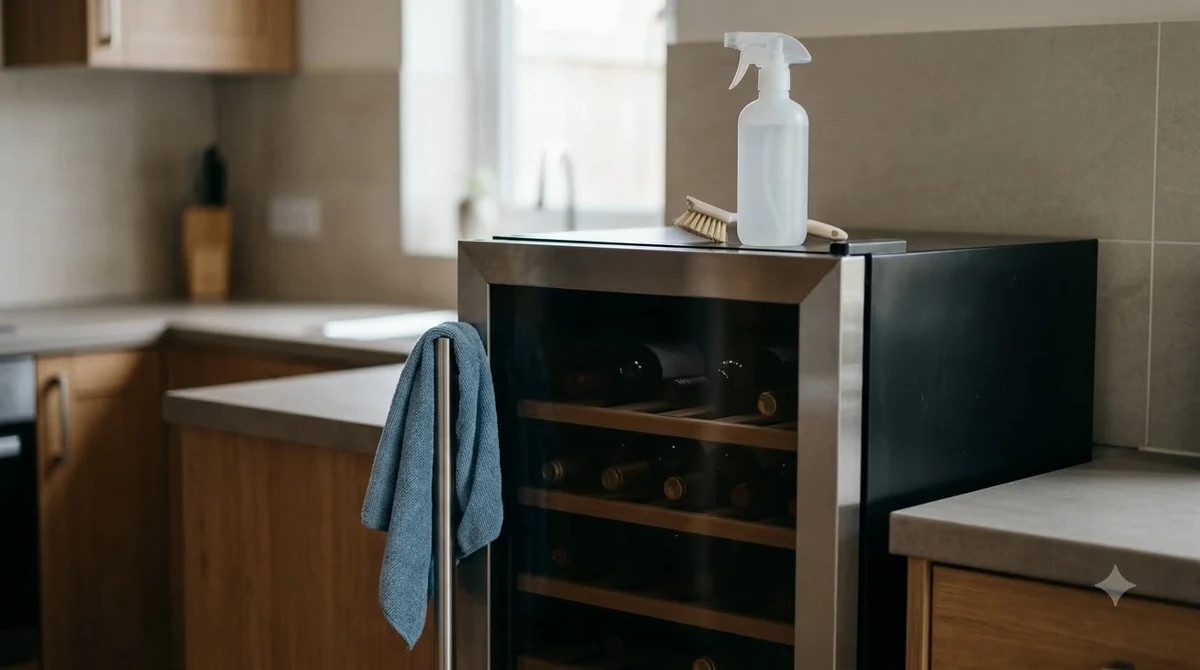
Why it stands out: According to physics data cited by winemaking suppliers and Wine Enthusiast, inert gases used in preservation must be denser than ambient air to shield wine from oxygen effectively. At roughly 1.78 grams per liter, argon is about 38 percent denser than air and substantially heavier than both oxygen and nitrogen. Instead of mixing into the air inside the bottle neck, a one- to two-second burst through a thin extension straw sinks straight down to rest on the liquid’s surface. In blind comparative trials reported by Decanter, inert gas blanketing kept opened bottles noticeably fresher than standard recorking or vacuum pumping alone. If you appreciate the performance of needle-based argon wine preserver devices but want an affordable countertop spray, pure argon canisters offer the closest chemical protection.
Keep in mind / Best for: Because pure argon canisters typically hold enough compressed gas for around 40 two-second applications, heavy wine drinkers who spray multiple bottles every night will empty a can faster than with larger multi-gas cylinders. They also require you to reinsert the original cork or a snug silicone stopper immediately after spraying so drafts do not disturb the gas layer. This category is best for solo glass-a-night drinkers and anyone opening special reds or aromatic whites over one to three weeks.
Best for Everyday Value & High Capacity: Multi-Gas Blend Sprays
Canisters formulated with a proprietary blend of argon, nitrogen, and carbon dioxide provide generous spray counts for households that open several bottles each week.
Why it stands out: Combining argon with food-grade nitrogen and carbon dioxide allows manufacturers to pack roughly 100 to 120 short bursts into a single lightweight aerosol canister. When sprayed into the bottle through the attached straw, the heavier argon and carbon dioxide components settle toward the wine surface while nitrogen helps flush lighter ambient air out through the neck. Reviewers at major wine publications have long noted that multi-gas sprays work reliably not only on still red and white wines, but also on fortified bottles like port and sherry, as well as fine cooking oils and vinegars that turn rancid when exposed to air.
Keep in mind / Best for: Nitrogen has a density close to ambient air, meaning a multi-gas blend relies on rapid recorking to prevent the lighter gases from diffusing out of the bottle. You should also avoid heavy doses of carbon dioxide-rich sprays on delicate, low-acid still whites if you are sensitive to the faintest hint of dissolved CO2, though a brief one-second spritz rarely affects texture. Choose this type if you want maximum applications per canister for casual weeknight bottles finished within five to fourteen days.
Best for Beginners & Screw-Cap Bottles: Spray and Stopper Combo Kits
Spray and stopper combo kits pair a pressurized argon canister with one or more universal rubber or silicone stoppers so you never struggle to reseal an opened bottle.
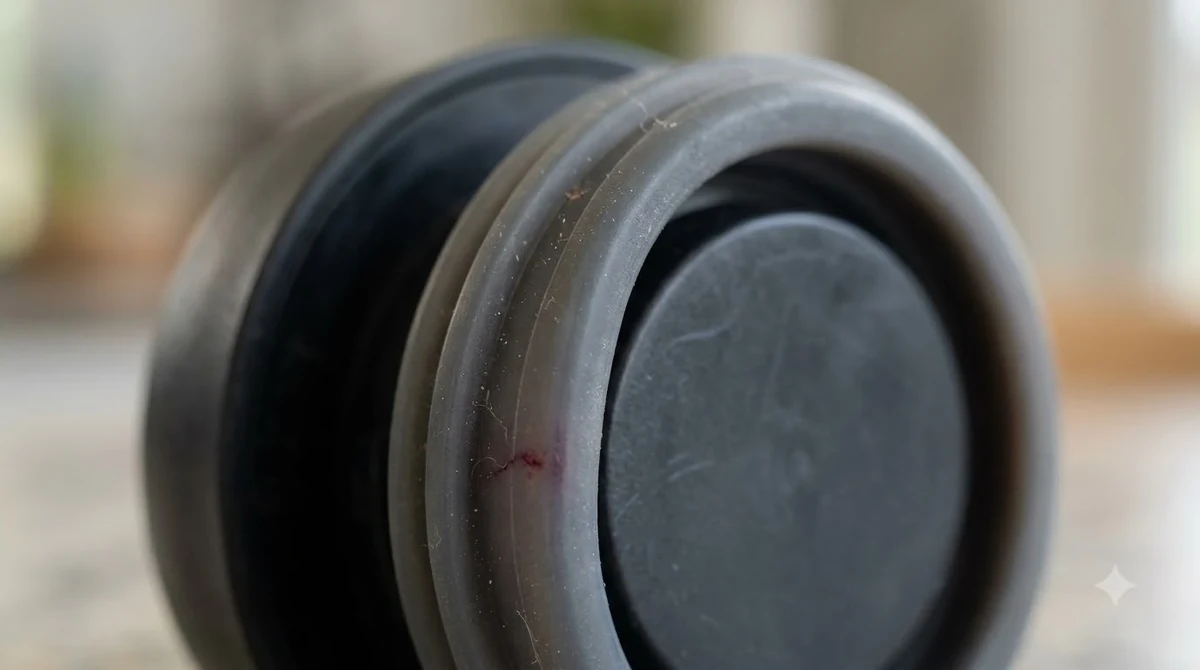
Why it stands out: Even the purest argon blanket fails if the bottle closure leaks air when moved around the refrigerator door. Re-jamming a swollen natural cork backward or relying on a bent metal screw cap often leaves microscopic air channels that allow oxygen to creep back in. Bundled kits solve this problem right out of the box by including tapered, food-grade silicone or expanding stoppers engineered to lock tightly into standard 750-milliliter necks. Having a dedicated stopper dedicated solely to gas-preserved bottles also prevents cork crumbs or stained cork ends from contaminating your remaining wine.
Keep in mind / Best for: Combo packs usually include only one or two stoppers, so households with three or four open bottles in the fridge simultaneously will still need extra closures from a dedicated Preservation & Stoppers collection. Additionally, standard universal stoppers fit regular still-wine bottlenecks and will not clamp onto thick-lipped sparkling wine bottles under pressure. These kits are best for first-time buyers, gift shoppers, and anyone who frequently buys screw-cap wines whose factory caps no longer seal tightly after breaking the tamper ring.
Best for Entertaining & Multi-Bottle Cellars: High-Volume Pro Canisters
Oversized commercial-style argon canisters hold significantly more compressed gas than standard countertop cans, delivering up to 150 applications for frequent hosts and collectors.
Why it stands out: Standard consumer aerosol cans can feel deceivingly light, making it hard to tell when you are down to your last few sprays right in the middle of a dinner party. High-volume pro canisters pack extra liters of 100 percent food-grade argon into a taller, reinforced aluminum cylinder with a precision trigger nozzle and extended delivery tube. The higher gas volume lets you dispense a confident, full-coverage blanket across wide-shouldered Burgundy bottles, magnums, and even half-empty decanters without worrying about rationing every half-second burst.
Keep in mind / Best for: Taller pro canisters take up more vertical height in a kitchen drawer or bar cart, and their slender plastic extension tubes can bend if tossed loosely under heavy bar tools. Because the canister itself is still non-refillable once empty, you will want to keep a backup cylinder on hand if you host tasting groups regularly. This style is best for wine enthusiasts who open multiple bottles for side-by-side tastings, home bartenders preserving vermouth and amari, and collectors looking for a high-yield alternative to cartridge-based systems.
Best for Travel & On-the-Go Pours: Compact Travel-Size Sprays
Pocket-sized preservation canisters shrink the standard inert-gas system down to a slim cylinder built for weekend getaways, vacation rentals, and restaurant BYOB nights.
Why it stands out: Full-sized aerosol cans are awkward to pack in a wine tote and easy to leave behind at a friend’s house. Travel-size canisters deliver roughly 15 to 25 doses of pure argon in a compact, lightweight tube that slips easily into a padded wine carrier alongside a waiter’s corkscrew. Having inert gas on hand while traveling lets you enjoy a single glass of a special bottle at a vacation cabin or hotel room and safely pack the resealed bottle upright for the drive home without rapid oxidation sloshing air into the wine.
Keep in mind / Best for: Because compressed aerosol canisters are pressurized vessels, check current airline and TSA regulations before packing any gas spray in carry-on or checked luggage—these mini canisters are meant primarily for road trips, camping, and local dining. Their smaller capacity also means a higher cost per spray than full-sized cans if used daily at home. Pick a compact canister if you frequently travel by car with wine or want an unobtrusive cylinder to keep inside a picnic basket.
How to Choose
Selecting the right wine preserver spray comes down to four practical factors that directly affect how well the gas barrier holds up between pours:
- Gas Purity and Density: Look at the ingredient label before buying. Canisters containing 100 percent argon create the heaviest, longest-lasting barrier against oxygen. Blends of argon, nitrogen, and carbon dioxide still work well for short-term storage and usually offer more sprays per can, whereas pure nitrogen sprays dissipate faster unless the bottle is sealed immediately and kept completely still.
- Bottle Headspace and Fill Level: A one-second spray works easily when a bottle is two-thirds full, because the narrow neck requires very little gas to displace the air. Once a bottle drops below the halfway mark and widens out toward the base, you need a slightly longer two- to three-second burst to blanket the wider surface area.
- Closure Quality: Gas sprays only displace oxygen; they do not seal the bottle. Always pair your spray with an undamaged natural cork inserted stained-side down, a tight-fitting silicone wine stopper, or an intact screw cap.
- Storage Temperature: Inert gas slows oxidation at the liquid’s surface, while cold temperatures slow down chemical reactions throughout the entire bottle. Store sprayed white, rosé, and red wines upright in the refrigerator—just let reds warm up on the counter for 20 to 30 minutes before pouring your next glass.
Tip: Always store sprayed wine bottles upright rather than on their sides. Laying a bottle horizontally spreads the wine across a much wider surface area inside the glass and mixes the protective argon blanket back into the remaining headspace air.
Frequently Asked Questions
How long does wine last after opening when using a preserver spray?
When blanketed with pure argon gas, tightly resealed, and stored upright in the refrigerator, most still red and white wines stay fresh for one to three weeks. Multi-gas blends typically keep everyday bottles tasting vibrant for five to fourteen days, depending on how much wine remains in the bottle. For a closer look at baseline timelines without gadgets, see our guide on how long does wine last after opening.
Is wine preserver spray gas safe and does it change the flavor of the wine?
Food-grade argon, nitrogen, and carbon dioxide are completely non-toxic, odorless, colorless, and chemically inert, meaning they will not react with the wine or alter its aroma and taste. Commercial winemakers routinely use these exact same gases to flush tanks and barrels during bottling. Once you pour a preserved glass, the inert gas simply dissipates harmlessly into the surrounding room air.
Can you use wine preserver spray on Champagne or sparkling wine?
No, standard aerosol wine preserver sprays are designed for still wines rather than Champagne, Prosecco, or Cava. Sparkling wine loses freshness primarily because dissolved carbon dioxide escapes from the liquid, not just from surface oxidation, and a gentle aerosol spritz cannot pressurize the bottle. For bubbly, use a dedicated clamp-style sparkling wine stopper that locks onto the bottle lip to trap internal pressure.
How can you tell when a wine preserver spray can is empty?
Because compressed inert gases are weightless to the hand, a brand-new canister feels virtually identical in weight to an empty one. The easiest way to check remaining gas is to insert the straw tip just below the surface of a glass of water and press the nozzle briefly; if bubbles appear, the can still has pressure. Keep a faint tally of bottles sprayed, as most standard cans deliver between 40 and 120 bursts depending on the blend.
Whether you opt for a pure argon cylinder to protect prized cellar bottles or a high-count multi-gas spray for Tuesday night pours, inert gas blanketing eliminates the pressure to finish an open bottle in one sitting. Pair your spray with a snug stopper and upright refrigerator storage, and every leftover glass will taste remarkably close to the first pour.
More in Preservation & Coravin
 Coravin Model Eleven Review: Preserve Wine Without Opening BottlesUpdated Nov 20, 2026
 Is Coravin Worth It? A Practical Guide to Its Real ValueUpdated Nov 20, 2026
 Coravin Timeless Six: Pour a Glass Without Opening the BottleUpdated Nov 20, 2026
 Coravin Pivot Plus Review: Keep Open Wine Fresh for WeeksUpdated Nov 20, 2026
 Coravin Screw Caps Review: Specs, Lifespan, and Real-World PreservationUpdated Nov 20, 2026
 Coravin Alternatives That Keep Open Wine Fresh LongerUpdated Nov 21, 2026