

We may earn a commission when you buy through links on this page, at no extra cost to you. Learn more.
A St Germain spritz recipe combines St-Germain elderflower liqueur, chilled Prosecco, and club soda over crushed ice, finished with a lemon slice and fresh mint. The drink is light, floral, and only lightly sweet, which is why it has become a common choice for an early evening glass. Once you know the ratio, it takes less than two minutes to build and needs no special equipment beyond a tall glass and a spoon.
This guide walks through the ingredients, the method, and the small choices that change how a St Germain spritz tastes. It also covers how the drink relates to other spritzes, what to serve alongside it, and the questions people ask most often before they make their first one at home.
What Goes Into a St Germain Spritz
A St Germain spritz is built from three parts. The first is the liqueur itself. St-Germain is made from elderflower blossoms, and recipe guides describe the liqueur as delicate and floral, with a sweet and refreshing aroma. That floral note is the reason the drink tastes lighter than a cocktail built on a spirit. The second part is the sparkling wine, usually Prosecco, which adds dryness, fine bubbles, and a crisp finish. The third is club soda, which lengthens the drink and lowers the overall sweetness without adding flavor of its own.
Most published versions follow a similar ratio, though the exact amounts vary from one recipe to the next. One widely shared version, from a St-Germain spritz recipe guide, uses exactly 2 oz of liqueur, 3 oz of chilled Prosecco, and 1 oz of club soda over crushed ice. The table below shows a typical build for one tall glass and the role each ingredient plays.
| Ingredient | Typical amount | What it adds |
|---|---|---|
| St-Germain elderflower liqueur | 2 oz | Floral, honeyed sweetness and the drink’s signature aroma |
| Chilled Prosecco | 3 oz | Dry body, bubbles, and a crisp finish |
| Club soda | 1 oz | Length and a lighter overall texture |
| Crushed ice | To fill the glass | Keeps the drink cold without diluting it too quickly |
| Lemon slice and mint | 1 slice, a few sprigs | Bright citrus and a fresh herbal lift |
Recipes that use a little more soda or a little less Prosecco are common, and both versions are reasonable. If you prefer a drier glass, move the balance toward Prosecco. If you want the elderflower to stand out, keep the liqueur at two ounces and reduce the sparkling wine by a half ounce.
Step-by-Step Method for the Perfect Glass
The method is simple, but a few details make a noticeable difference. Start with a tall glass rather than a wide coupe, because the drink is meant to stay bubbly and cold for a long time. Crushed ice chills the glass faster than cubes and gives the spritz its characteristic look.
Pour the liqueur over the ice first, then stir gently for a few seconds. This brief stir chills the liqueur before the sparkling ingredients go in and keeps the bubbles from collapsing too fast. Top the glass with the Prosecco, then add the club soda last so it floats gently on the surface. Finish with a lemon slice pressed against the glass and a sprig of mint, which releases its aroma when you bring the glass to your lips.
- Fill a tall glass with crushed ice.
- Pour in 2 oz of St-Germain and stir briefly to chill it.
- Top with 3 oz of chilled Prosecco.
- Add 1 oz of club soda and stir once, gently.
- Garnish with a lemon slice and a sprig of fresh mint or another herb.
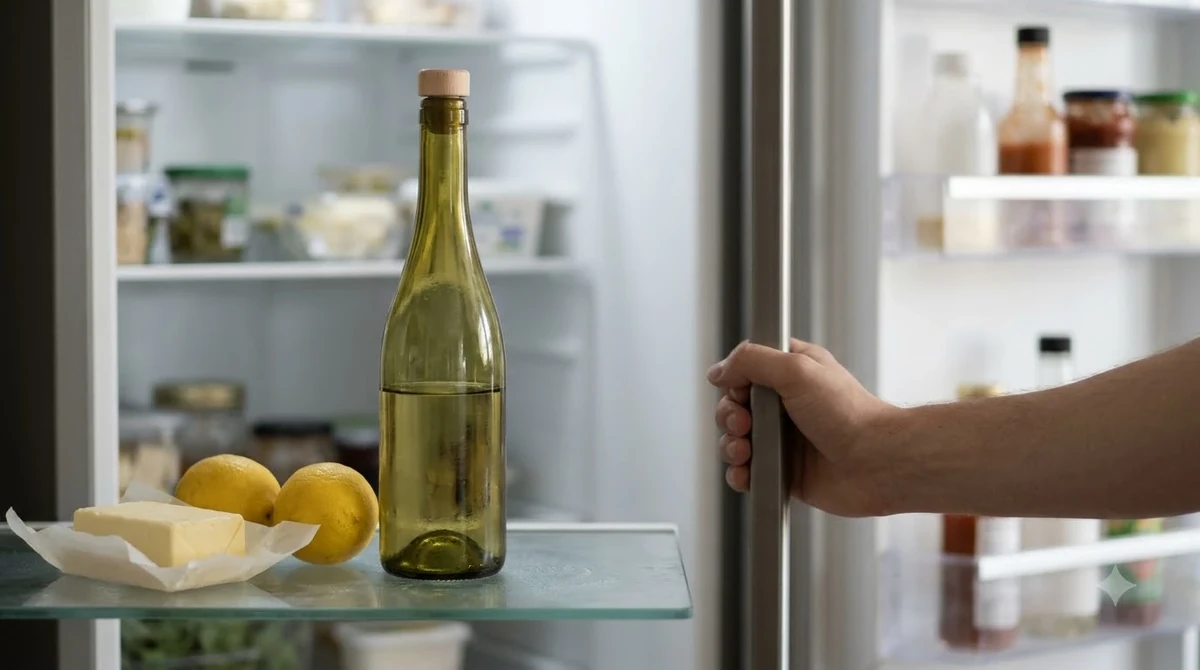
Chilling every ingredient before you start is the single most useful habit. Warm Prosecco loses its bubbles quickly, and warm liqueur dulls the floral notes. Keep the bottles in the refrigerator, and use ice that is still firm when you pour.
What St-Germain Tastes Like
St-Germain is sweet, but its sweetness reads as floral and honeyed rather than sugary. Drinkers often describe pear, lychee, and a faint citrus character, though the exact profile depends on the batch and the palate of the taster. In a spritz, those notes sit on top of the wine rather than competing with it, which is why the drink still tastes clean even though it contains a sweet element.
The lemon and mint garnish matter more than they seem. Lemon adds acidity that balances the liqueur, and mint adds a green aroma that frames the elderflower. Without the citrus, the glass can taste overly soft. Without the herb, the floral character can feel one-dimensional. Using both is a simple way to make the drink feel balanced.
Choosing the Right Prosecco and Soda
Prosecco is the most common sparkling wine in this drink because it is typically fruity, fresh, and light-bodied. A brut or extra dry style works well, since a sweeter Prosecco can push the glass into dessert territory. A dry sparkling wine from another region, such as a Cava or a simple sparkling white, can also work, but it will change the balance slightly.
Club soda is the best choice for this drink because it adds bubbles without sweetness. Tonic water is not a good substitute, because its quinine bitterness and sugar overpower the elderflower. Plain sparkling water is acceptable if you want a more neutral glass, although it produces a flatter texture than club soda.
How the St Germain Spritz Compares With Other Spritzes
The St Germain spritz belongs to a family of Italian-style spritzes built on sparkling wine and a bittersweet or aromatic addition. It is closest to the Hugo spritz, which uses elderflower liqueur and often adds mint and lime. The main difference is proportion: a Hugo tends to use less liqueur and more soda, so it feels drier and more herbal. The St Germain version is slightly richer and more floral. If you want a more traditional bitter edge, an Aperol spritz recipe is a different direction, and a limoncello spritz recipe leans toward citrus and sweetness.
Each of these drinks follows the same logic: a sparkling base, a flavored liqueur, and a splash of soda. Once you understand the ratio, you can swap the liqueur to match the season or the food you plan to serve. The St Germain spritz is simply the most floral member of the group.

Serving Ideas and Food Pairings
The spritz suits light food. Its floral sweetness pairs well with fresh cheeses, cucumber sandwiches, shrimp, and salads that include citrus or soft herbs. It also works with lightly spiced appetizers because the bubbles cut through richness. Avoid heavy, smoky, or very salty dishes, which can flatten the elderflower.
For more ideas on matching drinks with meals, the Wine Recipes & Cocktails section covers the kinds of food that suit sparkling and aromatic drinks. A good rule is to match the lightness of the spritz with food that is fresh and not too heavy.
Frequently Asked Questions
Can I make a St Germain spritz without Prosecco?
Yes. A dry sparkling wine such as Cava or a simple sparkling white works in the same role. You can also use plain club soda or sparkling water for a non-alcoholic version, but the drink will be lighter and less complex without the wine.
Is a St Germain spritz strong?
It is generally considered a light drink. The sparkling wine and soda dilute the liqueur, so the glass is far gentler than a cocktail built on a spirit. The strength still depends on the amounts you use, so measure the liqueur and the wine rather than pouring freehand.
What is the difference between a St Germain spritz and a Hugo spritz?
Both use elderflower liqueur and sparkling wine. A Hugo spritz usually adds mint and lime and uses more soda, which makes it drier and more herbal. A St Germain spritz is built with a larger share of liqueur and a lemon garnish, so it tastes softer and more floral.
How long does the drink stay fresh once it is made?
A spritz is best served immediately because the bubbles fade over time. If you are preparing several glasses for a gathering, pour the liqueur over ice in each glass ahead of time and add the Prosecco and soda just before serving to keep the texture lively.
A St Germain spritz is one of the easiest ways to bring a floral, refreshing drink to the table. Start with the classic ratio, taste it, and adjust the Prosecco or soda to suit your preference. Once the base feels right, you can explore related spritzes and pair them with simple, fresh food.
More in Food & Wine Pairing
 Risotto With White Wine Recipe: Make a Creamy Dinner at HomeUpdated Nov 20, 2026
 Wassail With Wine Recipe for a Festive Spiced Holiday DrinkUpdated Nov 20, 2026
 Spritz Veneziano Recipe: Make a Classic Venetian Aperitivo at HomeUpdated Nov 20, 2026
 Summer Wine Punch Recipe for Easy Homemade EntertainingUpdated Nov 20, 2026
 Bishop Recipe: How to Make a Bright, Citrus-Forward Red Wine CocktailUpdated Nov 20, 2026
 Wine Cupcakes Recipe: Bake Rich Chocolate Cupcakes at HomeUpdated Nov 20, 2026