

We may earn a commission when you buy through links on this page, at no extra cost to you. Learn more.
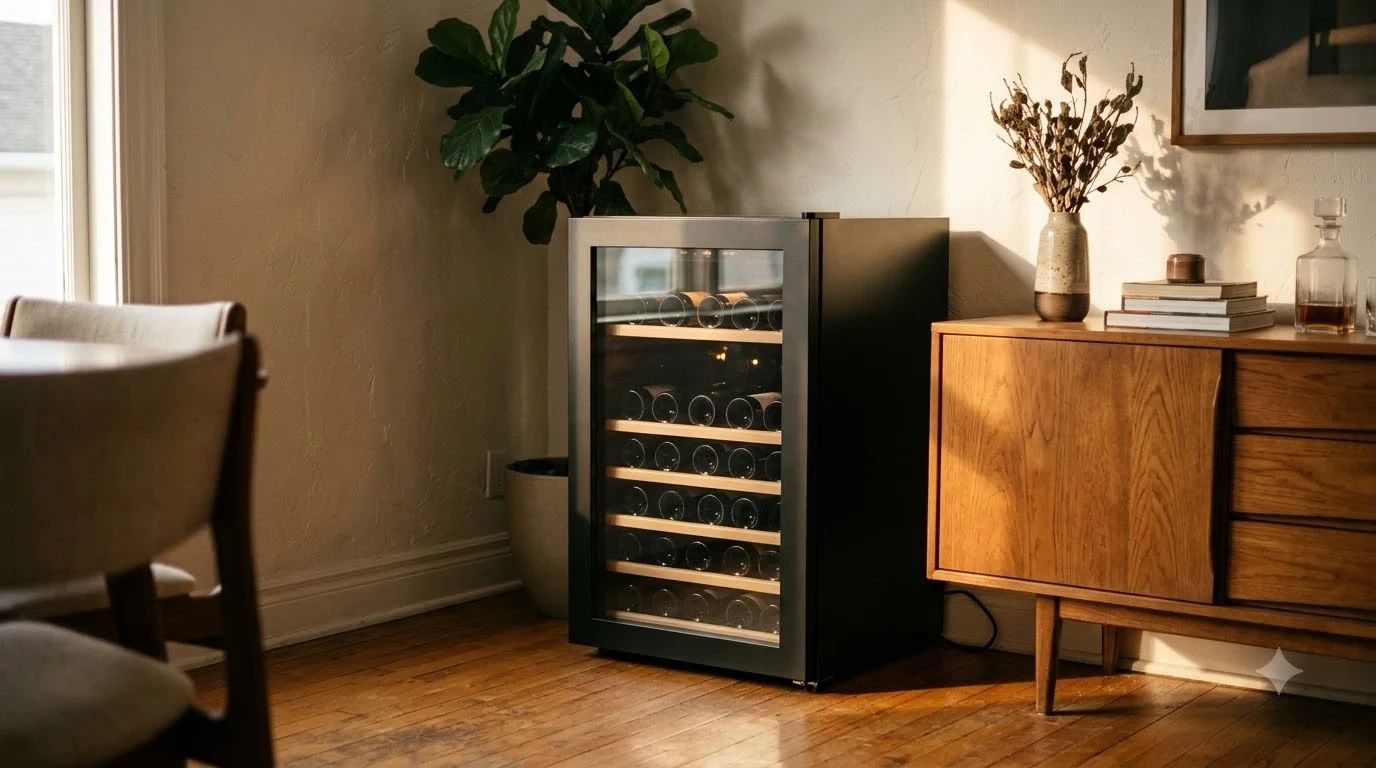
The best undercounter dual zone wine refrigerator for most kitchens is a 24-inch front-venting compressor unit that holds 40 to 50 bottles across two independently controlled temperature chambers. Narrow 15-inch slim models work best when replacing a trash compactor or fitting into tight galley layouts, while panel-ready custom designs suit integrated cabinetry. Households that host frequently often prefer French-door wine and beverage combos, whereas collectors aging sensitive vintages benefit from dual-evaporator units with solid hardwood shelving.
Storing reds and whites in a standard kitchen refrigerator leaves whites overly numb and reds far too cold to open up in the glass. A dedicated undercounter dual zone wine fridge solves that problem by separating the interior into two distinct thermal zones, keeping crisp whites and sparkling bottles chilled while holding reds at cellar or cool room temperatures right beneath your countertop.
Quick Comparison
Different undercounter designs trade bottle capacity, installation flexibility, and humidity stability depending on how your kitchen is laid out and how you drink.
| Unit Type | Typical Width | Bottle Capacity | Ventilation & Fit | Standout Advantage |
|---|---|---|---|---|
| Standard Built-In Compressor | 24 inches | 40–54 bottles | Front kickplate vent; zero-clearance | Balanced capacity and temperature stability for mixed collections |
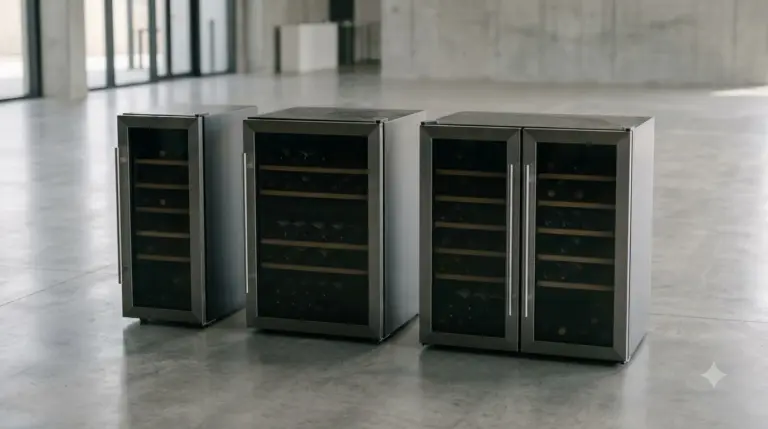
| Slim Narrow-Slot Built-In | 15 inches | 24–33 bottles | Front kickplate vent; compact cutout | Fits narrow cabinetry gaps without sacrificing two independent zones |
| Custom Panel-Ready Integrated | 24 inches | 40–46 bottles | Flush inset; accepts custom wood trim | Matches surrounding kitchen cabinets for a uniform built-in look |
| French-Door Wine & Beverage | 24 inches | 18–24 bottles + 60+ cans | Front-venting; side-by-side split | Holds wine bottles on one side and sparkling water or beer on the other |
| Collector-Grade Dual-Evaporator | 24 inches | 42–50 bottles | Front-venting; heavy-duty insulation | Independent humidity and temperature control for long-term aging |
Best for Standard Kitchen Remodels: 24-Inch Front-Venting Compressor Units
A 24-inch front-venting compressor model matches the exact footprint of a standard dishwasher, making it the default choice for kitchen islands and base cabinet runs. These units typically store between 40 and 54 standard Bordeaux bottles split between an upper chill zone and a lower cellar zone.
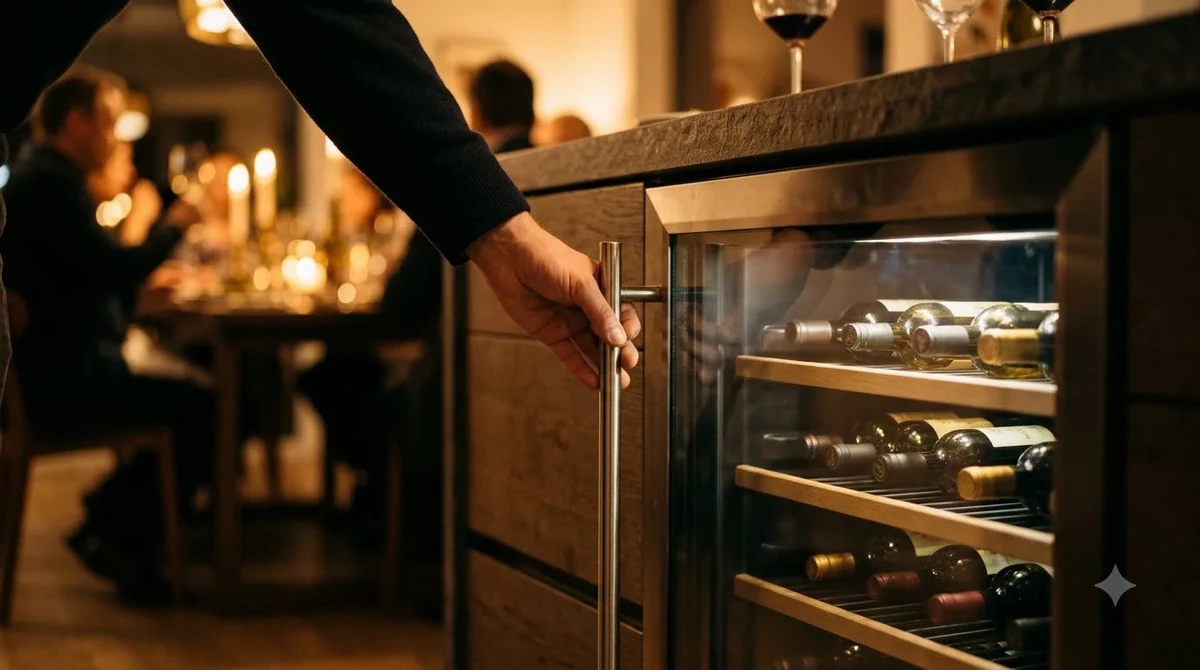
Why it stands out: Because heat exhausts through a slotted grille beneath the door rather than out the back, you can slide the cabinet flush against rear walls and side panels without starving the compressor of airflow. As noted in Wine Enthusiast’s guide to single- vs. dual-zone wine fridges, separating the cabinet lets you keep white wines ready for service between 45°F and 52°F while holding reds at warmer storage or serving temperatures. Inverter compressors in this class also ramp speed gradually, cutting down on sudden hums and mechanical vibration.
Keep in mind and best for: Manufacturer bottle counts assume slim 750 mL Bordeaux bottles; wider Burgundy, Pinot Noir, or Champagne bottles will reduce real-world capacity by roughly 20 percent. Choose this style if you have a standard 24-inch base opening and want reliable, everyday storage for a rotating mix of red, white, and sparkling bottles.
Best for Tight Spaces: 15-Inch Slim Undercounter Models
When a full 24-inch cutout is out of the question, a 15-inch slim dual zone built in wine cooler slips into the footprint of a standard trash compactor or narrow bar cabinet. Despite the narrower width, these units still stack 24 to 33 bottles across two stacked temperature zones.
Why it stands out: Slim models prove you do not need a sprawling kitchen island to keep two serving temperatures on hand. Most place four to six shelves vertically inside a 34-inch-tall chassis, dedicating the top two shelves to chilled whites and the lower shelves to reds. Field-reversible door hinges are standard in this category, allowing you to swing the glass door away from adjacent walls or corner drawers.
Keep in mind and best for: Narrow shelves usually hold three bottles across rather than five, which means pulling out rolling racks requires careful clearance for wider bottle shoulders. This category is best for apartment dwellers, galley kitchens, and wet bars where every inch of counter run counts.
Best for Smooth Cabinetry: Panel-Ready Integrated Units
Panel-ready undercounter coolers ship with unfinished door frames engineered to accept a custom wood overlay and hardware matching your surrounding kitchen cabinets. Behind the tailored exterior sits a full dual-zone refrigeration system with UV-tinted glass or solid insulated doors.
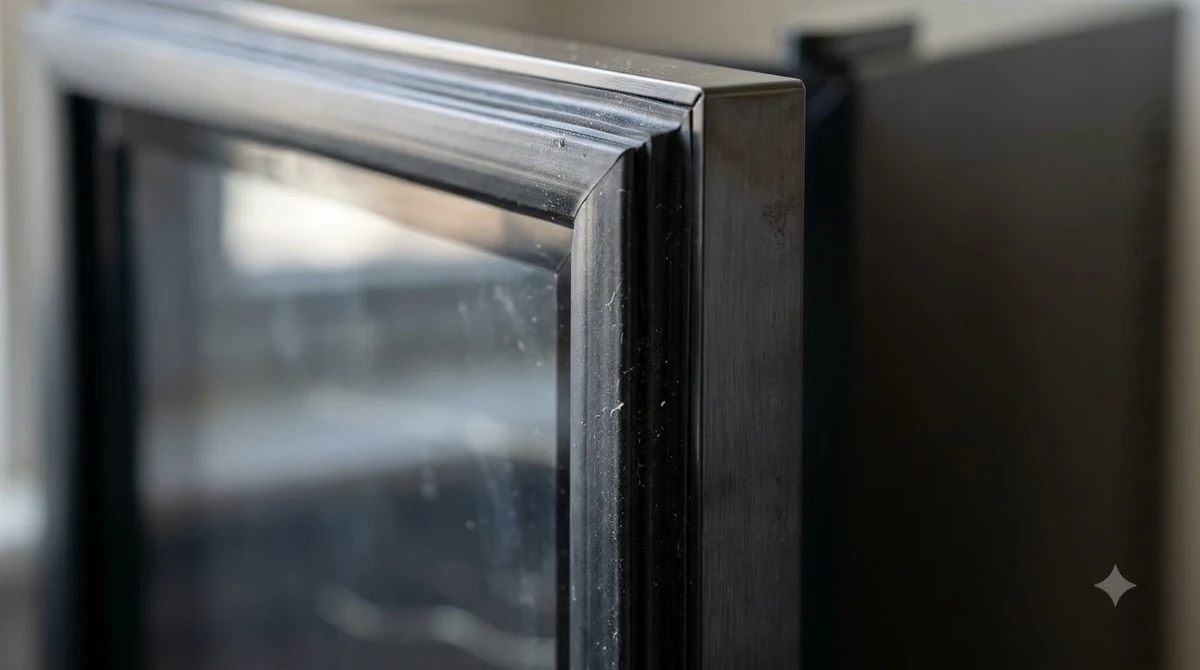
Why it stands out: Exposed stainless steel trim can break up the visual flow of custom inset cabinetry or furniture-grade kitchen islands. Panel-ready units solve that aesthetic hurdle with articulated hinges that allow the door to swing open cleanly without binding against neighboring cabinet faces. Many designs also offer subtle interior LED lighting in warm amber or soft white tones that illuminate labels without generating heat.
Keep in mind and best for: Custom millwork adds thickness and weight to the door, so your cabinetmaker will need to follow the manufacturer’s exact overlay specifications before ordering panels. Pick a panel-ready model if you are mid-remodel and want your wine storage to disappear into custom cabinetry.
Best for Entertaining: French-Door Wine and Beverage Combos
Instead of stacking zones vertically behind a single door, French-door undercounter units divide the cabinet down the middle into two side-by-side compartments. One side houses slatted racks for 18 to 24 wine bottles, while the opposite side features flat tempered-glass shelves for cans, mixers, and craft beer.
Why it stands out: Opening only half the cabinet at a time prevents cold air from spilling out of the wine compartment every time a guest grabs a sparkling water. The beverage zone typically cools down to 34°F–38°F, colder than standard wine zones can reach, while the wine side stays safely in the mid-40s to mid-60s. Independent digital thermostats let you dial in each side without thermal bleed across the center divider.
Keep in mind and best for: Splitting a 24-inch cabinet vertically limits wine storage to roughly two cases, making it impractical for large collections. This style is ideal for home entertainers, game rooms, and outdoor-adjacent bars that serve both wine drinkers and non-wine guests.
Best for Long-Term Aging: Dual-Evaporator Collector Units
While entry-level dual-zone coolers rely on a single cooling coil and a baffle fan to split air between compartments, collector-grade units use two separate evaporators. That architecture creates true thermal isolation and maintains steady relative humidity between 50 and 70 percent.
Why it stands out: Corks need consistent moisture to stay swollen and airtight; dry air causes corks to shrink and oxidize wine prematurely. Dual-evaporator systems prevent cold air in the white-wine zone from stripping moisture out of the warmer red-wine zone. Pair that climate control with full-extension hardwood racks on ball-bearing glides—wood naturally absorbs micro-vibrations better than bare wire—and you get genuine cellar conditions under your counter.
Keep in mind and best for: Heavy-duty insulation and dual cooling loops slightly reduce interior shelf depth compared to basic coolers. Choose this type if you hold age-worthy bottles for several years rather than cycling through weekly grocery-store picks.
How to Choose
When comparing models across wine fridges by type, check four core engineering details before measuring your cutout:
- Ventilation orientation: Built-in undercounter units must vent through a front toe-kick grille. Rear-venting freestanding units will overheat and fail early if enclosed inside cabinetry.
- Temperature spread limits: Some dual-zone coolers require the upper zone to remain at least 4°F colder than the lower zone because warm air rises naturally. Check the spec sheet if you ever plan to set both zones to the same cellar temperature.
- Glass UV protection: Look for double- or triple-pane argon-filled glass with a Low-E or UV-filtering tint to block ultraviolet rays that degrade aromatics and tannins.
- Shelf spacing and glide style: Ball-bearing telescoping racks let you read back-row labels without jostling neighboring bottles, while removable shelves make room for wider Pinot Noir or sparkling bottles.
Tip: According to VinePair’s wine temperature serving guide, light-bodied reds like Gamay and Pinot Noir shine around 55°F–60°F, while full-bodied Cabernet Sauvignon tastes best closer to 60°F–65°F. Set your red zone around 58°F–60°F so lighter reds are ready immediately and fuller reds warm to perfection after ten minutes in the glass.
Frequently Asked Questions
What temperatures should I set each zone in a dual zone wine refrigerator?
Set the upper white and sparkling zone between 45°F and 50°F so crisp whites and bubbly are ready to pour straight from the rack. Set the lower red zone between 58°F and 62°F, which keeps reds fresh without muting their aromas or making tannins taste harsh.
Can I put a freestanding dual zone wine cooler under my counter?
No, freestanding wine coolers vent heat from the back and sides and require several inches of open air clearance around the cabinet. Sliding a freestanding unit into a tight undercounter cutout traps exhaust heat, forcing the compressor to run continuously until it burns out.
Do dual zone wine refrigerators make a lot of noise in an open kitchen?
Most modern compressor-driven undercounter units operate between 38 and 42 decibels, roughly equivalent to a quiet library or soft background hum. Models equipped with variable-speed inverter compressors are noticeably quieter than older single-speed units because they avoid loud start-and-stop clicks.
Can you store opened bottles of wine inside a dual zone wine fridge?
Yes, as long as you reseal the bottle tightly with a cork or vacuum stopper and keep it upright on a bottom display rack or door shelf so it does not leak. Cooling slows oxidation, though how long wine lasts after opening still depends on the style—typically three to five days for most reds and whites.
Choosing the right undercounter dual zone wine refrigerator comes down to matching the cabinet width, ventilation design, and cooling architecture to how you actually buy and pour wine. Measure your opening carefully, account for wider bottle shapes when estimating capacity, and prioritize front-venting compressor cooling for years of quiet, reliable service.
More in Wine Fridges by Type
 Best White Wine Fridge for Reliable Chilling and StorageUpdated Nov 20, 2026
 Best Smart Wine Fridge for Steady Temperatures and Remote ChecksUpdated Nov 18, 2026
 Best Black Under Counter Wine Fridge Options for Kitchens and IslandsUpdated Nov 18, 2026
 Best Black Slim Wine Fridge for Narrow Gaps and Dark KitchensUpdated Nov 18, 2026
 Best Built In Dual Zone Wine Fridge Options by Kitchen LayoutUpdated Nov 18, 2026
 Best Slim Built in Wine Cooler: 5 Space-Saving Styles for Tight KitchensUpdated Nov 18, 2026