

We may earn a commission when you buy through links on this page, at no extra cost to you. Learn more.
Austin Hope wine is the label of a Paso Robles family winery, and it covers a range of wines led by a Cabernet Sauvignon. The Austin Hope label was created in 2000 by Austin Hope, who had taken over the family business five years earlier. The producer says the label started with Rhône varieties from the family’s estate vineyard, and its later wines have won recognition from Wine Enthusiast.
Many shoppers see the name on a shelf and wonder what kind of winery stands behind it. This guide covers the brand as a whole: the family, the region, how the label grew, its best-known wines, and how to choose a bottle that suits your table.
Who is behind the Austin Hope label
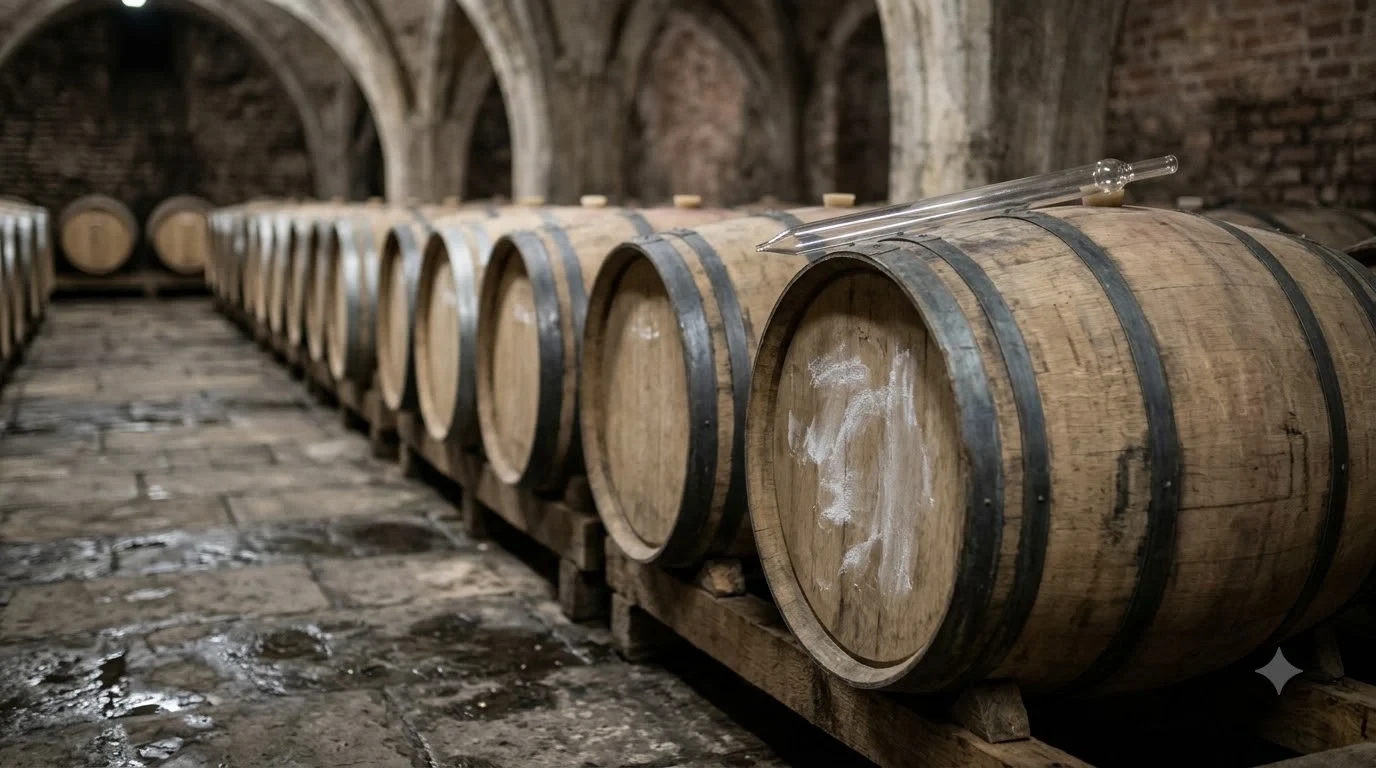
Austin Hope wine comes from Hope Family Wines, a winery based in Paso Robles on California’s Central Coast. The family has grown grapes and made wine in the region for decades.
Austin Hope is the owner and winemaker who leads the current program.
The brand is best understood as the personal side of the family business. Austin took over the operation and then created his own label, so the wines reflect his choices as a winemaker rather than the house style of a large corporate group.
According to the producer’s Austin Hope page, the label was created in 2000, five years after Austin took over the family business. That timeline gives a useful sense of how long the brand has been developing.
From Rhône varieties to Cabernet Sauvignon
The brand did not begin with its best-known red. The producer says the Austin Hope label started with Rhône varieties grown on the family’s estate vineyard.
The producer says Austin released his first Cabernet Sauvignon in 2017, and that wine is now the best-known bottle in the range. If you want a deeper look at that bottling, see the Austin Hope Cabernet guide, which covers its Reserve and serving notes in detail.
This path is common among family wineries that have been in one place for a long time. They start with what grows well on their land, then add varieties that fit the site and the market over several vintages.
Paso Robles and the family’s place in it
Paso Robles is one of California’s most varied wine regions, known for a wide range of grapes and growing sites. Many of its wineries are family-run, and the Hope family is part of that tradition, having grown grapes and made wine in the area for many years.
The producer does not name a sub-appellation for its flagship Cabernet, so the broad Paso Robles designation is the main geographic clue on the label. Shoppers who want more detail can check the producer’s own pages, which describe the wines and the family’s story.
For shoppers who want to understand the region before buying, the family’s history offers a useful lens. Paso Robles has grown quickly in recent decades, and a winery that has been there for a long time can show how the local vineyards have changed. Reading about the people behind a bottle makes it easier to connect the wine to a specific place and time.
Being a family winery shapes how the brand talks about itself. The emphasis is on the people, the vineyard, and the region rather than on a single signature style, and that approach shows up in the way each bottle is described.
Recognition for the winery and its wines
The brand has earned attention from critics. The producer notes that Wine Enthusiast named Hope Family Wines its 2022 American Winery of the Year, and that the Austin Hope Cabernet Sauvignon has twice been named a Top 10 Wine of the Year by the same publication.
Wine Enthusiast publishes its year-end lists after its tasting panels review large numbers of releases, so a Top 10 place means the wine stood out among many competitors that year. That is a strong signal of quality, but it does not mean every bottle from the same label will taste the same. Your own palate and the food you plan to serve still matter most.
Recognition like this is useful, but it is worth reading it in context. Awards describe specific vintages and the judgment of a particular panel in a particular year, so the year printed on your bottle matters more than the headline.
| Part of the brand | What it is | Where to start |
|---|---|---|
| Family winery | Hope Family Wines in Paso Robles | The producer’s own pages |
| Austin Hope label | Created in 2000 by Austin Hope | The standard red wines |
| Cabernet Sauvignon | First released in 2017, per the producer | The standard bottling |
| Reserve edition | A special barrel selection aged in 100 percent new French oak | Special dinners or collecting |
How to choose an Austin Hope wine
Start with the occasion. If you are buying for a weeknight, look at the standard red wines, which are built for approachable drinking with a meal. For a celebration or a gift, the Reserve or a vintage Cabernet makes a stronger statement.
Read the back label before you buy. The region, the vintage, and the bottling name tell you more about the style than the brand name alone. A wine labeled with a specific place inside Paso Robles, or one that names a special barrel selection, gives you a clearer picture of what is in the glass than a general label does.
Store bottles in a cool, dark spot away from heat and direct light. Most reds from this kind of winery are meant to be opened within a few years of release, although a well-made bottle from a strong vintage can keep longer. If you plan to cellar a bottle, ask the retailer or the producer how it is expected to age.
Check the vintage before you buy. Two bottles with the same name can differ noticeably in fruit and structure if they come from different seasons. A recent vintage will show you the current style, while an older one may suit a collector who wants to see how the wine ages.
Serve the reds slightly cooler than room temperature, and give young bottles some time to open up in the glass. Pair the bigger reds with grilled meat, roasted vegetables, or aged cheese, and keep lighter wines for simpler dishes.
Tip: If you enjoy sparkling wine, compare the Austin Hope reds with a lighter style such as La Marca Prosecco to see how the brand’s structure sits next to a crisp, fresh bottle.
Frequently Asked Questions
Where does Austin Hope wine come from?
The wines come from Hope Family Wines in Paso Robles, a wine region on California’s Central Coast. The family has grown grapes and made wine there for many years.
Who is Austin Hope?
Austin Hope is the owner and winemaker behind the Austin Hope label. He took over the family business and created his own label in 2000.
What is the best-known Austin Hope wine?
The Austin Hope Cabernet Sauvignon is the best-known wine. The producer says it has been named a Top 10 Wine of the Year by Wine Enthusiast twice, and it is the centerpiece of the label.
Is Austin Hope a single wine or a brand?
It is a brand. The Austin Hope label covers several wines, and the family winery produces a broader range under other names. Read the label to see which wine you are buying.
Austin Hope wine is best approached as a family brand with a clear regional identity. Begin with the Cabernet to learn the core style, then explore the rest of the range as your taste develops. For more context on how producers present their wines, see our Wine Brands section.
More in Wine Brands
 Underwood Wine Price: Compare Bottles, Cans, and Pack SizesUpdated Nov 21, 2026
 Zenato Wine Price: Compare Styles and Choose the Right BottleUpdated Nov 21, 2026
 Zuccardi Wine Price: Compare Bottles and Find the Right RangeUpdated Nov 21, 2026
 Yellow Tail Moscato Review: Taste, Sweetness and Serving TipsUpdated Nov 21, 2026
 Wolf Blass Yellow Label Review: Choose Your Best StyleUpdated Nov 21, 2026
 Wolffer Estate Rose Review: Choose the Right Bottle for Your TableUpdated Nov 21, 2026