

We may earn a commission when you buy through links on this page, at no extra cost to you. Learn more.
The best wine tasting notebook for most people is a structured journal with prompts for appearance, aroma, palate, and finish, because it turns each bottle into a comparable note you can read back months later. Layout matters more than binding. Choose a format that matches how much you write per bottle, whether you taste alone or in a group, and whether you want the notebook to last for years.
A wine tasting notebook is a journal for recording what you notice in a glass: the color, the smell, the balance, and the finish. People search for a best wine tasting notebook for different reasons. Some want to remember bottles they liked, some are learning to describe wine in words, and others host regular tastings and need a simple way to log scores. The options below are grouped by need, so you can match a notebook to your habits. If you are still deciding how much to pour for a tasting, the guide on how many glasses are in a bottle of wine helps with planning. The Accessories Library covers other tools that suit a tasting table.
Quick Comparison of Tasting Notebook Formats
Tasting notebooks differ in how much structure they give, how much space they leave for notes, and how well they hold up to repeated use. The table compares the main formats.
| Format | Structure | Space per bottle | Best for | Durability |
|---|---|---|---|---|
| Pocket notebook with prompts | Light prompts | Small | Tastings out of the house | Moderate |
| Structured rating journal | Fixed sections | Medium | Learning to taste with a method | Good |
| Leather-bound wine journal | Varies | Large | Keepsake and gifting | Very good |
| Loose sheets or cards | Printed grid | Flexible | Group tastings and comparisons | Low to moderate |
Best for Learning to Taste with a Method
A structured journal guides you through each stage of a tasting, so you do not skip the parts that matter. Tasting is usually described in four stages: appearance, aroma, mouth sensations, and finish. The Wikipedia entry on wine tasting describes this sequence, starting with color and then moving through swirling, smelling, and tasting. A journal with those sections in order helps build the habit.
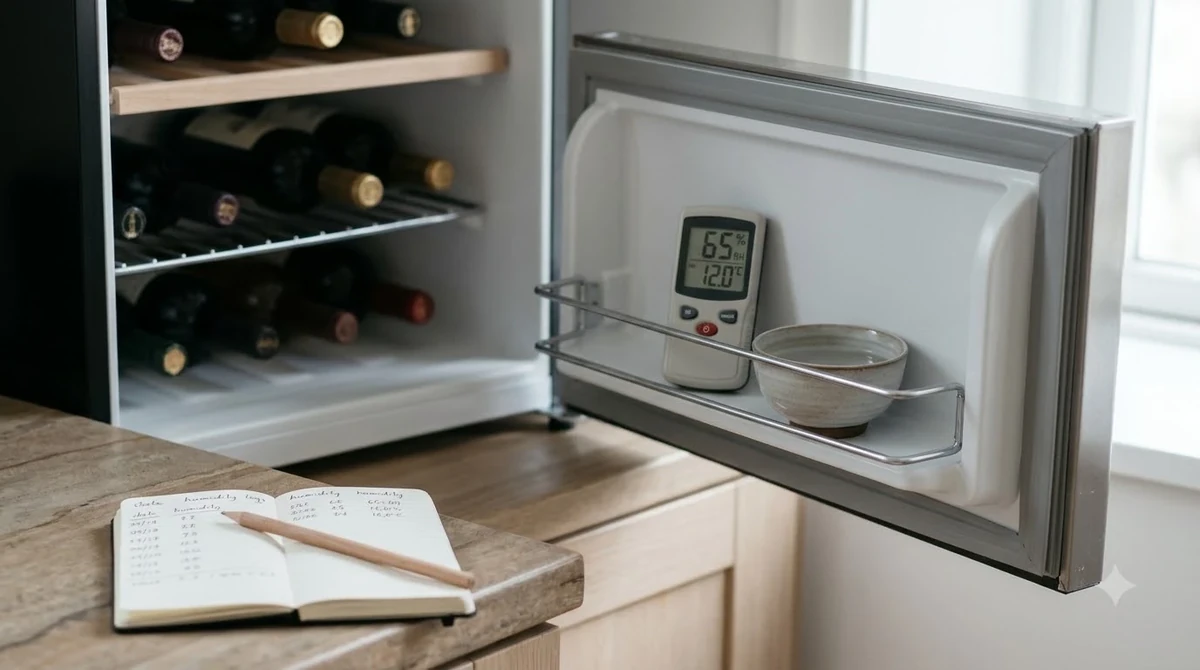
Why it stands out: The fixed sections keep your notes consistent from one bottle to the next. Over time, you can compare what you wrote about several wines in the same grape or region.
Keep in mind: Structure can feel rigid if you prefer to write freely. Choose a journal with enough room for a few lines in each section, and check whether the pages are thick enough for pen.
Best for: Beginners who want a clear routine and anyone who plans to compare wines over time.
Best for Tastings Away from Home
A pocket notebook with light prompts fits in a bag and works at a wine shop, a restaurant, or a friend’s dinner. It is smaller than a structured journal, so the prompts are short and the space per bottle is limited. The purpose is to capture the essentials quickly while the wine is still in the glass.
Why it stands out: It is easy to carry, and a few quick notes are often enough to remember a wine. The format encourages short, direct entries rather than long essays.
Keep in mind: Small pages fill up quickly, and dense writing is hard to read later. Use a consistent shorthand so the notes stay useful.
Best for: People who taste wine at restaurants, shops, or events and want a quick way to note what they liked.
Best for a Keepsake Wine Journal
A leather-bound or hardcover wine journal is designed to last, and many people treat it as a keepsake. These books often have room for a long run of entries, sometimes with space for labels, dates, and occasion notes. The appeal is partly the object itself, which makes it a welcome gift for someone who collects wine memories.
Why it stands out: It holds many entries in a durable format and looks good on a shelf. It also works well as a gift for a wine lover.
Keep in mind: Larger journals are heavier to carry, and fancy covers can make the book less practical at the table. Check the paper for bleed-through from ink or pencil.
Best for: Gift buyers and collectors who want a lasting record of their tastings.
Best for Group Tastings and Comparisons
Printed sheets or tasting cards suit a group that tastes several wines side by side. Each person fills in a grid for every bottle, and the sheets can be collected and compared at the end of the evening. The format is flexible and can be reused for different themes, such as a single grape or a single region.
Why it stands out: It lets a group compare notes directly and keeps the tasting focused. Cards are inexpensive to replace if they get stained.
Keep in mind: Loose sheets are easy to lose, and they do not form a lasting record unless you file them. Bring a clipboard or binder to keep them together.
Best for: Hosts of regular tastings and groups that want to compare several wines in one session.
Best for Writing Detailed Tasting Notes
Some tasters want room to describe a wine in depth, covering texture, balance, and how the wine changes in the glass. A notebook with wide ruled pages and generous margins gives space for that. Professional tasters often describe aroma and flavor with comparisons to other foods and plants, and the Wikipedia entry on wine tasting notes that tasters use descriptors drawn from non-wine comparisons, such as blackcurrant or tobacco for Cabernet Sauvignon.
Why it stands out: It gives room for complex notes and longer observations, which helps when you are working on specific terms.
Keep in mind: Longer entries take more time, and they are less practical during a busy event. Use short notes at the table and expand them later at home.
Best for: Tasters who want to build a detailed vocabulary and record their impressions carefully.
How to Choose a Wine Tasting Notebook
The right notebook depends on where you taste, how much you write, and how long you want to keep the record. The points below help you narrow the choice before you compare individual products.
- Structure: A method with fixed sections helps beginners. Free-form pages suit people who already know what they want to note.
- Size: Pocket notebooks travel well, while larger journals give more room for each bottle.
- Paper: Look for paper that handles ink and pencil without bleed-through, since you will often write quickly.
- Binding: A sturdy binding lets the book lie flat on a table, which matters during a tasting.
- Layout: Prompts for appearance, aroma, palate, and finish keep notes consistent, and room for a score or a short summary is useful.
If you plan to taste several wines at once, a notebook with a clear layout for each bottle is easier to read later, and it fits well with the bar cart setup many hosts use for tastings.
Think about the tasting pace too. Two or three wines in an evening leave time for careful notes, while a longer flight of six or more calls for shorthand at the table and fuller notes afterward. A notebook with a short summary line for each wine makes it easier to pick a favorite at the end. Keep a pen with the book, and check that the ink dries quickly so the page does not smudge when the next glass is placed on it.
Frequently Asked Questions
What should I write down when tasting wine?
A useful record covers appearance, aroma, the taste on the palate, and the finish. Many tasters also note balance and whether the wine seems to match its style, which helps you compare bottles later.
Is a structured notebook better than a plain one?
It depends on your habits. A structured notebook helps beginners keep notes consistent, while a plain notebook suits people who want to write freely. Either works if you record the same kinds of details for each bottle.
How do I describe a wine I do not know well?
Start with broad terms like fruity, dry, or tart, then add comparisons to foods or plants you know. Descriptors often draw on everyday comparisons, so your own words are a valid start.
Should I write notes during the tasting or after?
Jot short notes during the tasting, then expand them once you are home. Writing too much at the table can slow the group and make the wine harder to judge.
A wine tasting notebook is a simple tool that pays off over time. Pick the format that fits where you taste, then keep the same sections for every bottle so your notes stay comparable. For more ideas on setting up a tasting area at home, the bar cart guide shows how serving pieces can sit together.
More in Wine Accessories
 Coravin Vs Vacu Vin: Choose the Right Wine Saver for Your BottlesUpdated Nov 21, 2026
 Zwilling Wine Stopper Review: Preserve Open Bottles LongerUpdated Nov 21, 2026
 Wine Enthusiast Wine Preserver Review: Features, Benefits and LimitationsUpdated Nov 21, 2026
 Wine Enthusiast Wine Stopper: An Easier Way to Reseal Open BottlesUpdated Nov 21, 2026
 Vintorio Wine Opener: Two-Step Cork RemovalUpdated Nov 21, 2026
 Zwilling Wine Aerator Review: Aerate, Pour, and Seal With One ToolUpdated Nov 21, 2026